
Selecting a car perfume gel in Singapore requires looking beyond the scent profile. The intense tropical heat and high humidity inside a parked vehicle can quickly turn a standard gel into a liquid mess or cause it to lose its fragrance within days. To ensure longevity and safety, vehicle owners should select gels formulated with high-melting-point polymer bases, high cross-linking density, and UV-resistant packaging, while placing them in shaded, high-airflow areas of the cabin.
By understanding how tropical climates interact with gel formulations, you can make an informed choice that keeps your vehicle smelling fresh without risking damage to your interior surfaces.
How Singapore's Tropical Heat Affects Car Perfume Gels
When a vehicle is parked under the direct sun in Singapore, the cabin acts like a greenhouse, trapping solar radiation and causing interior temperatures to climb significantly higher than the ambient outdoor temperature. This extreme heat directly impacts the physical structure of car perfume gels. The volatile organic compounds responsible for carrying the fragrance evaporate at an accelerated rate under high temperatures, leading to an intense but short-lived scent throw that quickly depletes the product. This rapid depletion means a product designed to last for months might lose its efficacy in just a couple of weeks.
Products mentioned in this guide
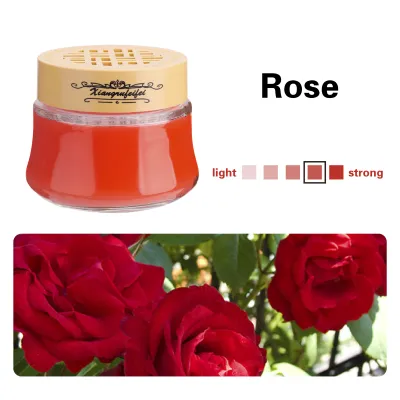
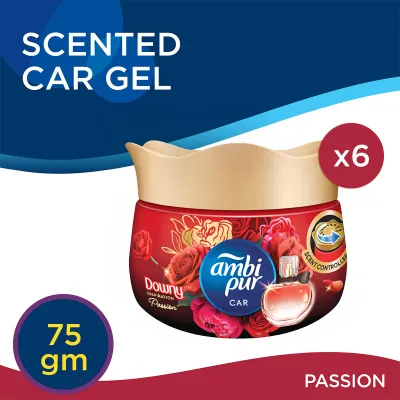
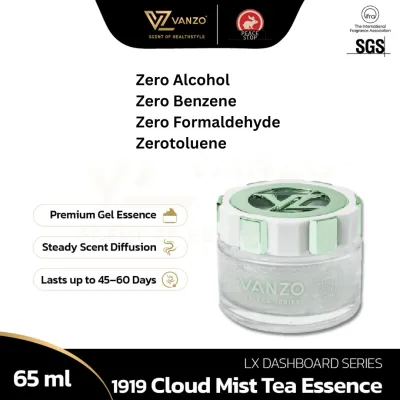
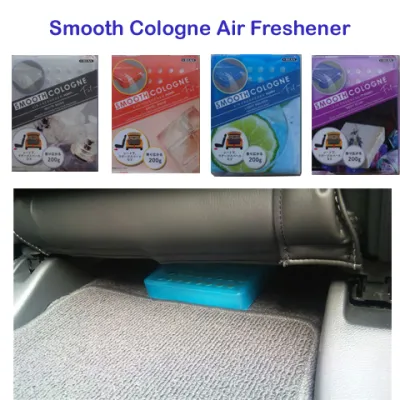
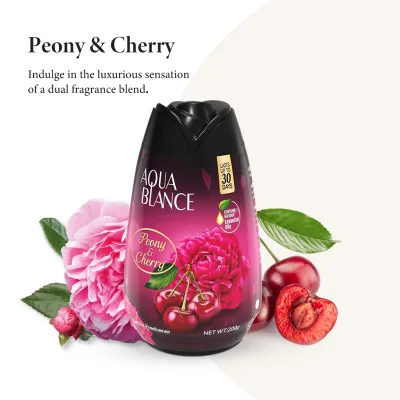
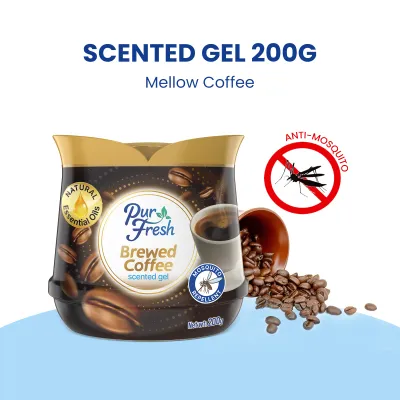
Prices are valid at publication and may change. Please refer to the product page for the latest price.
Beyond rapid evaporation, high cabin temperatures pose a structural risk to standard gel formulations. Many budget-friendly gel air fresheners rely on simple water-based matrices held together by weak physical bonds. When exposed to temperatures exceeding normal room conditions, these bonds break down, causing the gel to liquefy, shrink unevenly, or undergo syneresis—a process where liquid separates from the gel and pools on the surface. This liquefied gel can easily leak through container vents, posing a threat to your car’s interior surfaces, electronics, and upholstery.
Singapore’s high relative humidity further complicates how these products perform. High humidity levels alter the moisture exchange between the gel matrix and the surrounding cabin air. In a highly humid environment, the water content in a standard gel evaporates less predictably, which can lead to inconsistent fragrance release. When combined with intense heat, this moisture imbalance can cause the gel structure to degrade prematurely, reducing its effective lifespan and leaving a sticky, scentless residue that is difficult to clean.
Formulation Features That Withstand High Cabin Temperatures
To combat the harsh tropical climate, it is essential to look for car perfume gels engineered with high-melting-point bases. Unlike standard water-based gels that liquefy easily, high-stability formulations often utilize synthetic polymers, gellan gum, or specialized carrageenan matrices. These materials are designed to maintain their solid or semi-solid state even when cabin temperatures rise significantly, ensuring the gel does not melt or leak onto your vehicle’s console. These advanced bases are specifically formulated to withstand thermal stress without losing their structural integrity.

Another critical factor is the polymer cross-linking density within the gel. A highly cross-linked polymer network acts like a tight microscopic sponge, trapping fragrance oils and water molecules securely. This dense structure regulates the release of the scent, allowing for a gradual and consistent diffusion over several weeks rather than a rapid, heat-induced burst. It also prevents syneresis, keeping the formula stable and dry to the touch throughout its usage cycle, even when the vehicle is parked in unshaded areas for extended periods.
The packaging of the gel freshener plays an equally important role in preserving the formulation. Direct exposure to ultraviolet (UV) rays from the sun can degrade both the fragrance oils and the chemical bonds of the gel, leading to discoloration, separation, and a distorted scent profile. High-quality options are typically housed in UV-resistant glass, opaque containers, or robust high-density plastics with protective outer casings. These designs shield the active ingredients from solar radiation, preserving the integrity of the fragrance and preventing the gel from breaking down prematurely.
Where to Place Gel Fresheners to Prevent Melting
Proper placement of your car perfume gel is just as important as choosing the right formulation. The dashboard is the most vulnerable area in any vehicle, acting as a direct heat sink under the windshield. Placing a gel freshener here exposes it to maximum solar radiation and extreme thermal spikes, which can melt even heat-resistant formulations and cause permanent staining or chemical damage to the dashboard plastic. The intense heat in this zone can also cause the container itself to warp or crack, leading to leaks.
Instead, utilize the shaded zones of your vehicle’s cabin to buffer the gel from extreme temperatures. Cup holders, center consoles, door pockets, and under-seat mounting brackets are excellent alternative locations. These areas remain significantly cooler than the upper surfaces of the dashboard, helping to maintain the gel’s structural integrity and extend its overall lifespan. Placing the gel in these lower zones also reduces its visibility, keeping your dashboard clean and uncluttered.
To ensure consistent scent distribution without accelerating evaporation, consider the airflow patterns within your car. Positioning the gel near air conditioning vents or in areas with natural air circulation, such as the center console, allows the fragrance to disperse evenly throughout the cabin. Avoid placing the gel directly in stagnant, hot air pockets, as this can cause localized heat buildup around the container, leading to premature drying. A well-placed gel utilizes the vehicle’s ventilation system to carry the scent gently without relying on high heat to drive evaporation.
How to Verify Heat Resistance on Product Labels
When browsing online marketplaces or local automotive accessory shops, verifying manufacturer claims on product labels is crucial. Look for explicit indications of temperature tolerance or climate suitability. High-quality manufacturers often state an operating temperature range, indicating that the product has been tested to remain stable up to specific temperatures, such as 60°C or higher, which are common in tropical climates. Avoid products that lack clear temperature guidelines, as they are often designed for temperate climates and may fail quickly in tropical heat.
Carefully read the safety and application warnings on the packaging. Reliable products will include clear instructions regarding surface contact, warning users to avoid placing the gel directly on leather, vinyl, or polished plastics. Look for formulations that explicitly guarantee a leak-proof or spill-proof design, which often features a secondary protective membrane or a secure ventilated lid to prevent accidental spills if the vehicle encounters rough roads or sudden stops.
Finally, check for manufacturing dates, shelf-life indicators, and storage guidelines. Gels that have sat in hot warehouses or transit containers for extended periods may already have begun to degrade before you purchase them. Opt for products with intact seals and clear instructions on disposal and replacement, ensuring you get the full performance and safety benefits from your selected car perfume gel. Taking a few moments to read the fine print can save you from unexpected leaks and premature product failure.
Frequently Asked Questions (FAQ)
Is it safe to leave car perfume gel on the dashboard?
Leaving a car perfume gel on the dashboard is generally not recommended in hot climates like Singapore’s. The dashboard absorbs direct sunlight through the windshield, creating a localized heat trap where temperatures can easily exceed the melting point of standard gels. If the gel melts or leaks, the active chemical ingredients and fragrance oils can react with the dashboard’s plastic or vinyl surface, causing bubbling, discoloration, or permanent structural damage that is costly to repair. For safety and longevity, place the gel in cooler, shaded areas such as cup holders or door pockets.
Why does my car perfume gel shrink or dry out so quickly?
Car perfume gels shrink as their water and volatile fragrance oil content evaporates into the cabin air. In Singapore’s hot climate, this evaporation process is highly accelerated by elevated cabin temperatures. If the gel is exposed to direct sunlight or placed in a hot, unshaded area, the liquid components escape much faster than intended, causing the gel matrix to contract and dry out rapidly. To monitor the product’s lifespan, check the gel’s volume regularly; once it has shrunk significantly and hardened, the fragrance delivery will drop, indicating it is time for a replacement.

Community discussion
Share your experience or ask a question. Comments are reviewed before publication.