
Finding the ideal car perfume diffuser in Singapore requires balancing pleasant scents with extreme environmental endurance. The combination of intense tropical sunlight, high humidity, and soaring cabin temperatures when parked outdoors can quickly turn a premium fragrance into a cloying, evaporated, or even damaging chemical mess. To get the most consistent scent delivery without risking your vehicle’s interior surfaces, electric smart nebulizers (without internal lithium batteries) and high-quality solid or gel-based diffusers with UV-resistant casings are the most reliable choices. Traditional liquid-based hanging diffusers and cheap vent clips often fail under Singapore’s extreme heat, evaporating too quickly or leaking onto sensitive dashboard components.
How Singapore's Tropical Climate Affects Car Fragrances
When a car is parked in an open-air HDB carpark or an unsheltered bay in Singapore, the cabin acts as a greenhouse. Solar radiation passes through the windshield and windows, heating up the dark surfaces of the dashboard, steering wheel, and seats. Temperatures inside a parked car can easily exceed 60 degrees Celsius within an hour. This extreme heat rapidly increases the volatility of fragrance oils and alcohol bases. Instead of a slow, controlled release, the fragrance molecules flash off almost instantly, leading to an overwhelming burst of scent when you first open the door, followed by rapid depletion that leaves the diffuser empty within days.
Singapore’s relative humidity frequently hovers between 80% and 100%, especially after a heavy afternoon downpour. High humidity alters how scent molecules disperse in the air, as water vapor saturates the cabin and makes it harder for lighter scent notes to travel effectively. Furthermore, high humidity directly threatens the physical integrity of passive diffuser materials. Wooden caps, cork stoppers, and paper pads absorb moisture from the air, which can cause wood to warp, crack, or even develop mold, while paper pads can become soggy and lose their structural rigidity.
Products mentioned in this guide
![[SG Stock] 10ml Smart Car Aromatherapy Machine Air Outlet Spray diffuser 8 Scents Perfume Refreshing Remove Bad Odor Smart Car Perfume Diffuser Air Vent Aroma Mist Spray Air Refresher Car Fragrance |Electronic Control](https://img.lazcdn.com/g/p/6850ff78455b53aedabeba8120a31a21.jpg_400x400q80.jpg_.webp)
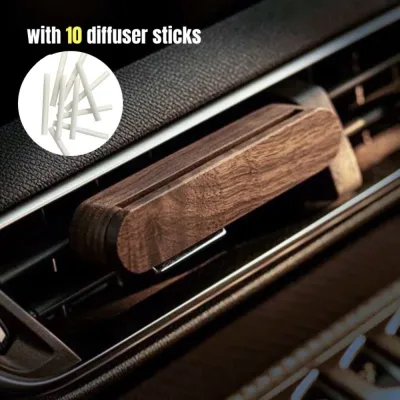

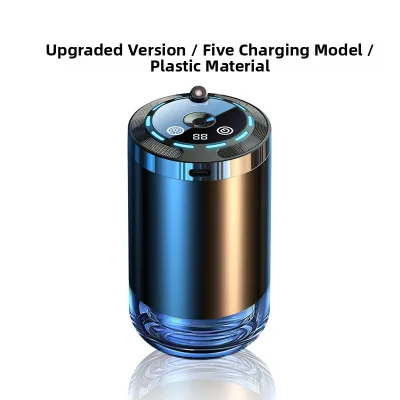
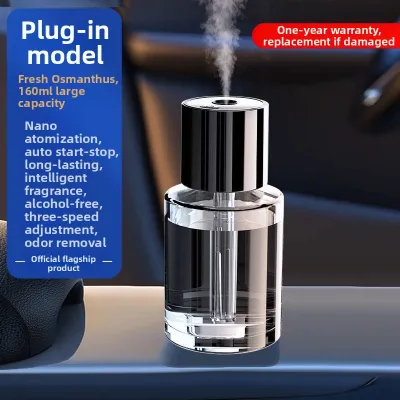
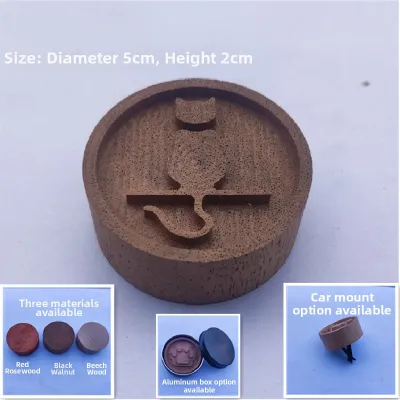


Prices are valid at publication and may change. Please refer to the product page for the latest price.
The chemical composition of many liquid car perfumes includes solvents and synthetic oils that can be highly corrosive to automotive interior materials. When exposed to extreme heat, these liquids expand inside their containers. If a container is not perfectly sealed, the expanding liquid can seep out. If these oils drip onto soft-touch plastics, leather upholstery, dashboard screens, or piano-black trim, they can cause permanent chemical damage. The chemicals can dissolve plastic coatings, strip away paint or dye, and leave unsightly, unrepairable bubbles or discoloration on your car’s dashboard.
Comparing Car Perfume Diffuser Types for Heat and Humidity
Vent Clip Diffusers
Vent clip diffusers are incredibly popular due to their convenience and direct placement in the airflow path. However, their performance is highly dependent on your car’s air conditioning settings. When you are driving and the AC is blasting cold air, the scent throw is controlled and pleasant because the cool air keeps the evaporation rate stable. But as soon as you turn off the engine and park the car, the AC stops, and the cabin temperature rises rapidly.

Without the cooling airflow, the heat inside the stationary vehicle causes the remaining liquid or saturated pad in the vent clip to dry out unevenly. When you return to the car, you are often met with a concentrated, overpowering wave of perfume that has accumulated in the stagnant, hot air. Over time, this cycle of extreme cold and extreme heat degrades the fragrance quality, making it smell synthetic or sour.
There is also a physical risk associated with vent clips. The plastic or metal clips must be securely fastened to the delicate AC vent blades. If the clip is loose, or if the liquid reservoir expands due to heat-induced pressure, the fragrance oil can drip directly down the vent. This can damage the vent adjustment mechanisms, peel the paint off the dashboard trim, or seep into the radio and climate control buttons below, leading to costly electronic repairs.
Hanging and Rearview Mirror Diffusers
Hanging glass bottles with wooden caps are a common sight on Singapore roads, but they pose unique challenges in a tropical climate. The primary physical hazard is their mounting position. Suspended from the rearview mirror, these diffusers swing constantly during acceleration, braking, and sharp turns. If the cord is too long or the bottle is heavy, it can strike the windshield or the dashboard screen, potentially cracking the glass or scratching delicate surfaces.
The mechanism of these diffusers relies on the liquid soaking into a wooden cap or cork to evaporate into the cabin. In Singapore’s heat, the liquid inside the glass bottle expands, forcing more liquid into the wooden cap than it can hold. The wood becomes oversaturated, leading to active dripping. The oily residue can drop directly onto the gear shifter, center console, or dashboard, causing immediate chemical damage to the plastic or leather below.
Furthermore, hanging diffusers are positioned in the absolute worst spot for UV exposure. Being directly behind the windshield means they receive constant, intense solar radiation. UV rays break down the chemical structures of both natural and synthetic fragrance oils. This process, known as photodegradation, can cause the liquid to change color, become cloudy, and lose its original scent profile, turning a pleasant aroma into an unpleasant chemical smell within a few weeks.
Dashboard and Solid/Gel Diffusers
Solid, gel, or bead-based diffusers placed on the dashboard offer a much safer profile regarding spill risks. Because they do not contain free-flowing liquids, there is virtually no danger of a sudden spill stripping the paint off your center console or melting your leather seats if the container tips over. This makes them a highly practical choice for drivers who want a set-and-forget solution.
However, the dashboard is the hottest zone in any vehicle. When exposed to direct sunlight and intense UV rays, cheap gel diffusers can melt into a liquid state, shrink rapidly, or dry up into a hard, useless crust within a matter of days. As the gel shrinks, it can release a sticky residue that is difficult to clean if it manages to seep out of the container’s ventilation holes.
To avoid these issues, it is crucial to check the product label for UV-resistant casings or heat-stable formulations. High-quality solid diffusers use ceramic blocks, scented clay, or specially formulated polymer beads that are engineered to withstand high temperatures without melting or losing their structural integrity, ensuring a much longer and safer lifespan on your dashboard.
Electric and Smart Diffusers
Electric and smart nebulizing diffusers represent the modern standard for car scenting, utilizing ultrasonic or atomization technology to disperse a fine mist of fragrance oil. They offer the distinct benefit of consistent, adjustable scent delivery. Because they are active devices, you can control exactly how much fragrance is released and how often, meaning the scent throw remains uniform regardless of whether the cabin is hot, cold, humid, or dry.
However, safety is a paramount consideration when choosing an electric diffuser for use in Singapore. Many portable electric diffusers contain built-in lithium-ion batteries. Leaving a lithium-ion battery in a parked car under the Singapore sun is an extreme safety hazard, as high temperatures can lead to battery swelling, thermal runaway, or even fire. It is vital to check the manufacturer’s specified operating and storage temperature ranges. To mitigate this risk, opt for electric diffusers that do not have internal batteries and are powered directly via a USB cable connected to the car’s 12V port, ensuring they only operate when the engine is running.
Additionally, because electric diffusers are heavier than passive ones, they require secure mounting. Do not simply rest them on a slippery dashboard. Use high-quality, heat-resistant double-sided acrylic adhesive pads or place them securely inside a cup holder to prevent the device from flying loose and becoming a dangerous projectile during sudden braking or an accident.
Key Features to Look for in Tropical Car Fragrances
When shopping for a car perfume diffuser, looking closely at the product specifications and design details will help you find a model built to survive tropical conditions. Prioritize the following features:
- Formulation: Prioritize alcohol-free or low-alcohol formulations. Alcohol acts as a carrier that evaporates rapidly to carry the scent into the air. While this works well in temperate climates, in Singapore's heat, alcohol-based perfumes evaporate far too quickly and pose a mild flammability risk if exposed to extreme temperatures in a sealed cabin. Oil-based or solid-state fragrances offer a much slower, controlled release.
- Adjustability: A diffuser with no adjustment mechanism is a recipe for a headache in hot weather. Look for models featuring adjustable dials, sliding vents, or smart electronic controls. This allows you to restrict the scent exposure when the car is parked or when the cabin is exceptionally warm, preventing the fragrance from becoming overwhelmingly strong and cloying when you first step inside.
- Material Safety: Avoid fragile glass containers that can easily shatter if dropped or if they collide with hard interior surfaces. Instead, look for shatterproof materials such as high-grade, heat-resistant plastics (like polybutylene terephthalate or high-density polyethylene) or anodized aluminum. Ensure that any liquid-containing components have robust, multi-layer leak-proof seals to prevent any accidental seepage.
- Scent Profile: The type of scent you choose plays a massive role in how pleasant your cabin feels in high humidity. Opt for fresh, light, and clean notes such as citrus (bergamot, lemon, grapefruit), green tea, eucalyptus, or aquatic accords. These scents feel refreshing and airy, helping to mask damp odors without feeling heavy. Avoid heavy, sweet, or highly musky scents like vanilla, caramel, or heavy amber. Under intense heat and high humidity, these rich scents can become thick, cloying, and nauseating, making your daily commute highly uncomfortable.
Safe Placement and Maintenance in High Temperatures
Placement Strategy
Never place liquid or gel diffusers in direct sunlight on the dashboard, nor should you mount them directly above sensitive electronics, infotainment screens, or airbag deployment zones. The ideal placement is in a shaded, secure location. Cup holders, door pockets, or clipped securely to a low-profile vent that does not receive direct sunlight are excellent choices. For hanging diffusers, ensure they are secured in a way that limits their range of motion.
Spill Response
If a liquid fragrance leak does occur, you must act immediately to protect your car’s interior. Blot the spill gently with a clean microfiber cloth to absorb as much liquid as possible. Do not rub or wipe aggressively, as this can press the corrosive oils deeper into the textured plastic or leather, stripping away protective coatings. Avoid using harsh chemical household cleaners or alcohol-based wipes, which can react with the fragrance oils and accelerate the damage. Instead, consult your vehicle manufacturer’s care instructions and use a mild, diluted soapy water solution or a dedicated automotive interior cleaner that is safe for the specific material, then dry the area completely with a fresh cloth.
Replacement Indicators
Regularly inspect your diffuser to ensure it is still safe and effective. For gel-based diffusers, look for rapid shrinkage, cracks, or a rubbery, dried-out texture. For liquid diffusers, watch out for sudden color changes, cloudiness, or separation of the oil and solvent layers. These are clear signs of thermal degradation, indicating that the chemical structure has broken down and the product should be discarded and replaced immediately.
Parking Habits
The simplest way to extend the lifespan of your car perfume diffuser is to manage your parking habits. Whenever possible, park in shaded, sheltered, or multi-storey carparks rather than open-air lots. If you must park under the direct sun, always use a high-quality, reflective front windshield sunshade. This simple step can lower your cabin’s peak temperature by up to 20 degrees Celsius, dramatically reducing the thermal stress on your diffuser, your interior trim, and your vehicle’s electronics.
Frequently Asked Questions (FAQ)
Do car perfumes expire faster in hot weather?
Yes, high temperatures significantly accelerate the expiration and degradation of car perfumes. Heat speeds up the oxidation process and breaks down the delicate chemical bonds of the fragrance oils, particularly the volatile top notes. This causes the scent to lose its original character, often turning sour, metallic, or weak long before the official expiration date printed on the packaging. Instead of relying solely on the calendar, inspect your diffuser regularly for visual cues like cloudiness, separation of ingredients, or a noticeable change in the smell, and replace it if any of these signs appear.
Is it safe to leave aerosol air fresheners in a parked car in Singapore?
No, it is highly dangerous to leave pressurized aerosol cans inside a parked car in Singapore. Pressurized cans are extremely sensitive to temperature increases. When a vehicle is parked under direct tropical sunlight, internal cabin temperatures can easily exceed the safe storage limits of aerosol products (typically around 49 to 54 degrees Celsius). This extreme heat causes the pressure inside the can to rise rapidly, presenting a severe risk of explosion that can shatter windows, destroy your dashboard, and cause catastrophic damage to your vehicle’s interior. Always choose non-pressurized alternatives like vent clips, solid gels, or USB-powered electric diffusers for safe, long-term use.

Community discussion
Share your experience or ask a question. Comments are reviewed before publication.