
Choosing a secure car glasses holder is essential for maintaining both driving safety and the longevity of your eyewear. In Singapore’s tropical climate, a high-quality holder must do more than simply keep your sunglasses within arm’s reach; it must withstand intense cabin heat, resist UV degradation, and remain firmly anchored during sudden stops or when navigating speed humps. The ideal choice depends on your vehicle’s interior layout, but the primary goal is always to find a solution that secures your glasses without damaging your car’s surfaces or obstructing your line of sight.
To make an informed decision, prioritize holders made from heat-resistant materials like high-grade ABS plastic or polycarbonate, which will not warp or emit chemical odors when parked under the sun. Additionally, look for mounting mechanisms that do not interfere with safety systems, such as side-curtain or passenger-side airbags. By focusing on material durability, secure grip designs, and safe mounting locations, you can protect your investment in both your vehicle and your eyewear.
Key Selection Criteria for Local Driving Conditions
Singapore’s unique driving environment—characterized by high humidity, intense sunlight, and frequent stop-and-start traffic—demands careful consideration when selecting interior accessories. Standard plastic holders that perform well in cooler climates can quickly fail when exposed to the thermal stress of a tropical cabin.
Products mentioned in this guide
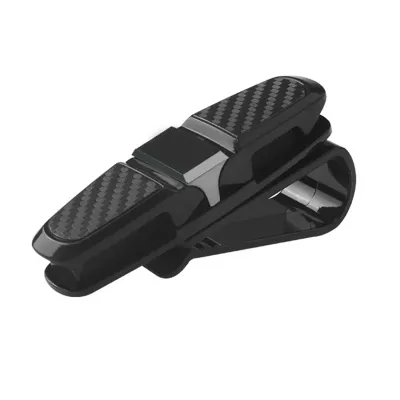
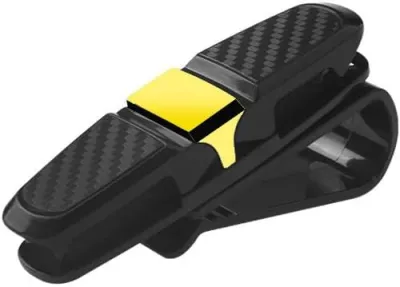

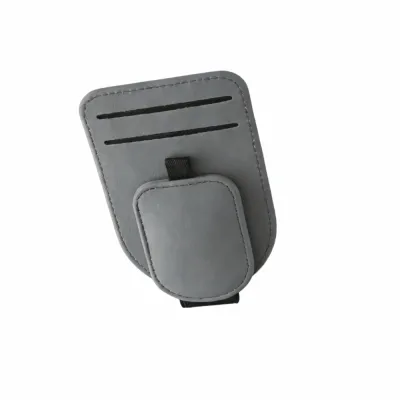
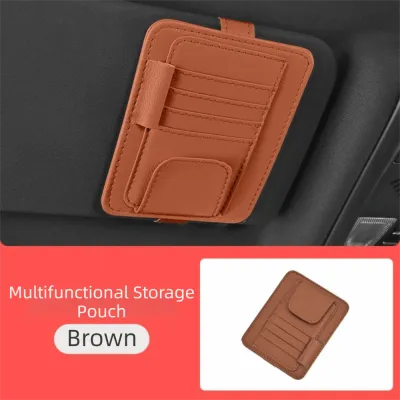
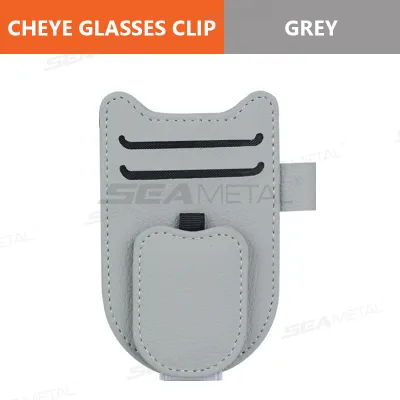
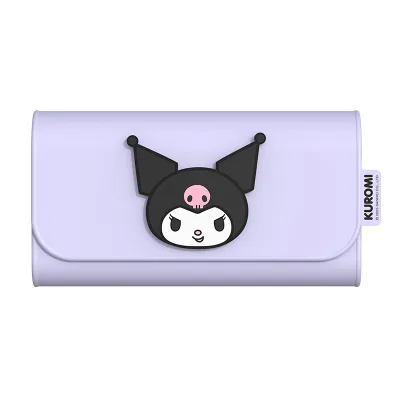
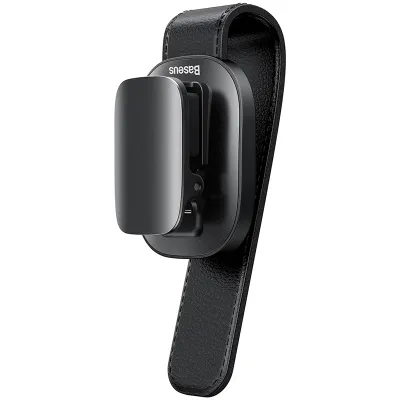
Prices are valid at publication and may change. Please refer to the product page for the latest price.
Heat and UV Exposure
When a car is parked outdoors in Singapore, cabin temperatures can rise rapidly, often exceeding 60 degrees Celsius. Under these conditions, low-grade plastics like PVC or cheap polypropylene can soften, warp, or release volatile organic compounds that leave a greasy film on your windshield. When shopping, check product specifications for heat-resistant materials such as ABS (Acrylonitrile Butadiene Styrene) or structural polycarbonate. These materials maintain their rigidity and structural integrity at much higher temperatures, ensuring the holder will not deform or lose its grip over time.
Vibration and Grip
Local roads feature numerous speed humps, strip humps, and occasional uneven surfaces due to ongoing roadworks. A car glasses holder must feature a secure internal grip to prevent your eyewear from rattling or falling out during transit. Look for holders lined with dense EVA (Ethylene-Vinyl Acetate) foam, soft silicone inserts, or microfiber flocking. These materials provide a dual benefit: they absorb road vibrations to eliminate annoying cabin rattles, and they protect delicate lens coatings—such as anti-reflective or polarized layers—from micro-scratches caused by friction.
Capacity and Dimensions
Eyewear styles vary significantly, from thin metal-framed reading glasses to thick acetate fashion sunglasses and wrap-around sports eyewear. A common mistake is purchasing a holder with a fixed slot that cannot accommodate wider frames. Before buying, measure the maximum depth of your folded sunglasses, particularly the distance from the front frame to the folded temple arms. Ensure the holder’s internal dimensions or clip clearance can accommodate this thickness without forcing the frame, which can cause structural stress or misalignment over time.
Safety and Fitment Checks Before Installation
Before installing any aftermarket accessory in your vehicle, you must evaluate its impact on safety systems and interior materials. A poorly placed holder can become a dangerous projectile in an accident or cause permanent damage to your car’s cabin.

Airbag Deployment Zones
This is the most critical safety consideration. Never mount adhesive, magnetic, or mechanical glasses holders on or near designated airbag deployment zones. This includes the passenger-side dashboard, the A-pillars, and the steering wheel hub. In the event of an airbag deployment, any object placed in these zones can be launched into the cabin at high speed, posing a severe risk of injury. Consult your vehicle’s owner’s manual to identify the exact locations of all Supplemental Restraint System (SRS) airbags before choosing a mounting spot.
Visor Structural Limits
Sun visor clips are highly popular, but they are not universally compatible with all vehicles. Check the thickness and construction of your sun visor. Some modern vehicles feature thick visors with integrated vanity lights, garage door openers, or slide-out extensions. Applying a heavy, tight-fitting metal clip can pinch internal wiring, crack plastic vanity mirror housings, or permanently stretch the visor’s fabric or leather wrapping. Additionally, ensure the added weight of the holder and glasses does not exceed the holding capacity of the visor’s internal hinge, which can cause the visor to sag into your field of vision.
Adhesive Residue Risks
Dashboard and console mounts often rely on double-sided adhesive pads to stay in place. However, the combination of high cabin heat and strong adhesives can lead to chemical reactions with your dashboard’s vinyl, leather, or soft-touch plastic coatings. This can result in permanent discoloration, bubbling, or a sticky residue that is incredibly difficult to remove. To protect your interior, test any adhesive on a hidden area first, or consider using non-slip silicone pads or removable mounting putty designed specifically for automotive use, which rely on friction rather than chemical adhesives.
Top Styles of Car Glasses Holders and Their Best Use Cases
Car glasses holders generally fall into three main design categories. Understanding how each style interacts with your cabin’s layout and your daily driving habits will help you select the most practical option.
Sun Visor Clips and Slide-In Slots
Sun visor clips are the most common and accessible style of glasses holder, designed to slide directly onto the driver’s or passenger’s sun visor.
- Best for: Drivers who want immediate, eye-level access to their sunglasses and prefer to keep their dashboard and center console completely clear of clutter.
- Checks: Verify the clip's clamping mechanism. Magnetic closures are convenient but may not hold heavy, thick-framed glasses securely over speed humps. Spring-loaded clips offer a tighter grip but require two hands to operate safely.
- Limits: If your visor is frequently used to block side-angle sunlight, a clip-on holder can become awkward, as the glasses may slide out or shift when the visor is swung to the side window.
Console and Dashboard Mounts
These holders are designed to sit flat on top of the dashboard or within the center console storage trays, utilizing adhesives, weighted bases, or friction pads.
- Best for: Vehicles with fragile or unusually thick sun visors, or drivers who wear prescription driving glasses and need a permanent, easily reachable storage spot.
- Checks: Ensure the footprint of the holder does not block essential controls, such as the hazard light button, climate control vents, or the infotainment screen.
- Limits: Dashboard-mounted holders expose your glasses to direct sunlight through the windshield, which can cause the frames and lenses to heat up significantly. They also require high-quality adhesives that can withstand constant thermal expansion.
Seat Gap Fillers and Door Pocket Inserts
These alternative storage solutions utilize the unused space between the front seats and the center console, or fit directly into the door side pockets.
- Best for: Drivers who prefer a completely clean dashboard and visor, or those who carry multiple pairs of glasses (such as driving sunglasses and reading glasses) and need extra storage capacity.
- Checks: Ensure the gap filler does not interfere with the manual or power seat adjustment tracks, seatbelt buckles, or the operation of the handbrake.
- Limits: Retrieving glasses from a low-mounted seat gap filler or door pocket requires reaching down, which can divert your eyes from the road. These holders are best accessed while the vehicle is stationary.
How to Verify Compatibility and Quality When Shopping Online
When browsing online marketplaces or e-commerce platforms, it is easy to be misled by generic product descriptions and stock photos. To ensure you receive a product that actually fits your vehicle, follow a systematic verification process.
First, measure your vehicle’s interior dimensions rather than relying on compatibility lists. Use a tape measure to check the thickness of your sun visor at the point where you plan to attach the clip. If you are considering a dashboard mount, measure the flat surface area available to ensure the holder’s base will sit flush without overhang.
Second, scrutinize the product material specifications. Avoid listings that use vague marketing terms like “premium luxury materials” without specifying the actual compounds. Look for explicit mentions of ABS, polycarbonate, high-density silicone, or genuine PU leather. These materials are far more likely to survive the thermal demands of a local vehicle cabin.
Finally, leverage user reviews effectively. Search the review section of e-commerce platforms using keywords relevant to your vehicle make and model, or search for terms like “heat,” “melt,” “rattle,” or “loose.” This will reveal how the product performs in real-world tropical conditions and whether other drivers have experienced issues with adhesive failure or visor damage.
Maintenance and Care for Your Glasses and Holder
To keep your glasses holder functioning properly and to protect your eyewear from environmental damage, establish a simple monthly maintenance routine.
Cleaning the Slots
Over time, dust, road grit, and airborne oils can accumulate inside the holder’s storage slots or clip pads. When you insert your glasses, this grit can act like sandpaper, causing micro-scratches on the lenses or frames. Every month, use a dry microfiber cloth or a soft-bristled brush to gently clean out the interior of the holder, removing any debris.
Inspecting Mounts
Regularly inspect the mounting mechanism of your holder. For visor clips, check that the metal or plastic spring has not lost its tension. For adhesive dashboard mounts, inspect the edges of the adhesive pad to ensure it is not lifting, sliding, or melting. Replacing a worn adhesive pad early prevents the holder from falling off while you are driving.
Lens Protection
Even the highest-quality holder cannot shield your glasses from the greenhouse effect inside a locked car parked in direct sunlight. If you must park your vehicle outdoors for an extended period, do not leave your sunglasses exposed in a visor clip or dashboard mount. Instead, place them inside a protective microfiber pouch or hard case, and store them in the glovebox or center console, which remain slightly cooler than the upper dashboard area.
Frequently Asked Questions (FAQ)
Can I leave my sunglasses in the car holder under direct sunlight?
It is highly discouraged to leave your sunglasses in a dashboard or visor holder when your car is parked in direct sunlight for extended periods. The intense heat buildup inside a sealed cabin can reach temperatures well above 60 degrees Celsius. This extreme heat can warp plastic and acetate frames, cause metal frames to become hot enough to burn your skin, and degrade delicate lens treatments. Specifically, high temperatures can cause anti-reflective coatings to crack, polarized films to delaminate, and UV-protective layers to break down. When parking outdoors, always transfer your eyewear to a hard case and store it in a shaded area like the glovebox.
Will a visor clip damage my car's sun visor over time?
Yes, a poorly designed or overly heavy visor clip can cause permanent damage to your sun visor. Heavy metal clips or those with extremely tight spring tension can leave deep, irreversible indentations in leather, vinyl, or fabric visors. Over time, the constant downward weight can also strain the visor’s internal friction hinge, causing it to lose its grip and sag, which can dangerously obstruct your forward view. To prevent this, choose lightweight holders made of ABS plastic with wide, padded contact surfaces that distribute the clamping force evenly. Additionally, consider removing the holder if you plan to leave the vehicle unused for several weeks.
Community discussion
Share your experience or ask a question. Comments are reviewed before publication.