
Solid, ceramic, and plaster-based car fragrance perfumes are generally the most stable and effective options for Singapore’s hot and humid climate. Unlike liquids or gels, these solid-state formats do not liquefy, leak, or evaporate at an accelerated rate when a vehicle is parked under direct sunlight. Choosing the right format is essential for maintaining a pleasant cabin environment without risking damage to your vehicle’s interior surfaces.
Singapore’s tropical climate presents unique challenges for automotive air fresheners. High ambient temperatures combined with intense humidity can turn a standard car fragrance perfume into a liability, causing rapid depletion, physical deformation, or chemical breakdown. By understanding how different fragrance carriers react to heat, drivers can make informed decisions that balance longevity, scent quality, and safety.
This guide evaluates the most common car fragrance formats, detailing how they perform under extreme cabin conditions. We will explore the physical stability of solids, the risks associated with liquids and gels, and the practical steps you can take to protect your car’s interior while enjoying a consistent scent.
Products mentioned in this guide
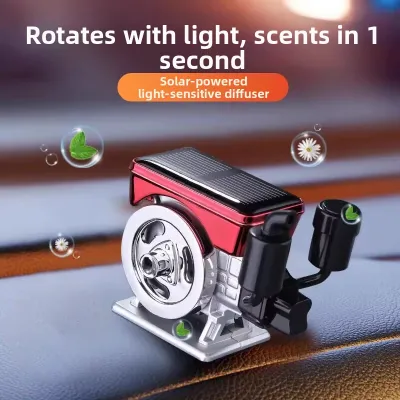
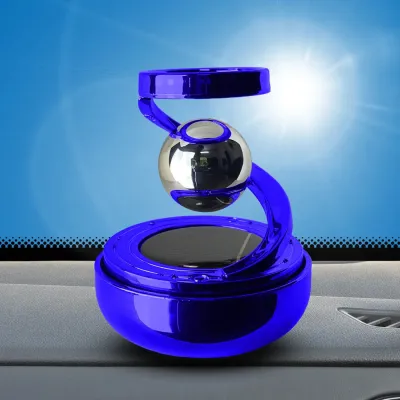
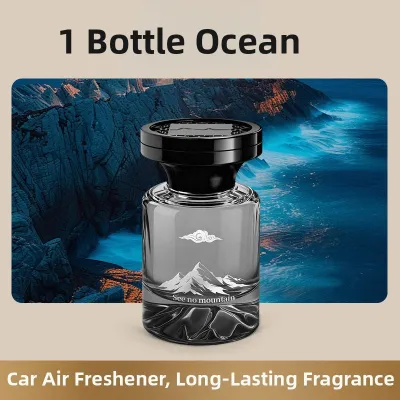
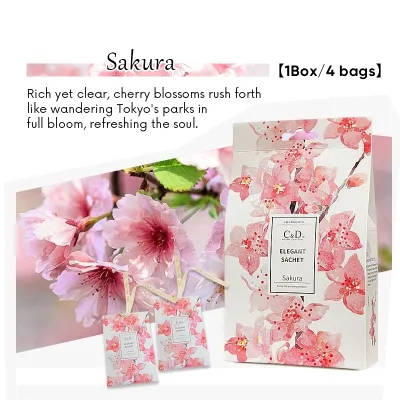
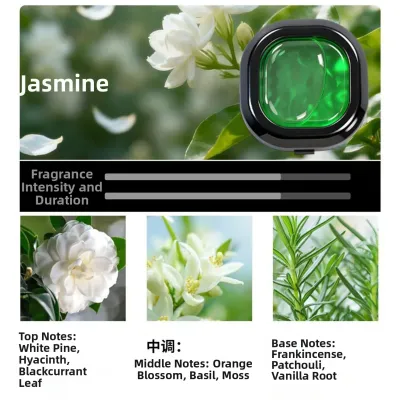

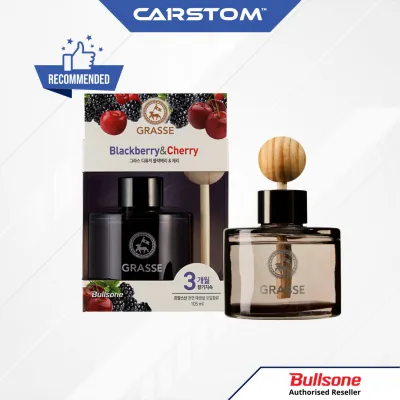
Prices are valid at publication and may change. Please refer to the product page for the latest price.
How Tropical Heat and Humidity Affect Car Fragrances
When a vehicle is parked in an open-air carpark or an unsheltered surface lot in Singapore, the cabin acts as a greenhouse, trapping solar radiation. Within an hour, internal temperatures can rise significantly higher than the outdoor ambient temperature, sometimes reaching up to 60°C or more on the dashboard. This extreme heat dramatically accelerates the kinetic energy of fragrance molecules, causing them to evaporate at an uncontrolled rate. As a result, a product designed to last a month in a temperate climate may deplete entirely within a week.
Humidity adds another layer of complexity to fragrance preservation. Singapore’s high relative humidity introduces moisture into the cabin air, which can saturate porous carrier materials like cardboard, wood, or open-cell gels. When these materials absorb moisture, their physical structure can warp or degrade, which in turn alters the rate and quality of scent release. In some cases, high humidity can cause the fragrance carrier to harbor mold or mildew if left in a damp, unventilated cabin for extended periods.
Furthermore, high temperatures can compromise the chemical stability of the fragrance oils themselves. Heat breaks down the complex organic compounds in both synthetic and natural essential oils, leading to chemical degradation. This process often distorts the scent profile, causing the fragrance to smell sour, overly metallic, or unpleasantly chemical. To avoid these issues, solid and ceramic formats generally offer the best physical stability in heat, while liquids and gels require strict placement checks to prevent melting, leaking, or rapid evaporation.
Comparing Car Fragrance Formats for High-Temperature Durability
Selecting a car fragrance perfume for a tropical climate requires a careful comparison of how different physical states react to heat. Fragrances are delivered through various mediums, including solids, liquids, gels, and impregnated papers. Each format has a distinct threshold for thermal tolerance, evaporation control, and physical containment.

To make an informed choice, drivers should evaluate products based on their physical state changes under heat, their evaporation rates, and their potential spill risks. While marketing materials often promise universal durability, actual performance depends heavily on the physical properties of the carrier material. Drivers must verify all performance claims against the manufacturer’s temperature specifications printed on the packaging rather than relying on generic marketing terms.
Solid, Ceramic, and Plaster Diffusers
Solid-state car fragrance perfumes, such as ceramic blocks, plaster tablets, and infused polymer sticks, represent the most heat-resistant options available. Because these formats do not contain free-flowing liquids or volatile gel bases, they are physically incapable of melting, boiling, or leaking, even when cabin temperatures soar. This makes them exceptionally safe for use on or near sensitive interior surfaces.
The scent in these diffusers is typically bound within a porous matrix, which regulates the release of fragrance molecules. While the physical structure remains completely stable, the rate of scent throw will still fluctuate depending on cabin temperature and air conditioning usage. When you first enter a hot, parked car, the scent may feel highly concentrated because the heat has drawn the fragrance to the surface of the material. Once the air conditioning cools the cabin, the scent release stabilizes to a more subtle, consistent level.
Before purchasing a solid or ceramic diffuser, always check the product label for the manufacturer’s maximum operating temperature limits and structural integrity warnings. Some lower-quality polymer plastics used to hold solid inserts can soften or warp under extreme heat, so ensuring the housing material is as durable as the fragrance insert is crucial.
Liquid and Gel-Based Fresheners
Liquid perfumes and gel-based air fresheners are highly popular due to their strong initial scent throw, but they present significant challenges in hot climates. Liquid fragrances rely on alcohol or oil carriers that expand when heated. In a sealed, hot cabin, this expansion can build pressure inside the container, leading to leaks through seals, caps, or even cracks in glass and plastic housings.
Gels face a similar vulnerability known as liquefaction. Under sustained high temperatures, the gelling agents can break down, transforming a firm, semi-solid gel into a runny liquid. If the container is tilted or positioned on an uneven surface, this liquefied gel can easily spill out. The chemical solvents, synthetic dyes, and concentrated oils found in these products are highly corrosive to automotive interiors. A single spill can strip the protective coatings off dashboard plastics, cloud digital screens, dissolve adhesive backings, or permanently stain and harden leather upholstery.
If you choose to use liquid or gel formats, it is vital to establish safe placement zones away from direct sunlight and airbag deployment areas. Always verify the manufacturer’s leak-proof design claims and look for specific temperature warnings on the packaging before placing them in your vehicle.
Vent Clips and Hanging Cards
Vent clips and hanging paper cards are convenient, low-cost options, but their effectiveness is highly dependent on cabin airflow and environmental exposure. Vent clips are designed to clip directly onto the air conditioning vent blades, relying on active AC airflow to distribute the scent throughout the cabin. This means that when the vehicle is parked or the AC is turned off, the scent delivery drops to almost zero, which can help conserve the fragrance.
However, hanging cards and liquid-filled vent clips are highly vulnerable to rapid evaporation when exposed to direct sunlight. Hanging a paper card from the rearview mirror places it directly in the path of intense UV rays and solar heat passing through the windshield. This exposure dries out the impregnated paper rapidly, often reducing a multi-week lifespan to just a few days. Liquid vent clips exposed to direct sunlight can also experience accelerated evaporation and pressure buildup.
Additionally, before buying a vent clip, you should inspect the clip mechanism to ensure compatibility with your vehicle’s specific vent blade design. Some clips feature rigid plastic or metal prongs that can scratch delicate vent surfaces or break fragile directional blades if forced into place.
Key Specifications and Labels to Check Before Buying
When shopping for a car fragrance perfume, reading the product packaging carefully can save you from premature product failure and potential interior damage. Look for clear temperature thresholds specified by the manufacturer. High-quality automotive accessories often list an operating temperature range, indicating that the product has been designed to withstand the typical heat levels of a parked vehicle.
In addition to temperature limits, check for material safety certifications and warnings regarding contact with automotive surfaces. Look for labels that indicate the formulation is non-corrosive or safe for use around plastics and leather. Avoid products that lack clear ingredient disclosures or safety instructions, as these are more likely to contain harsh solvents that can damage your cabin if a leak occurs.
Be cautious of relying solely on vague marketing terms like “long-lasting,” “tropical formula,” or “lasts up to 90 days.” These claims are almost always based on controlled laboratory testing at moderate, stable temperatures. In Singapore’s actual climate, the real-world lifespan will be significantly shorter. Instead, look for physical design features that allow you to control the exposure, such as adjustable vents, sealable housings, or solid-state carriers. Finally, inspect the packaging for secure sealing mechanisms to ensure the product has not leaked or lost its potency during transit or storage before purchase.
Safe Placement and Maintenance in a Hot Cabin
Proper placement of your car fragrance perfume is just as important as choosing the right format. To maximize the lifespan of the product and protect your vehicle, define safe zones within the cabin. Shaded, lower areas are ideal because they remain significantly cooler than the top of the dashboard. Consider placing your fragrance in the lower center console, inside a door pocket, or using an under-seat bracket. These locations keep the product out of direct sunlight while still allowing air circulation to distribute the scent.
Conversely, high-risk zones must be avoided entirely. Never place a liquid or gel fragrance on the upper dashboard, directly under the windshield, or hanging from the rearview mirror where solar heat is most intense. Furthermore, never mount any fragrance accessory on or near airbag deployment covers, as these can become dangerous projectiles in the event of a collision.
Maintaining your car fragrance involves routine inspections. Make it a habit to check the physical condition of the product every few weeks. Look for early signs of melting, cracking plastic housings, residue buildup, or discoloration of the surrounding interior trim.
If you detect any leakage, physical deformation, or an unusually harsh, chemical odor, stop using the product and remove it from the vehicle immediately. Clean any residue promptly using a clean microfiber cloth and a dedicated automotive interior cleaner approved by your vehicle’s manufacturer. Always consult your vehicle’s owner manual for specific guidelines on cleaning sensitive dashboard plastics, touchscreens, or leather upholstery to prevent accidental damage.
Frequently Asked Questions (FAQ)
Can high heat cause car perfume to damage my vehicle's interior?
Yes, high heat can cause car perfume liquids or liquefied gels to leak, which can severely damage your vehicle’s interior. Many fragrance products contain concentrated essential oils or synthetic chemical carriers that act as solvents. When these substances come into contact with dashboard plastics, leather, or vinyl, they can strip away protective coatings, dissolve finishes, cause bubbling, or leave permanent stains. If a spill occurs, immediately blot the liquid with a clean microfiber cloth. Clean the area using a dedicated automotive interior cleaner approved by your vehicle’s manufacturer, avoiding harsh household detergents or solvents that could worsen the damage.
Does using the air conditioning make my car fragrance last longer?
Yes, using the air conditioning can help extend the physical lifespan of your car fragrance perfume. Lowering the cabin temperature slows down the evaporation rate of liquid and gel-based products, preventing them from depleting too quickly. However, there is a trade-off: cooler temperatures and active AC airflow can also suppress the scent throw of certain fragrance notes, making the perfume smell less intense than it would in a warmer cabin. For the best balance, look for adjustable diffusers or vent clips that allow you to manually control the airflow and scent release based on your driving comfort.

Community discussion
Share your experience or ask a question. Comments are reviewed before publication.