
Selecting a diffuser for car use in Singapore requires balancing fragrance delivery with the realities of a tropical climate. When parked under the intense equatorial sun, a vehicle’s cabin acts as a greenhouse, trapping heat and driving temperatures far above the ambient outdoor level. High relative humidity further complicates how scents disperse, altering the evaporation rates of liquid-based formulas and the structural integrity of solid gels. To find a diffuser that performs reliably without rapid depletion or heat-induced damage, you must evaluate how different formats handle thermal expansion, moisture, and direct sunlight.
The most resilient option for Singapore’s climate is typically a waterless electronic diffuser with a sealed reservoir or a high-quality solid-state vent clip with adjustable airflow controls. These designs minimize the risk of rapid, uncontrolled evaporation and prevent liquid leaks that can damage your car’s interior surfaces. By choosing materials engineered to withstand high temperatures and avoiding open liquid containers, you can maintain a pleasant cabin environment without risking costly damage to your dashboard or air conditioning vents.
How Tropical Heat and Humidity Affect Car Diffusers
The interior of a car parked in Singapore can quickly become an extreme environment. When solar radiation passes through the windshield and side windows, it is absorbed by the dark surfaces of the dashboard, seats, and steering wheel. This heat is then radiated back into the cabin, creating a greenhouse effect that can push internal temperatures well past 60 degrees Celsius on a typical afternoon. For any fragrance delivery system, this extreme heat acts as an accelerator, forcing liquid ingredients to vaporize at a fraction of their intended lifespan.
Products mentioned in this guide



Prices are valid at publication and may change. Please refer to the product page for the latest price.
High relative humidity, which regularly exceeds 80 percent in Singapore, also plays a significant role in how a diffuser functions. In a highly humid environment, the air is already saturated with water vapor, which can slow down the evaporation of water-based scent solutions while paradoxically destabilizing gel-based or solid-state media. Some gel formulations may absorb ambient moisture, leading to structural breakdown, liquefaction, or a rapid loss of scent throw as the active ingredients become diluted. Conversely, dry heat can cause solid blocks to shrink and crack, rendering them ineffective long before their estimated replacement date.
Beyond the rapid depletion of the fragrance itself, extreme cabin heat poses a direct threat to the physical components of the diffuser. Liquid-based systems rely on seals and containers to keep the fragrance oil contained. As temperatures rise, the air and liquid inside these containers expand, creating internal pressure that can force the liquid past seals, threads, or wicks. If the housing is constructed from low-grade plastics, the combination of heat and chemical exposure from the fragrance oils can cause the material to warp, crack, or melt, leading to damaging spills on sensitive cabin plastics and electronics.
Comparing Car Diffuser Formats for Tropical Conditions
To choose the right diffuser for car use in tropical climates, you must compare how different formats manage the dual challenges of heat and humidity. The ideal format should offer precise control over how the fragrance is released, preventing the rapid, wasteful evaporation that occurs when a liquid is constantly exposed to high temperatures. It must also feature robust construction that resists leaking, warping, or degrading when subjected to daily thermal cycles.

The four primary formats available to drivers are vent clips, dashboard units, hanging bottles, and USB or electronic diffusers. Each format interacts differently with your vehicle’s climate control system and interior layout. While some rely on passive evaporation driven by ambient heat and airflow, others use active mechanical or electronic dispersion to deliver a consistent scent regardless of the weather outside. Evaluating these mechanisms is key to finding a solution that is both safe and cost-effective.
Vent Clips and Dashboard Diffusers
Vent clips are a popular choice because they utilize the vehicle’s air conditioning system to distribute fragrance throughout the cabin. When the air conditioning is running, the cool airflow helps regulate the temperature of the diffuser housing, keeping evaporation rates stable. However, when the vehicle is parked and the system is turned off, the vent clip remains exposed to the rising ambient heat of the cabin. If the vent clip contains a liquid reservoir, this heat can cause the liquid to expand and leak down the air conditioning louvers. Because many fragrance oils contain solvents that can dissolve or stain automotive plastics, a leak on the vent slats can cause permanent cosmetic damage.
Dashboard diffusers, which sit directly on top of the instrument panel, face even harsher conditions. This position receives the most direct sunlight of any spot in the vehicle, subjecting the diffuser to maximum thermal stress. Low-grade plastic housings on dashboard units are highly susceptible to warping, discoloration, or melting under these conditions. Furthermore, dashboard units often rely on adhesive pads to stay in place; under extreme heat, these adhesives can liquefy, causing the unit to slide during sudden stops or sharp turns. This creates a significant spill hazard, as loose liquid fragrance can easily damage the dashboard material or interfere with electronic controls.
Hanging Diffusers and USB/Electronic Options
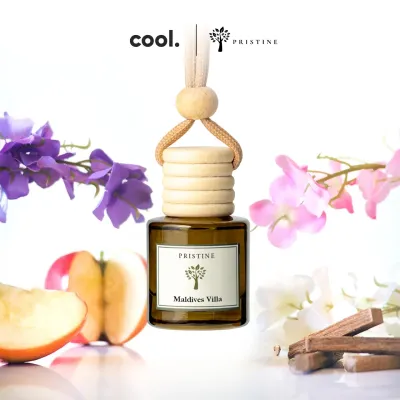
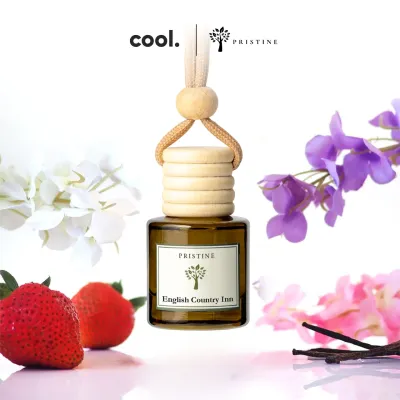
Hanging diffusers, typically suspended from the rearview mirror, usually consist of a small glass bottle with a wooden cap that absorbs and disperses the fragrance oil. While these systems avoid direct contact with sensitive plastic surfaces, they present other risks in a tropical climate. The constant motion of the vehicle causes the bottle to swing, which can lead to accidental spills if the wooden cap becomes oversaturated or loose. Additionally, the wooden cap itself is subject to rapid degradation; the combination of high humidity and intense heat can cause the wood to swell, crack, or develop mold, which alters the scent profile and compromises the structural integrity of the closure.
USB and electronic diffusers represent a more modern approach, using ultrasonic vibration or heatless atomization to disperse dry fragrance particles. Because these devices do not rely on passive evaporation, they offer excellent control over scent intensity and can be turned off completely when the vehicle is parked. However, their electronic nature introduces specific safety considerations for hot climates. If the electronic diffuser contains an internal lithium-ion battery for wireless operation, leaving it in a hot car can lead to battery degradation or, in extreme cases, thermal runaway. Drivers opting for electronic units should select models that run directly on USB power without an internal battery, or ensure they remove the device from the vehicle when parking in unsheltered areas.
Key Specifications and Labels to Check Before Buying
When shopping for a diffuser for car use, reading the product packaging and technical specifications is essential to ensure the device can withstand tropical conditions. Look for clear indications of the materials used in the construction of the housing. High-grade materials such as anodized aluminum, borosilicate glass, and heat-resistant polymers like polybutylene terephthalate (PBT) or high-density polyethylene (HDPE) are much more stable under thermal stress than cheap polystyrene or low-grade ABS plastics. If the packaging does not specify the materials, inspect the unit physically for solid construction and robust seals.
Another critical feature to verify is the presence of adjustable evaporation controls or a completely sealed reservoir design. Diffusers that allow you to manually close or restrict the scent vents when the car is parked help preserve the fragrance and prevent pressure-driven leaks. For liquid-based systems, look for designs that feature anti-leak valves or specialized membrane barriers that allow scent molecules to pass through while keeping the liquid securely contained, even if the unit is tipped over or subjected to high temperatures.
Finaly, always check the manufacturer’s safety warnings and temperature limits printed on the label or instruction manual. Reputable manufacturers will specify the maximum operating and storage temperatures for their products. If a diffuser is labeled as unsuitable for temperatures exceeding 50 degrees Celsius, it is not designed to survive a parked car in Singapore’s open-air parking lots. Additionally, look for labels that explicitly state the product is leak-proof or designed specifically for high-temperature automotive environments.
Maintenance and Safety Practices for Hot Climates
To maximize the lifespan of your car diffuser and protect your vehicle’s interior, you must adopt proactive maintenance and safety habits tailored to hot climates. Whenever possible, park your vehicle in shaded areas, multi-storey car parks, or basement facilities to shield the cabin from direct solar radiation. If you must park in an open lot, utilizing a high-quality reflective sunshade on your windshield can significantly lower the peak temperature of your dashboard and steering wheel, reducing the thermal stress on any mounted diffusers.
Regularly inspecting your diffuser is another crucial practice. Make it a habit to check the device at least once a week for any signs of physical degradation. Look for warping of the plastic housing, cracks in glass components, or signs of oil weeping around seals and joints. If you notice that the fragrance liquid has changed color, become unusually thick, or developed a cloudy appearance, this indicates that the heat has altered the chemical composition of the oil, and the cartridge should be replaced immediately to prevent unpleasant odors or potential chemical damage.
If you ever observe that an electronic diffuser is hot to the touch when not in use, or if a liquid diffuser shows signs of structural failure, stop using the device immediately. Remove it from the vehicle and consult the manufacturer’s customer service or user manual for guidance. It is always safer to discard a compromised diffuser than to risk a costly repair bill for a damaged dashboard, ruined air conditioning vents, or short-circuited cabin electronics.
Frequently Asked Questions (FAQ)
Can I leave a liquid car diffuser in a parked car under the sun?
Leaving a liquid car diffuser in a vehicle parked under direct sunlight is generally not recommended unless the product is explicitly rated for extreme temperatures. The greenhouse effect inside a closed vehicle can cause the air and liquid inside the diffuser to expand rapidly, building up pressure that can force the liquid out of its container. Before leaving your car parked for extended periods, check the manufacturer’s temperature thresholds. If you must leave a liquid diffuser in the car, ensure it has a highly secure, leak-proof seal, or consider placing it in a shaded glove compartment or console box out of direct sunlight.
Do solid or gel diffusers last longer in humid weather than liquid ones?
Solid and gel diffusers can sometimes offer better leak resistance than liquids, but their longevity in humid weather depends heavily on their specific formulation. High humidity can cause some gel diffusers to absorb moisture from the air, which can dilute the fragrance and accelerate the breakdown of the gel structure, leading to a shorter lifespan. Conversely, solid ceramic or polymer-based diffusers tend to hold up better because they do not melt or liquefy under typical cabin temperatures. When choosing a solid or gel option, check the product label for climate suitability and expected lifespan, and place the unit away from direct sunlight and active air conditioning vents to ensure a steady, controlled release of scent.

Community discussion
Share your experience or ask a question. Comments are reviewed before publication.