
Singapore’s tropical climate presents a unique challenge for maintaining a pleasant cabin scent. With outdoor temperatures regularly exceeding 30°C and humidity levels hovering around 80%, the interior of a parked car can quickly transform into a high-heat chamber. Standard car diffusers that perform well in temperate climates often struggle here, either evaporating within days or, worse, leaking and damaging sensitive interior surfaces.
Choosing the right car diffuser requires understanding how different formats interact with extreme heat and moisture. While some drivers prefer the immediate impact of liquid vent clips, others opt for the stability of solid gels or the control of electronic devices. The ideal choice depends heavily on your daily parking habits, your vehicle’s interior materials, and how frequently you use your air conditioning system.
By evaluating the structural design, material limits, and safety warnings of each diffuser type, you can select a product that delivers a consistent fragrance without risking damage to your dashboard or upholstery. This guide breaks down how tropical conditions affect various diffuser formats and provides a practical framework for making an informed decision.
Products mentioned in this guide

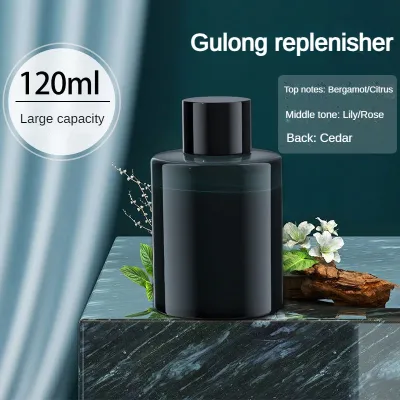
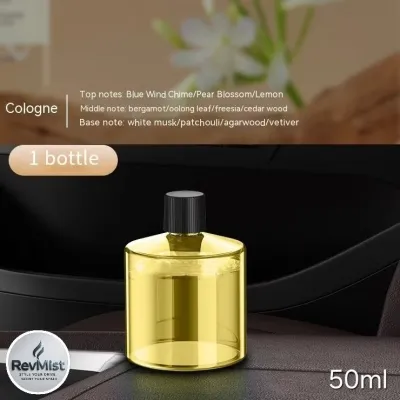
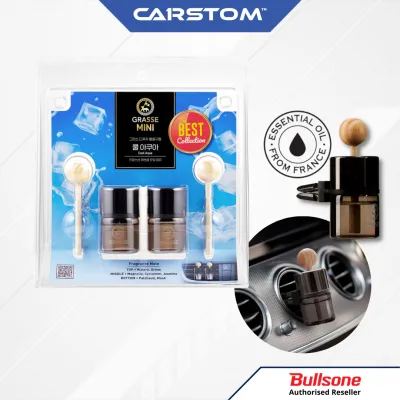
Prices are valid at publication and may change. Please refer to the product page for the latest price.
How Tropical Heat and Humidity Change Diffuser Performance
When a vehicle is parked under the direct sun, the greenhouse effect rapidly intensifies the heat trapped inside the cabin. Temperatures can easily climb to 60°C or higher within an hour, creating an environment that drastically accelerates the evaporation rate of any volatile liquid. For liquid-based car air fresheners, this means a cartridge designed to last a month in cooler climates might empty itself in a matter of days, leading to an overpowering initial scent followed by rapid depletion.
High relative humidity further complicates how fragrances disperse and how materials behave. Moisture-laden air slows down the natural evaporation of water-based elements while accelerating the breakdown of organic carrier materials. For instance, diffusers that rely on untreated wood, cardboard, or porous paper to absorb and slowly release oils can lose their structural integrity, becoming soggy, warped, or prone to mold growth in humid conditions.
Furthermore, extreme temperature fluctuations between a parked, uncooled car and an active, air-conditioned cabin cause materials to expand and contract. Liquids expand significantly when heated, which can build up pressure inside sealed or semi-sealed diffuser bottles. If the container lacks a reliable pressure-relief mechanism or a robust seal, this expansion can force the liquid out through threads, caps, or membranes, resulting in highly concentrated chemical spills on plastic dashboards or leather seats.
Evaluating Diffuser Formats for Hot Climates
To find a diffuser that withstands tropical conditions, you must evaluate how different formats manage heat exposure, moisture, and physical stability. The primary criteria for selection should focus on evaporation control, leak prevention, and the thermal resilience of the housing materials. A diffuser that cannot regulate its release rate in high heat will not only be uneconomical but may also release uncomfortably strong fumes into the enclosed cabin.

Rather than searching for a single universal winner, you should match the diffuser format to your specific parking habits and vehicle usage. A car that is consistently parked in sheltered, multi-storey car parks faces far less thermal stress than one left in open-air surface lots daily. Use the following evaluations of common formats to determine which design aligns best with your typical driving environment and safety priorities.
Vent Clips and Electric Diffusers
Vent clips are among the most popular choices due to their direct integration with the vehicle’s ventilation system. In a hot climate, these clips rely heavily on the active flow of air conditioning to distribute scent, meaning they remain relatively dormant when the car is parked and cool. However, when selecting a vent clip, it is crucial to choose a design with an adjustable flow shutter. This feature allows you to restrict the opening during peak heat periods, preventing the liquid or gel inside from evaporating too quickly when the vehicle is parked outdoors.
Electric diffusers, which typically plug into a 12V accessory socket or a USB port, offer the highest level of evaporation control by using ultrasonic waves or heat pads to disperse fragrance only when powered on. While highly efficient, these devices introduce electrical and battery safety considerations. You must verify the manufacturer’s maximum operating temperature rating, especially if the device contains a built-in lithium-ion battery. Leaving battery-powered electronic devices in a car exposed to intense tropical heat can lead to battery swelling or thermal runaway, so choosing a model that runs solely on direct vehicle power is often the safer approach. Additionally, ensure the device’s mounting position does not interfere with your vehicle’s controls or airbag deployment zones as specified in your vehicle documentation.
Hanging Bottles and Solid Gels
Hanging glass bottles filled with scented oils and topped with a wooden cork rely on the wood absorbing the liquid to diffuse the scent. While aesthetically pleasing, this format carries a high risk of leakage in hot climates due to the expansion of the liquid and the rapid degradation of the cork. Over time, constant exposure to high humidity and heat can cause the wooden cap to crack, shrink, or lose its tight fit, allowing concentrated oils to drip onto the gear console or dashboard. If you choose this format, look for designs that feature a secondary spill-proof membrane or a highly secure, threaded inner cap to prevent accidental spills.
Solid gels and ceramic diffusers offer a much safer alternative regarding leak prevention, as they do not contain free-flowing liquids that can spill during sudden stops or expand under heat. These formats release fragrance as the solid medium gradually shrinks over time. However, solid gels are not entirely immune to tropical heat; lower-quality gel formulations can liquefy or sweat when cabin temperatures peak, leaving a sticky residue. When evaluating these, look for visual cues of high-quality manufacturing, such as heat-resistant housing that contains any potential condensation, and avoid placing them in direct sunlight where the gel matrix might break down prematurely.
What to Check on the Label and Packaging
Before purchasing any car diffuser, it is essential to read the manufacturer’s packaging and labels carefully to verify its suitability for high-temperature environments. Look for explicit operating temperature ranges, which are often printed in the safety or specifications section. A product rated only up to 40°C is highly likely to fail, leak, or degrade rapidly when left in a car parked in an open lot in Singapore, where internal temperatures can easily exceed that threshold.
You should also verify the chemical composition and safety warnings provided by the manufacturer rather than assuming a product is safe based on generic material names. Many diffusers use synthetic solvents or alcohol bases to carry the fragrance, which have lower boiling points and higher flammability risks. Check the label for warnings regarding flammability, heat exposure, and specific instructions on how to handle the product if it is exposed to temperatures above a certain limit.
Pay close attention to placement restrictions detailed on the packaging. Manufacturers of liquid and gel diffusers almost universally include warnings against placing the product in direct sunlight or directly on sensitive plastic and leather surfaces. If a label explicitly states that the product must not be hung from the rearview mirror or clipped to certain types of vents, heed these instructions to avoid chemical reactions that can permanently etch or melt your car’s interior trim.
Safe Placement and Maintenance to Prevent Damage
Proper installation is just as important as choosing the right diffuser format when it comes to preventing interior damage. Avoid placing any diffuser in direct sunlight, such as on top of the dashboard or hanging directly beneath the windscreen, as this maximizes heat absorption and UV exposure. Additionally, ensure the diffuser is mounted well away from airbag deployment zones, steering controls, and sensitive electronic displays where a leak or physical impact could cause safety hazards or expensive electrical failures.
Maintaining your diffuser involves conducting routine inspections to catch potential issues before they cause damage. Every few weeks, check the mounting point for any signs of residue buildup, oil weeping, or material warping. If you notice that the plastic housing of a vent clip is becoming brittle or that a hanging bottle’s cord is fraying, replace the unit immediately. It is also wise to monitor changes in fragrance intensity; a sudden, overwhelming burst of scent often indicates that a seal has failed or that the product is evaporating at an unsafe rate due to heat exposure.
Establish clear stop conditions for your diffuser usage to protect your vehicle’s cabin. If you observe any melting of gel components, leakage of liquid, or discoloration on the surrounding interior surfaces, remove the diffuser immediately. Clean any spilled liquid using only the manufacturer’s authorized cleaning instructions or a mild, material-safe cleaner, as harsh chemicals can worsen dashboard damage. If damage has occurred to leather or soft-touch plastics, consult a professional automotive detailer or the vehicle manufacturer before attempting DIY repairs.
Frequently Asked Questions (FAQ)
Can I leave a liquid car diffuser in my car overnight?
Leaving a liquid car diffuser in your vehicle overnight is generally safe, provided the container is completely sealed and positioned away from direct heat sources. During the night, Singapore’s high relative humidity can cause moisture to collect on the exterior of the diffuser, which may mix with any residual oil on the cap and drip onto your dashboard. To minimize this risk, ensure the diffuser has a secure, leak-proof sealing mechanism and is mounted upright. If you park in an unshaded area where the morning sun will immediately hit the car, consider removing liquid diffusers or placing them in a glove compartment overnight to prevent rapid expansion and leakage as soon as the sun rises.
Do solid gel diffusers melt in extreme heat?
High-quality solid gel diffusers are formulated to resist melting and should only shrink as the fragrance carrier evaporates over time. However, lower-grade gels or those exposed to temperatures exceeding their designed thermal limits can undergo structural melting, turning back into a semi-liquid state or sweating heavily. Visual indicators that a gel diffuser has exceeded its thermal limits include a watery layer pooling at the bottom of the container, a cloudy or discolored appearance, or a sudden loss of its original shape. If you observe any of these signs, discard the product immediately to prevent the liquefied gel from spilling or releasing concentrated chemical vapors.
Are essential oil diffusers safe for car interiors in hot weather?
Pure, concentrated essential oils can be highly corrosive to automotive plastics, vinyl, leather, and dashboard coatings, especially when subjected to high heat. When heated inside a closed cabin, these oils can soften plastics, strip protective clear coats, and cause permanent staining or cracking on leather surfaces. If you choose to use essential oils, always ensure they are properly diluted in a heat-stable carrier oil as specified by the manufacturer, and use a dedicated, leak-proof containment system. In the event of an accidental spill, wipe up the oil immediately with a dry microfiber cloth and clean the area with a mild, material-safe soap solution to prevent the oil from bonding with and damaging the interior surfaces.

Community discussion
Share your experience or ask a question. Comments are reviewed before publication.