
Selecting the ideal car diffuser bottle in Singapore requires finding a balance between aesthetic appeal and structural durability. The combination of intense tropical heat and high relative humidity creates a challenging environment inside a parked vehicle. To ensure your fragrance diffuses consistently without leaking, degrading, or evaporating in a matter of days, you need a bottle specifically engineered to withstand these demanding conditions.
The most reliable car diffuser bottle type for Singapore’s climate is a thick, UV-resistant borosilicate glass or high-grade treated metal bottle equipped with a secure screw-thread cap and a high-quality silicone seal. These materials resist structural warping under extreme temperatures, while the robust sealing mechanism accommodates the natural thermal expansion of fragrance oils. When paired with an adjustable diffusion control—such as a dense wooden cap or a mechanical vent-clip regulator—this setup ensures steady scent release and prevents messy, damaging spills.
How Heat and Humidity Affect Car Diffuser Bottles
When a vehicle is parked under direct sunlight in Singapore, such as in an open-air carpark or an outdoor shopping space, cabin temperatures can quickly escalate. Within an hour, internal temperatures can easily exceed 60 degrees Celsius, creating a miniature greenhouse effect. This intense heat dramatically accelerates the kinetic energy of liquid molecules, causing fragrance oils and alcohol-based carrier liquids to evaporate at an unsustainable rate.
Products mentioned in this guide
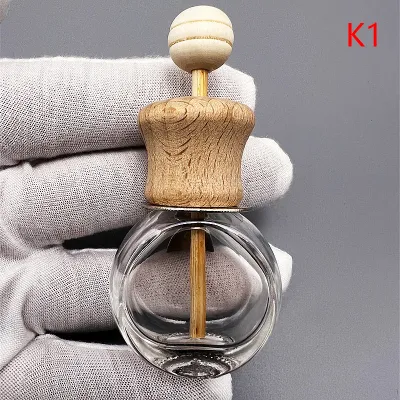
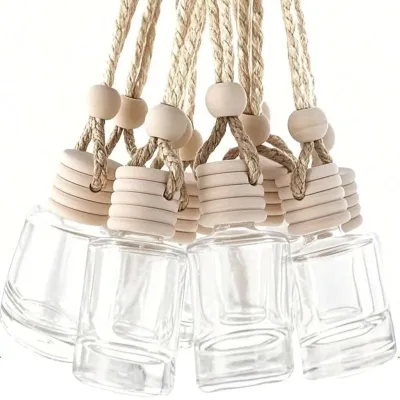
![[LOCAL] Aircon Vent Clip Diffuser Empty Car Perfume Bottle](https://img.lazcdn.com/g/p/05842b3abcff10776468e4b1d80ebe6c.jpg_400x400q80.jpg_.webp)
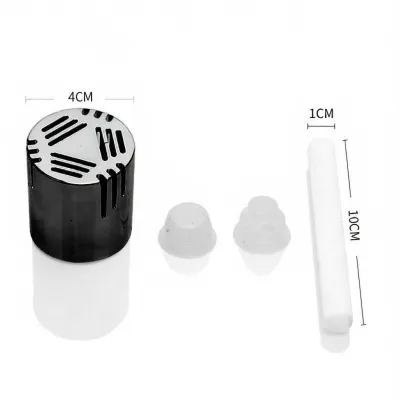
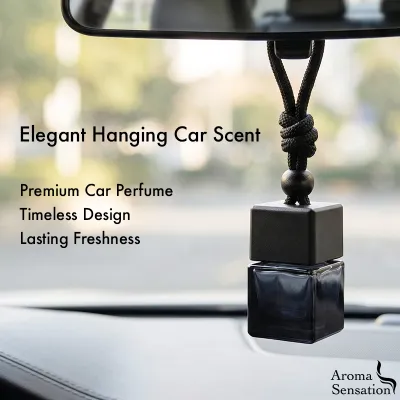
![[ARORAH] 15ml Car Perfume Reed Diffuser With Air Vent Clip – No Tilt Needed Car Perfume Bottle](https://img.lazcdn.com/g/p/598708496e360f4c67b027142bd1a157.jpg_400x400q80.jpg_.webp)
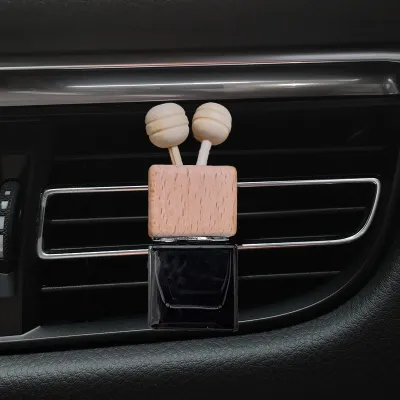
Prices are valid at publication and may change. Please refer to the product page for the latest price.
This extreme thermal environment also triggers the physical expansion of the liquid inside the diffuser bottle. As the temperature rises, the liquid and the air trapped inside the container expand, significantly increasing the internal pressure. If the bottle’s seal or cap is weak, this pressure forces the liquid outward through the threads or diffusion apertures, leading to persistent leaks that can damage your dashboard, center console, or upholstery.
Simultaneously, high ambient humidity and constant ultraviolet (UV) radiation take a toll on the physical integrity of the bottle itself. Low-grade plastics exposed to these conditions often undergo polymer degradation, which can manifest as warping, discoloration, or structural cracking. More critically, extreme heat can cause low-quality plastic containers to leach synthetic chemical compounds directly into the fragrance oil, altering its scent and potentially releasing unwanted airborne particulates into the cabin.
Prolonged exposure to high temperatures can alter the chemical composition of the fragrance oils themselves. Complex scents rely on a delicate balance of top, middle, and base notes with varying volatility. Excessive heat degrades these aromatic compounds, causing the brighter top notes to dissipate almost instantly and leaving behind a flat, distorted, or unpleasantly heavy scent profile that bears little resemblance to the original product.
Key Material and Design Features to Look For
To successfully navigate these environmental challenges, you must look beyond basic aesthetics and evaluate the specific material properties and mechanical designs of potential car diffuser bottles. Investing in a properly engineered container ensures both safety and long-term performance.

Evaluating Bottle Materials
When assessing bottle materials for heat resistance and UV stability, thick borosilicate glass, soda-lime glass, and anodized aluminum stand out as the premier choices. High-quality glass is chemically inert, meaning it will not react with concentrated essential oils or alcohol carriers, and it easily tolerates temperatures far exceeding those found in any parked car. Anodized metals offer similar heat resistance while providing complete protection against UV rays, which can otherwise break down sensitive fragrance molecules.
Rather than relying solely on generic material names, always check the manufacturer’s product documentation or packaging labels for specific temperature thresholds and UV-resistance claims. Reputable brands will explicitly state if their glass is thermal-shock resistant or if their plastic components are rated for high-temperature automotive environments.
You should actively avoid thin, low-grade plastics such as standard polyethylene terephthalate (PET) or polystyrene (PS) for long-term use in hot cabins. Under sustained temperatures above 50 degrees Celsius, these materials can soften, lose their structural shape, and fail at the threaded neck, leading to sudden spills. Furthermore, the chemical interaction between concentrated essential oils and low-grade plastics can slowly dissolve the inner walls of the container over time.
Cap, Seal, and Spill-Proof Designs
The closure mechanism is the primary line of defense against heat-induced leaks. When comparing closure types, screw-thread caps paired with internal silicone O-rings are vastly superior to simple snap-on lids or press-fit plastic caps. The mechanical threading provides a secure clamp that resists internal pressure build-up, while the silicone gasket conforms to surface irregularities to maintain an airtight seal even as the bottle expands and contracts.
Another critical feature to look for is a high-quality spill-proof inner plug or restrictor disc. These components sit directly inside the bottle neck, limiting the liquid’s movement and allowing only a controlled amount of oil to reach the diffusion medium. If the vehicle travels over speed bumps, takes sharp turns, or if the bottle is accidentally tipped over, the restrictor disc prevents a catastrophic spill while still allowing the scent to escape.
Before finalizing a purchase, carefully inspect the bottle’s threading for clean, deep grooves and verify that the seal sits flush within the cap. Heat-induced pressure will invariably find and exploit the weakest point of any closure, making robust construction at the neck and cap interface non-negotiable for tropical climates.
Diffusion Control Mechanisms
Controlling the rate of evaporation is essential to prevent your fragrance from depleting within a few days of hot weather. Adjustable diffusion features, such as porous wooden caps crafted from dense hardwoods like beech or ash, work by absorbing a small, controlled amount of oil and releasing it gradually through natural evaporation. These wooden caps act as a buffer, slowing down the release rate even when cabin temperatures spike.
Alternatively, mechanical vent clips featuring adjustable louvers or sliding vents allow you to physically restrict the airflow passing over the diffusion medium. By closing the vents slightly during the hottest parts of the day or when parking outdoors, you can significantly extend the lifespan of your fragrance.
Using restrictor plugs with smaller aperture sizes is another highly effective tactic for tropical climates. By narrowing the physical opening through which the liquid can evaporate, you counteract the natural acceleration caused by Singapore’s high ambient heat, ensuring a steady, subtle scent profile rather than an overwhelming burst of fragrance that quickly fades to nothing.
Safe Placement and Installation Inside the Vehicle
Even the most resilient car diffuser bottle can fail or cause issues if installed incorrectly. Proper placement is essential to minimize heat exposure, ensure driver safety, and protect your vehicle’s interior surfaces from accidental damage.
You should strongly avoid placing any diffuser bottle directly on the dashboard, the steering column, or the rear parcel shelf. These areas act as direct thermal traps, receiving uninterrupted solar radiation through the windscreen and rear glass. Not only does this accelerate chemical degradation and evaporation, but it also increases the risk of the bottle becoming a dangerous projectile in the event of sudden braking or a collision.
Instead, opt for cooler, shaded areas of the cabin. Air vent clips are highly recommended because they position the diffuser directly in the path of the air conditioning system’s cool airflow, which helps regulate the temperature of the bottle and evenly distributes the scent throughout the cabin. Alternatively, securely mounted hanging diffusers positioned away from direct sunlight—such as suspended from a rear-seat grab handle—offer a stable environment.
When installing your diffuser, you must observe critical safety boundaries to protect yourself and your passengers. Never mount or hang a diffuser within the deployment zone of any airbag, including steering wheel, passenger dashboard, or side-curtain airbags. If you choose a hanging diffuser, ensure the tether or cord is kept as short as possible; a long cord allows the bottle to swing wildly during sudden maneuvers, potentially striking and cracking the windscreen, damaging delicate dashboard screens, or distracting the driver.
Finally, always consider the physical vulnerability of the surfaces directly beneath the diffuser. Avoid hanging or clipping a bottle directly over sensitive electronics, digital infotainment screens, leather upholstery, or premium wood trims. Even a tiny, unnoticed droplet of concentrated fragrance oil can cause permanent staining, peeling, or chemical etching on these high-end materials if left to sit in the heat.
Maintenance and Refill Practices for Hot Climates
Adopting proactive maintenance habits is the best way to prolong the lifespan of your car diffuser bottle and keep your vehicle’s cabin clean and safe. Simple adjustments to how you handle, refill, and clean your diffuser can prevent costly interior damage.
When refilling your diffuser bottle, never fill it completely to the brim. Always leave a visible air gap of at least 10% to 15% of the bottle’s total volume at the top. This empty space acts as a crucial expansion chamber, allowing the liquid and vapor to expand safely as the cabin heats up without forcing their way past the silicone seals or threads.
To preserve the chemical integrity of your backup fragrance oils, never store refill bottles inside the vehicle’s glovebox, center console, or door pockets. The sustained heat in these storage compartments will degrade the oils before you even use them. Instead, store all backup liquids in a cool, dark, and temperature-controlled environment at home, away from direct sunlight and high humidity.
If an accidental spill does occur, immediate and careful cleanup is paramount to prevent permanent damage. First, refer to your vehicle’s owner’s manual for specific interior care guidelines. Blot—do not rub—the spilled liquid immediately using a clean, dry microfiber cloth to lift the oil out of the material. Rubbing the spill will only push the concentrated oils deeper into the fabric, leather, or plastic pores, exacerbating the damage.
Once you have blotted up the excess liquid, apply a dedicated, surface-appropriate automotive interior cleaner that is explicitly authorized on the product label for your specific trim material (such as real leather, synthetic leather, or textured plastic). Always test the cleaner on a small, inconspicuous area first to ensure it does not cause discoloration or finish peeling. If the vehicle manufacturer’s instructions conflict with the cleaner’s label, or if you are unsure of the surface material, stop immediately and consult a professional automotive detailer.
Lastly, establish a routine to periodically inspect your diffuser setup. Check the integrity of the silicone seals, look for fine cracks in the glass, and examine wooden caps or diffusion membranes for signs of physical degradation, mold growth, or oversaturation. In Singapore’s highly humid environment, organic materials like wood can occasionally develop mold if they remain damp with water condensation alongside the oil; replace these components immediately if any signs of deterioration appear.
Frequently Asked Questions (FAQ)
Can I leave the diffuser in a parked car for days?
While high-quality glass or metal diffusers with robust seals can technically remain in a parked vehicle, leaving them exposed to extreme cabin heat for extended periods is not recommended. If your car is parked outdoors under direct sunlight for several consecutive days, the sustained heat will rapidly deplete your fragrance oil through passive evaporation and put constant pressure on the bottle’s seals. For long-term outdoor parking, it is highly advisable to temporarily remove the diffuser or store it in a shaded spot like the glove compartment to minimize heat exposure and eliminate the risk of leaks.
Are solid or gel diffusers better than liquid bottles in the heat?
Solid and gel diffusers offer the distinct advantage of being completely spill-proof, as they contain no free-flowing liquid that can leak during thermal expansion or vehicle movement. However, they are not entirely immune to Singapore’s tropical climate. Extreme cabin heat can cause low-quality gels to melt into liquid, shrink at an accelerated rate, or lose their scent profile rapidly. If you choose a solid or gel format, always verify the manufacturer’s maximum temperature ratings on the product label to ensure it is rated to withstand automotive cabin temperatures exceeding 60 degrees Celsius without liquefying.
How do I clean up a diffuser liquid spill on car upholstery?
If diffuser liquid spills onto your car’s upholstery, act immediately by blotting the area gently with a clean, dry microfiber cloth to absorb as much oil as possible. Avoid rubbing or scrubbing, which spreads the oil and presses it deeper into the upholstery fibers or leather pores. Next, consult your vehicle’s owner’s manual for approved cleaning methods for your specific upholstery type. Apply a dedicated automotive fabric or leather cleaner that is labeled as safe for your material, testing it first on a hidden area to check for colorfastness. If the spill is extensive or the material is delicate, consider seeking professional detailing assistance to prevent permanent staining or material degradation.

Community discussion
Share your experience or ask a question. Comments are reviewed before publication.