
In Singapore’s persistent tropical heat and high humidity, choosing the right car aromatherapy is a practical decision that affects both driving comfort and vehicle maintenance. The best-performing formats for this climate are those offering high thermal stability, controlled release, and minimal risk of leakage or rapid evaporation. Solid ceramics, specialized vent clips, and adjustable electronic diffusers generally outperform traditional liquid bottles and low-melting-point gels. When a car is parked under the direct sun, cabin temperatures escalate quickly, causing unstable fragrances to degrade, melt, or release an overwhelming burst of scent that becomes cloying in humid air. By selecting formats engineered to withstand high temperatures and verifying their specifications against your vehicle’s layout, you can maintain a pleasant, subtle cabin atmosphere without risking damage to your dashboard or upholstery.
How Tropical Heat and Humidity Change Your Aromatherapy Choices
The interior of a car parked outdoors acts as a greenhouse, trapping solar radiation and driving cabin temperatures far above ambient levels. On a typical afternoon, dashboard temperatures can easily exceed 60°C. This extreme heat accelerates the kinetic energy of fragrance molecules, causing rapid, uncontrolled evaporation. For many standard air fresheners, this means a product designed to last a month may be completely depleted in a matter of days. Furthermore, intense heat can cause chemical degradation of the fragrance compounds themselves, altering the intended scent profile and producing unpleasant, sour undertones.
Humidity adds another layer of complexity to how we perceive scent. Singapore’s relative humidity frequently hovers above 80 percent, which heavily influences scent dispersion. High moisture levels in the air can trap heavy, dense scent molecules, such as deep musks or sweet vanilla notes. In a humid cabin, these heavy fragrances do not disperse cleanly; instead, they linger and become thick, cloying, and potentially nauseating. Conversely, lighter notes like citrus, green tea, or aquatic accords cut through the heavy air more cleanly, offering a refreshing sensation without overwhelming the senses.
Products mentioned in this guide
![[KIRONA SCENT] Mori Car Hanging Aroma Diffuser | Air Freshener & Perfume for Cars Wardrobes Gifts | Hotel Mall & Perfume Scents](https://img.lazcdn.com/g/p/662b3b481e9c6b7a9fb3d4a2c7a21983.png_400x400q80.png_.webp)
![[SG STOCK]Air Freshener Aromatherapy Car Perfume Decoration Car Air Freshener Non Alcohol Solid Balm Gel Car Bedroom Deodorant](https://img.lazcdn.com/g/p/f84625d20a4370e3f1c8a6cdbcd477af.jpg_400x400q80.jpg_.webp)
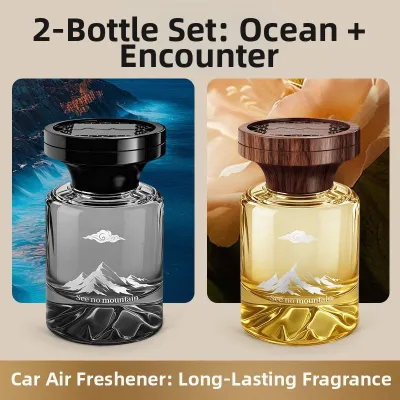
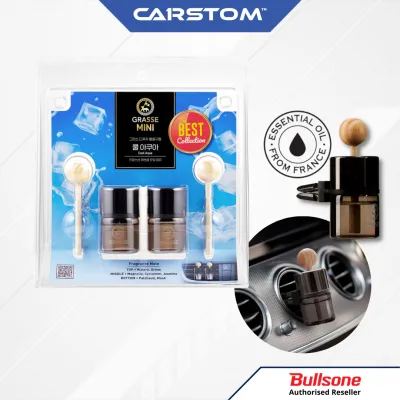
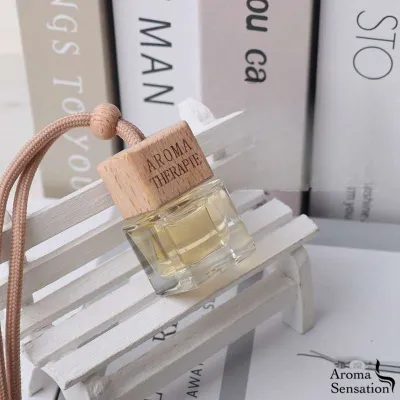
![[KIRONA SCENT] Shangri-La Hotel Scent Inspired Mori Hanging Diffuser for Car Wardrobe | Hotel & Mall Fragrances](https://img.lazcdn.com/g/p/fcb73f117f557303e822ff4ab1275be5.jpg_400x400q80.jpg_.webp)
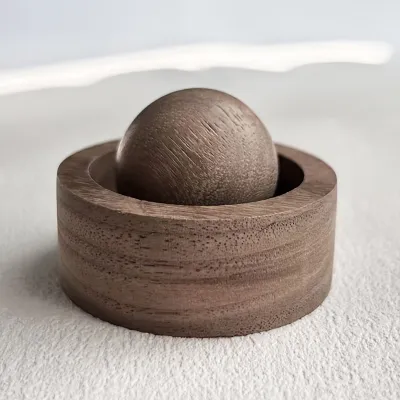
Prices are valid at publication and may change. Please refer to the product page for the latest price.
Consequently, drivers must shift their approach from simply picking a favorite scent profile to prioritizing thermal stability and controlled release. A fragrance that smells wonderful in an air-conditioned showroom may become intolerable or physically fail when subjected to the reality of a tropical carpark. Prioritizing products with physical barriers, adjustable vents, or electronic diffusion controls allows you to manage how much scent is released, ensuring a consistent experience regardless of the weather outside.
Evaluating Car Aromatherapy Formats for High-Temperature Reliability
To find a car aromatherapy product that performs reliably in tropical conditions, you must evaluate how different physical formats respond to heat, moisture, and vehicle movement. The ideal format should resist melting at high temperatures, maintain a steady evaporation rate, present zero risk of spilling onto sensitive cabin surfaces, and disperse scent evenly without relying on extreme heat to function.

The following comparison matrix summarizes how the primary car aromatherapy formats perform across these critical categories, helping you identify the most suitable option for your daily driving habits and parking conditions.
| Aromatherapy Format | Thermal Stability | Spill Risk | Scent Control | Ideal Placement |
|---|---|---|---|---|
| Solid Ceramics / Tablets | Excellent (Will not melt) | None | Low (Passive release) | Vent slats, under-seat, or cup holder |
| Solid Gels | Moderate to Low (Can liquefy) | Low to Medium | Low (Passive release) | Cup holder or floor console |
| Vent Clips (Membrane/Pad) | High (Protected by housing) | Low | Medium (Adjustable vents) | Air conditioning vent slats |
| Liquid Diffusers (Hanging/Plug) | Low (High evaporation rate) | High (Spill hazard) | Low to Medium | Vent slats or hanging (with caution) |
| Electric Diffusers (USB/Battery) | High (Active control) | Low (If dry/ultrasonic) | High (Adjustable settings) | Cup holder or console |
Solid Gels, Ceramics, and Vent Clips
Solid gels are a common choice due to their affordability, but they require careful monitoring in tropical climates. Many standard solid gels use a water- or oil-based polymer matrix that can break down when exposed to extreme cabin heat. If placed on a dashboard or in a cup holder exposed to direct sunlight, these gels can rapidly shrink, lose their structural integrity, or even liquefy. Once liquefied, they pose a risk of leaking through their containers, potentially staining plastic trim or leaving a sticky residue that is difficult to clean. Before purchasing, check the product packaging for any specified temperature limits or warnings regarding direct sunlight exposure.
Ceramic tablets and infused wood blocks offer a much more stable solid alternative. Lacking a liquefiable gel matrix, they cannot melt or leak, making them exceptionally safe for high-heat environments. However, their scent throw is entirely passive, meaning the fragrance strength will naturally decrease over time and may become very faint when the car’s air conditioning is turned off.
Vent clips bridge this gap by utilizing the vehicle’s active airflow to disperse scent. These devices typically house a scented polymer, a saturated pad, or a sealed membrane behind a plastic casing. When the air conditioning is running, it draws the scent into the cabin, providing an immediate refreshing effect. When the car is turned off and parked, the lack of airflow limits the scent release, preserving the fragrance. When selecting vent clips, verify that the mounting clip is sturdy and compatible with your specific vent slat design to prevent the unit from falling off during transit.
Liquid Diffusers and Electric Devices
Liquid-based car aromatherapy, such as hanging perfume bottles with wooden caps or liquid vent plug-ins, carries a significant risk in hot climates. High temperatures cause the liquid to expand, which can force the fragrance out of its container or accelerate evaporation through wooden diffusers. If the liquid drips onto the dashboard, center console, or leather seats, the concentrated solvents and essential oils can chemically react with the cabin materials. This often results in bubbled plastic, peeled paint, or permanently stained leather. If you choose a liquid format, ensure it features a robust, leak-proof design and is mounted securely away from sensitive electronic components and premium trim.
Electric diffusers, including ultrasonic cool-mist devices and electronic clip-ons, offer the highest level of scent control by allowing you to adjust the diffusion frequency and intensity. This active control is highly beneficial in humid conditions, as you can dial down the output to prevent the scent from becoming overpowering. However, electric devices introduce unique safety considerations for tropical climates.
Many portable electric diffusers rely on rechargeable lithium-ion batteries. Leaving these batteries in a hot, parked car exposed to direct sunlight poses a safety hazard, as extreme heat can lead to battery swelling or thermal runaway. If you opt for an electronic diffuser, prioritize models powered directly via a USB cable connected to the vehicle’s accessory port, or ensure the device has a certified high-temperature operating range and an automatic shutoff feature. Always remove battery-powered devices from the dashboard when parking outdoors.
What to Look for on Product Labels and Specifications
When shopping for car aromatherapy, reading the product label and technical specifications carefully can save you from premature product failure or cabin damage. Look for explicit indicators of heat resistance, such as “high-temperature stable,” “sun-resistant,” or “non-melting formula.” Products designed specifically for tropical regions or high-heat environments often feature specialized membrane technologies that allow fragrance molecules to escape while keeping the liquid securely contained, even under pressure from thermal expansion.
The ingredient list is another critical area to inspect. Many inexpensive car fresheners rely heavily on alcohol or volatile organic solvents to carry the scent. While alcohol helps disperse the fragrance quickly, it evaporates at a very low temperature. In Singapore’s heat, alcohol-heavy formulas will dry out rapidly, leading to a very intense, short-lived scent profile that disappears within a week. Look for formulations that use high-quality, low-volatility carriers or natural essential oil blends that evaporate more gradually and predictably.
Finally, verify the physical dimensions and mounting mechanisms before purchasing. A bulky diffuser may block air vents, obstruct driving visibility, or interfere with control switches. Crucially, consult your vehicle’s manual to identify airbag deployment zones. Never mount any device, vent clip, or ornament on or near an airbag cover, as a deploying airbag can turn the object into a dangerous projectile.
Safe Placement and Maintenance in a Parked Car
Proper installation and ongoing maintenance are vital to maximizing the lifespan of your car aromatherapy and protecting your vehicle’s interior. Safe placement begins with avoiding high-exposure zones. The dashboard and the rear parcel shelf receive the most direct sunlight and experience the highest thermal stress. Placing any air freshener in these areas drastically accelerates degradation and increases the risk of melting or leaking. Instead, opt for shaded, low-exposure zones such as the lower center console, under-seat brackets, or side door pockets.
Establishing a routine for visual checks can help you catch potential issues before they cause damage. Every few weeks, inspect your aromatherapy device for any signs of physical change. For solid gels, check if they are beginning to liquefy or shrink excessively. For liquid diffusers, look for condensation around the cap or signs of weeping along the mounting bracket. If you use an electronic device, inspect the casing for warping and check any internal batteries for swelling. If you notice any structural compromise, remove the device immediately.
If you must park outdoors in direct sunlight for an extended period—such as during a full work day in an open carpark—consider taking preventive measures. Temporarily storing your car aromatherapy in a shaded glove box or center console compartment can shield it from the worst of the daily heat spike. Consult the product label for specific storage instructions to ensure your cabin remains fresh, safe, and comfortable.
Frequently Asked Questions (FAQ)
Can I leave solid gel air fresheners in my car overnight?
Yes, leaving solid gel air fresheners in your car overnight is generally safe as ambient temperatures drop. However, verify the product’s stated storage temperature range on the packaging to ensure it can withstand the residual heat trapped in the cabin after a day of driving. Regularly observe the gel’s physical state; if you notice shrinking, cracking, or liquefaction, relocate it to a cooler, shaded spot.
Are essential oil diffusers safe for car interiors in high heat?
Essential oil diffusers are safe if you select the right device and use it correctly. Always check the manufacturer’s operating temperature range and ensure the device features an automatic shutoff function. Keep in mind that extreme heat can alter the delicate chemical profiles of natural essential oils, potentially changing how they smell. Additionally, ensure any water-based ultrasonic diffusers are secured tightly in a cup holder to prevent water spills on electronic components.
How do I prevent my car fragrance from becoming too strong in the humidity?
To manage scent intensity in high humidity, choose aromatherapy formats that feature physical adjustment sliders, adjustable vent clips, or electronic dilution controls. These allow you to restrict airflow or mist volume, preventing the scent from saturating the moist air. Additionally, check product descriptions and opt for lighter, cleaner scent profiles—such as citrus, eucalyptus, mint, or aquatic notes—which cut through humid air more pleasantly than heavy, musky fragrances.

Community discussion
Share your experience or ask a question. Comments are reviewed before publication.