
Singapore’s tropical climate presents a unique challenge for maintaining a pleasant car interior. With outdoor temperatures regularly climbing and cabin interiors acting like greenhouses when parked in the open, standard car aroma diffusers often struggle. To find the option that performs most reliably under these conditions, you must balance scent longevity, physical stability, and safety.
Solid-state diffusers, sealed membrane vent clips, and dry-diffusion electronic devices generally perform most reliably in high heat and humidity. Unlike traditional liquid or open gel formats, these designs minimize the risk of rapid evaporation, messy leaks, and chemical damage to your dashboard. Choosing the right format requires looking closely at how different materials react to sustained thermal stress and moisture.
How Heat and Humidity Affect Car Aroma Diffusers
When your car is parked under the direct tropical sun, cabin temperatures can quickly rise far above the ambient outdoor temperature. This intense heat accelerates the kinetic energy of fragrance molecules, causing liquid-based and gel-based diffusers to release their scent at an unsustainable rate. What is designed to last for a month in a temperate climate might completely evaporate within a week in Singapore, leaving you with an overpowering initial scent followed by rapid depletion.
Products mentioned in this guide
![[KIRONA SCENT] Intense Mist USB Car Diffuser | Ultrasonic Car Humidifier | 7 LED Light | Intermittent Mode Option | Car Air Freshener](https://img.lazcdn.com/g/p/efdb76f1f941dfec17def615f7ff855d.png_400x400q80.png_.webp)

![[KIRONA SCENT] Mori Car Hanging Aroma Diffuser | Air Freshener & Perfume for Cars Wardrobes Gifts | Hotel Mall & Perfume Scents](https://img.lazcdn.com/g/p/dd423b2626f24f6202aa463c697a356b.png_400x400q80.png_.webp)
Prices are valid at publication and may change. Please refer to the product page for the latest price.
High relative humidity adds another layer of complexity, particularly for water-based or electronic diffusion systems. When the air is already saturated with moisture, water-based mists cannot evaporate efficiently, leading to condensation on nearby surfaces. This persistent dampness creates an ideal breeding ground for mold, mildew, and bacteria within the diffuser tank or on the vehicle’s interior panels.
Furthermore, physical laws dictate that liquids and gases expand when heated. In a sealed glass or plastic container, this thermal expansion increases internal pressure, which can force liquid fragrance oils through seals, seams, or dropper tops. If these concentrated chemical oils leak onto your dashboard, they can cause permanent bubbling, peeling, or cracking of plastics, leather, and touchscreens.
Comparing Common Car Aroma Diffuser Types for Tropical Climates
Selecting a car aroma diffuser for a tropical climate requires evaluating how different physical states—solid, liquid, gel, and electronic—behave when subjected to constant warmth and moisture. Each format has distinct physical properties that dictate its lifespan, safety profile, and maintenance needs. By understanding these differences, you can select a product that delivers a consistent scent without risking damage to your vehicle’s interior.

Vent Clips and Solid Diffusers
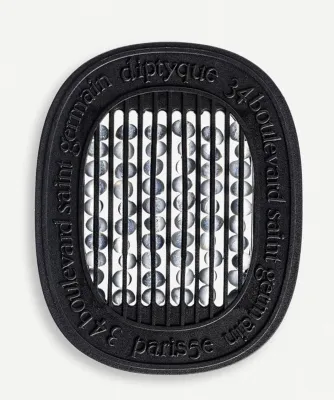
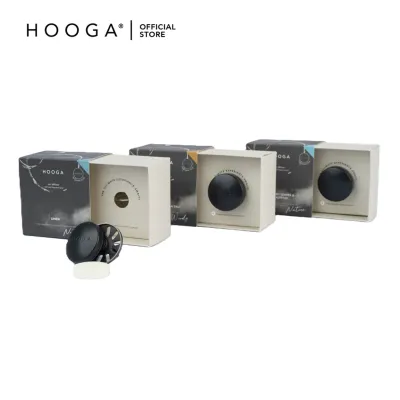
Vent clips that utilize solid ceramic tablets, scented polymers, or infused wood blocks are highly stable options for tropical climates. Because they contain no free-flowing liquid, they eliminate the risk of spills and chemical damage to your dashboard. These solid formats rely on the active airflow of your vehicle’s air conditioning system to distribute the fragrance throughout the cabin, making them highly controllable.
However, their reliance on active airflow means their performance drops significantly when the vehicle is parked and the air conditioning is turned off. In humid conditions, stationary air inside the cabin can cause moisture to settle on the solid fragrance element, temporarily dampening its scent output until the dry AC air clears it. Additionally, while solid formats do not leak, the sustained high heat of a parked car can still accelerate the depletion of their embedded fragrance oils, requiring more frequent cartridge replacements during hot seasons.
When shopping for solid vent clips, it is crucial to check the material stability of the clip housing itself. Low-grade plastics and weak adhesives can soften, warp, or fail entirely when exposed to the intense heat radiating from dashboard vents. Look for high-temperature resistant plastics, silicone-coated clips, or metal housings that maintain their structural integrity even when the dashboard temperature spikes.
Gel and Liquid Diffusers
Gel and liquid diffusers are popular for their strong, immediate scent throw, but they require careful management in hot climates. Gel air fresheners typically consist of water, fragrance oils, and a gelling agent that gradually shrinks as the moisture evaporates. In high-temperature environments, this shrinkage occurs rapidly, often causing the gel to dry out, crack, and lose its effectiveness long before its estimated lifespan.
Liquid diffusers, such as hanging perfume bottles or liquid vent clips, present a higher risk of thermal expansion. When parked in direct sunlight, the liquid inside the container heats up, increasing internal pressure and potentially forcing the oil out of its container. If these concentrated fragrance oils drip onto your dashboard, center console, or leather seats, they can dissolve protective coatings and cause irreversible cosmetic damage.
To mitigate these risks, look for liquid diffusers that feature advanced spill-proof membranes or specialized check valves rather than open wicks. These designs allow fragrance molecules to escape while keeping the liquid securely contained, even if the bottle is tipped or subjected to pressure changes. Always verify that the product packaging or user manual explicitly states a high-temperature tolerance rating suitable for enclosed automotive environments.
Ultrasonic and Electronic Diffusers
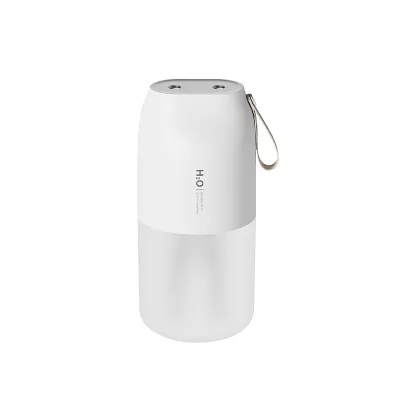
Ultrasonic and electronic diffusers offer precise control over scent intensity by using micro-vibrations or automated fans to disperse fragrance oils. These devices are highly customizable, allowing you to turn the scent off when it is not needed. However, water-based ultrasonic diffusers are generally unsuitable for humid tropical climates, as adding more moisture to an already humid cabin can lead to condensation on windows and electronics.
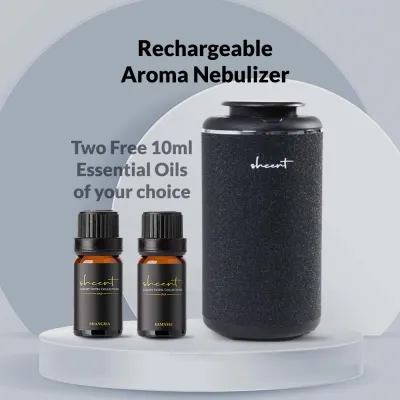
The high ambient humidity in Singapore also increases the risk of biological contamination inside water-based diffuser tanks. If water is left sitting in a dark, warm car tank for even a couple of days, it can quickly develop mold, mildew, and bacterial growth, which is then atomized directly into the air you breathe. For this reason, waterless electronic diffusers that atomize pure essential oils directly from the bottle are a much safer and more hygienic choice.
When using any electronic diffuser, you must also consider power source requirements and cable management. Running cables across your dashboard can interfere with physical controls, gear shifters, or airbag deployment zones. Ensure the device features an automatic shutoff timer to prevent battery drain, and check the manufacturer’s instructions to confirm the device’s internal electronics and lithium batteries are rated to withstand high cabin temperatures.
Key Features to Check Before Buying
Before purchasing any car aroma diffuser, it is essential to verify its specifications against the harsh realities of a tropical climate. Do not rely solely on marketing claims of “long-lasting freshness”; instead, look for concrete design features and material specifications. First, check the product packaging or user manual for an explicit temperature tolerance range, ensuring it can safely withstand temperatures of at least 60 degrees Celsius, which parked car interiors can easily reach.
Second, prioritize spill-proof mechanisms that prevent liquid contact with your vehicle’s interior surfaces. Solid-state fragrance carriers, sealed membrane cartridges, and dry-diffusion systems are inherently safer than open-wick liquid bottles. If you do choose a liquid-based system, verify that it uses a high-quality, leak-resistant container with a secure mounting bracket to prevent tipping during sudden stops or sharp turns.
Third, examine the chemical formulation of the fragrance itself, opting for alcohol-free formulations whenever possible. Alcohol is highly volatile and evaporates rapidly in warm temperatures, which not only shortens the lifespan of the diffuser but also increases flammability risks in a hot cabin. Alcohol-free, oil-based, or solid-state fragrances evaporate at a more controlled rate, providing a more consistent scent profile over time.
Finally, review the manufacturer’s material safety data or product warnings regarding contact with interior surfaces. High-quality automotive fragrance brands will clearly state whether their oils are safe for accidental contact with plastics, leather, or vinyl. If a product lacks clear instructions or safety warnings regarding spills, it is safest to assume the liquid could damage your interior and take extra precautions during installation.
Safe Usage and Maintenance in a Tropical Climate
Proper placement and regular maintenance are critical to maximizing your diffuser’s lifespan and protecting your car’s interior from damage. Avoid placing any diffuser in direct sunlight, such as on top of the dashboard or hanging from the rearview mirror, as this maximizes heat exposure and accelerates chemical degradation. Instead, mount vent clips on lower AC vents or place solid diffusers in cup holders or door pockets where they are shielded from direct sun.
Never place a diffuser in or near airbag deployment zones, as a deploying airbag can turn the device into a dangerous projectile. Additionally, keep liquid and electronic diffusers away from sensitive vehicle electronics, touchscreens, and charging ports to prevent accidental spills or moisture damage. Always consult your vehicle owner’s manual to identify safe mounting locations and to check if your interior materials require specific protection from chemical exposure.
For electronic and waterless diffusers, establish a strict cleaning routine to prevent residue buildup and maintain optimal performance. Wipe down the nozzle and interior compartments with a dry microfiber cloth at least once a week to remove accumulated oils and dust. If you notice any changes in the scent profile, visible mold growth, or physical deformation of the diffuser container, stop using the product immediately and replace it.
Lastly, always prioritize safety by verifying the compatibility of any aftermarket accessory with your specific vehicle model. Ensure that vent clips do not restrict the movement of your vent slats or block essential airflow. By taking these precautions and choosing a climate-appropriate format, you can enjoy a fresh, pleasant cabin environment without compromising your vehicle’s safety or interior aesthetics.
Frequently Asked Questions (FAQ)
Can I leave a liquid car aroma diffuser in a parked car under the sun?
Leaving a liquid car aroma diffuser in a vehicle parked under direct sunlight is not recommended due to the high risk of thermal expansion. As the temperature inside the cabin rises, the liquid fragrance oil expands, which can cause the container to leak, crack, or rupture. This can result in concentrated chemical oils spilling onto your dashboard or center console, leading to permanent cosmetic damage. If you must park outdoors regularly, it is safer to use solid-state diffusers or remove liquid diffusers from the vehicle when it is parked.
Do vent clip diffusers work if I park my car in a humid environment without the AC on?
Vent clip diffusers do not work effectively when the vehicle is parked without the air conditioning running, as they rely on active airflow to disperse the fragrance. Without the physical movement of air through the vents, the scent remains concentrated around the clip itself. Furthermore, in highly humid conditions, moisture can accumulate on the surface of the fragrance pad or solid element, which can temporarily dilute the scent and promote mold growth if the vehicle remains unventilated for extended periods.

Community discussion
Share your experience or ask a question. Comments are reviewed before publication.