
To keep your vehicle’s cabin fresh and healthy in Singapore’s relentless heat and high humidity, the best car aircon cleaner is one specifically formulated as a true antimicrobial disinfectant rather than a simple fragrance spray.
A high-quality cleaner must actively break down the bacterial and fungal colonies that thrive on damp evaporator coils, dry without leaving a sticky residue, and remain safe for automotive materials like aluminum and plastic.
Selecting the right product requires understanding how your vehicle’s ventilation system interacts with the tropical climate and choosing between expanding foams and aerosol mists based on your technical comfort level.
Products mentioned in this guide
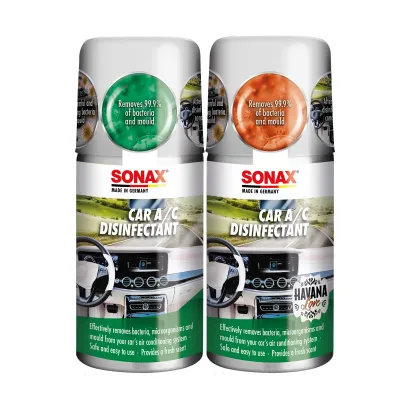

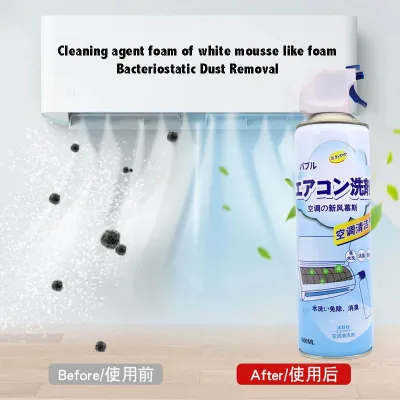
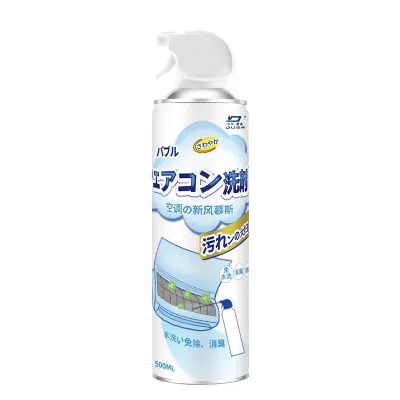
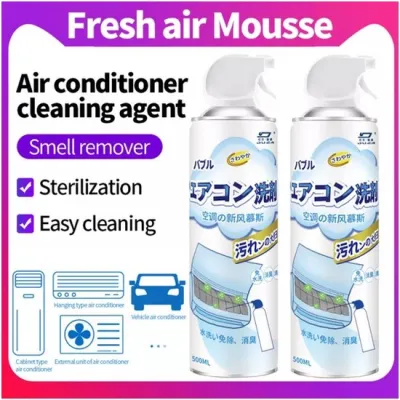
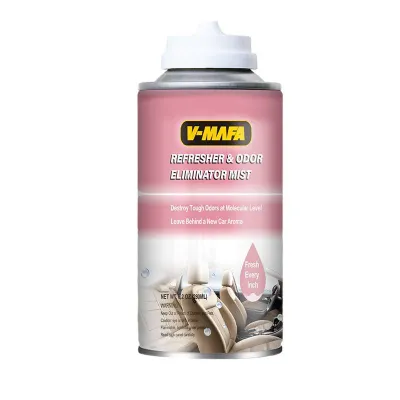
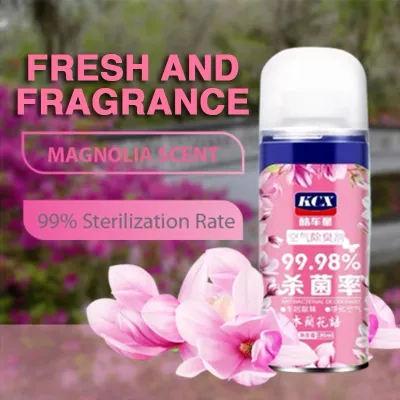
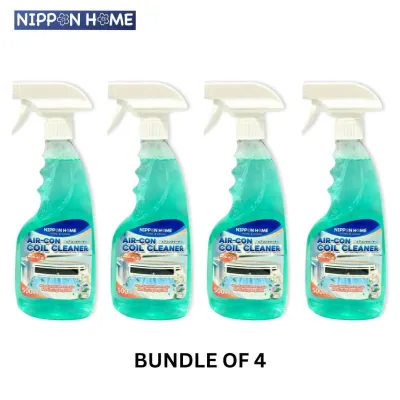
Prices are valid at publication and may change. Please refer to the product page for the latest price.
Why Singapore's Climate Demands Specific Aircon Cleaners
Singapore’s tropical climate features near-constant high relative humidity, often exceeding 80 percent, paired with high ambient temperatures. When you run your car’s air conditioning, the evaporator coil becomes extremely cold to extract heat and moisture from the incoming air. This process causes water to condense rapidly on the metal surfaces of the evaporator, much like condensation forming on the outside of a cold glass of water.
When you park your car and turn off the engine, this dark, enclosed space remains saturated with moisture and warm air. This combination creates an ideal breeding ground for microscopic mold spores, fungi, and bacteria. Over time, these microorganisms colonize the evaporator fins and the interior walls of the ventilation ducts, producing a characteristic sour, musty odor that greets you every time you start the vehicle.
It is essential to distinguish between a true car aircon cleaner and a standard air freshener. Air fresheners merely mask unpleasant odors by releasing heavy synthetic perfumes into the cabin air. They do nothing to eliminate the biological source of the smell, and in some cases, spraying aerosolized perfumes into a damp, mold-ridden system can worsen respiratory irritation for passengers. A dedicated car aircon cleaner contains active chemical agents designed to penetrate the biofilm, kill the underlying mold and bacteria, and rinse or evaporate away cleanly.
Leaving microbial growth untreated in your HVAC system has direct consequences for both cabin comfort and passenger health. As air passes over the contaminated evaporator, it carries mold spores, volatile organic compounds, and bacterial byproducts directly into the breathing zone of the cabin. This can trigger sneezing, coughing, watery eyes, and allergic reactions, particularly in sensitive individuals or young children. Furthermore, heavy biological buildup can physically restrict airflow through the delicate aluminum fins of the evaporator, forcing the system to work harder and reducing cooling efficiency in a climate where peak cooling performance is non-negotiable.
Key Features to Look for in a Tropical-Climate Aircon Cleaner
Selecting an effective car aircon cleaner requires looking past attractive packaging and focusing on specific formulation details and application designs.

Active Ingredients and Label Claims
When shopping for a car aircon cleaner, prioritize products that carry explicit antibacterial, antifungal, or disinfecting claims on their labels. Look for active ingredients that are proven to eliminate mold and mildew rather than generic phrases like “odor eliminator” or “fresh scent.”
The product documentation should clearly state that it is formulated specifically for automotive HVAC (Heating, Ventilation, and Air Conditioning) systems. This specification is crucial because automotive evaporators are constructed from thin aluminum alloys, and the surrounding housings are made of specialized plastics. Using a non-automotive chemical can lead to rapid corrosion of the aluminum coils, resulting in costly refrigerant leaks that require complete dashboard disassembly to repair.
Application Method: Foam vs. Aerosol Spray
Automotive aircon cleaners generally fall into two categories: expanding foams and aerosol circulation sprays (often called “aircon bombs”). Each has distinct structural properties and is suited to different cleaning scenarios.
- Expanding Foams: These cleaners are injected directly into the HVAC system, typically through the evaporator drain tube or the cabin filter slot, using a long, flexible application hose. The liquid expands into a thick foam that physically clings to the vertical surfaces of the evaporator coil, dissolving dirt, mold, and grime. As the foam breaks down, it liquifies and drains out of the vehicle through the aircon condensation drain line, carrying the contaminants with it. This method offers the most thorough, targeted deep-cleaning for heavily soiled systems, but it requires a higher level of mechanical comfort to access the correct entry points.
- Aerosol Sprays: These are fine misting canisters designed for cabin circulation. You place the canister inside the vehicle, activate the continuous-spray nozzle, and run the air conditioning on recirculation mode with the doors closed. The fine mist is drawn through the intake vents, passing over the cabin filter and evaporator before circulating throughout the interior. While aerosol sprays are highly convenient and require zero disassembly, they are best suited for light maintenance or deodorizing rather than removing heavy, physical mold buildup from an older evaporator.
Safety and Residue Profiles
A critical factor in Singapore’s humid climate is how the cleaner dries. The product must dry completely residue-free. If a cleaner leaves behind a sticky or tacky film on the evaporator fins or inside the ductwork, that residue will act as a magnet for airborne dust, pollen, and debris. This accumulation quickly forms a thick layer of organic grime that traps moisture even more effectively, accelerating the return of mold and bacteria.
Additionally, verify that the product does not emit high levels of harsh volatile organic compounds (VOCs). Because the cabin is a small, sealed space, any chemical residue left in the ducts will be heated and vaporized when the vehicle sits under the hot tropical sun. Choose formulas that specify low toxicity and are safe for nearby interior materials, including leather, vinyl, and dashboard plastics, in case of accidental overspray.
How to Apply Car Aircon Cleaners Safely and Effectively
Performing an aircon cleaning yourself can save money and improve cabin air quality, but it must be done with care to protect your vehicle’s complex electrical systems.
Preparation and Safety Checks
Before you begin, you must read and understand the specific manufacturer’s instructions printed on your chosen car aircon cleaner. Because formulations and pressures vary widely, never assume one brand’s process applies to another.
Start by turning off the vehicle’s engine and ensuring you are parked in a well-ventilated area, preferably outdoors or in an open carport rather than a confined multi-storey car park. Open all the vehicle doors or windows to allow fresh air to circulate freely during the preparation phase.
Identify and protect sensitive electronic components. Modern vehicles feature large infotainment screens, digital instrument clusters, and delicate steering wheel switches that are highly vulnerable to moisture. Cover these areas with clean, dry microfiber towels to catch any accidental overspray, dripping foam, or condensing mist. If you are using a foam cleaner, locate the evaporator drain tube underneath the car or the cabin air filter housing behind the glovebox, ensuring you have clear, unobstructed access before activating the product.
Step-by-Step Application Guide
For a standard cabin-circulation aerosol mist, follow these structured steps unless the product label explicitly instructs otherwise:
- Prepare the HVAC Settings: Start the engine. Set the air conditioning to the lowest temperature (maximum cold) and turn the blower fan speed to its highest setting.
- Configure Airflow: Switch the system to internal recirculation mode. This ensures the active mist is repeatedly drawn through the cabin intake and passed over the evaporator coil. Ensure all dashboard vents are fully open and pointed straight out.
- Position the Canister: Place the aerosol canister on a stable surface in the passenger footwell, which is typically where the cabin air intake recirculation vent is located. Ensure the canister is upright and will not tip over.
- Activate and Exit: Depress the continuous-spray nozzle until it locks into place. Immediately exit the vehicle and close all doors and windows completely. Do not remain inside the car during the treatment.
- Observe Dwell Time: Allow the system to run with the doors closed for the exact duration specified by the manufacturer, which is typically between 10 and 15 minutes. During this time, the mist will circulate through the entire duct network.
- Ventilate Thoroughly: Once the spray cycle is complete, open all car doors and windows wide. Turn off the air conditioning compressor but leave the fan running on high, or turn the system off entirely, and let the cabin air out for at least 10 to 15 minutes before anyone enters the vehicle. This step is mandatory to clear out concentrated chemical vapors.
Safety Boundary: If the instructions on your chosen car aircon cleaner conflict with your vehicle’s owner manual, or if you are unsure of the exact location of the air intakes, cabin filter slot, or evaporator drain, do not proceed. Forcing foam or liquid into the wrong duct can lead to catastrophic electrical failures if the liquid drains onto sensitive wiring harnesses or control modules. In these cases, stop and consult a qualified professional automotive detailer or mechanic.
Preventive Maintenance to Keep Mold Away in High Humidity
Using a chemical cleaner provides an immediate reset, but maintaining a fresh cabin in Singapore’s extreme humidity requires establishing simple, low-risk daily habits to prevent mold from returning.
The Dry-Out Technique
One of the most effective ways to prevent moisture buildup on your evaporator is to practice the “dry-out” technique. Approximately three to five minutes before you reach your destination, turn off the air conditioning compressor by pressing the “A/C” button so the light goes out, but leave the blower fan running at a medium or high speed.
This action stops the cooling process while continuing to push warm ambient air across the cold evaporator coil. The air evaporates the accumulated condensation and carries the moisture out through the vehicle’s cabin vents before you turn off the engine. By parking the car with a dry evaporator coil, you eliminate the wet environment that mold and bacteria need to colonize the system overnight.
Maintain the Cabin Air Filter
The cabin air filter is your HVAC system’s first line of defense, trapping dust, pollen, soot, and mold spores before they can reach the evaporator coil. In Singapore’s humid climate, these filters can easily become damp from ambient moisture, turning the filter medium itself into a breeding ground for mold.
Consult your vehicle’s owner’s manual for the recommended replacement interval, which is typically every 10,000 to 15,000 kilometers, or once a year. However, in highly humid tropical environments, it is wise to inspect the filter visually every six months. Look for signs of gray or black discoloration, dampness, or trapped organic debris like leaves. If the filter is damp or emits a musty smell, replace it immediately, preferably with a high-quality carbon-activated filter that helps neutralize odors.
Manage Ambient Interior Moisture
The overall humidity load inside your car’s cabin directly affects how hard the air conditioning system must work and how much condensation forms on the evaporator. Periodically inspect your vehicle’s interior for sources of excess moisture.
Check the carpet and floor mats, especially after heavy tropical downpours when passengers may bring water inside on umbrellas and shoes. If floor mats become saturated, remove them from the vehicle and dry them thoroughly in the sun. Additionally, promptly clean up any liquid spills inside the cabin, as standing water will evaporate into the air when the car is parked in the sun, raising the internal humidity and settling directly back onto the cold surfaces of your ventilation system.
Frequently Asked Questions (FAQ)
Can I use a household mold remover for my car aircon?
No, you should never use household bathroom, kitchen, or tile mold removers in your vehicle’s air conditioning system. These household products often contain high concentrations of sodium hypochlorite (bleach), strong acids, or harsh alkaline agents designed for ceramic tiles and grout. When sprayed into an automotive HVAC system, these chemicals will rapidly corrode the delicate, thin-walled aluminum evaporator coils, leading to refrigerant leaks and complete system failure. Furthermore, the residual fumes from household bleach or acid are highly toxic and extremely difficult to clear from a confined vehicle cabin, posing severe respiratory risks to you and your passengers.
How often should I clean my car aircon in Singapore?
There is no universal calendar schedule for cleaning your car’s air conditioning, as it depends heavily on your daily driving habits, where you park, and how often the vehicle is used. Instead of relying on a fixed timeframe, monitor your vehicle for clear, observable signals that a cleaning is required. The most common indicator is a distinct sour or musty smell that occurs during the first few minutes after you start the engine and turn on the air conditioning. Another sign is a noticeable reduction in airflow volume or cooling speed, which can indicate that dirt and microbial buildup are physically restricting air passage through the evaporator fins. If you notice these symptoms, it is time to apply a dedicated car aircon cleaner.
Community discussion
Share your experience or ask a question. Comments are reviewed before publication.