
Selecting a cabinet deodorizer for vehicle storage spaces—such as glove compartments, center consoles, trunk organizers, or RV cabinets—requires careful consideration in tropical, high-humidity environments like Singapore. Standard household products often deteriorate quickly, leak, or fail to manage the concentrated moisture and heat trapped inside a parked vehicle. To keep these small, enclosed spaces fresh, the most effective approach is to use a dual-action desiccant and odor absorber, such as high-grade activated charcoal or specialized silica gel blends. These formats actively manage both ambient moisture and airborne volatile organic compounds without melting or releasing harmful chemical residues onto sensitive automotive surfaces.
When a vehicle is parked under the tropical sun, interior temperatures can soar rapidly, turning glove boxes and console cabinets into high-heat, high-humidity chambers. This microclimate accelerates the breakdown of traditional liquid or gel air fresheners, which are primarily designed for temperature-controlled indoor rooms. By understanding how different deodorizer materials interact with extreme humidity and heat, vehicle owners can make informed choices that protect their car’s interior while maintaining a clean, odor-free cabin environment.
How High Humidity Affects In-Car Storage Odors
Enclosed vehicle storage compartments operate as distinct microclimates within the cabin. When a car is parked, especially in open-air parking lots exposed to direct sunlight, the air inside these small spaces becomes trapped. As the temperature rises, any residual moisture in the air or within the cabin materials is drawn out, creating a highly humid, stagnant environment. In a tropical climate where relative humidity consistently remains high, this trapped moisture has nowhere to escape. The combination of elevated heat and concentrated moisture creates an ideal breeding ground for musty odors, which quickly penetrate nearby fabrics, papers, and interior linings.
Products mentioned in this guide
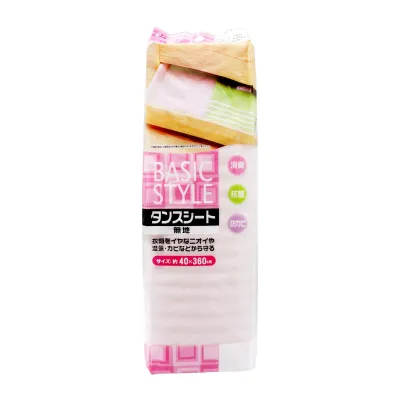
Prices are valid at publication and may change. Please refer to the product page for the latest price.
Standard paper-based or liquid deodorizers are highly vulnerable to these conditions. Paper air fresheners, which rely on evaporated fragrance oils, can become saturated with ambient moisture, causing them to lose their structural integrity and cease releasing pleasant scents. Liquid-based deodorizers face a different challenge; the intense heat can cause rapid evaporation or build up pressure within the container, leading to structural failure, warping, or leakage. When these products fail, they often release concentrated chemical mixtures that can stain plastics or damage nearby electronic components.
Furthermore, fabric-lined trunk organizers, glove compartments, and RV cabinets are particularly susceptible to moisture-induced mold and mildew. Once mold spores find a damp, dark, and warm environment, they can colonize fabric surfaces within days. This not only produces a persistent, sour odor but also poses a risk to stored items like vehicle manuals, registration documents, and spare clothing. Addressing this issue requires a deodorizing solution that actively targets the root cause—excess moisture—rather than simply masking the smell with heavy synthetic fragrances.
Comparing Deodorizer Types for Humid Vehicle Environments
Evaluating different cabinet deodorizer formats requires looking closely at how their physical structures respond to high humidity and elevated cabin temperatures.

Solid and Gel-Based Options: Solid block and gel-based deodorizers are popular for their ease of placement, but their performance in tropical climates depends heavily on their formulation. Many standard household gels are water-based and designed for air-conditioned rooms. When placed in a hot car console, these gels can melt, shrink prematurely, or liquefy, posing a significant spill risk. If you choose a gel-based option, it is essential to verify that the product is explicitly rated for high-temperature automotive use and features a spill-proof, heat-resistant housing. Solid polymer blocks generally offer better stability, as they do not liquefy, but their scent-release rate may still accelerate rapidly under intense heat, shortening their overall lifespan.
Activated Charcoal and Bamboo Carbon: Activated charcoal and bamboo carbon are highly stable, passive absorbers that excel in humid environments. Because they do not rely on chemical reactions or volatile fragrance oils, they do not melt, leak, or degrade under high temperatures. Instead, their highly porous structure physically traps both moisture molecules and odor-causing compounds. However, in high humidity, these carbon pores can become saturated relatively quickly. To maintain their effectiveness, they require periodic recharging by placing them in direct sunlight for several hours, which coaxes the trapped moisture to evaporate, freeing up the pores for continued absorption.
Vent Clips and Hanging Sachets: While convenient for open cabin areas, vent clips and hanging sachets are less suited for enclosed storage cabinets. Vent clips require active airflow from the air conditioning system to distribute their scent, making them ineffective inside a closed glove box or trunk organizer. Hanging sachets filled with scented beads or vermiculite can suffer from rapid saturation in humid conditions. As the sachet material absorbs moisture from the air, the fragrance oils can leach out, potentially dripping onto and damaging the surrounding plastic or leather surfaces.
Silica Gel and Desiccant Blends: For strictly enclosed cabinets, silica gel and specialized desiccant blends offer a highly targeted solution. These products focus primarily on moisture control, which directly prevents the formation of musty odors. Many modern desiccant packs include integrated active carbon to tackle existing smells simultaneously. Because they are sealed in breathable, tear-resistant packets, they present virtually zero risk of leaking or melting, making them exceptionally safe for tight spaces containing sensitive electronics or documents.
Safety and Compatibility Checks for Automotive Interiors
Before placing any cabinet deodorizer inside a vehicle, it is critical to perform several safety and compatibility checks to protect the car’s interior and ensure safe driving conditions.
Material Safety: Never assume that a household cabinet deodorizer is safe for automotive use. Car interiors feature a complex mix of specialized plastics, treated leathers, and synthetic fabrics that can react negatively to certain chemical ingredients. For instance, some household deodorizers contain solvents or essential oils that can dissolve plastic coatings, cause leather to crack, or leave permanent oily stains on fabric linings. Always check the product label or manufacturer documentation to verify explicit compatibility with automotive interior materials.
Leakage and Spill Risks: The physical placement of the deodorizer must minimize any risk of leakage. Avoid placing liquid or semi-solid gel deodorizers directly above or adjacent to sensitive electronic components, such as the center console’s media controls, USB ports, or wiring harnesses. A single leak can cause costly electrical short circuits. Opt for solid-state formats, such as activated charcoal bags or sealed desiccant packets, which contain no free liquids and remain stable even if the container is overturned or compressed.
Airbag and Sensor Clearance: When positioning a deodorizer in the cabin or storage areas, ensure it does not interfere with any safety systems. Hanging deodorizers must never be suspended from locations where they could obstruct the deployment path of side-curtain airbags or passenger-side dashboard airbags. Additionally, ensure that the product does not block any interior climate sensors, light sensors, or the driver’s clear line of sight through the windows and mirrors.
Temperature Tolerance: A parked car in a tropical climate can experience interior temperatures that far exceed ambient outdoor levels. Before purchasing a deodorizer, verify the manufacturer’s stated operating temperature range. High-quality automotive accessories are typically rated to withstand temperatures up to 80 degrees Celsius without melting, off-gassing harmful chemicals, or losing structural integrity. If a product does not specify its temperature tolerance, it is safest to assume it is designed for domestic indoor use and avoid placing it in your vehicle.
Maintenance and Replacement in Tropical Climates
Maintaining a fresh vehicle interior in a humid climate requires a proactive routine of inspection, rejuvenation, and timely replacement.
Visual and Olfactory Checks: Establish a habit of checking your cabinet deodorizers at regular intervals. For gel-based products, look for signs of severe shrinkage, discoloration, or liquefaction, which indicate the product has reached the end of its useful life. For desiccant packets, check for physical swelling or color-changing indicators that signal maximum moisture saturation. If you notice a return of musty, damp odors inside the storage compartment, it is a clear sign that the deodorizer is no longer functioning effectively.
Recharging Passive Absorbers: If you use activated charcoal or bamboo carbon bags, follow the manufacturer’s specific guidelines for recharging. Typically, this involves placing the bag in direct sunlight for two to three hours once a month. The solar heat helps release the trapped moisture molecules from the carbon pores. Ensure you place the bags on a clean, dry surface outdoors or on a sunny windowsill, and avoid exposing them to rain or high outdoor humidity during the process.
Safe Disposal: When disposing of saturated or expired deodorizers, handle them carefully to prevent releasing trapped moisture or chemical residues back into the vehicle. Place the old unit directly into a sealed plastic bag before throwing it into a waste bin. If a gel or liquid deodorizer has leaked, clean the area immediately using a manufacturer-approved interior cleaner suitable for that specific material, ensuring no residue remains to damage the surface.
Storage Cabinet Upkeep: Simply replacing the deodorizer is often not enough if moisture has already settled into the compartment’s surfaces. Periodically empty your glove box, center console, or trunk organizers to air them out. Wipe down the interior surfaces with a dry microfiber cloth to remove any accumulated condensation or dust, which can hold onto odors. Allowing the compartments to remain open for a few minutes while the car’s air conditioning is running can help dry out the microclimate before you place a fresh deodorizer inside.
Frequently Asked Questions (FAQ)
Can I use a standard household closet deodorizer in my car's glove compartment?
It is generally not recommended to use standard household closet deodorizers in a vehicle’s glove compartment. Household products are designed for stable, temperature-controlled indoor environments and often lack the thermal stability required for automotive use. When exposed to the extreme heat of a parked car in a tropical climate, these products can melt, leak, or release highly concentrated chemical vapors. This poses a significant risk of warping plastic panels, staining leather, or damaging sensitive electronic components and wiring located behind the glove compartment. Always select products specifically rated for automotive interiors.
How often should I replace a charcoal deodorizer in a humid climate?
In a highly humid tropical climate, a charcoal deodorizer typically requires attention every one to two months. Because the air contains high levels of moisture, the porous structure of the activated charcoal will saturate much faster than it would in a dry climate. You should monitor the product for physical weight gain or a decline in odor-absorption performance. To extend its lifespan, recharge the charcoal bag in direct sunlight according to the manufacturer’s instructions. If the deodorizer fails to eliminate musty smells even after a thorough sun-drying session, it has reached its absorption limit and should be replaced.

Community discussion
Share your experience or ask a question. Comments are reviewed before publication.