
Choosing the right Bullsone car fragrance for Singapore’s hot and humid climate depends on your daily parking habits and vehicle usage. While liquid-based diffusers like the premium Bullsone Grasse line offer an intense, elegant scent throw, they evaporate rapidly when exposed to direct tropical sunlight. For vehicles regularly parked in open-air lots, solid membrane diffusers, gel-based cups, or vent clips are more practical options. These formats provide a more controlled release of fragrance and minimize the risk of heat-induced leaks that can damage your car’s interior.
Selecting a car fragrance in Singapore requires balancing aesthetic preferences with physical and chemical stability. By understanding how tropical conditions interact with different fragrance delivery systems, you can select a product that maintains its scent quality without depleting prematurely.
How Singapore's Heat and Humidity Impact Car Fragrances
Singapore’s tropical climate presents a challenging environment for any automotive chemical product, including air fresheners. While outdoor ambient temperatures typically hover between 30°C and 34°C, the greenhouse effect inside a closed, parked car can cause cabin temperatures to soar past 60°C within an hour. This extreme thermal environment directly impacts how fragrance carriers behave.
Products mentioned in this guide
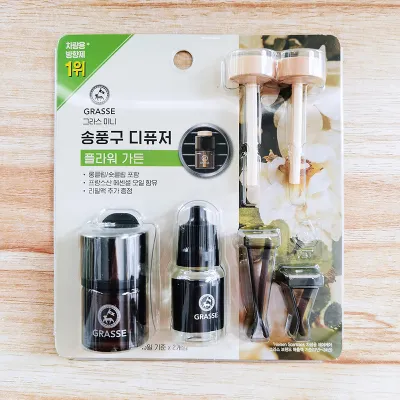
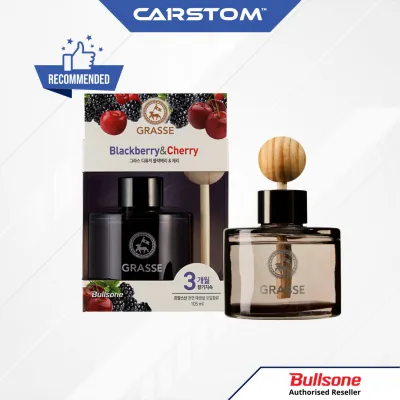
![[Local InStocks 2days Delivery] Bullsone Grasse Diffuser Blackberry & Cherry/Grapefruit/Pure Cotton Aroma](https://img.lazcdn.com/g/ff/kf/S39141699dd3e4612b545c71dedfc915bW.jpg_400x400q80.jpg_.webp)
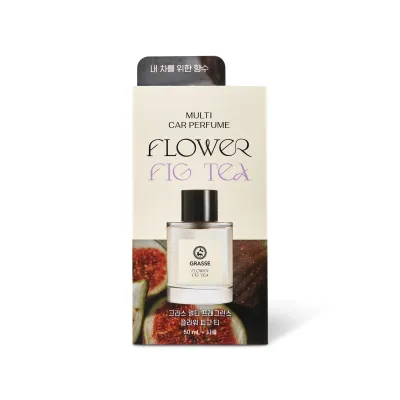
Prices are valid at publication and may change. Please refer to the product page for the latest price.
High temperatures accelerate the kinetic energy of fragrance molecules, causing liquid and gel-based carriers to evaporate at an exponential rate. A product designed to last up to 60 days in a temperate climate may deplete in less than three weeks when subjected to daily cabin heat. This rapid evaporation not only shortens the product’s lifespan but can also overwhelm the cabin with an excessively strong scent immediately after the car has been parked in the sun.
Relative humidity, which frequently exceeds 80% in Singapore, also plays a significant role in how we experience car fragrances. High humidity saturates the air with moisture, altering our olfactory perception. Heavy, sweet, or highly synthetic musky notes can quickly feel cloying, damp, and suffocating in a humid cabin. Conversely, lighter scent profiles like citrus, marine, or clean linen notes feel much more refreshing and airy under these conditions.
Furthermore, prolonged exposure to high humidity and heat can compromise the physical integrity of certain air fresheners. Some gel formulations can break down, liquefy, or separate into watery layers when the surrounding air is highly saturated. Therefore, the best fragrance choice for your vehicle depends heavily on whether you park in shaded indoor structures or exposed outdoor surface lots.
Comparing Car Fragrance Formats for Tropical Conditions
To find the most effective fragrance solution, it is helpful to evaluate the different physical formats offered by automotive care brands like Bullsone. Each format utilizes a unique delivery mechanism, resulting in distinct trade-offs between scent intensity, longevity, and physical stability under high-heat conditions.

Rather than searching for a single absolute winner, drivers should use a decision framework that matches the fragrance format to their daily driving habits. If you prioritize a strong, immediate scent throw and park mostly in shaded office or residential garages, liquid diffusers perform exceptionally well. If you park outdoors and want a low-maintenance, long-lasting option, solid or vent-attached formats are far more suitable.
Liquid and Gel Diffusers
Liquid diffusers, such as the popular Bullsone Grasse L’Esterel series, utilize wooden diffuser sticks or porous ropes to draw up concentrated fragrance oils. This format is highly favored for its premium glass packaging and its ability to deliver a rich, consistent, and sophisticated scent profile throughout the cabin. However, liquids carry specific risks in hot climates.
Under intense heat, the liquid and the air trapped inside a diffuser bottle expand. If the bottle is filled to the brim or placed on an uneven surface, this thermal expansion can force the liquid to seep out around the collar or wood ring. Because liquid car fragrances contain concentrated organic solvents and essential oils, any accidental leak can cause severe, irreversible damage to dashboard plastics, leather upholstery, and instrument panels by melting coatings or causing surfaces to peel.
Gel-based cup fresheners offer a safer alternative because they do not spill or leak if tipped over. High-quality gels use a solidifying agent to suspend the fragrance oils. However, cheap or poorly formulated gels can melt completely into a liquid state when the cabin temperature peaks, or they may shrink and dry out into a hard, scentless disc within a couple of weeks. When choosing a gel product, look for high-temperature stable formulations or spill-proof sealed membrane designs that prevent direct liquid contact even if the gel structure liquefies.
Solid and Vent Clip Fresheners
Solid wax, ceramic, plaster, or scented polymer fresheners contain no free liquids or unstable gels. This physical makeup makes them completely spill-proof and highly resistant to thermal degradation. Even when your vehicle is parked under direct sunlight on a hot afternoon, a solid fragrance will not melt, leak, or release its scent in a sudden, overwhelming burst.
The primary trade-off with solid formats is their relatively mild scent throw. Because they rely on passive diffusion without an evaporating liquid carrier, the fragrance remains localized and may struggle to fill larger vehicle cabins. They are best suited for drivers who prefer a subtle, background aroma rather than a prominent scent.
Vent-clip fresheners solve the scent throw limitation of solid formats by utilizing the vehicle’s active airflow. These compact devices clip directly onto the air conditioning vents and feature a small scent cartridge, often containing a scented polymer or a sealed membrane gel.
This design is highly efficient for daily commuters in tropical climates. When the car is parked and the engine is off, there is no airflow, meaning scent dispersion drops to a minimum and preserves the fragrance material. Once you start the engine and turn on the air conditioning, the cool air blowing across the vent clip actively disperses the scent throughout the cabin, ensuring you only use the fragrance when you are actually in the car.
Key Specifications to Check Before Buying
Before purchasing a Bullsone car fragrance, take a moment to inspect the product packaging and manufacturer labels. High-quality automotive air fresheners often print specific temperature storage limits and recommended operating conditions directly on the box. Look for products that explicitly state they are stable at higher temperatures or designed for automotive interiors, as these are formulated to resist premature thermal breakdown.
Next, check the ingredient list for alcohol content. Many low-cost air fresheners use high concentrations of alcohol as a cheap solvent to thin out fragrance oils and boost initial evaporation. In Singapore’s heat, high alcohol content leads to extremely rapid depletion and increases the risk of flammable vapor buildup inside a sealed, hot cabin. Opting for alcohol-free or low-alcohol formulations ensures a slower, safer, and more consistent scent release.
It is also wise to verify the manufacturing and expiration dates on the packaging. Fragrance oils are organic compounds that naturally degrade over time, a process that is accelerated by heat and light exposure during shipping and warehouse storage. A product that has sat in a warm distribution center for several years before reaching a retail shelf in Singapore may have already lost its top notes and longevity. Purchasing fresher stock ensures you get the full lifespan out of the product.
Finally, familiarize yourself with the chemical hazard labels on the back of the packaging. These labels provide crucial safety instructions regarding skin contact, eye irritation, and material compatibility, helping you understand how to handle the product safely during installation.
Strategic Placement and Care for Maximum Longevity
Where you place your car fragrance is just as important as the format you choose. To maximize the lifespan of a liquid or gel diffuser, avoid placing it on top of the dashboard directly beneath the windscreen. This area acts as a severe heat trap and exposes the product to intense ultraviolet (UV) radiation, which rapidly breaks down the chemical bonds of fragrance oils and accelerates evaporation.
Instead, position liquid or gel diffusers in lower, shaded areas of the cabin. Excellent locations include center console cup holders, door pockets, or secure compartments under the front seats. These lower zones remain significantly cooler than the upper dashboard, helping to regulate the evaporation rate and extend the life of the product.
Using physical heat barriers is another highly effective way to protect your car fragrance and your vehicle’s interior. Placing a high-quality, reflective windshield sunshade over your front windscreen whenever you park outdoors can lower peak cabin temperatures by several degrees. This simple practice reduces the thermal stress on your air freshener, allowing the scent to last much longer.
If a liquid fragrance does accidentally spill, immediate and careful cleanup is necessary to protect your interior materials. Do not rub the spill, as rubbing can push the concentrated solvent deeper into the textured plastic or leather grains. Instead, gently blot the liquid using a clean, dry microfiber cloth to absorb as much of the chemical as possible. Once you have blotted the excess, consult your vehicle owner’s manual for approved interior cleaners suitable for your specific dashboard or upholstery material to ensure you do not cause further discoloration or chemical damage.
Frequently Asked Questions (FAQ)
Can I leave liquid car fresheners in a parked car under the sun?
Leaving liquid car fresheners exposed on the dashboard of a car parked under direct sunlight is highly discouraged. The extreme heat inside the cabin causes rapid evaporation, which drastically shortens the lifespan of the product. More importantly, thermal expansion can cause the liquid to leak or seep out of its container. If these concentrated chemical solvents drip onto your dashboard, they can dissolve plastic coatings, peel paint, or ruin leather trim. If you must use liquid diffusers, place them in a shaded cup holder or under the seat, or consider switching to solid or vent-clip alternatives if you regularly park in open-air lots.
Do car fragrances expire faster in humid conditions?
While high relative humidity affects how scent molecules travel through the air and how our noses perceive them, humidity itself does not significantly accelerate the chemical expiration of the product. Extreme heat and direct UV exposure are the primary drivers of fragrance degradation. Heat breaks down the chemical bonds of essential oils, altering the scent profile and causing rapid evaporation. To preserve spare or unopened car air fresheners, do not store them in your car’s glove compartment, which can get incredibly hot. Instead, keep them in a cool, dry, and dark cupboard inside your home until you are ready to use them.

Community discussion
Share your experience or ask a question. Comments are reviewed before publication.