
Maintaining a fresh, inviting cabin scent in your vehicle requires more than just picking a pleasant fragrance off the shelf. In a tropical climate like Singapore’s, where outdoor temperatures regularly soar and relative humidity often exceeds 80 percent, the interior of a parked car can quickly turn into a high-heat chamber. These intense environmental conditions do not just accelerate how quickly a fragrance fades; they can physically alter the structure of your auto air freshener, leading to melted gels, clogged vents, or even mold growth on porous materials.
Choosing the right product format is essential to protect your car’s interior surfaces and ensure you get your money’s worth. By understanding how different materials react to extreme heat and moisture, you can select a stable, long-lasting option that keeps your cabin smelling clean without risking damage to your dashboard, upholstery, or air conditioning system.
How Heat and Humidity Change Air Freshener Performance
When a car is parked under the direct tropical sun, cabin temperatures can easily climb well above 50 degrees Celsius within an hour. This extreme heat acts as a powerful catalyst for chemical and physical reactions inside your vehicle. For fragrance products, this means the volatile organic compounds responsible for releasing scent are forced to evaporate at an unnaturally rapid rate, often exhausting a typical thirty-day product in a fraction of that time.
Products mentioned in this guide

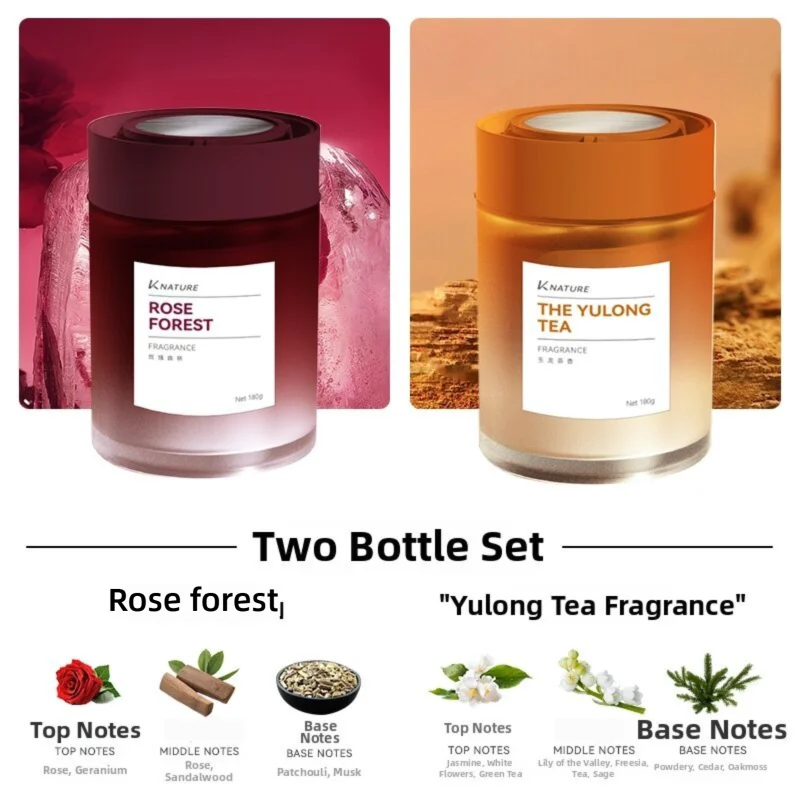
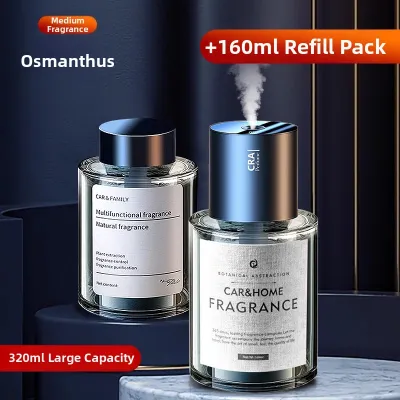
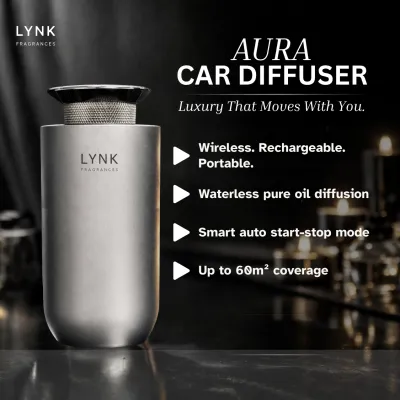
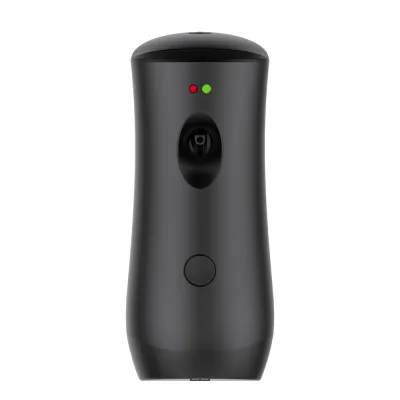


Prices are valid at publication and may change. Please refer to the product page for the latest price.
Beyond rapid evaporation, high temperatures can cause structural failure in semi-solid and gel-based products. Many common gel formulations rely on water- or oil-based polymers that maintain their shape at room temperature but liquefy when exposed to sustained heat. Once these gels break down into a liquid state, they are highly prone to spilling through container vents during sudden stops or sharp turns, potentially staining plastic consoles or leather seats.
Humidity adds another layer of complexity to cabin scent management. High moisture levels in the air can settle on porous materials like wood, cardboard, or natural fibers, creating an ideal breeding ground for mold and mildew. Instead of neutralizing odors, a damp, fiber-based air freshener can become a source of musty smells, compounding the very problem you are trying to solve.
Furthermore, intense heat and ultraviolet (UV) radiation degrade the physical packaging of these products. Plastic housings can become brittle and crack, mounting adhesives can melt and lose their grip, and hanging strings can deteriorate over time. This degradation not only ruins the product itself but also increases the risk of the freshener falling onto sensitive interior surfaces or interfering with your driving controls.
Comparing Air Freshener Formats for Tropical Conditions
To find a product that withstands these harsh environmental factors, you must evaluate how different physical formats are constructed. Each design handles heat, moisture, and airflow in its own way, making some formats far more suitable for tropical climates than others.

Gel, Solid, and Bead Fresheners
Gel and solid block fresheners are popular for their steady, passive scent release, but their performance in high heat depends heavily on their chemical base. Water-based gels are highly susceptible to liquefaction under intense sun exposure, often shrinking rapidly into a hard, scentless residue or melting into a messy liquid. If you prefer a gel format, look for products explicitly labeled as high-temperature stable or dry-gel formulations that do not rely on liquid suspension.
Solid polymer blocks and scented ceramic beads generally offer much better structural integrity in hot cabins. Because these formats do not contain free-flowing liquids or soft gels, they will not melt or spill even if the vehicle is parked in an unshaded lot for hours. The solid matrix holds the fragrance oils securely, releasing them slowly through evaporation without changing its physical shape.
When selecting a solid or bead-based product, check the container design to ensure it features a secure, spill-proof lid. Placing these containers in a cup holder or under a seat keeps them out of direct sunlight, further extending their lifespan and preventing premature drying.
Vent Clips and Liquid Diffusers
Vent clips and liquid diffusers utilize the vehicle’s air conditioning system to distribute scent throughout the cabin. However, the constant contrast between cold AC air and the hot, humid air of a parked car can lead to condensation buildup around the vents. This moisture can weaken the adhesive backings of certain clip-on products or cause mechanical dials to stick, making it difficult to adjust the scent intensity.
Liquid diffusers that feature an open reservoir of fragrance oil present a significant spill hazard in tropical climates. The heat inside a parked car can expand the liquid and increase pressure within the bottle, sometimes forcing the oil past the wick or seal. If this concentrated oil drips onto your dashboard or center console, it can chemically react with the plastic, causing permanent bubbling, peeling, or discoloration.
To mitigate these risks, look for vent clips that utilize sealed membrane technology rather than open liquid reservoirs. These membranes allow scent molecules to pass through while keeping the liquid securely trapped inside, even when subjected to temperature fluctuations and vehicle movement. Spending S$5 to S$15 on a high-quality, heat-resistant clip with a sealed membrane is a worthwhile investment to protect your dashboard from chemical damage.
Hanging Cards, Sprays, and Aerosols
Hanging paper cards are among the most common auto air fresheners, but they perform poorly in high heat and humidity. The porous cardboard absorbs moisture from the humid air, which can cause the card to warp, lose its structural stiffness, and release its entire scent payload within a few days. Once dry, these cards often curl up and become unsightly, requiring frequent replacement.
Aerosol sprays offer an active way to eliminate odors instantly, but storing pressurized cans inside a hot vehicle is a serious safety hazard. Most aerosol cans carry strict manufacturer warnings against storage in temperatures exceeding 45 or 50 degrees Celsius. The pressure inside the can rises rapidly as the cabin heats up, which can lead to canister rupture, propellant leakage, or even a small explosion that can damage your windshield and interior.
Non-pressurized trigger sprays or pump mists are safer alternatives for quick scent boosts, but they must be used with caution on interior fabrics. Heavy applications of liquid sprays on leather, vinyl, or delicate headliners can leave unsightly water spots or residue rings. If you use a spray, apply it sparingly to floor mats or carpeted areas, and always test a small, hidden patch first to check for colorfastness.
What to Check on the Label and Packaging
Before purchasing any auto air freshener, take a close look at the product packaging and manufacturer labels to verify its suitability for tropical conditions. Look for explicit temperature ratings or heat-resistance claims, which indicate that the manufacturer has tested the product under elevated thermal conditions. Products designed for global markets often specify an operating temperature range, helping you avoid those intended only for cooler climates.
Examine the packaging for terms like “spill-proof,” “leak-proof,” or “membrane technology.” These design features are crucial for preventing liquid damage to your car’s interior when the product is subjected to heat-induced expansion or sudden vehicle maneuvers. A well-engineered container should have a secure sealing mechanism that remains intact even if the product is accidentally knocked over or exposed to direct sunlight.
The ingredient list can also provide clues about how the freshener will behave in the heat. Synthetic fragrance blends are often formulated with specific stabilizers that help control the rate of evaporation in warm environments. In contrast, pure natural essential oils tend to be highly volatile and may dissipate very quickly unless they are blended with a heavier carrier oil or embedded in a solid polymer matrix.
Finally, check if the product features any moisture-resistant coatings or mold-inhibiting treatments, particularly if you are considering a freshener made from natural wood, bamboo, or fiber. These treatments help prevent the material from absorbing ambient humidity, ensuring the freshener remains hygienic and free from musty odors.
Safe Placement and Maintenance in a Hot Cabin
Proper placement of your auto air freshener is just as important as choosing the right format. You should strictly avoid placing any air freshener directly on top of the dashboard. Not only can the intense heat in this area cause the product to melt or leak, but a loose object on the dashboard can also interfere with the deployment of passenger airbags or become a dangerous projectile in an accident.
To protect your vehicle’s interior, manage your replacement cycles diligently. Do not leave expired or empty air fresheners in your car, as the prolonged exposure to heat can cause the remaining residue to degrade, emit unpleasant chemical odors, or leak from weakened packaging. Mark your calendar or set a reminder to inspect and replace your cabin scent products every three to four weeks, or as recommended by the manufacturer.
If a gel or liquid spill does occur, immediate cleanup is vital to prevent permanent damage to your car’s interior surfaces. Keep a pack of microfiber cloths and a mild, interior-safe cleaner in your glove box. Blot the spill immediately without rubbing, which can push the oil deeper into leather pores or plastic textures, and clean the area thoroughly to remove any chemical residue that could cause peeling or discoloration.
Always consult your vehicle owner’s manual regarding approved interior accessories and vent attachments. Some manufacturers advise against clipping heavy items to the air conditioning vents, as the weight and heat can damage the delicate louvres. Following these guidelines ensures your cabin remains fresh, safe, and free from costly cosmetic damage.
Frequently Asked Questions (FAQ)
Can I leave aerosol sprays in a parked car under the sun?
No, you should never leave pressurized aerosol sprays inside a parked car exposed to the sun. The interior temperature of a vehicle parked in direct sunlight can easily exceed the safe storage limits printed on aerosol cans, which is typically around 48 to 50 degrees Celsius. High temperatures cause the propellant gas inside the can to expand rapidly, creating immense pressure that can rupture the canister, leading to chemical leaks or physical damage to your car’s interior. Always store aerosol sprays in a cool, shaded area outside the vehicle, such as your home or garage, and only use them when you are actively cleaning or detailing the cabin.
Do natural essential oil fresheners evaporate faster in high heat?
Yes, natural essential oils generally evaporate much faster in high-heat environments compared to synthetic fragrance formulations. Essential oils are composed of highly volatile organic compounds that transition from liquid to gas very quickly when exposed to elevated temperatures. While they offer a natural scent profile, you may find that a pure essential oil diffuser requires frequent refills or loses its potency within a few days in a hot cabin. To improve longevity, look for products that blend essential oils with heat-stabilizing carrier oils, or opt for solid polymer diffusers designed to regulate the release of natural fragrances in warm climates.

Community discussion
Share your experience or ask a question. Comments are reviewed before publication.