
The most effective anti-fog spray for car windows in Singapore’s humid climate is a specialized, tint-safe hydrophilic formula designed specifically for interior automotive glass. Because Singapore experiences high relative humidity and frequent heavy downpours, standard household glass cleaners or generic anti-fog solutions often fall short. Drivers must select products that chemically alter how moisture interacts with the glass surface while remaining compatible with aftermarket solar films.
To achieve lasting visibility, you must look past generic marketing claims and focus on the chemical properties of the spray, the safety of your window tints, and a meticulous application process. Understanding how these products interact with tropical humidity is the key to keeping your windshield clear and your driving experience safe.
Why Car Windows Fog Up in High Humidity
Condensation on car windows is a physical reaction driven by temperature and moisture differentials. When you run your car’s air conditioning to escape the tropical heat, the glass cools down significantly. The air outside the vehicle remains hot and saturated with moisture. When this warm, humid air comes into contact with the cold exterior glass, or when humid air inside the cabin hits the cold interior glass, the moisture transitions from a gas to a liquid.
Products mentioned in this guide
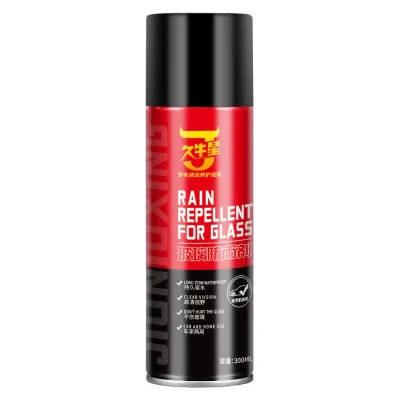
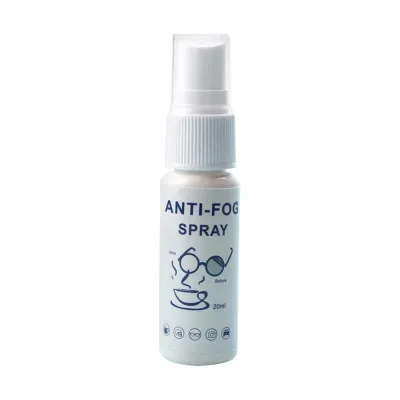
Prices are valid at publication and may change. Please refer to the product page for the latest price.
Inside the cabin, moisture levels rise rapidly from several common sources. Passengers breathing, wet umbrellas from sudden afternoon storms, damp floor mats, and wet shoes all introduce high levels of water vapor into the sealed environment. When this humid air meets the air-conditioned glass, it reaches its dew point, causing water to condense on the surface.
Standard glass cleaners are designed to remove dirt, oils, and fingerprints, but they do not alter the surface tension of the glass. Once the glass is clean, water vapor still condenses into thousands of microscopic, spherical droplets. These tiny droplets scatter light in all directions, creating the cloudy, white barrier known as fog, which severely limits your road visibility.
What to Look for on Anti-Fog Spray Labels
When shopping for an anti-fog treatment, it is essential to understand the difference between hydrophilic and surfactant-based formulations. Hydrophilic coatings work by attracting water, forcing the condensing moisture to flatten out into a continuous, transparent sheet of water that does not scatter light. Surfactant-based formulas lower the surface tension of the water droplets, causing them to collapse. While both can be effective, hydrophilic polymer coatings generally offer longer-lasting durability in tropical climates, whereas basic surfactants may require more frequent reapplication.

Durability claims on product labels require careful evaluation. Many products claim months of protection, but these estimates are often based on temperate climates with low ambient humidity. In Singapore’s continuous heat and moisture, the active ingredients degrade much faster. Look for products that specify their performance limits under high-humidity conditions and prepare for a realistic reapplication schedule.
Compatibility with aftermarket window films is a critical safety and financial consideration. Most vehicles in Singapore utilize aftermarket solar control films to block heat and UV rays. Ammonia and other aggressive solvents commonly found in household glass cleaners can chemically degrade these films, leading to bubbling, peeling, or purple discoloration. Always verify that the label explicitly states the product is “tint-safe” or “ammonia-free” before purchase.
Finally, ensure the product is formulated specifically for interior automotive glass. Avoid using anti-fog sprays designed for bathroom mirrors, swim goggles, or motorcycle helmets on your car’s interior windshield. Automotive glass is subject to intense solar heat and headlight glare; non-automotive formulas can leave a greasy residue that causes dangerous night-time glare and distracting streaks.
How to Apply Anti-Fog Spray for Lasting Results
To ensure the anti-fog treatment bonds correctly to the glass surface, you must follow a precise application process. Always consult your vehicle’s manual and the instructions of any aftermarket window tint manufacturer before applying chemical treatments to interior glass surfaces.
Step 1: Deep Clean the Glass The presence of oils, dust, and plastic off-gassing residues—which form a thin, invisible film on the inside of the windshield over time—will prevent the anti-fog coating from bonding. Use a dedicated, tint-safe glass cleaner and a clean microfiber towel to scrub the glass thoroughly. Any leftover residue will cause the anti-fog spray to streak or fail prematurely.
Step 2: Ensure Complete Dryness Any moisture left on the glass will dilute the anti-fog spray and ruin the application. Wipe the glass a second time with a dry microfiber cloth and let it air dry completely. Ensure the cabin is well-ventilated during this process to allow any residual cleaning solvents to evaporate.
Step 3: Apply the Spray Evenly Spray a light mist of the anti-fog treatment onto a microfiber applicator pad rather than spraying it directly onto the glass. This prevents overspray from landing on your dashboard or leather trim. Work in small, manageable sections, applying the product in overlapping horizontal and vertical straight lines to ensure complete, uniform coverage.
Step 4: Buff to a Clear Finish Before the product dries completely on the glass, use a clean, dry, high-density microfiber towel to buff the surface. Use light pressure and circular motions to clear away any haze or streaks. If you notice smearing, you may have used too much product; flip the microfiber towel to a clean, dry side and buff the area again until the glass is perfectly crystal clear.
Step 5: Allow Proper Curing Many high-quality anti-fog treatments require a curing period to bond with the glass. Avoid turning on the air conditioning, rolling down the windows, or exposing the cabin to high humidity during this time. Check the manufacturer’s instructions for the exact curing duration, as exposing an uncured coating to moisture will wash it away.
Maintaining Clear Windows in Tropical Weather
Over time, even the highest-quality anti-fog barrier will break down due to heat, humidity, and physical contact. Look for visual signs of coating degradation, such as localized fogging around the edges of the windshield, minor streaking when the glass gets cold, or a slight rainbow effect under streetlights. These are clear indicators that the active coating has worn thin and needs to be stripped and reapplied.
To prolong the life of the treatment, avoid wiping the interior glass with dirty hands, tissues, or rough cloths. If you must clean dust off the windshield, use a dry, clean microfiber cloth and wipe very gently. Avoid using chemical glass cleaners or wet wipes on top of the treated surface, as they will immediately strip away the active anti-fog layer.
You can significantly reduce the workload on your anti-fog coating by managing your cabin’s humidity. Use the air conditioning’s recirculation mode to keep humid outside air from constantly entering the vehicle. Avoid pointing the dashboard vents directly at the side windows or windshield, as extreme localized cooling accelerates condensation. Additionally, store wet umbrellas in a waterproof bag and dry out damp floor mats as soon as possible to keep ambient moisture levels low.
Frequently Asked Questions (FAQ)
Can I use anti-fog spray on windows with aftermarket tint?
Yes, but only if the product is explicitly labeled as tint-safe and ammonia-free. Because solar films are applied to the inside of the glass, they are highly sensitive to chemical damage. Using an incompatible spray can permanently ruin the film, requiring expensive replacement. If the label is ambiguous, test the spray on a tiny, hidden corner of a side window first, or consult your tint installer to verify compatibility.
Does interior anti-fog spray work on the outside of the windshield?
No, interior anti-fog sprays are designed to be hydrophilic, meaning they attract water to flatten condensation inside the cabin. If applied to the exterior, the spray will attract rainwater, causing it to pool on the windshield and create a dangerous, blurry sheet of water. Exterior glass requires a hydrophobic coating that forces rain to bead up and blow away with wind resistance and wiper action.
Community discussion
Share your experience or ask a question. Comments are reviewed before publication.