
Selecting the right 360 mirror system for your vehicle in Singapore is not a matter of finding a single “best” product, but rather matching the mirror’s design to your daily driving routes and parking environments. If your daily routine consists of navigating tight, spiral ramps in older Housing & Development Board (HDB) multi-storey carparks, your visibility needs will differ vastly from someone who spends most of their commute cruising along the Pan Island Expressway (PIE) or driving late at night. By analyzing how different mirror shapes, coatings, and mounting styles perform under specific conditions, you can make an informed decision that enhances your spatial awareness and road safety.
Maximizing Visibility in Tight HDB Carparks
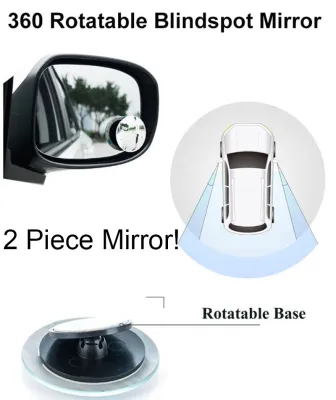
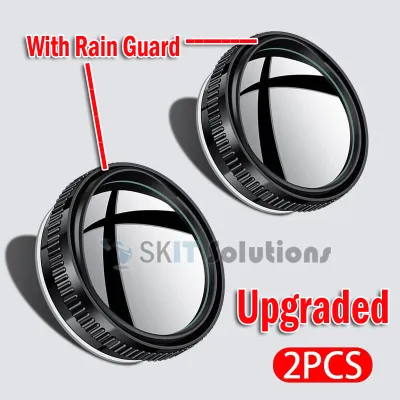
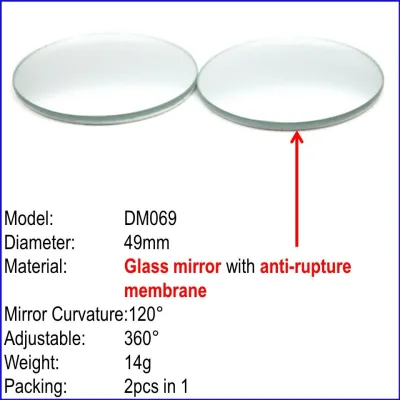
Navigating the narrow lanes, tight corners, and low-clearance structures of older multi-storey carparks requires exceptional close-range visibility. For these environments, small convex blind spot mirrors—often referred to as “360-degree adjustable stick-on mirrors”—are highly effective tools. These compact, curved mirrors are typically applied directly to the outer corner of your existing side mirrors, providing a wide-angle view of the ground, low-lying curbs, and concrete pillars that remain hidden within standard mirror blind spots.
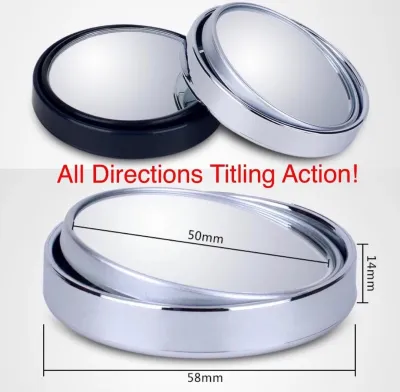
When selecting a convex mirror for close-range maneuvering, the primary goal is to monitor your rear wheels and the immediate lower sides of your vehicle. Frameless, adjustable designs allow you to tilt the mirror independently of the main housing, letting you fine-tune the angle to see the curb during parallel parking or reverse parking. This precise adjustment helps prevent costly curb rash on your alloy wheels and ensures you maintain a safe distance from structural pillars.
Products mentioned in this guide
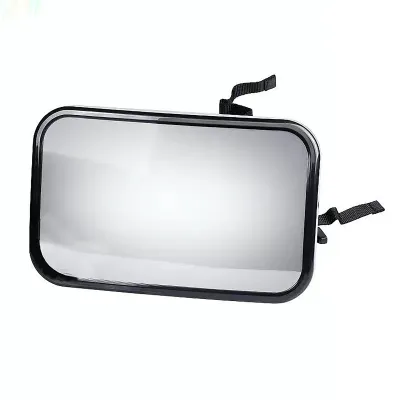
Prices are valid at publication and may change. Please refer to the product page for the latest price.
However, the wide-angle nature of convex glass introduces significant distance distortion. Objects in a highly curved mirror appear much smaller and further away than they actually are. While this distortion is manageable at parking speeds of under 10 km/h, you must rely on your vehicle’s primary flat mirrors to judge actual distances accurately before making any sudden maneuvers.
Because many multi-storey carparks in Singapore feature open-air top decks or exposed visitor parking lots, these add-on mirrors must withstand intense tropical heat, high humidity, and heavy downpours. Before purchasing, verify the quality of the adhesive backing, which is typically a double-sided acrylic foam tape. High-quality, weather-resistant adhesives prevent the mirror from vibrating loose or falling off after prolonged exposure to UV radiation and rain.
Ensuring Stable Awareness for Expressway Commuting
Commuting on busy expressways demands a completely different set of mirror characteristics than low-speed parking. At higher speeds, accurate distance perception and image stability are critical for safe lane changes and monitoring fast-approaching traffic from behind. While an ultra-wide-angle mirror reduces blind spots, the severe image compression can make a vehicle that is dangerously close appear safely distant, leading to misjudgments during lane changes.

For highway driving, a slightly convex replacement mirror glass or a wide-angle clip-on rearview mirror is often more suitable than a highly curved stick-on disc. These options offer a milder curvature that expands your field of view across multiple lanes without excessively shrinking the reflection of trailing vehicles. This balance allows you to spot overtaking vehicles early while still maintaining a realistic sense of their speed and distance.
Vibration resistance is another crucial factor when driving at highway speeds. Cheap, poorly mounted add-on mirrors or loose clip-on systems can vibrate excessively due to wind resistance and road surface imperfections, resulting in a blurry, unusable reflection. Look for aerodynamic, low-profile designs or integrated mirror glass replacements that snap securely into the original housing, ensuring a stable and clear image even at higher speeds.
Before committing to an ultra-wide panoramic clip-on rearview mirror, consider how it interacts with your vehicle’s interior. A mirror that is too wide may obstruct the sun visors when they are flipped down or interfere with the operation of built-in front-facing dashcams. Always measure the clearance around your existing center console and windshield area to ensure a seamless fit.
Reducing Glare and Improving Clarity for Night Driving
Night driving in urban areas presents unique visual challenges, particularly from the glare of high-intensity headlights reflecting off your mirrors. This glare can cause temporary flash blindness, severely reducing your ability to spot pedestrians, cyclists, or lane markings in poorly lit side streets or industrial estates.
To combat this, look for mirror systems that feature specialized anti-glare coatings, such as blue-tinted glass or chrome-plated surfaces. Blue-tinted mirrors are specifically engineered to filter out high-intensity yellow and white light wavelengths, significantly reducing the harshness of trailing headlights without overly darkening your overall field of view. This allows you to maintain situational awareness without constantly adjusting your seating position to avoid glare.
However, there is a trade-off between glare reduction and nighttime clarity. Mirrors with excessively dark tints or low-quality reflective backings can make it difficult to see unlit objects, such as dark-clothed pedestrians or unlit obstacles in quiet residential areas. Ensure the product specifications indicate high optical clarity and a balanced light transmission rate that preserves visibility in low-light conditions.
Maintaining these specialized coatings requires careful attention. Harsh chemical cleaners, abrasive cloths, or ammonia-based glass cleaners can degrade or strip away anti-glare and hydrophobic layers over time. Always refer to the manufacturer’s cleaning instructions, which typically recommend using a soft microfiber cloth dampened with clean water or a mild, pH-neutral soap solution to preserve the mirror’s optical performance.
Balancing Multiple Scenarios and Safe Installation
If your daily driving involves a mix of tight parking structures, fast expressways, and night driving, you may want to consider a dual-purpose or multi-angle mirror system. Some advanced designs feature a split-glass construction, combining a flat upper section for accurate distance tracking with a convex lower section for blind spot coverage. While highly versatile, these systems require a brief adjustment period as your eyes must learn to transition between the two different perspectives quickly.
Regardless of the mirror type you choose, safe installation is paramount to ensure the accessory does not compromise your vehicle’s safety systems. Many modern side mirrors are equipped with integrated blind-spot warning indicators, heating elements, or auto-dimming sensors. Placing a stick-on mirror directly over these sensors or indicators will disable their functionality, potentially creating a greater safety hazard than the blind spot you are trying to cure.
Before applying any adhesive-mounted mirror, thorough surface preparation is essential. Clean the original mirror glass with isopropyl alcohol to remove all grease, dirt, and wax residue, allowing the adhesive to bond fully. Avoid installing the mirror in direct sunlight or wet conditions, and allow the adhesive to cure for the manufacturer-specified time—typically 24 hours—before driving or washing the vehicle.
If you ever need to remove or replace an adhesive mirror, do so carefully to avoid scratching the original glass or damaging the motorized adjustment mechanisms inside the mirror housing. Avoid using metal blades, screwdrivers, or sharp scrapers. Instead, use a plastic trim removal tool or dental floss to gently saw through the adhesive backing, and clean up any remaining residue with a dedicated automotive adhesive remover.
Frequently Asked Questions (FAQ)
Are 360 blind spot mirrors legal for use on Singapore roads?
Yes, aftermarket blind spot mirrors are generally legal for use on Singapore roads, provided they do not obstruct the driver’s primary field of view or protrude beyond the physical width of the vehicle’s original side mirror housings. The Land Transport Authority (LTA) regulates vehicle modifications to ensure they do not pose a hazard to other road users or compromise driver safety. It is important to ensure that any installed mirror is securely mounted, does not interfere with the original mirror’s adjustment mechanisms, and does not block built-in safety indicators or turn signals.
How do I safely remove stick-on 360 mirrors without damaging the glass?
To safely remove a stick-on mirror, start by applying gentle heat to the adhesive backing using a hair dryer to soften the double-sided tape. Once the adhesive is warm and pliable, slide a piece of dental floss, strong sewing thread, or a soft plastic trim tool behind the add-on mirror and gently saw through the softened foam tape. Avoid using metal scrapers, screwdrivers, or razor blades, as these can easily scratch or shatter the original mirror glass. After removing the mirror, clean off any remaining sticky residue using a microfiber cloth and a mild automotive adhesive remover or rubbing alcohol.
Community discussion
Share your experience or ask a question. Comments are reviewed before publication.