
Finding a car perfume that survives Singapore’s intense tropical climate requires understanding how extreme heat and high humidity interact with fragrance carriers. When your car is parked in an open-air lot under the midday sun, cabin temperatures can soar rapidly, causing liquid and gel-based air fresheners to evaporate at an accelerated rate. To achieve the longest-lasting scent without constantly replacing your air freshener, solid gel cans with adjustable lids and membrane-controlled vent clips generally offer the most stable performance. These formats allow you to physically restrict airflow and evaporation, helping the fragrance withstand the daily cycle of intense heat and rapid air-conditioned cooling.
How Heat and Humidity Alter Car Fragrance Performance
The physical behavior of fragrance oils and their carrier solvents changes dramatically depending on the ambient temperature of your vehicle’s cabin. In a parked car exposed to direct sunlight, the air inside acts like a greenhouse, trapping heat and causing volatile organic compounds in the perfume to vaporize rapidly. When you start the engine and turn on the air conditioning, this rapid cooling temporarily slows down evaporation, but the constant temperature cycling puts a heavy strain on the fragrance medium. This cycle often leads to an initial burst of overwhelming scent followed by a rapid decline in longevity, leaving the product dry or depleted much sooner than its advertised shelf life.
Humidity plays an equally critical role in how we perceive these scents and how long they linger in the air. High relative humidity, typical of Singapore’s climate, saturates the air with water vapor, which can alter the diffusion rate of fragrance molecules. In highly humid conditions, your olfactory receptors can quickly become saturated, leading to olfactory fatigue where you no longer notice the scent even though it is still actively evaporating. This phenomenon often prompts drivers to open diffusers wider or use more product, unintentionally accelerating the depletion of their car perfume.
Products mentioned in this guide
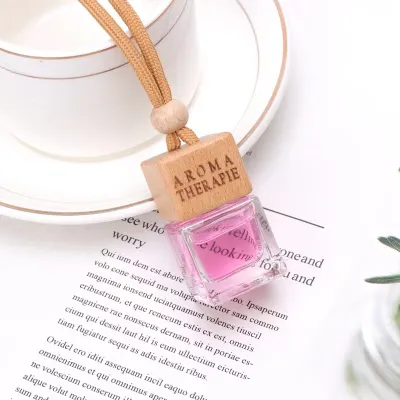
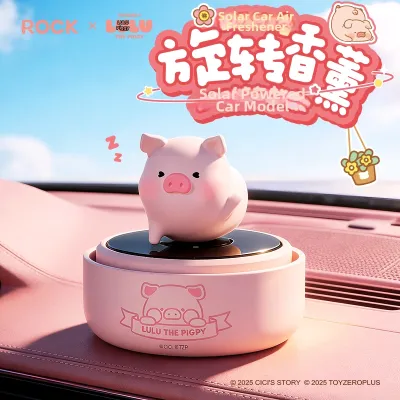
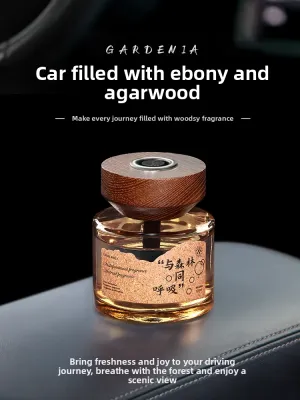
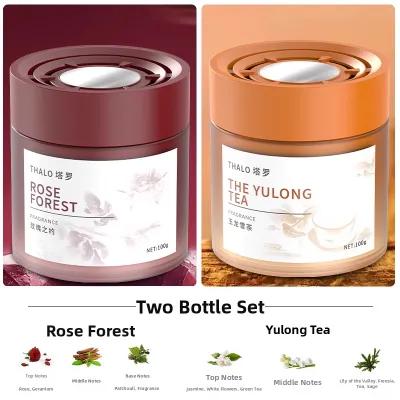
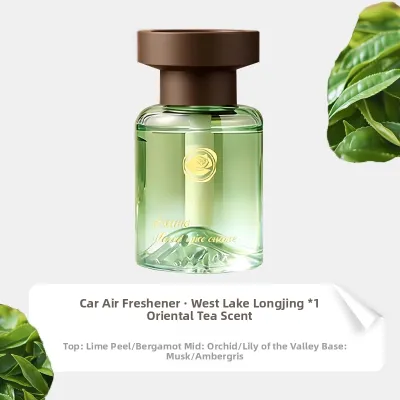
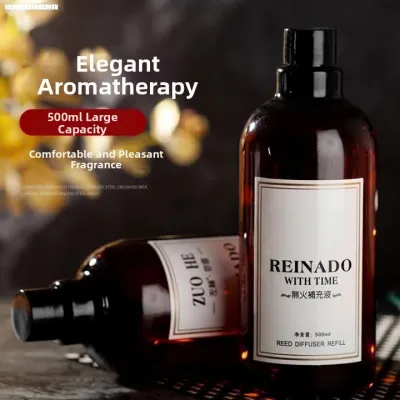
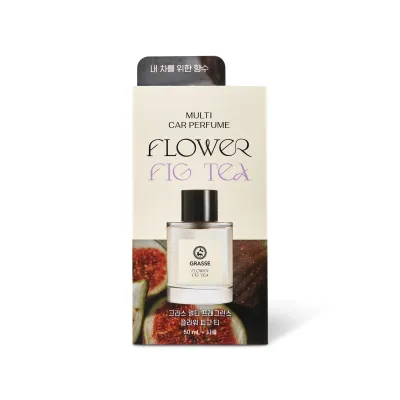
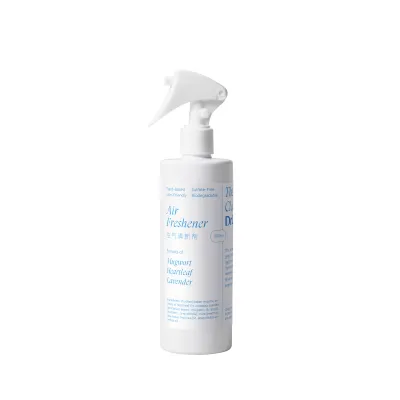
Prices are valid at publication and may change. Please refer to the product page for the latest price.
Understanding the difference between a product’s ambient shelf life and its active in-car lifespan is essential for managing expectations. A fragrance rated to last up to sixty days in a temperature-controlled indoor environment may only last a fraction of that time when subjected to daily cabin heat. To maximize the active lifespan, look for formats that shield the active fragrance reservoir from direct airflow and heat radiation, allowing for a slow, controlled release rather than unrestricted evaporation.
Comparing Car Perfume Formats for Tropical Climates
Different car perfume formats utilize distinct physical states—such as solids, gels, liquids, or porous materials—to hold and release fragrance oils. Each state reacts uniquely to the high ambient temperatures and humidity levels of a tropical climate, affecting both scent consistency and overall longevity. Before purchasing, always read the product labels to check for specified temperature limits, installation instructions, and warnings regarding direct sunlight exposure.

Vent Clips
Vent clips are designed to utilize the vehicle’s active ventilation system to distribute scent throughout the cabin. When the air conditioning is running, the cool air stream passes over the fragrance membrane or saturated pad, carrying the scent molecules efficiently without overheating the carrier medium. However, when the vehicle is parked and the AC is off, the stagnant heat inside the vent housing can still cause the perfume to evaporate, albeit at a slower rate than formats exposed to direct sunlight on the dashboard.
To monitor the longevity of a vent clip, regularly check the saturation level of the internal felt pad or the fluid level behind the diffusion membrane. Many modern vent clips feature adjustable mechanical shutters that allow you to restrict the exposure area, which is highly beneficial for extending the product’s lifespan during hot spells. This format is highly suitable for drivers who prefer localized, adjustable scent intensity that only activates fully when the ventilation system is operating.
Gel Cans
Gel-based air fresheners consist of fragrance oils suspended in a polymer or gelatinous matrix, which gradually shrinks as the scent evaporates. In hot climates, these gels are highly favored because they do not present an immediate spill hazard if tipped over, making them a stable choice for bumpy roads. However, extreme dashboard temperatures can cause some lower-quality gels to liquefy, harden prematurely, or shrink rapidly into a useless solid block.
To prevent rapid degradation, perform regular visual checks on the gel’s physical state; if you notice liquefaction or severe cracking, it may be time to move the can to a cooler spot. Utilizing the adjustable openings on the plastic lid is the most effective way to control the evaporation rate, allowing you to keep the vents minimally open while still achieving a consistent scent throw. Always place gel cans away from direct sunlight, ensuring they are secured on a flat surface where they cannot slide or interfere with foot pedals.
Liquid Diffusers
Liquid diffusers typically use a glass bottle filled with concentrated fragrance oil, relying on a porous wood cap, reed, or fabric wick to draw the liquid upward via capillary action. While liquid formats often provide a very clean and premium scent profile, they are highly sensitive to temperature fluctuations. When a car is parked in the sun, the air and liquid inside the sealed bottle expand, which can force excess liquid up the wick and lead to rapid evaporation or hazardous spills.
Regularly inspect the wick or reed mechanism to ensure it is drawing liquid consistently without becoming oversaturated or clogged with dust. Because of the risk of liquid expansion, it is critical to adhere strictly to the manufacturer’s fill lines and ensure the bottle remains in a perfectly upright position at all times. Never overfill the diffuser, and verify that the mounting bracket or adhesive pad is rated to withstand cabin heat without losing its grip.
Hanging Fragrances
Hanging fragrances, often made of infused cardboard, felt, or small wood-cap bottles, rely on the natural movement of cabin air to disperse their scent. In Singapore’s humid climate, the porous materials can absorb moisture from the air when the car is parked, which can temporarily mask or alter the fragrance release. Once the air conditioning dries out the cabin air during a drive, the porous material releases the scent rapidly, often leading to a short, intense lifespan.
For wood-cap hanging bottles, you must periodically invert the bottle for a few seconds to re-saturate the wooden lid with fragrance oil. However, do this with caution to prevent oil from dripping onto your dashboard or hanging string. Always perform safety checks to ensure the hanging fragrance is secured properly and does not swing excessively, obstruct the driver’s line of sight, or interfere with the operation of rearview mirrors and advanced driver-assistance system (ADAS) sensors.
Strategic Placement to Balance Longevity and Scent Intensity
Where you position your car perfume plays a massive role in how long it lasts and how comfortable the cabin environment remains. The upper dashboard and the rear parcel shelf are the highest-heat zones in any vehicle, as they receive direct, unfiltered sunlight through the windshield and rear glass. Placing any fragrance format in these areas accelerates chemical breakdown and evaporation, drastically shortening the product’s lifespan and often creating an overpowering, headache-inducing scent concentration.
To maximize longevity, utilize shaded areas within the cabin that remain shielded from direct solar radiation. The center console, door pockets, or cup holders are excellent alternative locations that keep the fragrance cooler while still allowing natural air circulation to distribute the scent. For gel cans or solid blocks, placing them under the front seats using secure hook-and-loop fasteners or non-slip pads keeps them completely out of the sun, resulting in a much slower, more uniform evaporation rate.
Your parking habits should also dictate your placement strategy. If your vehicle is primarily parked in shaded basement car parks or multi-storey structures, you have more flexibility with format placement. However, if you frequently park in open-air lots exposed to the full force of the tropical sun, prioritize under-seat or low-vent placements, and consider closing the adjustable lids of your diffusers entirely before leaving the vehicle for extended periods.
Protecting Your Car Interior from Fragrance Damage
While car perfumes enhance the driving experience, the concentrated fragrance oils and organic solvents they contain can be highly destructive to automotive interior materials. If these liquids leak, drip, or off-gas excessively, they can chemically react with plastics, vinyl, and leather, leading to unsightly bubbling, peeling, or permanent discoloration. This damage is often exacerbated by high cabin temperatures, which accelerate the chemical degradation of the underlying materials.
To safeguard your vehicle’s interior, always use secondary containment or spill-proof mounts, especially for liquid diffusers and gel formats. Avoid placing any fragrance product directly on painted plastic trim, soft-touch dashboard surfaces, or premium leather upholstery. If you are using a vent clip, ensure it fits securely on the vent slats without scratching the plastic or putting excessive tension on the directional fins, which can snap under pressure.
In the event of an accidental spill or leak, immediate action is required to minimize damage. Blot the liquid immediately with a clean microfiber cloth, avoiding rubbing which can spread the chemical deeper into the material. Clean the area thoroughly using a mild, pH-neutral automotive interior cleaner that is explicitly authorized by your vehicle manufacturer’s care guidelines. If you notice any persistent discoloration, sticky residue, or structural softening of the plastic, stop using the product immediately and consult a professional automotive detailer or interior restoration specialist.
Frequently Asked Questions (FAQ)
Can I leave my car perfume in the vehicle when parked under the sun?
Leaving car perfumes in a vehicle parked under direct sunlight carries significant risks due to the extreme temperature spikes that occur inside a sealed cabin. These high temperatures can cause liquid fragrance oils to expand and leak, gels to melt into liquid, and pressurized or sealed containers to rupture. Always check the product packaging for maximum storage and operating temperature limits before leaving them exposed. If you must park outdoors for prolonged periods, it is highly recommended to shield the perfume from direct sunlight by placing it in the glovebox, under the seat, or temporarily removing sensitive liquid formats from the vehicle.
Why does my car perfume smell overpowering when I first enter the vehicle?
When a car is parked in the heat, volatile organic compounds from the fragrance oil evaporate rapidly and accumulate in the stagnant, sealed air of the cabin. This creates a highly concentrated pocket of scented air that can be overwhelming and cause olfactory fatigue when you first open the door. To manage this initial burst, roll down your windows to ventilate the cabin and allow fresh air to circulate for a minute before turning on the air conditioning. Additionally, you can adjust the exposure surface area of your diffuser by closing the lid slightly, or move the product to a less concentrated zone like the floorboard or under the seat to reduce the immediate scent intensity.
Community discussion
Share your experience or ask a question. Comments are reviewed before publication.