
Finding a car air freshener that survives the intense tropical climate of Singapore is a common challenge for vehicle owners. When a car is parked in an open-air lot under direct sunlight, interior cabin temperatures can rapidly climb, accelerating the evaporation of scent compounds. To achieve the longest-lasting fragrance, drivers must look beyond marketing claims and evaluate how different carrier materials—such as gels, liquids, papers, and polymers—behave under extreme heat and high relative humidity. Generally, solid gel canisters with adjustable lids and membrane-based vent clips offer the most controlled scent release, while hanging paper cards and open liquid diffusers tend to deplete rapidly in tropical conditions.
Understanding How Singapore's Climate Affects Scent Longevity
The physical lifespan of any car air freshener is directly tied to the ambient temperature and humidity of its environment. In Singapore, where relative humidity consistently averages above 80% and daytime temperatures frequently exceed 30°C, the rate of chemical volatilization increases dramatically. When scent molecules are exposed to high ambient heat, their kinetic energy rises, causing them to transition from a liquid or solid state into a gas much faster than they would in a temperate climate. This accelerated evaporation means a product rated for sixty days in cooler regions might lose its efficacy in less than three weeks.
Humidity introduces another layer of complexity, particularly for porous carrier materials. High moisture content in the air slows down the evaporation of water-based components while simultaneously saturating materials like paper, wood, or cardboard. This moisture saturation can disrupt the structural integrity of the carrier, causing it to warp, sag, or release its fragrance in an uneven, rapid burst followed by complete scent depletion. Furthermore, the constant presence of airborne moisture can lead to mold or mildew formation on organic carriers if they remain damp for extended periods inside a closed cabin.
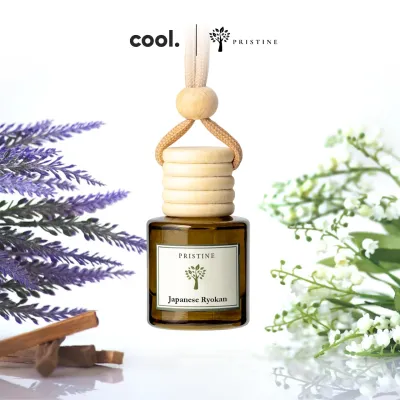
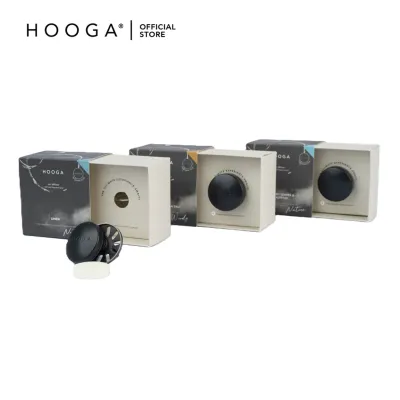
Products mentioned in this guide
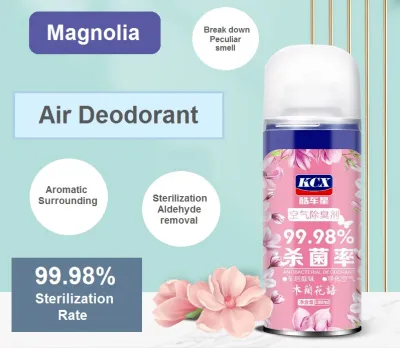
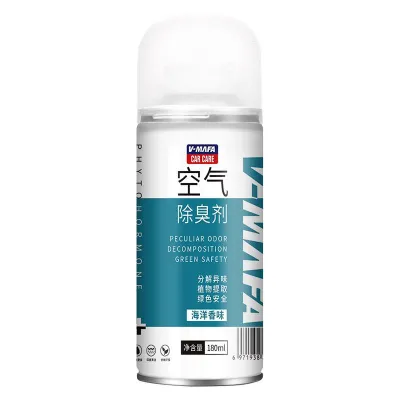
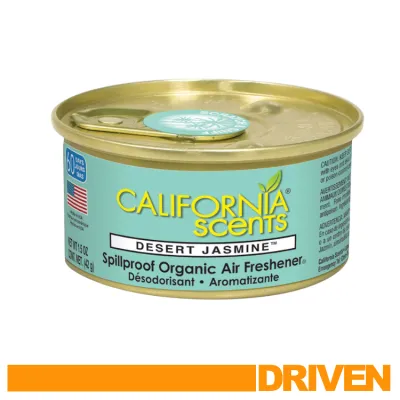
![[ARORAH] Natural Home Air Freshener | Long-Lasting Car Perfume | Car Freshener Perfume California Scents Alternatives](https://img.lazcdn.com/g/p/e882b222652dd73990d7dd2ee9796ee3.jpg_400x400q80.jpg_.webp)
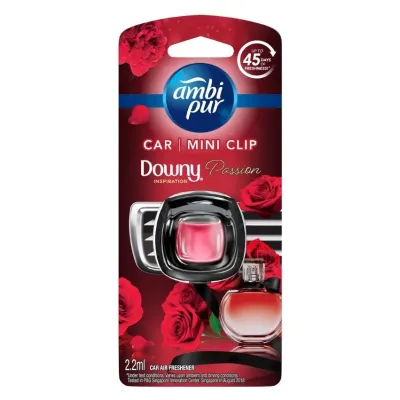

Prices are valid at publication and may change. Please refer to the product page for the latest price.
The stark contrast between a parked vehicle and an active, air-conditioned driving environment also plays a critical role in scent depletion. When parked outdoors in an open-air car park, a vehicle acts as a greenhouse, trapping solar radiation and raising interior temperatures far above the ambient outdoor temperature. This intense heat spike forces air fresheners to release scent molecules at an unsustainable rate into an empty cabin. Once the driver enters and turns on the air conditioning, the sudden drop in temperature and humidity temporarily slows down evaporation, but the damage to the product’s lifespan has already been done during the hours of parked exposure.
Evaluating Air Freshener Formats for Tropical Conditions
Selecting the right format requires understanding how different carrier materials react to continuous heat and humidity. Each design utilizes a distinct method to store and release fragrance oils, making some formats inherently more resilient to tropical cabin environments than others.

Vent Clips and Liquid Diffusers
Vent clips and liquid diffusers rely heavily on active airflow from the vehicle’s air conditioning system to disperse scent throughout the cabin. This design is highly efficient during active driving sessions, as the cool, dry air from the vents helps regulate the evaporation rate of the liquid fragrance. However, when the vehicle is parked in direct sunlight, the liquid reservoir remains exposed to high ambient heat, which can cause the liquid to expand, build up pressure, or evaporate through the membrane even without active airflow.
A primary risk associated with liquid-based systems is the potential for dashboard spills or leakage. High cabin temperatures can degrade plastic housings or weaken the seals of clip mechanisms, leading to structural failures. If highly concentrated fragrance oils leak onto plastic dashboards, leather upholstery, or sensitive electronic consoles, they can cause permanent bubbling, peeling, or discoloration. Drivers should regularly check the physical integrity of the clip and ensure it is securely attached to horizontal or vertical vent slats according to the manufacturer’s instructions, keeping it clear of any control buttons or touchscreens.
Gel and Solid Canisters
Gel and solid canisters are highly popular for tropical climates due to their stable physical structure. These products typically use a polymer or gelatinous matrix that holds the fragrance oils in place, releasing them slowly as the gel shrinks over time. The solid or semi-solid nature of these canisters makes them highly resistant to spilling, even if the vehicle travels over uneven road surfaces or speed bumps.
Despite their stability, gel formulations are still subject to temperature limits. Under extreme heat, some lower-quality gels can melt back into a liquid state, which significantly accelerates evaporation and increases the risk of leakage if the canister is tilted. Drivers should inspect the product packaging for specific temperature stability ratings and look for visual indicators of depletion, such as severe shrinkage, cracking, or discoloration of the gel block. To maximize their lifespan, these canisters should be placed away from direct sunlight and active heater vents, ideally in a shaded cup holder or under a seat where temperatures remain slightly lower.
Hanging Cards and Porous Wood Diffusers
Hanging cards made of compressed paper and diffusers utilizing porous wood or clay are lightweight and highly accessible options. These formats work by absorbing fragrance oils and allowing them to evaporate naturally into the surrounding air. However, in high-humidity environments, these porous materials quickly reach their moisture saturation limits.
When a paper card or wooden diffuser absorbs ambient moisture from the humid air, the water molecules compete with the fragrance oils for space within the porous structure. This often results in a rapid, uncontrolled release of the scent within the first few days, followed by a sudden drop in performance as the carrier becomes waterlogged. Additionally, continuous exposure to high humidity can cause paper cards to warp, bend, or degrade physically. Drivers using these formats must be prepared for more frequent replacements and should carefully inspect the product packaging for any protective film instructions, which are designed to be peeled back gradually to control the exposure area.
What to Check on Product Labels Before Buying
To ensure a car air freshener can withstand tropical conditions, buyers must perform a thorough check of the product label and specifications before making a purchase. First, look for explicit manufacturer temperature thresholds. High-quality automotive air fresheners often state a maximum operating temperature on their packaging, indicating the limit at which the casing, gel, or liquid remains structurally stable. Products designed specifically for high-heat environments may also feature UV-resistant plastics that prevent the housing from becoming brittle and cracking under direct sunlight.
Second, prioritize products that feature adjustable-release or spill-proof mechanisms. Many gel canisters and membrane vent clips include adjustable vents or sliding covers that allow the user to restrict the exposed surface area of the scent carrier. In hot climates, keeping these vents partially closed can significantly extend the product’s lifespan by limiting the rate of evaporation. Spill-proof designs, such as solid fiber cans or sealed membrane cartridges, provide an extra layer of safety by ensuring that even if the product is subjected to extreme heat or accidental tipping, no liquid can escape to damage the vehicle’s interior.
Finally, verify the mounting and placement instructions on the label to ensure compatibility with your vehicle’s interior layout. The packaging should clearly outline safe mounting zones, warning users to avoid placing the item within airbag deployment paths, directly on sensitive leather surfaces, or in areas where it might obstruct the driver’s line of sight. If the product requires adhesive pads for mounting, check if the adhesive is rated for high-temperature automotive use, as standard adhesives often melt and slide off dashboards in tropical heat, leaving a sticky residue that is difficult to clean.
Placement and Maintenance Strategies to Maximize Scent Life
Proper placement is one of the most effective ways to extend the life of any car air freshener in a hot climate. The dashboard and front windshield area experience the highest levels of solar radiation and heat buildup. Placing an air freshener in these zones guarantees rapid depletion and increases the risk of material degradation. Instead, opt for shaded, lower-elevation zones within the cabin. The floor space under the front seats, the lower center console, or rear door pockets are excellent alternative locations that remain significantly cooler and shielded from direct sunlight.
Regular maintenance and inspection are also necessary to protect your vehicle’s interior surfaces. If a gel or liquid air freshener does experience a structural failure and leaks, immediate action is required to prevent permanent damage. For authorized cleanup, refer to your vehicle manufacturer’s guidelines for interior care. Generally, mild soap and a damp microfiber cloth can be used to gently wipe away water-based residues from plastic surfaces, but harsh chemical cleaners should be avoided as they may react with the spilled fragrance oils and worsen the damage to leather, vinyl, or soft-touch plastics. Always test any cleaning method on an inconspicuous area first.
If you observe any signs of structural failure—such as a cracked housing, a melting gel block, or an unexpected oily residue on the exterior of the product—stop using the air freshener immediately. Remove the compromised unit from the vehicle and dispose of it safely. If the product failed well within its stated operating conditions, consult the manufacturer’s customer service for guidance or to report a defect, rather than attempting to patch or modify the housing yourself.
Frequently Asked Questions (FAQ)
Can I leave a gel air freshener in my car when parked under the sun?
Leaving a gel air freshener in a vehicle parked under direct sunlight carries distinct performance and safety risks. When a car is parked outdoors without ventilation, cabin temperatures can quickly exceed the melting point of standard gel formulations. This extreme heat causes the gel matrix to liquefy, which accelerates the evaporation of the fragrance oils and can lead to leakage if the container is tilted or moved. To minimize these risks, drivers should check the product packaging for the maximum temperature limit and place the canister in a shaded, low-lying area of the cabin, such as under a seat or inside a lower door pocket, where temperatures are less intense.
Do essential oil diffusers last longer than synthetic sprays in humid weather?
The longevity of essential oil diffusers compared to synthetic sprays depends heavily on the volatility of the specific compounds and the presence of carrier oils. Natural essential oils often have high volatility, meaning they evaporate quickly when exposed to heat and humidity unless they are blended with a stable carrier oil that slows down their release. Synthetic sprays, on the other hand, are formulated for immediate scent dispersion but offer very little long-term retention in humid air, as the fine droplets quickly settle and dissipate. When choosing between them, check the ingredient list and manufacturer claims for humidity-stabilizing agents or slow-release carriers that help maintain scent consistency in tropical climates.
Community discussion
Share your experience or ask a question. Comments are reviewed before publication.