
Selecting the right phone holder car mount for rear seat passengers on long trips requires balancing passenger comfort with vehicle safety and device stability. The most reliable solution is a mount that attaches securely to the front seat’s headrest support bars or wraps firmly around the seat back, positioning the screen at eye level to prevent neck strain. By choosing a mount with robust vibration dampening and adjustable viewing angles, you can keep passengers entertained throughout the journey while keeping the front cabin organized and the driver’s rear view completely unobstructed.
Core Needs for Rear Seat Entertainment on Long Drives
Long road trips often require keeping rear passengers engaged for hours to ensure a peaceful cabin. Holding a phone for extended periods leads to hand fatigue and encourages a head-down posture that causes neck and eye strain. A dedicated rear seat mount positions the screen at eye level, promoting better posture and a more comfortable viewing experience for passengers of all ages.
Road surfaces are rarely perfectly smooth, and constant movement can ruin the viewing experience. Vibrations and sudden bumps can cause an unsecured phone to shake violently, making video content difficult to watch and potentially causing eye strain or motion sickness. A high-quality mount must absorb these road vibrations to keep the screen steady and legible.
Products mentioned in this guide
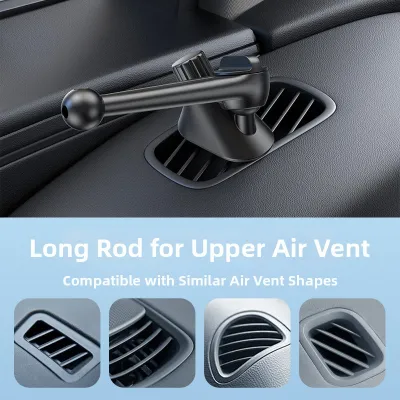

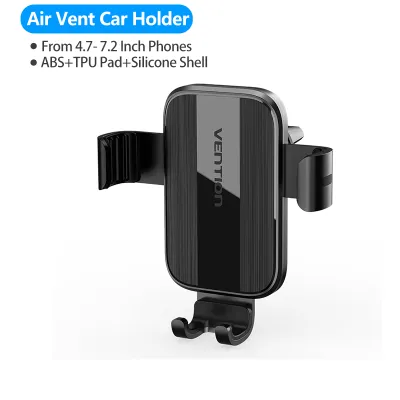
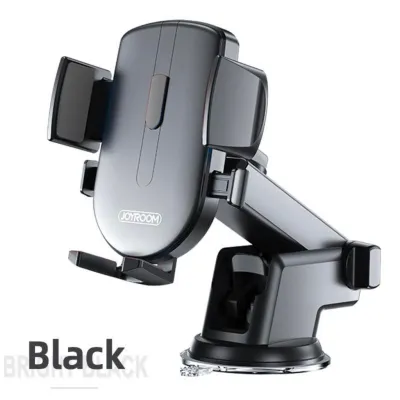

Prices are valid at publication and may change. Please refer to the product page for the latest price.
Additionally, front-seat passengers and drivers need a clutter-free environment to focus on the road. Mounts that attach to the front windshield or dashboard can obstruct the driver’s view or interfere with console controls. By shifting the entertainment setup entirely to the rear of the front seats, the driver maintains a clear, unobstructed line of sight through the rearview mirror while keeping the front console free of tangled cables.
Vehicle Compatibility and Safety Boundaries
Before purchasing any rear seat accessory, safety must be your primary consideration. Many modern vehicles feature side-impact airbags or active head restraint systems embedded within the front seats. You must verify the deployment zones of these safety systems in your vehicle’s owner’s manual to ensure that a clamp or strap does not block or interfere with their operation in an emergency.

Examine the physical structure of your front headrests to determine which mounting style is compatible. Standard headrests feature two exposed metal support posts that slide into the seat back. However, some vehicles utilize integrated sports seats or active headrests that do not have exposed metal bars. Attempting to force a clamp onto a non-compatible seat can damage the internal mechanisms or compromise the headrest’s safety function.
Upholstery material is another critical factor when selecting a mounting system. High-tension straps, rigid plastic edges, or sharp metal clips can leave permanent indentations, scuffs, or tears on delicate leather or soft fabric seat backs. Checking the contact points of the mount for protective padding can prevent costly cosmetic damage to your car’s interior.
If you are unsure about the airbag locations, headrest design, or structural limits of your seats, stop and consult your vehicle owner’s manual or contact the manufacturer before installing any aftermarket mounting hardware.
Mounting Styles: Headrest Bars vs. Seat Back Attachments
Rear seat mounts generally fall into two main categories: headrest bar clamps and seat back straps. Understanding the mechanical differences between these styles helps you choose the option that matches your vehicle’s interior and your stability requirements.
Headrest bar clamps attach directly to the exposed metal posts of the front seats. These clamps typically use a screw-tightened bracket or a spring-loaded mechanism to grip the metal bars securely. Because they anchor to the rigid metal frame of the seat, they offer excellent stability and minimal vibration, making them ideal for holding devices steady on bumpy roads. However, they require precise tightening during installation to prevent the clamp from sliding down the posts over time.
Seat back straps or clips wrap around the entire headrest or the upper portion of the seat back. This style is highly versatile and serves as the primary option for vehicles with integrated headrests that lack exposed metal bars. While easy to install and adjust, these fabric or rubber straps require careful tensioning. If the strap is too loose, the mount will sag and bounce; if it is too tight, it may strain the seat seams or leave marks on the upholstery.
When choosing between these styles, consider the trade-off between installation speed and long-term performance. Headrest clamps are semi-permanent and offer superior vibration resistance, whereas strap-on mounts are highly portable and quick to transfer between vehicles but may require frequent re-tensioning to maintain a stable viewing angle.
Key Features to Verify for a Stable Viewing Experience
To ensure the mount performs reliably on long journeys, you should verify several physical and mechanical specifications before making a purchase.
First, check the device compatibility limits of the mounting bracket. Measure your phone while it is inside its protective case, noting the total width and thickness. Many mounts specify a maximum clamp expansion width and depth; choosing a mount with a shallow grip may cause a thick, ruggedized phone case to slip out during sudden stops. Additionally, verify the manufacturer’s stated weight limit to ensure the mount’s joints will not droop under the weight of your specific device.
Second, evaluate the articulation and joint design. Look for mounts featuring a ball-and-socket joint or a multi-axis arm that allows for 360-degree rotation and wide-angle tilting. This adjustability is crucial for accommodating passengers of different heights, allowing shorter children and taller adults to adjust the screen to eye level. It also helps minimize glare from the side windows during daytime driving.
Finally, inspect the quality of the grip and padding on the mount itself. The areas that contact your phone and your vehicle’s headrest should be lined with thick silicone, textured rubber, or dense foam. This padding serves a dual purpose: it prevents the plastic components of the mount from scratching your phone’s chassis, and it dampens high-frequency road vibrations, eliminating annoying rattling noises inside the cabin.
Frequently Asked Questions (FAQ)
Can I use a rear seat phone mount for a tablet?
Many rear seat phone mounts feature expandable brackets that can accommodate smaller tablets, but you must verify the manufacturer’s specifications before mounting a larger device. Tablets are significantly heavier and wider than smartphones, which puts additional stress on the mount’s joints and clamping mechanism. Exceeding the recommended weight limit can cause the mounting arm to droop, slide down the headrest posts, or release the device entirely when hitting a bump. Always measure your tablet’s width and check the mount’s maximum load capacity to ensure a secure fit.
Will a headrest mount fit cars with integrated sports seats?
Standard headrest mounts that rely on metal clamping brackets will not fit vehicles equipped with integrated sports seats or one-piece seat designs, as these seats lack exposed metal support posts. For these configurations, you will need to look for seat-back strap alternatives that wrap securely around the upper portion of the seat. Before installing a strap-style mount on an integrated seat, verify that the strap does not block any built-in airbags, seat-back pockets, or ventilation cooling vents integrated into the seat structure.

Community discussion
Share your experience or ask a question. Comments are reviewed before publication.