
To maintain a pleasant driving environment in Singapore’s year-round tropical heat, selecting the right Paradise car air freshener requires prioritizing light, crisp, and highly volatile-friendly fragrance profiles. Scents dominated by citrus, aquatic, or green tea notes are the most effective choices for this climate. Unlike heavy or sweet alternatives, these clean profiles cut through dense, humid air without becoming cloying, suffocating, or headache-inducing. Choosing the right scent is only half the battle; you must also match the fragrance with a heat-resistant product format and position it strategically to protect your vehicle’s interior.
Driving in Singapore presents a unique set of environmental challenges for any car interior accessory. With outdoor temperatures regularly exceeding 30 degrees Celsius and relative humidity levels often hovering above 80 percent, the cabin of a parked car quickly transforms into a high-temperature chamber. This extreme environment fundamentally alters how fragrances behave, how quickly they evaporate, and how our olfactory senses perceive them. By understanding the science behind scent dispersion in tropical climates, you can make an informed decision that keeps your vehicle smelling fresh and inviting.
Why Singapore's Tropical Climate Changes Your Scent Choice
The intense solar radiation experienced in Singapore creates a severe greenhouse effect inside parked vehicles. When a car is left in an open-air parking lot, solar energy passes through the windshield and windows, heating up the dark dashboard, seats, and steering wheel. This trapped heat can easily push cabin temperatures past 60 degrees Celsius within an hour. For any car air freshener, this extreme thermal buildup acts as a massive accelerator, drastically increasing the kinetic energy of the fragrance oils and carrier solvents, which causes them to evaporate at an unnatural, hyper-accelerated rate.
Products mentioned in this guide
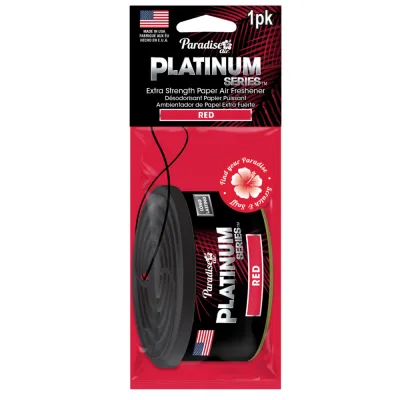
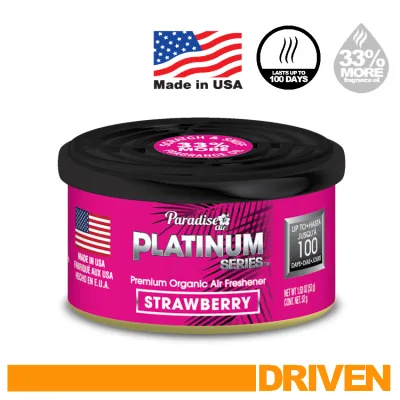
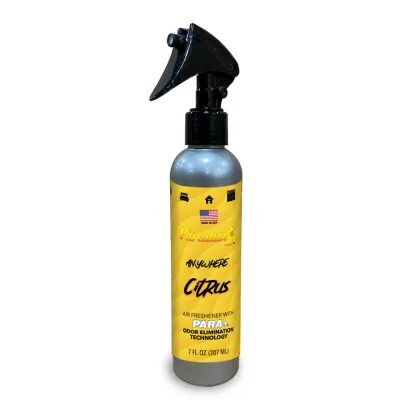
Prices are valid at publication and may change. Please refer to the product page for the latest price.
As these fragrance molecules volatilize rapidly, they saturate the confined, unventilated space of your car’s cabin. Under normal, temperate conditions, an air freshener is designed to release its scent slowly over several weeks. In a superheated vehicle, however, the entire reservoir of top and middle notes can be released in a matter of days, creating an overwhelming concentration of perfume. When you open the car door after a long day at work, you are met not with a subtle hint of freshness, but with a dense, suffocating wall of scent that can be immediately off-putting.
Furthermore, high relative humidity significantly alters how our noses perceive these airborne scent molecules. Humid air is physically heavier and packed with water vapor, which can trap and concentrate heavier fragrance compounds close to the cabin floor and seats. This moisture-laden air prevents the fragrance from dispersing evenly, making rich, sweet, or oily notes feel incredibly thick and cloying. In a small, enclosed space like a car interior, this lack of ventilation and high humidity can quickly lead to sensory overload, transforming a premium fragrance into an uncomfortable driving distraction.
Scent Profiles That Perform Best in Heat and Humidity
To combat the physical challenges of a tropical climate, you should focus on specific fragrance families within the Paradise product range that naturally thrive in high temperatures. The most successful options are citrus-based scents, which feature prominent notes of lemon, lime, grapefruit, or bergamot. Citrus molecules are light and highly volatile, meaning they rise and disperse quickly through the air. Their natural acidity and crispness provide an immediate sensation of cleanliness, helping to neutralize stale cabin odors without adding a heavy, artificial layer of perfume to the atmosphere.

Aquatic and marine scent profiles are equally suited for Singapore’s humid climate. These fragrances are formulated to mimic the fresh, breezy scent of the ocean, often incorporating clean ozone notes, sea salt, and light green undertones. Because they lack heavy, sugary base notes, aquatic scents remain exceptionally clean and airy even when the cabin temperature rises. They work in harmony with your car’s air conditioning system to create a cooling, refreshing sensory experience that can make a hot commute feel significantly more comfortable.
Green tea and light herbal or minty profiles also offer outstanding performance under tropical conditions. Green tea notes provide a subtle, earthy cleanliness that relaxes the senses without overpowering them, while mint or eucalyptus undertones introduce a crisp, cooling sensation that physically cuts through heavy, humid air. These profiles are highly effective at preventing olfactory fatigue—a common issue where your nose becomes desensitized to a constant, heavy smell, leading to headaches or a general sense of stuffiness during longer journeys across the island.
Conversely, there are several scent profiles that you should approach with extreme caution or avoid entirely in a hot climate. Heavy florals, such as intense jasmine, gardenia, or deep rose, tend to become excessively sweet and cloying when heated. Similarly, gourmand fragrances centered around rich vanilla, chocolate, caramel, or warm spices should be avoided; heat amplifies their heavy base notes, making the cabin smell like a suffocating bakery. Dense woody, amber, or heavy musk fragrances can also become incredibly oppressive in a humid environment, trapping heat sensationally and potentially inducing nausea or motion sickness for sensitive passengers.
Before making a purchase, always verify the specific scent profile by checking the product packaging, ingredient lists, or official product descriptions on brand websites and online marketplaces. Because product lines, variant names, and local stock availability can fluctuate, focusing on the underlying scent notes rather than the marketing name is the most reliable strategy. Look for explicit mentions of citrus, marine, green tea, or mint, and double-check that the product is formulated for high-temperature stability if the manufacturer provides that specification.
Choosing the Right Air Freshener Format for High Temperatures
The physical format of your Paradise air freshener plays a critical role in how safely and effectively it performs in Singapore’s heat. Vent clips are widely considered one of the most practical and controllable options for tropical driving. Because these devices attach directly to your vehicle’s air conditioning louvers, they rely on active airflow to disperse their fragrance. When your car is parked and the engine is off, the scent release drops to a minimum, preventing the cabin from becoming completely overwhelmed with concentrated vapor while you are away. Once you start the car and turn on the AC, the cool air gently carries the scent throughout the cabin, allowing you to control the intensity by adjusting the fan speed.
Hanging cards and paper pendants offer a simple, cost-effective method for mild, continuous fragrance release. These formats are generally safe from melting, but they present unique physical risks that require careful installation. Always ensure that any hanging air freshener is secured properly to your rearview mirror or an assist grip so that it does not swing excessively during sudden braking or sharp turns. It must never obstruct the driver’s forward vision or physically strike the windshield, which can cause distracting reflections or even chip the glass over time.
Liquid and gel-based air fresheners require the highest level of caution in tropical climates. Liquid diffusers rely on capillary action or wicks, which can fail if the container tips over or if extreme heat causes the liquid to expand and leak. Concentrated fragrance oils are highly corrosive solvents; if they spill onto your dashboard, they can permanently melt plastic trims, peel leather upholstery, or short-circuit delicate electronic components and infotainment screens. Always check the manufacturer’s label and your vehicle’s care instructions before placing any chemical product near sensitive materials. Gels, while less prone to immediate spilling, can liquefy entirely when exposed to extreme dashboard heat, leading to rapid evaporation, unsightly residue, or unexpected leaks. Always check the manufacturer’s temperature limits on the product label and avoid placing these formats on any surface that can be damaged by chemical contact.
For those seeking a safer, low-maintenance alternative, solid block and bamboo charcoal formats are highly recommended. Solid air fresheners use a dense, heat-stable matrix that will not melt, leak, or spill, even if the car is parked in direct sunlight for hours. Bamboo charcoal inserts do not release a scent of their own, but they excel at absorbing excess moisture and neutralizing the musty odors caused by Singapore’s high humidity. Combining a charcoal absorber with a light, active vent clip is often the most balanced approach to maintaining a pristine cabin environment.
Placement and Maintenance Strategies for Tropical Driving
To maximize the lifespan of your Paradise car air freshener and protect your vehicle’s interior from heat-related damage, you must implement strategic placement and maintenance habits. First and foremost, never place liquid, gel, or plastic-housed air fresheners directly on top of your dashboard. The dashboard is the hottest zone in any vehicle, receiving direct, unfiltered sunlight through the windshield. This intense heat not only causes the fragrance to deplete in a fraction of its intended lifespan, but it can also degrade the plastic housing of the freshener, causing it to crack, leak, or release harmful chemical fumes into the air.
Instead, utilize your car’s climate control system to manage scent intensity and distribution. When you first enter a hot car, roll down the windows and drive for a minute or two with the air conditioning set to fresh air mode. This simple step flushes out the superheated, fragrance-saturated air that accumulated while the car was parked. Once the cabin has cooled down, switching your AC to recirculation mode will help trap and distribute the fresh scent efficiently, allowing you to run your air freshener at a lower, more economical setting.
Keep in mind that Singapore’s tropical climate will naturally accelerate the depletion of any air freshener, meaning you must adjust your replacement expectations. If a product packaging claims a lifespan of 45 days, this estimate is typically based on temperate climates with average temperatures of 20 degrees Celsius. In Singapore’s heat, the actual functional lifespan may be reduced to 20 or 30 days. Regularly monitor the scent throw; once the fragrance becomes faint or altered in character, replace the unit promptly rather than leaving a depleted, dry container in your vent or cup holder.
Finally, always prioritize interior protection when installing any accessory. Before clipping any accessory to your vents, verify your specific vehicle model’s vent dimensions and mounting positions in your owner’s manual to ensure compatibility and prevent physical damage to the louvers. Ensure that clip-on vent fresheners do not block essential airflow to your windshield defogger or put excessive physical strain on the delicate plastic AC louvers, which can snap under pressure. Avoid placing fresheners near dashboard sensors, automatic headlight sensors, or passenger airbag deployment zones. By taking these simple, low-risk precautions and choosing a heat-compatible scent, you can enjoy a fresh, pleasant, and safe driving environment across Singapore.
Frequently Asked Questions (FAQ)
Will leaving my car parked in the sun ruin the air freshener?
Yes, leaving your car parked in the sun can permanently damage your air freshener. Extreme cabin heat degrades the chemical structure of both natural and synthetic fragrance oils, which can alter the intended scent profile and leave behind an unpleasant, chemical smell. Additionally, intense heat accelerates the evaporation of carrier solvents, causing the product to dry out and deplete much faster than its rated lifespan.
Can strong car scents cause motion sickness in humid weather?
Yes, strong, heavy, or overly sweet fragrances can actively trigger or worsen motion sickness, especially in humid conditions. When high humidity traps dense scent molecules inside a hot, unventilated cabin, the olfactory system experiences sensory overload. Combined with the stop-and-go traffic typical of Singapore’s urban expressways, this intense olfactory stimulation can quickly lead to headaches, dizziness, nausea, and physical discomfort for both drivers and passengers.

Community discussion
Share your experience or ask a question. Comments are reviewed before publication.