
Finding a secure and reliable obu card holder motorcycle mount is essential for navigating Singapore’s roads smoothly. Under the Electronic Road Pricing (ERP) 2.0 system, every motorcycle must be equipped with an On-Board Unit (OBU) to pay transit tolls and carpark fees. Because the motorcycle OBU is a single-piece device exposed directly to the elements, selecting the right aftermarket holder or mounting accessory is critical to prevent water damage, reduce engine vibration, and secure your payment card. The ideal setup balances weatherproofing, physical security, and easy access to your CEPAS or bank card.
Motorcycle OBU Rules and Mounting Constraints in Singapore
Singapore’s transition to the ERP 2.0 system introduces a modern satellite-based tolling framework, making the On-Board Unit (OBU) a mandatory fixture for all Singapore-registered motorcycles. Unlike passenger cars, which utilize a three-piece system, motorcycles are equipped with a single-piece OBU. This compact device houses the antenna, processing unit, screen, and card slot in a single chassis. Because it must be mounted on the exterior of the bike, it is constantly exposed to weather, road debris, and potential tampering, which drives the demand for high-quality aftermarket holders.
While riders have the freedom to choose aftermarket holders, brackets, and protective covers, you must operate within strict regulatory and physical boundaries. The Land Transport Authority (LTA) mandates that the initial installation, electrical wiring, and activation of the OBU must be performed exclusively by authorized workshops. Tampering with the original power cables, splicing wires, or modifying the internal seals of the OBU is strictly prohibited and can void your warranty or lead to regulatory penalties.
Products mentioned in this guide
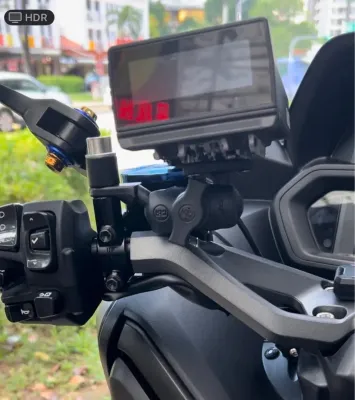
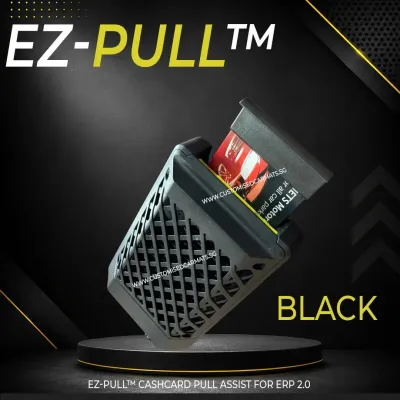
Prices are valid at publication and may change. Please refer to the product page for the latest price.
Furthermore, any aftermarket holder or mount you install must not obstruct your clear line of sight to the road or block your view of the motorcycle’s original instrument cluster. The mount must also provide sufficient physical clearance so that it does not interfere with the handlebars, throttle grip, brake levers, or mirrors. Before purchasing any mounting accessory, check your motorcycle’s cockpit layout and refer to your vehicle manufacturer’s guidelines to ensure the accessory does not compromise control or safety.
Essential Features for a Reliable Motorcycle OBU Holder
Selecting a reliable holder requires evaluating how well the product handles Singapore’s demanding riding conditions. A sub-par holder can lead to water ingress, cracked casings, or even a lost card during high-speed expressway travel.

Weather Resistance: Singapore’s tropical climate is characterized by intense heat, high humidity, and sudden, torrential monsoon downpours. A high-quality holder must offer robust weatherproofing. Look for enclosures with verified ingress protection (IP) ratings, or those utilizing high-grade silicone gaskets and sealed zippers. UV-resistant materials like polycarbonate or heavy-duty ABS plastic are essential, as cheap plastics will quickly degrade, become brittle, and crack under constant exposure to the tropical sun.
Vibration Dampening: Motorcycles naturally generate significant high-frequency vibrations, especially single-cylinder scooters and high-displacement commuter bikes. Over time, these vibrations can damage the delicate internal solder joints of the OBU or cause the inserted CEPAS card to lose contact, resulting in transaction failures at ERP gantries. Opt for holders that feature rubberized mounting brackets, silicone dampening pads, or specialized shock-absorbing inserts. These features isolate the OBU from the engine and road vibrations, extending the lifespan of your electronic device.
Security and Anti-Theft: Because the OBU contains your payment card and is mounted externally, security is a major concern when parking in public spaces or waiting at traffic lights. A reliable holder should feature a lockable hard-shell design or require specialized tools (such as Allen keys or tamper-proof screws) to open. If you prefer a flexible setup, consider a quick-release mount that allows you to easily detach the entire holder and take it with you when leaving your motorcycle unattended.
Accessibility: While protection is vital, you still need regular access to the OBU’s card slot to top up your NETS Motoring Card or swap cards when necessary. The holder’s design must feature a dedicated, easily accessible slot cover or a quick-opening latch that does not require tools for daily operations. Additionally, the front cover must be highly transparent and glare-resistant, allowing you to check your card balance and system status at a glance while riding.
Best Types of OBU Holders and Mounts for Different Motorcycles
The market offers several aftermarket mounting configurations designed to suit different motorcycle geometries, fairing styles, and rider preferences. Finding the right match depends heavily on whether you ride a naked street bike, a maxi-scooter with an expansive dashboard, or an adventure tourer with a tall windscreen. Always verify the specific dimensions and mounting interfaces of your motorcycle model and year before purchasing any aftermarket accessory to guarantee a secure fit.
Handlebar and Stem Mounts
Handlebar and stem mounts are the most common solutions for naked motorcycles, classic street bikes, and smaller scooters that feature exposed tubular handlebars. These systems typically utilize a metal or heavy-duty plastic clamp that wraps securely around the handlebar tube (commonly 22mm or 28mm in diameter) or bolts directly into the steering stem pivot.
The primary advantage of handlebar mounts is their exceptional adjustability and universal fitment. Most designs feature a ball-and-socket joint system, allowing you to tilt and rotate the OBU to achieve the perfect glare-free viewing angle. They also keep the device within easy arm’s reach, making card swaps straightforward.
However, because handlebar mounts place the OBU directly in the wind stream, the device is fully exposed to rain, wind pressure, and flying road debris. If you choose this style, it is highly recommended to pair the mount with a fully enclosed, waterproof hard-shell case rather than a simple open bracket. Additionally, handlebar mounts transfer engine vibrations directly from the front forks, making high-quality rubber vibration dampeners an absolute necessity for this configuration.
Dashboard and Fairing Enclosures
For riders of maxi-scooters, touring motorcycles, and sports bikes with extensive inner fairings, dashboard and fairing enclosures offer a highly integrated and clean aesthetic. These holders are typically hard-shell boxes or molded plastic pockets that mount flat against the bike’s inner dashboard plastics using high-strength, automotive-grade acrylic adhesives or small, low-profile mounting screws.
This mounting style provides superior protection against the elements, as the motorcycle’s front fairing and windscreen act as a natural shield against wind and rain. Because they are mounted flush against the dashboard, they present a streamlined profile that does not interfere with your handlebar movements or block your view of the road. They also offer excellent security, as flush-mounted boxes are much harder for opportunistic thieves to wrench off compared to exposed handlebar clamps.
The main drawback of dashboard enclosures is the permanent or semi-permanent nature of their installation. Using heavy-duty adhesives or drilling screws into your bike’s plastics requires careful alignment and surface preparation. Additionally, you must ensure that the mounting location does not place the OBU underneath metallic fairing brackets or carbon-fiber panels, as these materials can severely degrade the RFID and GPS signals required for ERP transactions.
Windscreen and Visor Suction Mounts
Adventure motorcycles, dual-sports, and touring bikes equipped with tall, sturdy windscreens can accommodate windscreen or visor mounts. These holders utilize heavy-duty industrial suction cups or mechanical clamps that attach directly to the inner surface of the windscreen or the metal support brackets holding the visor in place.
Positioning the OBU on the windscreen keeps the device directly at eye level, allowing you to monitor your card balance and ERP transaction status without taking your eyes off the road ahead. This high-mounting position also keeps the OBU away from the heat radiating from the engine bay and ensures an unobstructed line of sight to the overhead ERP gantries, maximizing signal reliability.
Despite these benefits, windscreen mounts carry specific risks that riders must manage. Heavy suction cups can lose their grip over time due to constant exposure to intense tropical heat and UV radiation, potentially causing the holder to fall off while riding at high speeds. To prevent losing your equipment, always secure the holder with a secondary safety tether connected to the handlebars or fairing frame. Furthermore, you must position the mount carefully to ensure it does not obstruct your forward road vision or interfere with the aerodynamic performance and adjustment mechanisms of your windscreen.
Safe Installation and LTA Compliance Checks
When installing your aftermarket obu card holder motorcycle mount, safety and regulatory compliance must remain your top priorities. While you can easily self-install most protective cases and brackets, you must never attempt to modify, splice, or reroute the primary electrical wiring or power supply of the OBU. Any electrical work must be handled by an LTA-authorized workshop to prevent short circuits, electrical fires, or voiding your motorcycle’s warranty.
After securing your OBU in its new holder, perform a thorough physical check of your bike’s controls. Turn the handlebars fully from lock to lock to ensure the holder does not pinch any cables, press against the front brake lever, or restrict the smooth rotation of the throttle grip. The holder must also be positioned so that it does not block your view of the speedometer, warning lights, or side mirrors.
Next, verify that the holder does not interfere with the OBU’s signal transmission. Avoid using holders made of carbon fiber, metal meshes, or those featuring metalized coatings, as these materials act as electromagnetic shields that block the RFID and Bluetooth signals. The antenna portion of the OBU must have a clear, unshielded path toward the sky and the road ahead.
Before relying on your new setup for high-speed expressway travel, conduct a practical test in a controlled environment. Ride your motorcycle through a low-speed ERP gantry at a local public carpark. Confirm that the gantry successfully reads your CEPAS card, displays the correct balance, and lifts the barrier smoothly. If the card fails to read, park safely and inspect the holder’s position, card orientation, and potential signal obstructions before attempting to pass through an active ERP gantry on the expressway.
Frequently Asked Questions (FAQ)
Can I use a standard car OBU holder on my motorcycle?
No, you should not use a standard car OBU holder on a motorcycle. Car holders are designed for the interior cabin of passenger vehicles, where they are shielded from direct weather. They lack the necessary waterproofing, UV-stabilized materials, and robust vibration dampening required to survive on an open motorcycle. Using a car mount exposes your motorcycle’s OBU to rain damage, rapid sun degradation, and severe engine vibrations, which can lead to premature device failure or the card falling out while riding.
Will a waterproof OBU enclosure block the ERP signal?
Generally, no. Standard waterproof enclosures made of ABS plastic, polycarbonate, silicone, TPU, or heavy-duty fabrics do not block the RFID, GPS, or Bluetooth signals used by the ERP 2.0 OBU. However, you must avoid any enclosures that incorporate metal plates, carbon fiber panels, or metallic-tinted clear windows directly over the antenna area, as these materials will shield the electromagnetic signals and cause transaction failures at ERP gantries.
What should I do if my OBU fails to read at an ERP gantry?
If your OBU fails to read at a gantry, first find a safe place to pull over and perform a basic check. Verify that your CEPAS, EZ-Link, or NETS Motoring Card is fully inserted in the correct direction and has sufficient balance. Check the OBU screen for any error codes. Ensure that your aftermarket holder has not slipped or rotated into a position where it is blocked by metal fairings or handlebars. If the physical setup is correct but the device consistently fails to read, visit an LTA-authorized workshop to run a diagnostic check on the OBU’s internal antenna and power connection.
Community discussion
Share your experience or ask a question. Comments are reviewed before publication.