
Navigating the motoring landscape in Singapore presents a unique set of challenges for preserving the pristine condition of your car’s alloy wheels. From the notoriously narrow, winding spiral ramps of older HDB multi-storey car parks in estates like Toa Payoh to the unforgiving concrete curbs of tight parallel parking lots along Amoy Street, wheel damage is an ever-present risk. A single misjudgment can result in costly curb rash, permanently scarring expensive factory or aftermarket rims.
While various wheel-protection accessories exist on the market, choosing a high-quality rim protector metal solution offers a robust, structurally sound defense that far surpasses temporary cosmetic covers. Investing in a durable metal barrier ensures that sudden impacts are absorbed and deflected, keeping your underlying alloy wheels intact. Selecting the right product requires a clear understanding of material properties, precise wheel fitment, mounting security, and the physical demands of Singapore’s tropical driving environment.
Why a Rim Protector Metal Design Outperforms Polymer for Curb Protection
When evaluating aftermarket wheel protection, car owners typically choose between polymer-based products—such as rubber, nylon, or plastic—and dedicated metal rim protectors. Polymer alternatives are often favored for their low initial cost and simple, slip-on DIY installation. However, these materials exhibit significant structural limitations when subjected to real-world impact forces. Under the shear stress of a car scraping against a rough concrete curb, rubber and plastic protectors tend to tear, slice, or peel away entirely, leaving the underlying aluminum alloy vulnerable to immediate damage.
Products mentioned in this guide
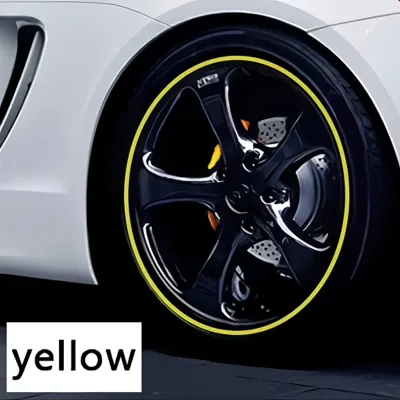
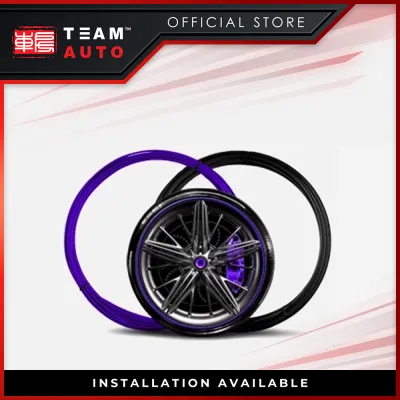
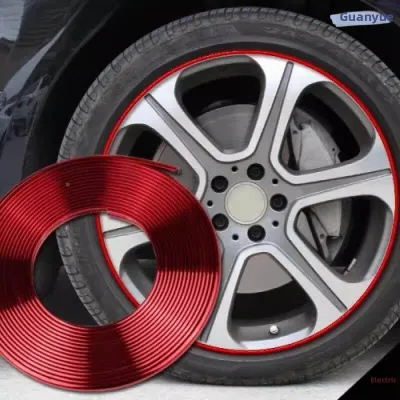
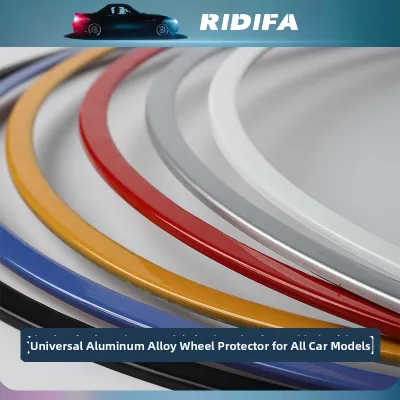
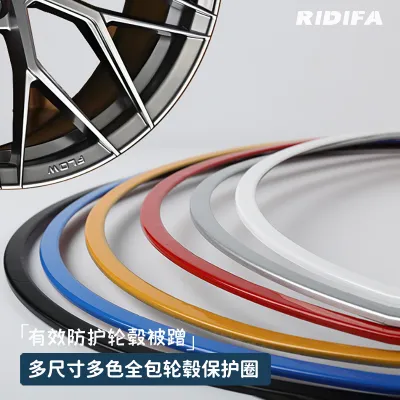
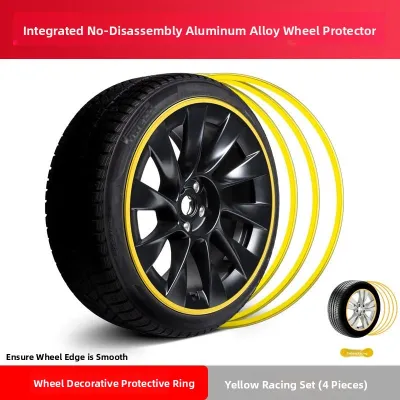
Prices are valid at publication and may change. Please refer to the product page for the latest price.
Furthermore, Singapore’s intense tropical climate accelerates the degradation of polymer materials. Constant exposure to high ambient temperatures, heavy rainfall, and strong ultraviolet (UV) radiation causes plastics and rubbers to become brittle, fade, and lose their structural integrity over time. A brittle polymer protector is highly likely to shatter upon impact, offering virtually zero energy absorption when you need it most.
In contrast, a rim protector metal design—typically constructed from high-grade aluminum alloys or marine-grade stainless steel—provides exceptional structural rigidity and impact resistance. Rather than tearing or collapsing, a metal ring acts as a true sacrificial wear layer. When contact with a curb occurs, the metal protector absorbs the kinetic energy and deforms or scrapes in place of the wheel lip. The high shear strength of metals ensures the protector remains intact during lateral scraping, preventing the curb from grinding directly into the wheel face.
Beyond raw physical protection, metal rim protectors offer superior aesthetic integration. Engineered to sit flush against the outer lip of your alloy wheels, these rings mimic the clean, premium look of multi-piece modular wheels. Whether you choose a polished finish that blends seamlessly with a machined wheel lip or an anodized color that adds a subtle accent, metal protectors preserve the vehicle’s visual profile far better than bulky, faded plastic rings.
How to Measure and Verify Wheel Fitment Compatibility
Achieving a secure and safe fitment requires precise measurements of your existing wheel and tire setup. Because metal rim protectors are rigid and non-flexible, there is zero tolerance for sizing errors. Installing an incorrectly sized metal ring can lead to severe safety hazards, including tire bead damage, sudden air loss, or contact with critical braking and suspension components.

To ensure complete compatibility, follow this systematic measurement and verification process before purchasing any metal rim protector:
- Verify Wheel Diameter: Do not rely on visual estimates or generalized model years. Locate the tire size markings printed on your tire's sidewall (for example, 225/40 R18, where "18" indicates an 18-inch wheel diameter). The metal protector must match this exact nominal wheel size.
- Inspect the Wheel Lip Profile: Examine the shape of your wheel's outer lip. Alloy wheels feature various lip designs, including flat lips, stepped lips, and convex spokes that extend beyond the outer edge of the rim. Metal protectors require a specific mounting surface area; ensure your wheel profile matches the exact interface requirements detailed in the protector manufacturer's installation manual.
- Measure Lip Depth and Clearance: Use a digital caliper to measure the flat mounting depth available on your wheel's outer edge. Most adhesive or clip-on metal protectors require a minimum flat surface width (typically between 3mm and 6mm) to seat securely.
- Check Inner Wheel Clearance: For metal protectors that wrap around or clip behind the outer rim flange, verify that there is adequate clearance between the inner wheel lip and your vehicle's brake calipers, suspension struts, and steering linkages. This is especially critical on performance vehicles equipped with large multi-piston brake kits or cars with modified, lowered suspensions.
Before finalizing your selection, always cross-reference your vehicle’s exact make, model, wheel model, and tire specifications with the protector manufacturer’s official fitment chart. If your vehicle features aftermarket wheels or non-standard tire stretch, consult a qualified tire professional to verify compatibility. Never attempt to force a metal protector onto a wheel that does not meet the manufacturer’s specified dimensions.
Key Features to Evaluate Before Buying
Selecting the ideal metal rim protector involves analyzing several critical engineering features. You must balance the protector’s mounting security against its ease of maintenance, corrosion resistance, and dynamic impact on your vehicle’s handling.
Mounting Mechanisms and Security
Metal rim protectors are generally available in three primary mounting configurations, each presenting distinct trade-offs regarding security, installation complexity, and safety risks:
- Adhesive-Backed Rings: These protectors utilize high-strength, automotive-grade double-sided acrylic foam tapes (such as 3M VHB) to bond directly to the cleaned wheel lip. While they offer straightforward, non-destructive installation, their long-term adhesion is highly dependent on meticulous surface preparation. In Singapore's high humidity and elevated road surface temperatures, inferior adhesives can degrade, leading to the risk of the metal ring peeling off at highway speeds.
- Tension-Fit / Bead-Seated Rings: These designs feature a thin metal flange that inserts directly into the gap between the tire bead and the wheel rim. When the tire is fully inflated, the internal air pressure clamps the protector securely in place. This method provides outstanding mechanical security without adhesives. However, if tire pressure drops significantly due to a puncture, there is a risk that the tension-fit ring could dislodge.
- Bolt-On / Mechanical Clamp Systems: Primarily used for heavy-duty or off-road applications, these multi-piece rings clamp directly over the wheel lip using small tension bolts. While offering the highest level of physical security, they add notable weight and require precise torque management to avoid damaging the wheel finish.
Surface Finish and Corrosion Resistance
Singapore’s coastal air, frequent tropical downpours, and acidic road grime create a highly corrosive environment for exposed metals. When selecting a metal rim protector, pay close attention to the surface treatment:
- Anodized Finishes: Anodizing chemically alters the surface of aluminum alloys, creating an extremely hard, corrosion-resistant oxide layer. This finish is highly resistant to fading from intense UV rays and protects against the corrosive effects of brake dust.
- Powder-Coated Finishes: Powder coating applies a thick, durable polymer resin baked onto the metal surface. It provides excellent resistance to stone chips and physical impacts, though deep scratches that penetrate the coating can allow moisture to creep underneath, potentially leading to localized oxidation.
- Polished and Clear-Coated Finishes: While offering a classic, high-shine metallic look, polished aluminum requires frequent cleaning and re-application of protective sealants to prevent clouding, water spotting, and surface pitting.
Weight Distribution and Wheel Balancing
Adding any physical mass to the outermost circumference of a wheel assembly increases unsprung weight and rotational inertia. Even lightweight aluminum alloy protectors can subtly alter the wheel’s dynamic balance.
If you install metal rim protectors without re-balancing the wheels, you are highly likely to experience steering wheel vibrations, uneven tire wear, and increased strain on suspension bushings, particularly at highway speeds on the PIE or CTE. To maintain ride comfort and vehicle safety, the entire wheel and tire assembly must be dynamically re-balanced on a professional wheel balancing machine immediately following the installation of any metal rim protector.
Installation Safety and Long-Term Maintenance
To ensure your metal rim protectors perform reliably and do not compromise road safety, you must adhere to strict installation protocols and establish a routine maintenance schedule.
Professional Installation Boundaries
Before attempting installation, identify the safety boundaries of your chosen product. If your metal rim protectors utilize a tension-fit or bead-seated design, the installation process requires deflating the tire, breaking the tire bead away from the rim flange, inserting the protector, and re-seating the tire bead under high pressure.
Because improper bead seating can lead to catastrophic tire failure, sudden blowout, or damage to the tire’s internal carcass, any installation requiring tire deflation or bead manipulation must be performed by a qualified tire professional at a properly equipped workshop. Do not attempt to break tire beads or install bead-seated hardware using manual hand tools at home.
For adhesive-backed metal protectors that allow for DIY installation, you must check the applied product’s label and follow the manufacturer’s surface preparation instructions exactly. If the instructions on the product label conflict with your wheel manufacturer’s care guidelines, stop and consult a professional tire shop or the wheel manufacturer before proceeding.
Post-Installation Verification
Once the metal protectors are installed, perform these essential safety checks before driving at high speeds:
- Conduct a Visual Clearance Check: Rotate the wheels fully from lock to lock while the vehicle is on a hoist or jack stands. Verify that the metal rings do not contact the brake calipers, brake dust shields, suspension arms, or inner fender liners.
- Verify Torque Specifications: If using a bolt-on clamp system, use a calibrated torque wrench to verify that all mounting fasteners are tightened to the exact Newton-meter (Nm) torque specifications provided by the manufacturer.
- Perform a Low-Speed Test Drive: Drive the vehicle in a safe, controlled environment (such as an empty car park) at low speeds (under 30 km/h). Listen closely for any unusual clicking, rubbing, or scraping noises. If any abnormal sounds or steering vibrations are detected, park the vehicle immediately and inspect the mounting security.
Routine Cleaning and Maintenance
Accumulated brake dust, road salt, and moisture can become trapped in the small crevice between the metal protector and your alloy wheel. Over time, this trapped moisture can cause galvanic corrosion or degrade the wheel’s clear coat.
To prevent this, wash your wheels at least once every two weeks using a pH-neutral car shampoo and a soft microfiber wheel brush. Avoid using harsh, acid-based wheel cleaners or highly alkaline degreasers, as these chemicals can strip the protective clear coat of your wheels and damage the anodized or powder-coated finish of the metal protectors. Always verify cleaner compatibility by checking the product label instructions.
Additionally, establish a regular inspection interval every 5,000 kilometers or immediately after any curb impact. Inspect the protectors for loose bolts, peeling adhesive tape, or structural cracking. If a metal protector sustains a severe impact and becomes bent or deformed, it must be replaced immediately to prevent it from coming loose while driving.
Frequently Asked Questions (FAQ)
Do metal rim protectors interfere with TPMS sensors?
In most standard passenger vehicles, high-quality metal rim protectors do not interfere with internal Tire Pressure Monitoring Systems (TPMS). Internal TPMS sensors are mounted directly to the valve stem inside the sealed tire cavity and transmit radio frequency (RF) signals to the car’s central receiver. Because the metal protector ring sits externally on the outer lip of the wheel, it generally does not block these signals. However, if you are using an aftermarket external TPMS system that utilizes screw-on valve cap sensors, you must verify that the metal protector does not physically crowd the valve stem area or prevent the sensor cap from screwing on securely. If you experience TPMS signal loss or sensor warnings immediately after installation, consult a qualified automotive technician to inspect the sensor placement.
Are metal rim protectors compatible with run-flat tires?
Compatibility with run-flat tires depends entirely on the mounting design of the metal protector. Run-flat tires are engineered with extremely stiff, reinforced sidewalls and specialized bead structures designed to keep the tire securely seated on the rim even when completely deflated. Due to this extreme stiffness, installing tension-fit or bead-seated metal protectors—which require inserting a flange between the tire bead and the rim—is highly difficult and often unsafe. Attempting to force a bead-seated protector onto a run-flat tire can damage the tire’s reinforced bead or prevent it from sealing correctly, leading to slow air leaks. If your vehicle is equipped with run-flat tires, it is highly recommended to use high-strength adhesive-backed metal protectors instead, or consult both the tire manufacturer and a professional tire installer before attempting any bead-level modifications.
Will installing aftermarket rim protectors void my wheel warranty?
Installing aftermarket rim protectors can potentially affect your wheel warranty, depending on the mounting method used and the terms set by the wheel manufacturer. Non-destructive, adhesive-backed metal protectors generally do not void warranties, provided they do not damage the wheel’s original finish upon removal. However, bolt-on systems that require drilling into the wheel face, or tension-fit protectors that scratch or wear away the protective clear coat inside the bead seat, can void the structural or cosmetic warranty of both original equipment manufacturer (OEM) and aftermarket wheels. Before purchasing or installing any rim protection system, carefully review your wheel manufacturer’s warranty terms and consider non-destructive mounting options if preserving your warranty coverage is a priority.
Community discussion
Share your experience or ask a question. Comments are reviewed before publication.