
Quick Answer: Matching Perfume Formats to Tropical Conditions
Singapore’s tropical climate presents a unique challenge for car interior accessories, particularly air fresheners. With ambient temperatures regularly exceeding 30 degrees Celsius and cabin temperatures soaring much higher when parked under the sun, choosing the right format of Carall car perfume is essential to avoid rapid evaporation, leakage, or structural degradation.
High cabin temperatures accelerate the rate at which fragrance molecules volatilize. Liquid formats risk rapid depletion and increased internal pressure, while gel formats can shrink or liquefy if exposed to direct sunlight on the dashboard. Vent clips, relying on active airflow from your air conditioning system, offer a more controlled dispersion but are highly dependent on how often you drive with the AC turned on.
To make an informed decision, you must evaluate your typical parking environment—such as a shaded HDB multi-storey car park versus an open-air surface lot—alongside your daily driving habits. Balancing scent intensity against the expected lifespan of the product under intense heat will help you select a format that remains effective without damaging your vehicle’s interior surfaces.
Products mentioned in this guide
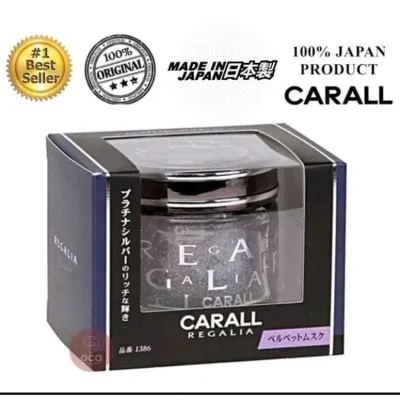
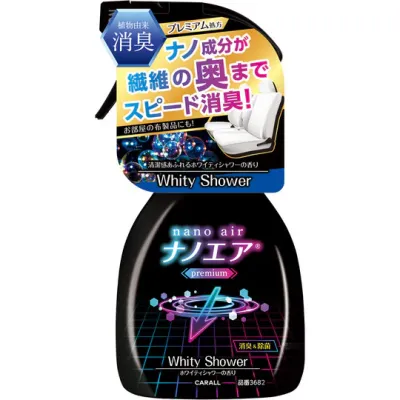
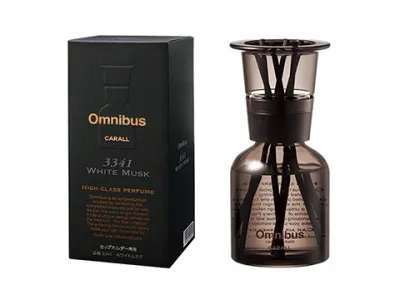
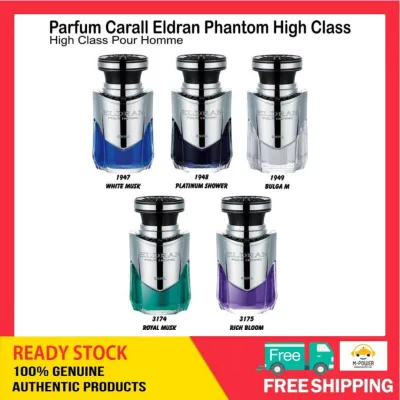

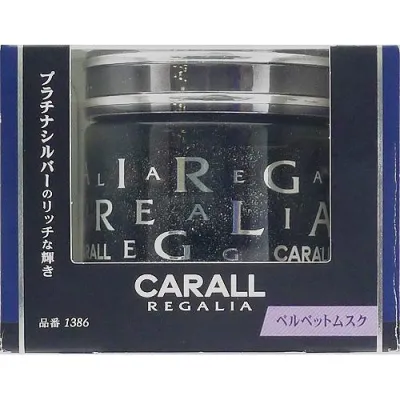
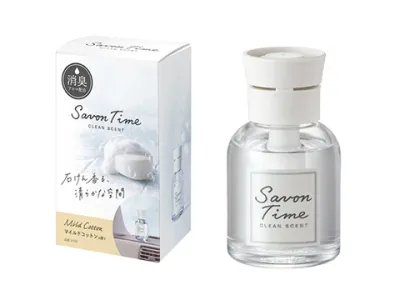
Prices are valid at publication and may change. Please refer to the product page for the latest price.
Evaluating Carall Perfume Formats for High Heat and Humidity
Selecting an air freshener for a tropical climate requires looking beyond the fragrance profile to assess the physical properties of the delivery system. The primary criteria for evaluating any Carall format in Singapore include its structural heat resistance, spill-prevention mechanisms, and dependency on cabin airflow.

Before purchasing, it is important to cross-reference the product packaging claims with the physical state of the perfume. Look for specific temperature ratings, container materials, and mounting instructions that indicate how the product behaves under sustained thermal stress.
Liquid and Spray Formats
Liquid car perfumes often provide a strong, immediate scent throw, but they are highly vulnerable to the extreme thermal conditions inside a parked vehicle. When a car is left in an open-air parking lot in Singapore, the greenhouse effect can raise cabin temperatures significantly, causing liquids to expand and evaporate at an accelerated rate.
To mitigate these risks, inspect the product packaging for robust, spill-proof container designs. High-quality liquid air fresheners typically feature secure cap mechanisms, double-sealed gaskets, or specialized wicks designed to regulate fluid movement and prevent accidental leakage if the bottle tilts during transit.
Increased internal pressure within glass or plastic bottles can force liquid out through the collar or cap threads. This leakage poses a serious risk to your vehicle’s interior, as concentrated fragrance oils can permanently stain, bubble, or peel dashboard plastics, leather upholstery, and soft-touch coatings.
Always verify the manufacturer’s guidelines for maximum storage and operating temperatures. If the product label does not explicitly state compatibility with high-temperature environments, it is safer to avoid placing liquid bottles in direct sunlight or on high-exposure areas like the top of the dashboard.
Gel, Solid, and Bead Formats
Gel and solid-state car perfumes are popular choices for drivers seeking a more stable, low-maintenance option. These formats release fragrance through gradual evaporation from a semi-solid matrix, making them less prone to sudden spills compared to their liquid counterparts.
However, continuous exposure to tropical heat can cause some gel formulations to shrink rapidly, harden, or even undergo unintended liquefaction. When evaluating these products, look for labels indicating heat-resistant formulations or specific gel structures designed to maintain their shape up to high temperatures.
Regularly monitor the physical state of the gel, especially if your vehicle is frequently parked in unshaded areas. If you notice the gel starting to liquefy or separate into a watery residue, it is an indication that the product has exceeded its thermal limit and should be replaced or relocated to a cooler part of the cabin.
Should a gel or solid base melt or leak due to extreme heat, cleaning the residue promptly is critical. Dried gel can bond with plastic or vinyl surfaces, requiring careful removal with mild, material-safe interior cleaners to avoid scratching or discoloring the cabin panels.
Vent Clips and Hanging Diffusers
Vent clips and hanging diffusers offer a space-saving alternative by utilizing existing cabin structures for fragrance dispersion. Vent clips rely directly on the active airflow from your vehicle’s air conditioning system to distribute the scent throughout the cabin.
In Singapore’s humid climate, air conditioning is almost always running during a drive. This constant airflow can accelerate the dispersion rate of vent clip cartridges, resulting in a highly noticeable scent but potentially shortening the overall lifespan of the product compared to passive formats.
Hanging diffusers, which often feature wooden caps or absorbent cards, rely on natural air movement within the cabin. When choosing a hanging format, evaluate the structural integrity and weight of the diffuser; heavy glass bottles hanging from the rearview mirror can swing violently during sudden braking or sharp turns, risking damage to the windscreen or interior trim.
Additionally, verify the mechanical compatibility of vent clip attachments with your specific vehicle’s air vent blade design. Some modern vehicles feature curved, thick, or motorized vent blades that may not securely accommodate standard clip mechanisms, leading to loose fittings or potential damage to the vent mechanism.
Optimal Placement and Maintenance in a Tropical Climate
Maximizing the lifespan of your car perfume while protecting your vehicle’s interior requires strategic placement and regular maintenance. The most critical rule in a tropical climate is to avoid placing any fragrance product in direct sunlight, such as on the upper dashboard or rear parcel shelf, where solar radiation is most intense.
Instead, identify low-heat zones within the cabin that remain shaded and relatively cool. Excellent alternative locations include the lower dashboard shelves, center console cup holders, door pockets, or even secure brackets placed under the front seats. These positions shield the product from direct UV rays and help maintain a more stable evaporation rate.
Establish a routine inspection habit to check the condition of your car perfume every few weeks. Look closely for signs of micro-leaks around seals, structural warping of plastic housings, or any melted residue accumulating near the base of the product. Catching these issues early prevents permanent damage to your car’s interior surfaces.
If a spill or melt does occur, immediate action is necessary to protect sensitive cabin materials. Avoid using harsh household detergents or abrasive scrubbing pads, which can strip the protective coatings off leather, vinyl, or soft-touch plastics.
Instead, blot the excess liquid or gel gently with a clean microfiber cloth. Apply a dedicated, material-safe automotive interior cleaner or a mild soap solution, following the manufacturer’s instructions, and wipe the area clean. Always test any cleaner on an inconspicuous spot first to ensure compatibility with your vehicle’s specific interior materials.
How to Verify Product Specifications and Safety Labels
To ensure the car perfume format you choose is safe for use in Singapore’s demanding climate, you must learn to interpret the technical specifications and safety labels provided on the packaging. Responsible manufacturers print critical safety data that can prevent hazardous situations inside your vehicle.
Key label indicators to look for include the recommended operating temperature range, flammability warnings, and surface safety claims. Because car interiors can reach temperatures well above 60 degrees Celsius when parked in the sun, ensuring the product is rated for high-temperature stability is a primary safety check.
Cross-reference the product’s placement instructions with your vehicle’s owner manual. Many vehicle manufacturers explicitly warn against placing chemical products, adhesives, or liquid containers near sensitive electronic consoles, passenger airbag deployment zones, or specialized leather trims.
Finally, learn to recognize the visual and olfactory signs of product degradation. If the fragrance suddenly changes character, becomes excessively harsh, or if the liquid or gel changes color, clouds, or separates, the chemical composition has likely broken down due to heat exposure. In such cases, remove the product from your vehicle immediately to prevent further chemical off-gassing or leakage.
Frequently Asked Questions (FAQ)
Can I leave my car perfume in the vehicle if it is parked outdoors in Singapore?
Leaving a car perfume in a vehicle parked outdoors in Singapore carries inherent risks due to the rapid buildup of heat. When parked under direct sunlight, a car acts like a greenhouse, trapping solar radiation and raising the internal cabin temperature to levels far exceeding the ambient outdoor temperature.
This extreme heat can compromise the chemical stability of various perfume formats, leading to accelerated evaporation, leakage, or melting. If you must park outdoors regularly, consider using high-quality reflective front sunshades and side window tinting to lower the cabin’s peak temperature. Alternatively, select solid or gel formats specifically formulated for high-temperature stability, and place them in well-shaded areas like under the seats.
Does high humidity affect the scent throw of Carall car perfumes?
Yes, high ambient humidity and frequent air conditioning usage significantly influence how fragrance is dispersed and perceived inside the cabin. High humidity means the air is already saturated with moisture, which can slow down the natural evaporation and travel of certain scent molecules, making the fragrance feel heavier or less diffusive.
Conversely, when you run the air conditioner, the system dehumidifies and cools the cabin air. This dry, moving air enhances the dispersion of scent molecules, particularly when using vent clip formats. To achieve a consistent scent throw, you may need to adjust the placement of your perfume or choose a format with adjustable vents, allowing you to control the exposure based on whether you rely primarily on active air conditioning or natural ventilation.

Community discussion
Share your experience or ask a question. Comments are reviewed before publication.