
No single air freshener format is universally perfect for extreme heat, but solid, ceramic, or specially formulated high-temperature gels generally resist melting and rapid evaporation better than standard liquids or hanging cards. In a spacious cabin like the Toyota Noah under Singapore’s intense sun, the key to a lasting fragrance lies in selecting a physically stable format and placing it away from direct heat sources. This guide helps you evaluate different air freshener types based on their structural resilience and optimal placement strategies.
How Singapore's Climate Impacts Air Fresheners in Your Toyota Noah
Singapore’s tropical climate presents a challenging environment for any vehicle interior accessory, particularly those designed to release volatile fragrance compounds. When parked outdoors, a vehicle acts like a greenhouse, trapping solar radiation and raising cabin temperatures far above the ambient outdoor level. This intense heat directly accelerates the kinetic energy of fragrance molecules, causing liquid-based and thin gel air fresheners to evaporate at an unsustainable rate. Instead of a gradual, pleasant release, drivers often experience an overwhelming burst of scent during the first few days, followed by rapid depletion.
The physical layout of the Toyota Noah further complicates this dynamic. As a popular multi-purpose vehicle (MPV), the Toyota Noah features an expansive cabin volume and a generous greenhouse design with large front, side, and rear glass panels. While these large windows provide excellent visibility and a spacious feel for passengers, they also allow a significant amount of solar thermal energy to penetrate the interior. Without adequate mitigation, the dashboard, door panels, and seats absorb this heat, creating localized hot zones that can easily melt low-grade plastics, liquefy standard gel fresheners, or warp delicate housing units.
Products mentioned in this guide
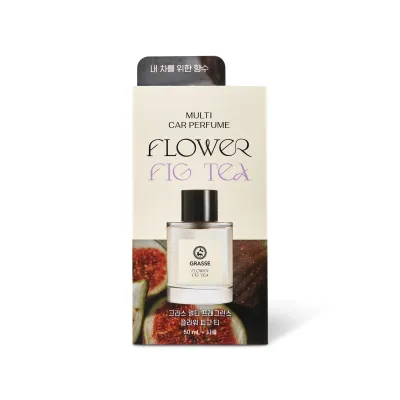
Prices are valid at publication and may change. Please refer to the product page for the latest price.
Additionally, Singapore’s high relative humidity plays a subtle yet destructive role in how fragrances disperse and how their carriers hold up. High moisture levels in the air can saturate porous materials like cardboard, paper, or compressed fiber. When these materials become damp, their structural integrity degrades, and the embedded fragrance oils may separate or wash away, leading to a stale or musty odor rather than the intended clean scent. Understanding these environmental interactions is the first step in choosing a product that remains stable and effective over the long term.
Comparing Air Freshener Formats for High-Temperature Cabins
To find an air freshener that can withstand the demanding conditions inside a parked Toyota Noah, you must evaluate products across three primary physical criteria: melting point, evaporation rate, and spill risk. A high melting point ensures the product remains structurally sound when cabin temperatures peak. A controlled, low evaporation rate prevents the fragrance from exhausting itself prematurely, while a low spill risk protects the vehicle’s interior surfaces from chemical damage.

Because chemical compositions vary widely across brands, physical format alone does not guarantee performance. Two products that look identical—such as two gel canisters—may behave completely differently under identical thermal stress due to their underlying chemical formulations. For this reason, you should always treat physical formats as general categories and verify specific temperature tolerances, chemical bases, and safety instructions on the manufacturer’s product label before making a purchase.
Gel and Solid Fresheners
Gel-based air fresheners are highly popular due to their ease of use, but standard water-based gels are highly susceptible to Singapore’s heat. Under extreme thermal stress, the polymer matrix holding the water and fragrance emulsion can break down, causing the gel to liquefy, shrink rapidly, or even leak out of its container. If you prefer a gel format, it is essential to look specifically for products labeled as high-temperature resistant or automotive-grade solid gels, which utilize synthetic polymers designed to maintain their shape and consistency at elevated temperatures.
Solid formats, such as infused ceramic blocks, compressed wood, or mineral pads, offer superior structural stability in hot cabins. Because these carriers do not rely on a liquid or semi-solid gel matrix to hold the fragrance oils, they cannot melt, liquefy, or leak, regardless of how hot the interior of your Toyota Noah becomes. The physical structure of ceramic or wood naturally regulates the release of the scent, resulting in a slower, more consistent evaporation rate that stands up well to prolonged heat exposure.
Vent Clips and Liquid Diffusers
Liquid diffusers, which typically utilize a glass bottle with a wooden wick or a plastic membrane, present a distinct set of challenges in a hot climate. The primary risk is rapid evaporation; as the liquid heats up, it turns to vapor much faster than intended, often emptying the reservoir in a fraction of the advertised lifespan. Furthermore, liquid diffusers carry a high risk of spilling if the container is jostled, the seal degrades from heat, or the unit is installed incorrectly, which can lead to costly damage to your dashboard plastics.
Vent clips offer a practical alternative because they leverage the vehicle’s air conditioning system to distribute the scent. When the AC is running, the cool airflow helps regulate the temperature of the clip, preserving the fragrance and ensuring a pleasant distribution throughout the spacious Toyota Noah cabin. However, when the vehicle is parked in the sun with the engine off, the vent clip is still exposed to rising cabin temperatures, meaning the liquid or gel refill inside can still degrade or leak if it lacks a high-quality, hermetic seal.
Hanging Cards and Sprays
Hanging paper cards are among the most common air fresheners, but they are poorly suited for Singapore’s hot and humid climate. The paper fibers quickly absorb ambient moisture, which accelerates the breakdown of the infused fragrance oils and causes the card to lose its potency within a matter of days. Additionally, direct exposure to sunlight through the windshield can cause the card to warp, discolor, or curl, making it visually unappealing while hanging from your rearview mirror.
Aerosol or pump sprays provide an instant burst of freshness and are highly effective for neutralizing sudden odors in a large MPV like the Toyota Noah. However, sprays do not offer a continuous, passive fragrance solution, as the airborne droplets quickly settle and dissipate. In a hot cabin, the volatile compounds in sprays evaporate almost immediately, making them best used as a supplementary, on-demand option rather than a primary method for long-term scent maintenance.
Key Specifications and Labels to Check Before Buying
When shopping for an air freshener for your Toyota Noah, reading the manufacturer’s packaging carefully is crucial for ensuring both performance and safety. Look for products that explicitly state their temperature tolerance ranges or feature labels indicating they are designed for automotive use in hot climates. Avoid products that do not specify heat resistance, as these are often intended for climate-controlled indoor home environments and will fail quickly inside a hot car.
Examine the ingredient list to identify the carrier solvents used in the formulation. Products that rely heavily on highly volatile organic solvents, such as low-molecular-weight alcohols or acetone, will evaporate at an accelerated rate in Singapore’s heat. These rapid-evaporating chemicals can also build up in a closed cabin, leading to an overwhelmingly strong initial scent that may cause headaches, dizziness, or respiratory irritation for you and your passengers. Opt instead for formulations that use natural essential oils or slow-release synthetic carriers.
Finally, pay close attention to safety warnings regarding contact with vehicle interior surfaces. Many fragrance oils act as mild solvents themselves and can chemically react with the plastics, synthetic leather, or decorative trim elements inside the Toyota Noah. The product label should provide clear instructions on how to mount the freshener securely to prevent any direct contact with these surfaces, as well as guidelines on skin contact and inhalation safety.
Placement and Maintenance Tips for the Toyota Noah Cabin
Strategic placement of your air freshener is just as important as choosing the right format. You should strictly avoid placing any air freshener—especially liquid diffusers, gel cups, or hanging cards—directly on the dashboard, near the windshield, or in any location exposed to direct sunlight. Not only does this maximize heat exposure and accelerate degradation, but objects placed on the dashboard can also create distracting glare, interfere with your line of sight, or obstruct the deployment of passenger airbags in an emergency.
Instead, take advantage of the Toyota Noah’s versatile interior layout to find cooler, shaded locations that still allow for excellent scent distribution. Placing a solid or gel freshener under the front seats is an excellent strategy; the area remains shaded, temperatures are more stable, and the vehicle’s floor-level climate control vents will help circulate the scent throughout the cabin. Alternatively, you can utilize the center console cup holders or secure a stable freshener in the rear passenger zones, which helps distribute the fragrance evenly across all three rows of the MPV.
Maintenance is key to protecting your vehicle’s interior from accidental damage. Make it a habit to inspect your air freshener weekly for any signs of physical change, such as liquefaction, leakage, unusual residue, or severe discoloration. If you notice any liquid weeping or gel melting, remove the product immediately. In the event of a spill or leak, clean the affected area instantly using a damp microfiber cloth and a mild, surface-safe cleaner to prevent the fragrance oils from permanently staining, cracking, or peeling the Toyota Noah’s plastic trim or upholstery.
Frequently Asked Questions (FAQ)
Do vent clips damage the Toyota Noah's air conditioning vents?
Vent clips can potentially damage your Toyota Noah’s air conditioning vents if they are used incorrectly or if the product leaks. The primary risk comes from the concentrated fragrance oils inside the clip; if the container cracks or leaks due to heat, the liquid can drip onto the plastic louvers, causing them to warp, discolor, or peel. To prevent this, always ensure the refill cartridge is completely sealed and mounted upright according to the manufacturer’s instructions. Additionally, check the clip’s grip mechanism before installation; clips with harsh metal prongs or overly tight springs can scratch or crack the delicate plastic blades of the vent, so look for clips with soft, rubberized protective sleeves.
How often should I replace the air freshener in a hot climate?
In Singapore’s hot climate, you will generally need to replace your air freshener more frequently than the manufacturer’s standard estimate, which is often calculated under milder, temperate conditions. Rather than relying on a fixed calendar schedule, monitor the physical state of the product for replacement cues. For gel-based fresheners, replace the unit when the gel has shriveled significantly or lost its color. For liquid diffusers, install a new refill when the liquid level drops below the manufacturer’s indicated minimum line or when the scent is no longer noticeable even after the cabin has been ventilated. Regularly replacing the unit ensures a consistent, pleasant environment without allowing degraded materials to linger in your cabin.

Community discussion
Share your experience or ask a question. Comments are reviewed before publication.