
To keep the cabin of your Nissan Serena C28 cool under the intense sun, selecting the right sun shades is a practical necessity. The Serena C28, known for its expansive glass area, panoramic windshield, and signature sliding doors, presents unique dimensions that standard, off-the-shelf universal shades rarely cover adequately. Finding the ideal setup involves prioritizing custom-fit options that match the exact contours of the C28’s windows, ensuring maximum coverage and heat rejection without interfering with onboard safety sensors or door mechanisms.
Understanding Nissan Serena C28 Window Dimensions and Fit
The Nissan Serena C28 features a highly distinct MPV silhouette with a massive front windshield and deep side windows designed to maximize visibility. However, this generous glass surface area also acts as a greenhouse, rapidly heating the cabin when parked. Because the C28 generation features updated styling and structural pillars compared to its predecessor, you must verify the exact model year and trim level before purchasing any interior accessories. Even minor design variations in the trim or the presence of specific camera housings near the rearview mirror can alter the required shape of a front windshield shade.
To ensure an exact fit, taking manual measurements of your vehicle’s glass is a reliable starting point. Use a flexible tape measure to record the maximum width and height of the front windshield from the inside, measuring from the base where the glass meets the dashboard up to the top edge near the headliner. For the side windows, particularly those on the sliding doors, measure the exposed glass area from seal to seal. Keep in mind that the C28’s front quarter-lite windows also let in significant heat, so you may want to measure these separately if you plan to buy a complete multi-piece shade kit.
Products mentioned in this guide
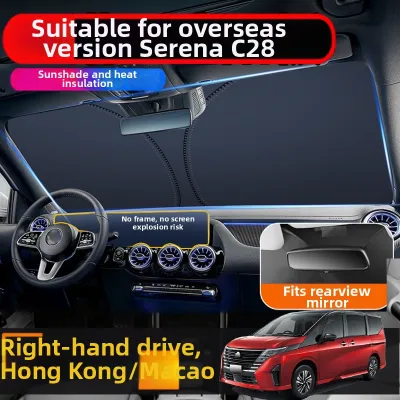
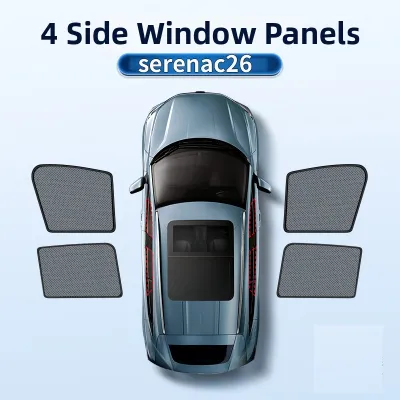
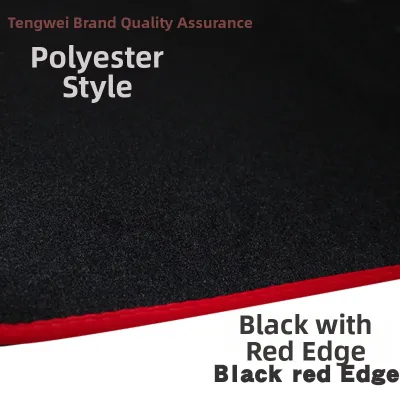
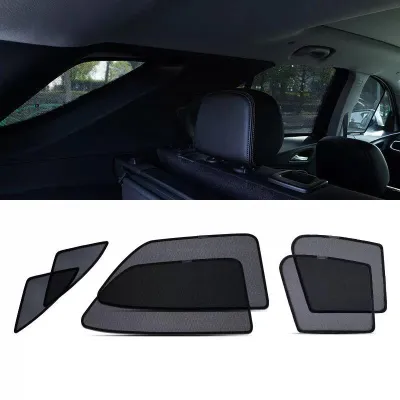
Prices are valid at publication and may change. Please refer to the product page for the latest price.
When comparing universal-fit and custom-fit shades, the differences in coverage are substantial. Universal shades are typically rectangular or circular spring-wire designs intended to fit a wide range of vehicles. On a vehicle with a windshield as tall and wide as the Serena C28, a universal shade will often leave large gaps at the corners or sag in the middle, allowing heat and UV rays to bypass the barrier. Custom-fit shades, conversely, are patterned specifically to the C28’s window frames, pressing flush against the glass to minimize light leakage and provide a neat, integrated look.
Additionally, you must account for the physical hardware mounted on the windshield. The Serena C28 is equipped with advanced driver assistance systems, which include a prominent sensor and camera housing behind the rearview mirror. A properly designed custom-fit shade must feature a dedicated cutout or a hook-and-loop fastening split at the top to accommodate this housing. Forcing a generic shade over these sensors can misalign the rearview mirror, put undue pressure on the plastic camera cover, or prevent the shade from sitting flat against the glass, which reduces its overall effectiveness.
Types of Sun Shades for Windshield and Side Windows
Selecting the right sun shade mechanism requires balancing daily convenience, storage space, and coverage. MPV owners often use their vehicles for family outings, daily commutes, and school runs, meaning shades must be quick to deploy and easy to pack away. The market offers several distinct mechanisms, each catering to different preferences for how the shade is mounted, stored, and maintained.

While some drivers prefer rigid panels that offer maximum light blockage, others prioritize lightweight, flexible screens that can remain installed even while the vehicle is in motion. The trade-offs generally center on how much cabin space the shades occupy when folded and how much effort is required to set them up. For instance, a highly effective multi-layer front shade might require dedicated storage space in the rear cargo area, whereas magnetic side shades can often be folded flat and slipped into the seatback pockets.
Windshield Sun Shades
For the front windshield, the three primary designs are foldable accordion-style shades, roll-up reflective shades, and rigid custom-fit panels. Accordion-style shades, often made of double-sided bubble foil, fold along pre-creased lines. They are relatively lightweight and quick to unfold, but their bulk can make them awkward to handle inside the Serena’s spacious yet occupied front cabin. Roll-up shades, typically made of reflective fabric or thin foam, roll into a cylinder secured by a strap. While they are highly flexible, they can develop permanent curls at the edges over time, leading to gaps along the sides of the windshield.
Rigid custom-fit panels represent the premium end of the spectrum. These shades utilize a multi-layer construction, often featuring a highly reflective outer layer, an insulating foam core, and a soft felt backing to protect the dashboard. Because they are stiff, they do not sag or require suction cups; instead, they are held in place simply by flipping down the vehicle’s sun visors. This rigidity is particularly beneficial for the C28’s tall windshield, as it prevents the center of the shade from collapsing under its own weight.
Storage is a key consideration for any front windshield shade used in the Serena C28. Given the sheer size of the front glass, any shade designed to cover it will be large when fully extended. When folded, accordion and rigid panels can be stored along the passenger footwell, under the front seats, or in the boot. If you frequently carry passengers in all three rows, a roll-up or highly compressible spring-wire shade might be more practical, as it can be tucked away more easily without taking up valuable legroom.
Side Window Shades
For the side windows, especially those along the second and third rows, the options include static cling films, magnetic mesh screens, and retractable roller shades. Static cling shades adhere directly to the glass using electrostatic force. They are extremely low-profile and do not interfere with the sliding door mechanisms, but they only cover a portion of the window and can peel off if the glass is dirty or exposed to extreme condensation.
Magnetic mesh screens have become highly popular for MPVs like the Serena C28. These shades feature a flexible metal frame sewn into a mesh fabric, with small magnets embedded along the perimeter. They snap directly onto the metal frame of the door, providing full-window coverage. Because they attach to the door frame rather than the glass, they allow you to roll down the window to let fresh air in while still keeping bugs and direct sunlight out. However, you must verify that the magnets align correctly with the C28’s door frame, as some sections of the sliding door interior may use plastic trim panels that do not attract magnets.
Retractable roller shades are another option, often mounting via suction cups or clips to the top of the window glass or door panel. While convenient because they can be pulled up or down as needed, they rarely offer complete coverage for the Serena’s large, angular side windows. Additionally, because the Serena C28 features sliding doors, any protruding roller mechanism must clear the tight tolerances of the door seals and B-pillars when the doors slide open. A bulky roller shade can catch on the vehicle’s bodywork, potentially damaging the shade or scratching the car’s exterior paint.
Key Features to Evaluate Before Buying
When shopping for sun shades, it is essential to look past generic marketing buzzwords and carefully evaluate the material composition and structural design. High-quality shades typically feature a multi-layer construction. For front windshield shades, look for materials that combine a reflective outer layer (such as aluminum foil or specialized silver reflective polyester) with an insulating middle layer (like polyethylene bubble wrap or closed-cell foam). The reflective layer bounces incoming solar radiation away from the vehicle, while the insulating layer slows down the transfer of heat into the cabin.
For side windows, mesh density is the critical factor. A finer mesh weave provides better shading and UV protection but can reduce visibility for the driver when checking blind spots. Look for manufacturers that provide clear specifications regarding their materials, such as verified UV protection ratings or heat rejection capabilities. Avoid products that make absolute safety or total-temperature-reduction claims without specifying the testing conditions, as actual cabin temperatures depend heavily on ambient heat, parking duration, and window tinting.
Structural stability is another vital feature. A sun shade is only effective if it remains securely in place. For windshield shades, look for reinforced edges and sturdy internal wire frames that resist warping under high temperatures. If the shade relies on suction cups, ensure they are made of high-quality, heat-resistant silicone rather than cheap plastic, which can harden, deform, and lose suction when exposed to direct sunlight. For magnetic side shades, check that the magnets are securely stitched into the fabric border to prevent them from sliding around or scratching your vehicle’s paintwork.
Finally, keep local automotive regulations in mind. In Singapore, the Land Transport Authority maintains strict guidelines regarding window tinting and driver visibility. While parked, you can use any shade configuration you prefer. However, if you plan to keep side window shades installed while driving, they must not obstruct the driver’s view of the side mirrors or road ahead. Mesh shades used on the front side windows must allow sufficient light transmission to comply with local safety standards, making it crucial to verify that any semi-permanent shades meet these legal requirements before hitting the road.
Installation, Storage, and Maintenance Tips
Proper installation is key to maximizing the effectiveness of your windshield sun shade. To install a custom-fit front shade, start by placing the bottom edge of the shade as far forward as possible, where the windshield meets the dashboard. Gently press the shade flat against the glass, working your way up around the rearview mirror and sensor housing. Once the shade is flush against the windshield, fold down both the driver and passenger sun visors to hold the top edge securely in place. This creates a tight seal that prevents hot air from circulating behind the shade.
Maintaining your sun shades will significantly extend their lifespan and keep your cabin looking clean. Mesh side shades tend to accumulate dust and pollen over time. To clean them, gently vacuum the surface using a brush attachment, or wipe them down with a damp microfiber cloth and mild soapy water. Avoid using harsh chemical cleaners, solvents, or abrasive pads, as these can degrade the reflective coatings on windshield shades or weaken the adhesive on static cling models. Always allow the shades to air dry completely before folding and storing them to prevent mold or mildew growth.
When folding or rolling your shades, always follow the manufacturer’s specific instructions. Spring-wire shades require a specific twisting motion to collapse into a neat circle; forcing them into the wrong shape can permanently bend or snap the internal metal frame. For accordion or rigid panels, fold them along their natural crease lines. Avoid stuffing the shades into tight spaces or placing heavy luggage on top of them, as this can cause permanent creasing, tearing, or structural damage that compromises their fit and performance.
Additionally, take care when removing shades to protect your vehicle’s interior. Pulling suction cups directly off the glass can damage aftermarket window tint films. Instead, use the small pull tabs on the suction cups to release the vacuum seal gently before lifting the shade away. When removing magnetic shades, lift them straight off the frame rather than dragging them across the metal, which helps prevent any trapped grit from scratching the paint or damaging the rubber window seals.
Where to Buy and What to Verify at Checkout
When you are ready to purchase sun shades for your Nissan Serena C28, sourcing them from reputable channels is the best way to ensure quality and fitment. Authorized automotive accessory retailers, official brand stores, and established online marketplaces are excellent places to start. Buying from trusted sellers often gives you access to genuine customer reviews, clear product specifications, and reliable customer support if you encounter any issues with your order.
Before finalizing your purchase, carefully cross-reference the product’s compatibility list with your exact vehicle details. The Nissan Serena C28 has specific dimensions that differ from older generations like the C27 or C26. Ensure the product listing explicitly states compatibility with the “C28” model. Do not rely solely on generic search terms or broad titles like “Nissan Serena Sun Shade,” as these often bundle multiple generations together, leading to fitment issues when the product arrives.
It is also highly recommended to check the seller’s return and exchange policy before checking out. Because window contours and sensor housings can vary slightly depending on the specific trim level, such as the Highway Star or e-POWER variants, having a flexible return policy provides peace of mind. Verify whether the seller offers free returns or exchanges if the shade does not fit your vehicle perfectly. Reading the detailed specification sheet, including the physical dimensions of the shade, can help you double-check your manual measurements and avoid the hassle of returning an ill-fitting product.
When budgeting for your purchase, expect to invest anywhere from S$30 for basic front shades to over S$150 for a complete, custom-fit multi-piece set covering all side windows. While cheaper, generic options are widely available, investing in a set designed specifically for the C28’s unique dimensions pays off in durability and ease of use. Always prioritize listings that provide clear installation guides and detailed material breakdowns over those that rely on flashy, unverified performance claims.
Frequently Asked Questions (FAQ)
Do I need to remove the sun shade when rolling down the side windows?
Yes, in most cases, you must remove or retract side window shades before rolling down the glass. Static cling shades and suction-cup models adhere directly to the window pane; attempting to roll down the window with these shades attached can cause them to get sucked into the door cavity, potentially damaging the window regulator, tearing the shade, or jamming the window mechanism.
Magnetic mesh screens that attach to the metal door frame rather than the glass are an exception. These shades allow you to roll the window down fully while the shade remains in place, providing ventilation while keeping insects and direct sunlight out. However, you should still check the manufacturer’s instructions and monitor the shade at low speeds, as strong wind resistance while driving can dislodge magnetic shades or cause them to flap against the door frame.
Before operating any window with a shade installed, always verify the mounting position and clearance. If you notice any resistance or if the shade begins to shift, stop immediately and adjust the setup. Taking a moment to confirm that the shade is clear of the window’s path will prevent costly repairs to your vehicle’s window motors and seals.
Can windshield sun shades interfere with the Serena C28's front sensors?
Windshield sun shades can interfere with the Serena C28’s front sensors if they are not designed with the proper cutouts. The C28 features a sophisticated suite of driver assistance cameras and sensors mounted near the top of the windshield around the rearview mirror. If a sun shade covers or presses tightly against this sensor housing, it can trap heat against the cameras, potentially causing them to overheat or malfunction when you start the vehicle.
To prevent this, always choose a sun shade specifically designed for the Nissan Serena C28 that features a generous cutout or an adjustable hook-and-loop split around the rearview mirror area. This design ensures the shade sits flat against the glass without putting pressure on the sensor housing or blocking the cameras’ field of view. Additionally, consult your vehicle’s owner’s manual to identify the exact boundaries of the sensor zones to ensure your chosen shade does not encroach on these critical safety systems.
If you notice any warning lights on your dashboard related to the driver assistance systems after using a sun shade, remove the shade immediately and allow the cabin to cool down. Ensuring that the sensor area remains free from physical obstruction and excessive heat buildup is essential for the safe and reliable operation of your vehicle’s active safety features.
Community discussion
Share your experience or ask a question. Comments are reviewed before publication.