
Securing bicycles, outdoor gear, or bulky cargo to a vehicle’s roof rack requires a restraint system that balances high tension with delicate handling. The most effective small ratchet straps for roof racks feature weather-resistant polyester webbing, rubber-coated or plastic-shielded hooks, and a smooth, low-profile mechanical ratchet. These characteristics ensure that your gear remains completely stationary during highway transit without scratching your vehicle’s paintwork or damaging fragile bicycle frames.
In Singapore’s tropical climate, roof-mounted cargo is subjected to intense ultraviolet (UV) radiation, sudden torrential downpours, and high humidity. Driving at expressway speeds on routes like the Pan Island Expressway (PIE) or East Coast Parkway (ECP) also introduces significant aerodynamic lift and drag. Selecting the right strap involves understanding how these environmental forces interact with your specific vehicle, roof rack system, and cargo type.
Before purchasing any tie-down equipment, it is essential to consult your vehicle’s owner manual and your roof rack’s installation guide to verify their maximum weight capacities. Never assume compatibility based on generic product descriptions. A methodical approach to selecting, rigging, and maintaining small ratchet straps is the key to safe, worry-free transport.
Products mentioned in this guide
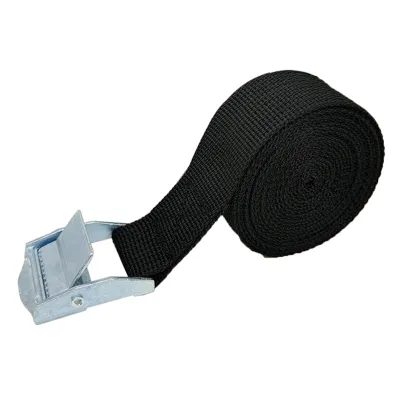
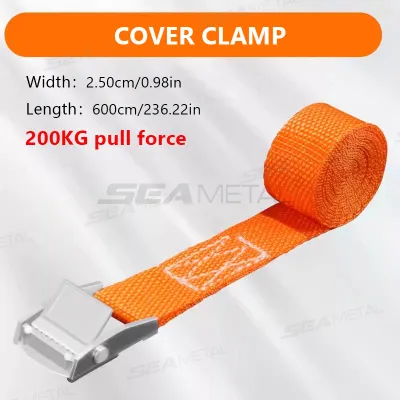
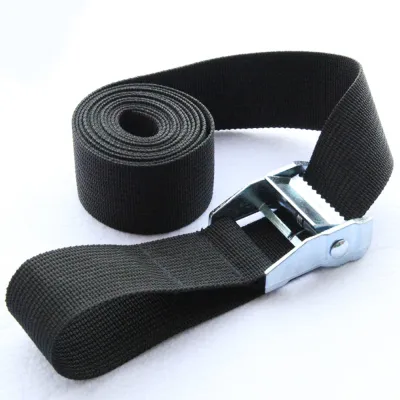
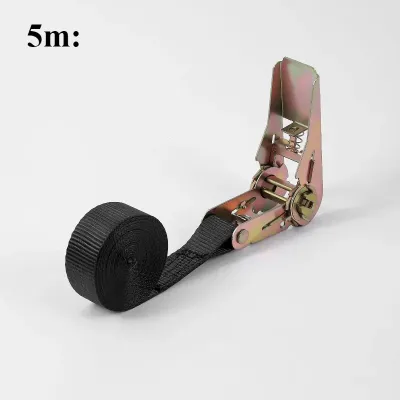
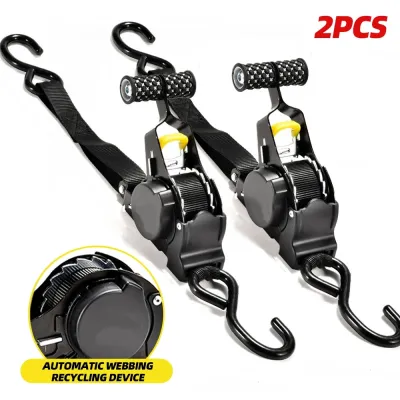
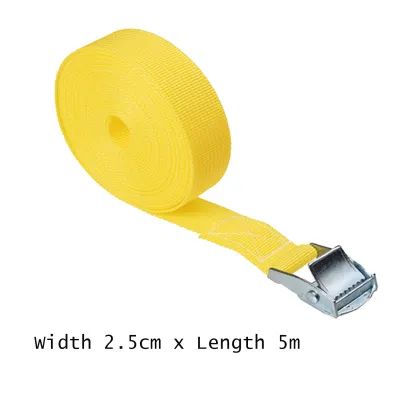
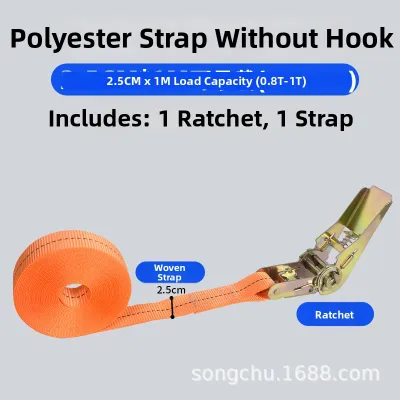
Prices are valid at publication and may change. Please refer to the product page for the latest price.
Understanding Load Limits and Strap Dimensions
When shopping for small ratchet straps, the first specifications to analyze are the load limits printed on the manufacturer’s label. Every compliant strap features two distinct ratings: the breaking strength and the working load limit (WLL). The breaking strength represents the absolute point of physical failure under a static pull test, whereas the WLL is the maximum weight the strap is safely rated to secure under normal operating conditions.
As a standard safety practice, the WLL is typically calculated as one-third of the breaking strength. For roof rack applications, you must always base your calculations on the WLL rather than the breaking strength. Relying on the breaking strength for your safety margins can lead to catastrophic failure when the vehicle encounters sudden bumps, sharp turns, or emergency braking maneuvers.
To determine the total load capacity required for your setup, calculate the combined weight of all items mounted on your roof rack. For highway driving, where aerodynamic forces multiply the effective weight of the cargo, it is highly recommended to apply a generous safety margin. A common guideline is to ensure the combined WLL of your active straps exceeds the total weight of the cargo by at least two times. For example, if you are securing a pair of bicycles weighing 30 kilograms in total, your active straps should have a combined WLL of at least 60 kilograms.
Strap dimensions—specifically width and length—must also be matched to your cargo and rack configuration. Small ratchet straps generally range from 25 millimeters to 38 millimeters in width. Narrower 25-millimeter straps are highly versatile, fitting easily through tight bicycle wheel spokes, frame triangles, and compact roof rack mounting points. Wider straps distribute pressure over a larger surface area, making them more suitable for bulkier, compressible cargo like soft gear bags or bundled materials.
Length is equally critical; a strap that is too short will fail to wrap around your cargo, while an excessively long strap leaves a dangerous amount of loose webbing that must be secured. For most roof rack and bicycle carrier applications, strap lengths between 2.5 meters and 4.5 meters are ideal. This range provides sufficient length to loop around crossbars and secure standard-sized gear without leaving meters of excess material whipping in the wind.
Key Features for Roof Rack and Bike Security
The hardware components of a small ratchet strap dictate both its ease of use and its potential to cause cosmetic or structural damage to your vehicle. Standard utility straps often feature bare metal S-hooks or J-hooks, which can easily scrape the powder coating off roof rack crossbars or scratch your car’s paintwork. For automotive roof applications, look for straps equipped with rubber-coated or vinyl-dipped hooks, which act as a protective barrier against metal-on-metal contact.

Alternatively, soft loop tie-downs or integrated soft loops represent an excellent solution for securing delicate items. These loops allow you to wrap a soft polyester strap around a bicycle frame or rack rail and then hook the ratchet strap into the fabric loop rather than directly onto the metal or carbon fiber. This configuration completely eliminates the risk of hard hardware scratching or denting your equipment.
The ratchet mechanism itself must be evaluated for build quality and ease of operation. High-quality ratchets are constructed from corrosion-resistant materials, such as zinc-plated steel or stainless steel, which resist rust when exposed to Singapore’s frequent rain and high humidity. The release lever should be ergonomically designed and easy to operate, even when working in the cramped, elevated space of a vehicle roof. A sticky or poorly aligned release mechanism can make unloading your gear incredibly frustrating and potentially dangerous if it releases suddenly.
When securing high-end bicycles, particularly those with carbon fiber or lightweight aluminum frames, standard webbing can cause abrasive wear over long journeys. Vibrations on the road cause the strap to rub against the frame, dulling the clear coat or wearing through paint. To prevent this, consider using straps with integrated protective sleeves or sliding pads. These soft sleeves can be positioned precisely where the strap contacts the frame, absorbing the friction and protecting the finish of your bicycle.
Matching Strap Types to Your Cargo
Different types of cargo require distinct tie-down strategies to ensure security without causing structural damage. For lightweight, aerodynamic items such as a single bicycle, a kayak, or a small molded cargo box, narrow 25-millimeter straps with a relatively low WLL are often the most appropriate choice. These straps are lightweight, easy to maneuver, and provide more than enough holding power for items that present low wind resistance.
When transporting heavier, bulkier, or less aerodynamic loads—such as multiple bicycles mounted side-by-side, large roof boxes, or building materials like timber—you must transition to wider straps with a higher WLL. These loads generate substantial drag at expressway speeds, requiring the robust holding power and wider pressure distribution of a heavy-duty strap. Ensure that the straps are rated specifically for outdoor transport and that the tension is distributed evenly across multiple anchor points on the roof rack.
It is equally important to recognize when a ratchet strap is not the appropriate tool for the job. The mechanical advantage of a ratchet mechanism makes it incredibly easy to over-tighten a strap, applying thousands of kilograms of crushing force with relatively little physical effort. For fragile, compressible, or hollow cargo—such as carbon fiber bicycle frames, thin-walled plastic storage bins, or fiberglass kayaks—ratchet straps can easily crack or deform the structure.
In these scenarios, cam buckle straps are often a much safer alternative. Cam buckle straps rely entirely on manual pulling force to tension the webbing, making it virtually impossible to over-tighten them to the point of damaging your gear. They provide a secure hold for lightweight, fragile items while offering a quick-release mechanism that simplifies the unloading process. Always evaluate the rigidity and structural integrity of your cargo before deciding between a mechanical ratchet and a manual cam buckle.
Safe Rigging and Installation Practices
Safe transport begins with proper rigging techniques. Before attaching any straps, inspect your roof rack to identify the manufacturer’s designated tie-down points. Always anchor your straps to structural components, such as the steel or aluminum crossbars or integrated heavy-duty loop mounts. Never attach straps to plastic end caps, decorative fairings, or thin wind deflectors, as these components are not designed to bear load and can easily snap under tension or wind pressure.
When routing the strap, ensure that the webbing lies completely flat against the cargo and the rack. Avoid twists in the strap; while a single twist is sometimes used to reduce wind noise, multiple twists concentrate the tension on a narrow section of the webbing, significantly reducing its effective load capacity. A flat strap distributes the holding force evenly across the surface of your cargo, preventing localized pressure points that could cause damage.
Tensioning the strap requires a careful, measured approach. Tighten the ratchet mechanism until the strap is snug and the cargo cannot move when shaken. A good rule of thumb is to grab the secured item and attempt to shake it; the entire vehicle should move slightly, indicating that the cargo has become an extension of the car’s chassis. If the cargo shifts independently of the rack, the straps are too loose. Conversely, if you observe any bowing or deformation in the cargo or the roof rack crossbars, immediately release the tension to prevent structural damage.
Managing the excess webbing is a critical final step that is too often overlooked. Loose strap ends flapping in the wind at highway speeds can act like a whip, chipping your vehicle’s paint, damaging the cargo, or even working their way loose from the ratchet mechanism. Coil the excess webbing tightly and secure it using built-in hook-and-loop keepers, elastic bands, or by tying a series of secure half-hitch knots around the tensioned portion of the strap. Never leave loose ends dangling near the doors, windows, or wheels.
Inspecting and Maintaining Your Straps
To ensure the ongoing safety of your roof rack setup, establish a strict routine for inspecting and maintaining your tie-down straps. Before every trip, perform a thorough visual inspection of the entire length of the webbing. Look for signs of physical wear, such as frayed edges, cuts, abrasions, or broken stitching near the hooks and ratchet loops. Webbing that exhibits any of these defects has a severely compromised load capacity and must be retired immediately.
In Singapore, the combination of intense tropical sunlight and high humidity accelerates the degradation of synthetic fibers. UV degradation often manifests as a faded color, a stiff or brittle texture, or a powdery residue on the surface of the webbing. If your straps feel unusually stiff or have lost their vibrant color, they may have suffered UV damage and should be replaced to prevent sudden failure under load.
The mechanical components also require regular attention. Inspect the ratchet mechanism for signs of rust, corrosion, or physical deformation. Ensure that the spring-loaded locking pawls engage fully and smoothly with the gear teeth. If the mechanism is stiff or difficult to operate, apply a small amount of dry graphite lubricant or a light marine-grade oil to the moving parts. Avoid using heavy greases, which can attract road grit and dirt, leading to premature wear and jamming.
After use, especially if you have driven through rain or near coastal areas, wash your straps with clean, fresh water to remove road salt, dirt, and grime. Allow the webbing to air dry completely in a shaded, well-ventilated area before storing them. Storing damp straps in a sealed container or a dark car trunk promotes the growth of mold and mildew, which can weaken the polyester fibers over time. Store your clean, dry straps in a cool, dark place away from direct sunlight and chemical contaminants.
Frequently Asked Questions (FAQ)
Can I use standard ratchet straps on a carbon fiber bike frame?
Using standard, bare-metal ratchet straps directly on a carbon fiber bike frame is highly discouraged. Carbon fiber is engineered to withstand specific directional forces, but it is highly vulnerable to crushing forces applied perpendicular to the tubing. The immense mechanical advantage of a ratchet strap can easily crack a carbon fiber frame before you realize how much tension has been applied. If you must use ratchet straps, always employ soft loop tie-downs or thick foam protective sleeves as a buffer, and tighten the mechanism with extreme caution. Better yet, consult your bicycle manufacturer’s manual for approved transport methods, or opt for a wheel-mount carrier that avoids frame contact entirely.
How do I stop ratchet straps from vibrating and making noise on the highway?
The loud, irritating hum or vibration of a ratchet strap on the highway is caused by aerodynamic flutter, which occurs when wind flows over a flat, tensioned strap. To eliminate this noise, introduce a single half-twist or full twist in the strap over its longest open span. This simple twist disrupts the airflow and prevents the harmonic vibration from developing. Additionally, ensure that all excess webbing is tightly coiled and secured using elastic bands, zip ties, or hook-and-loop fasteners. Keeping the strap routed tightly against the cargo with minimal open air gaps will also significantly reduce wind noise.
Are cam buckle straps safer than ratchet straps for roof rack cargo?
Whether a cam buckle strap is safer than a ratchet strap depends entirely on the nature of the cargo you are securing. Cam buckle straps are generally safer for fragile, lightweight, or compressible items—such as carbon fiber bicycles, surfboards, and plastic storage boxes—because they limit the tension to what you can physically pull by hand. This prevents accidental crushing. However, for heavy, rigid, or high-mass loads like lumber, ladders, or large metal gear, ratchet straps are far safer. They provide the high mechanical tension required to keep heavy loads from shifting under the extreme forces of highway driving and sudden braking.
Community discussion
Share your experience or ask a question. Comments are reviewed before publication.