
To find the most suitable Osram bulb for your vehicle’s fog lights or daytime running lights (DRLs) in Singapore, you must balance illumination performance with strict local road regulations. The ideal choice depends on your vehicle’s existing housing, the specific electrical architecture of your car, and whether you require the traditional warmth of halogen or the modern efficiency of light-emitting diode (LED) technology.
By systematically verifying your vehicle’s specifications and matching them against Osram’s product families, you can achieve optimal visibility without compromising road safety or legal compliance. This guide outlines the essential steps to evaluate your options, verify fitment, and build a compliant shortlist.
Understanding Road Legal Requirements in Singapore
In Singapore, the Land Transport Authority (LTA) maintains strict standards regarding aftermarket vehicle lighting to ensure all vehicles remain visible without causing safety hazards to other road users. Any modification or replacement of exterior lamps must comply with these regulations to pass the mandatory periodic vehicle inspections.
Products mentioned in this guide
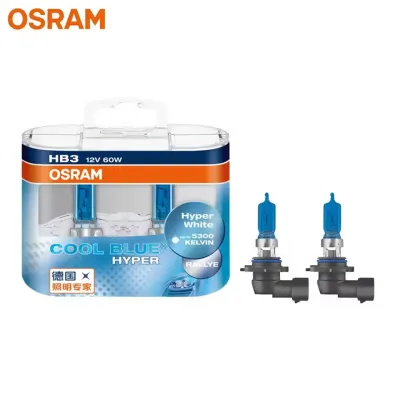
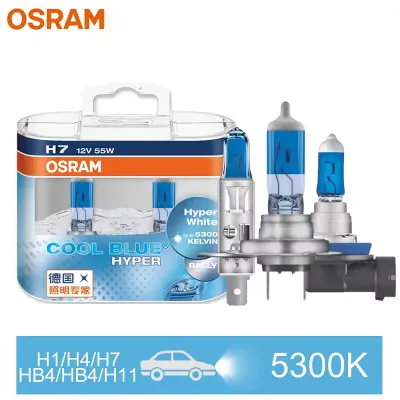
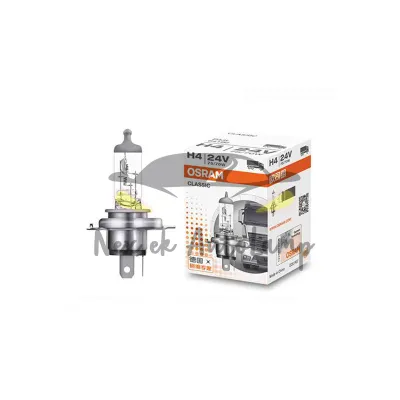
Prices are valid at publication and may change. Please refer to the product page for the latest price.
For fog lights, the permitted light output is generally restricted to white or selective yellow. These colors are chosen because they provide the necessary contrast in low-visibility conditions without mimicking emergency vehicle signals. When selecting an Osram bulb, you must ensure the color output aligns with these permitted spectrums.
For daytime running lights (DRLs), the regulations are even more precise. DRLs must emit a bright, white light to ensure the vehicle is highly visible during daylight hours. Any deviation into blue, red, or other colored spectrums is strictly prohibited and can result in inspection failures or fines.
Furthermore, any replacement bulb must not alter the original beam pattern in a way that causes blinding glare for oncoming traffic. This is a critical safety boundary; misaligned or excessively bright bulbs can temporarily blind other drivers, increasing the risk of collisions on Singapore’s well-lit urban roads. Before purchasing any aftermarket bulb, you must verify its compliance status and ensure it is designed to work within your vehicle’s specific light housing.
Evaluating Osram Bulbs for Fog Light Applications
Fog lights serve a highly specific safety function: illuminating the road surface immediately in front of the vehicle during heavy rain or haze without reflecting light back into the driver’s eyes. When evaluating Osram bulbs for this purpose, the choice of color temperature is paramount.

Traditional halogen bulbs, often operating around 3000K to 4300K, provide a warmer, yellowish light that is highly effective at penetrating moisture droplets. Many drivers prefer this classic spectrum for practical fog light performance. Conversely, cooler color temperatures, such as 6000K, offer a modern, crisp white aesthetic that matches contemporary LED headlights, though they may experience more backscatter in dense rain.
Preserving the original beam pattern is another critical factor. Osram designs its replacement bulbs to mimic the filament location of standard halogen bulbs. This precision ensures that the light source aligns perfectly with the reflectors and lenses of your fog light housing, maintaining a sharp cutoff line. A proper cutoff prevents light from scattering upward into the eyes of oncoming drivers, which is essential for both safety and passing vehicle inspections.
When choosing between halogen and LED upgrades within the Osram range, you must consider thermal management and physical space. Halogen bulbs generate significant heat within the bulb itself but require no external cooling. LED replacements run cooler at the light source but rely on heat sinks or miniature cooling fans at the base to dissipate heat from the electrical components. You must ensure your fog light housing has sufficient ventilation and physical clearance to accommodate these cooling mechanisms.
Selecting Osram Bulbs for Daytime Running Lights (DRLs)
Daytime running lights are designed to make your vehicle more conspicuous to other road users during daylight hours. Unlike fog lights, which are used selectively, DRLs operate continuously whenever the engine is running. This continuous duty cycle places unique demands on the bulb’s durability and thermal design.
For DRL applications, a pure white light output is highly desirable. It provides a clean, modern appearance that aligns with modern vehicle designs while ensuring high visibility under bright sunlight. Osram’s LED upgrade options are popular for this application due to their crisp color rendering and low power consumption.
Because DRLs run constantly, thermal dissipation is a critical factor in preventing premature bulb failure. LED bulbs designed for DRL use must feature robust thermal management systems, such as advanced aluminum housings or active cooling, to handle the heat generated during prolonged operation.
Another vital consideration for DRL upgrades is electrical compatibility, particularly concerning CANbus (Controller Area Network) systems. Many modern vehicles monitor the electrical resistance of their lighting circuits. Because LED bulbs draw significantly less power than original halogen bulbs, the vehicle’s computer may interpret this lower draw as a burnt-out bulb, triggering dashboard error codes or causing the lights to flicker. Selecting Osram bulbs with integrated CANbus compatibility, or pairing them with appropriate warning cancellers, is essential to ensure stable operation.
Verifying Fitment, Sizes, and Electrical Compatibility
Before purchasing any replacement bulb, you must verify the physical and electrical compatibility with your specific vehicle. Never assume compatibility based solely on a general category term or vehicle model year, as manufacturers often change lighting specifications mid-cycle or across different trim levels.
Start by identifying the exact bulb base type required for your fog lights or DRLs. This information can typically be found in your vehicle owner’s manual or by inspecting the marking on the original bulb itself (such as H8, H11, H16, or specific wedge-base types like W21W).
Next, measure the physical clearance inside and behind the light housing. LED upgrade bulbs often feature larger bases due to integrated heat sinks, cooling fans, or external driver units. You must ensure there is adequate space within the engine bay or bumper cavity to mount the bulb securely without pinching wires or blocking airflow to the cooling elements.
Finally, assess your vehicle’s electrical requirements. If your car utilizes a sensitive bulb-monitoring system, you may need to install additional decoders or load resistors alongside your new bulbs. These components simulate the electrical load of a standard halogen bulb, preventing error messages and ensuring the new lights function reliably.
Building Your Condition-Based Osram Shortlist
To create a practical shortlist of Osram bulbs, begin by cross-referencing your verified bulb size and the legal color requirements for your specific lighting application. This step filters out incompatible options immediately, leaving you with a selection of products that are physically and legally suitable for your vehicle.
Next, consider your budget in S$ and weigh it against the warranty terms offered by different product lines. While premium LED upgrades may require a higher initial investment, they often come with longer manufacturer warranties and a longer operational lifespan compared to standard halogen replacements. To protect your investment, always purchase from authorized local distributors in Singapore. This ensures you receive genuine Osram products rather than counterfeit alternatives, and guarantees access to local warranty support.
Lastly, plan the installation process. While some bulb replacements are straightforward plug-and-play procedures, others may require removing the front bumper, accessing tight wheel well liners, or integrating complex wiring harnesses and decoders. For any installation involving electrical modifications, complex disassembly, or potential impacts on road legality, it is highly recommended to seek professional installation at a qualified workshop. This ensures the work is completed safely, the beam pattern is correctly aligned, and your vehicle remains fully compliant with LTA standards.
Frequently Asked Questions (FAQ)
Can I use the same Osram bulb model for both fog lights and DRLs?
Generally, you cannot use the exact same bulb model for both applications due to differing functional designs and legal requirements. Fog lights require a specific beam pattern with a sharp cutoff to penetrate adverse weather without causing glare, often utilizing warmer color temperatures. DRLs, on the other hand, require a broad, highly visible white light designed for continuous daytime visibility. Additionally, the physical bulb base types and electrical connectors for fog lights and DRLs are usually different, meaning a bulb designed for one housing will not physically fit or function correctly in the other.
Will upgrading to Osram LED bulbs void my vehicle's warranty?
Upgrading to aftermarket LED bulbs can potentially affect your vehicle’s electrical warranty if the installation causes damage or requires splicing into the original wiring harness. To minimize this risk, opt for plug-and-play designs that do not modify the factory wiring. However, because warranty policies vary significantly among vehicle manufacturers and local dealerships in Singapore, you should always consult your vehicle’s authorized distributor or read the warranty terms before performing any lighting modifications.
How do I know if an Osram LED bulb is LTA compliant?
To determine if an Osram LED bulb is compliant with LTA regulations in Singapore, you must check the product packaging for specific certification markings and verify that the light color and beam pattern meet local standards. LTA guidelines generally require that aftermarket bulbs do not alter the original light distribution or cause glare to other road users. You can consult the official LTA website for the most current vehicle modification guidelines, or visit an authorized vehicle inspection center to have your lighting setup evaluated by professionals before driving on public roads.
Community discussion
Share your experience or ask a question. Comments are reviewed before publication.