
Upgrading your vehicle’s sound system with aftermarket midrange speakers is one of the most effective ways to restore clarity, warmth, and detail to your favorite music. The midrange frequency band contains the vast majority of vocal performances, acoustic instruments, and electric guitar riffs, making it the literal heart of any audio track. Factory-installed speakers are typically constructed from inexpensive paper cones and small magnets, which often produce a muddy, muffled sound that struggles to cut through ambient road noise. By upgrading to dedicated midrange drivers, you can achieve a much more realistic soundstage and a cleaner, more engaging listening experience on your daily commute.
JBL is a prominent name in the car audio industry, offering a diverse lineup of speakers designed to fit various budgets, vehicle types, and power configurations. However, selecting the right midrange speakers is not as simple as picking the first model you find online. You must carefully navigate different product tiers, verify physical and electrical compatibility with your specific vehicle, and understand how different speaker materials influence sound characteristics. Taking a systematic approach to your upgrade ensures that your new speakers perform to their full potential without damaging your vehicle’s electrical system.
Navigating JBL Midrange Speaker Tiers and Series
To make an informed decision, it is helpful to understand how the manufacturer structures its speaker lineup across different performance tiers. Entry-level series are generally designed as direct factory replacements, focusing on high efficiency and ease of installation. These speakers typically feature lightweight materials and compact motor structures, allowing them to run efficiently on the limited power supplied by a standard factory head unit. They offer a cost-effective way to replace blown or worn-out factory drivers without requiring additional amplifiers or complex wiring modifications.
Products mentioned in this guide
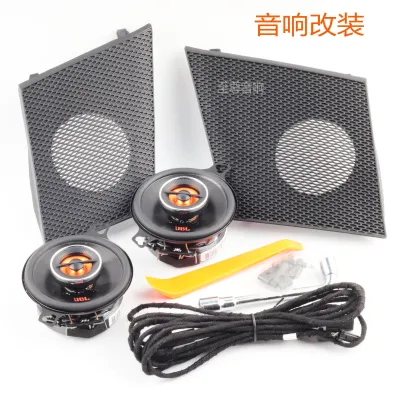
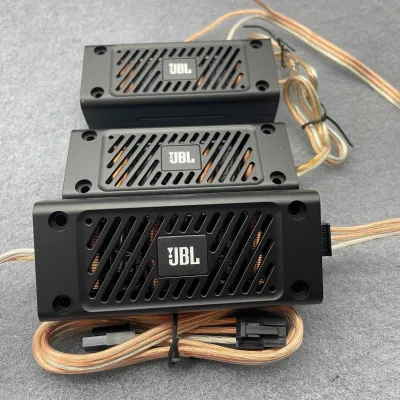
Prices are valid at publication and may change. Please refer to the product page for the latest price.
Moving up to the performance tier introduces more robust build quality, larger voice coils, and heavier magnet structures. These speakers are engineered for enthusiasts who want higher volume levels and greater detail without a massive financial investment. While they can still run on factory power, they truly shine when paired with a modest aftermarket amplifier. The materials used in this tier are selected for improved rigidity and thermal management, allowing the speakers to handle more continuous power over long listening sessions without distorting or overheating.
At the top of the lineup are the premium series, which are designed for audiophiles seeking the highest level of acoustic accuracy and sound staging. These drivers utilize advanced composite materials, precision-engineered motor structures, and sophisticated crossover networks to deliver exceptionally smooth frequency transitions and minimal distortion. Premium midrange speakers almost always require a dedicated external amplifier to perform as intended. Because the manufacturer’s official lineup, model names, and regional availability change over time, you should always consult the current official catalog or an authorized dealer to verify which series are currently active in your local market.
When choosing your speakers, you must also decide between component systems and coaxial designs. Component systems separate the midrange driver from the tweeter, allowing you to mount each speaker in its acoustically optimal position within the cabin. This separation is crucial for creating a realistic soundstage where vocals sound as though they are coming from the dashboard rather than your feet. Coaxial designs, on the other hand, integrate the tweeter directly in the center of the midrange cone. While coaxial speakers are easier to install and fit into standard factory locations, they can compromise high-frequency dispersion and imaging because the tweeter is mounted low in the door panel.
Verifying Vehicle Fitment and Electrical Compatibility
Before purchasing any new speakers, you must verify that they will physically fit into your vehicle’s door panels or dashboard locations. Start by measuring the factory speaker openings, paying close attention to the mounting depth and the clearance behind the speaker magnet. When a speaker is installed in a car door, its magnet extends into the door cavity, where the window glass slides down. If the speaker’s mounting depth is too deep, the window mechanism may strike the magnet, causing severe damage to both the window regulator and the speaker itself. Always check these clearances with the window fully rolled down before finalizing your installation plan.

Electrical compatibility is equally critical to prevent damage to your vehicle’s audio equipment. You must verify the impedance, measured in ohms, of both the new speakers and your source unit. Most factory car audio systems are designed to operate with a specific impedance load, typically 4 ohms, though some modern systems use highly specialized 2-ohm or 8-ohm configurations. Installing a speaker with an impedance that is too low for your head unit can cause the internal amplifier to overheat, trigger its protection mode, or fail entirely. Conversely, installing a high-impedance speaker on a low-impedance source will result in very low volume output.
You must also match the speaker’s RMS power handling to the output of your power source. RMS, or Root Mean Square, represents the continuous power a speaker can handle safely over extended periods, whereas peak power ratings are short-term maximums that do not reflect real-world performance. If you plan to power your speakers directly from a factory head unit, which typically outputs only 10 to 15 watts RMS per channel, you must choose speakers designed to operate efficiently at low power. If you are using a high-power aftermarket amplifier, ensure the speakers’ RMS rating matches or slightly exceeds the amplifier’s output to prevent thermal damage to the voice coils.
Finally, be prepared for the proprietary mounting systems used by many modern vehicle manufacturers. Many cars do not feature standard round or oval speaker mounting holes, instead utilizing custom plastic brackets that clip directly into the door frame. To install aftermarket speakers without making irreversible structural modifications to your vehicle, you will likely need to source vehicle-specific adapter brackets. Additionally, using plug-and-play wiring harnesses that match your vehicle’s factory plugs will allow you to connect the new speakers without cutting or splicing the original wiring loom, preserving the integrity of your vehicle’s electrical system.
Matching Speaker Materials and Specs to Your Audio Preferences
The materials used to construct a speaker’s cone and surround have a profound impact on its durability, weight, and overall sound signature. Polypropylene is one of the most common cone materials because it is lightweight, rigid, and highly resistant to moisture. Since car doors are exposed to extreme temperature swings and humidity, polypropylene cones offer excellent long-term durability while delivering a warm, smooth sound. For listeners who prefer a more analytical, detailed sound with faster transient response, cones made from woven fiberglass, carbon fiber, or specialized synthetic fabrics are excellent choices, though they often require more power to drive effectively.
The surround material, which connects the outer edge of the cone to the speaker basket, is responsible for controlling the cone’s movement and dampening unwanted vibrations. Rubber surrounds are widely considered the industry standard for high-quality car speakers because they do not degrade under UV exposure or high humidity. They provide excellent flexibility and dampening, allowing the cone to move freely while minimizing distortion at high volume levels. Treated cloth surrounds are sometimes used in high-efficiency speakers, but they may not offer the same level of moisture resistance or low-frequency control as rubber.
Sensitivity is another crucial specification to consider when matching speakers to your audio preferences and system design. Measured in decibels (dB) at 1 watt of power from a distance of 1 meter, sensitivity indicates how efficiently a speaker converts electrical energy into sound. A speaker with a high sensitivity rating (92 dB or higher) will play significantly louder on a low-power factory radio than a speaker with a low sensitivity rating (88 dB or lower). If you do not plan to install an external amplifier, prioritizing high-sensitivity speakers is essential to maintain adequate volume levels and dynamic range.
For those opting for a component speaker system, the design and adjustability of the crossover network are vital for achieving a balanced sound. The crossover is responsible for splitting the audio signal, sending low and midrange frequencies to the midrange driver and high frequencies to the tweeter. High-quality passive crossovers often feature adjustable tweeter attenuation switches, typically labeled as 0 dB, -3 dB, or +3 dB. This adjustment allows you to fine-tune the high-frequency output to compensate for poor speaker placement, such as when the tweeters are mounted high on the A-pillars and sound overly bright compared to the door-mounted midrange drivers.
Installation Preparation and Safety Boundaries
When undertaking any car audio installation, safety must always be your top priority. Before you begin removing door panels, handling tools, or touching any electrical wiring, you must disconnect the negative terminal of your vehicle’s battery. This simple, mandatory step eliminates the risk of accidental short circuits that could blow expensive fuses, damage sensitive electronic control units, or trigger the deployment of side-impact airbags located inside the doors. Keep the battery disconnected until the entire installation is complete and all wiring connections have been securely insulated.
The environment inside a standard car door is highly detrimental to good sound quality, as thin metal panels easily vibrate and resonate when exposed to sound waves. To get the best possible performance from your new midrange speakers, you should prepare the doors by applying dedicated sound deadening materials. Applying butyl-based damping sheets to the inner and outer metal door skins reduces panel resonance, lowers ambient road noise, and creates a more solid acoustic enclosure for the speaker. This treatment prevents the speaker’s energy from being wasted on vibrating the door metal, resulting in much tighter, cleaner mid-bass and improved vocal clarity.
In addition to sound deadening sheets, installing foam speaker baffles or silicone acoustic coupling rings can further optimize your speaker’s performance. These accessories fit around the front of the speaker and create a tight seal against the interior door panel trim. This seal ensures that all the sound waves produced by the midrange driver are directed forward into the passenger cabin rather than escaping into the empty space behind the door card, which can cause phase cancellation and muddy sound. Baffles also help protect the rear of the speaker from water droplets that naturally run down the inside of the door window seals during heavy rain.
While many car audio upgrades can be successfully completed as DIY projects, it is crucial to recognize your technical limits and understand when to seek professional assistance. If your installation requires cutting metal door structures, running heavy-gauge power cables through the vehicle’s firewall, or integrating with complex factory fiber-optic audio networks, you should halt your efforts and consult a qualified professional. Attempting to bypass integrated factory amplifiers or active safety systems without the proper diagnostic tools and wiring schematics can lead to costly electrical damage and compromise your vehicle’s safety systems.
Sourcing Genuine Products and Verifying Authenticity
Because JBL is a highly recognized and sought-after brand globally, counterfeit car audio components are a common issue, particularly on unverified online marketplaces and discount ecommerce platforms. To ensure you are purchasing genuine speakers that meet the manufacturer’s strict performance and safety standards, you should always buy from authorized car audio dealers, official brand stores, or reputable specialty retailers. Purchasing from unauthorized sources carries a high risk of receiving counterfeit goods that perform poorly, lack proper thermal protection, and can potentially damage your vehicle’s electrical system.
You can verify the authenticity of your new speakers by carefully inspecting the packaging and the physical product. Genuine products are packaged in high-quality, robust boxes with clear, high-resolution printing, accurate branding, and complete user manuals. Look for official serial numbers printed on both the packaging and the speaker magnets, as well as holographic security seals that are difficult for counterfeiters to replicate. If the price of the speakers is significantly lower than the standard retail price at authorized dealers, or if the packaging appears flimsy or lacks official markings, you should exercise extreme caution.
Sourcing your speakers from authorized channels also ensures that you will have access to valid warranty coverage and reliable after-sales support. In Singapore, official distributors require a valid proof of purchase from an authorized retailer to honor warranty claims for defects or premature failures. Whether you are investing S$100 or S$500 in your audio upgrade, make sure to keep your original purchase receipts, the product packaging, and any professional installation invoices in a safe place. Having these documents readily available will make the warranty claim process straightforward and protect your investment in your vehicle’s new audio system.
Frequently Asked Questions (FAQ)
Can I mix JBL midrange speakers with tweeters from a different brand?
While you can physically connect a JBL midrange speaker to a tweeter from another manufacturer, doing so within a passive component system is generally not recommended. Passive crossover networks are meticulously engineered to match the specific impedance, sensitivity, and frequency response curves of the drivers included in that exact set. Mixing different brands can lead to severe phase alignment issues, volume imbalances, and frequency gaps that degrade the overall soundstage and imaging. If you want to mix brands, you should consult an audio professional to design an active system using a Digital Signal Processor (DSP) and dedicated amplifier channels for precise, custom tuning.
Do I need an amplifier to run JBL midrange speakers?
Whether you need an external amplifier depends on the specific speaker series you choose and your listening preferences. High-sensitivity JBL speakers designed for entry-level upgrades can run acceptably on the limited power provided by a standard factory head unit. However, to experience the full dynamic range, clean volume, and detailed midrange clarity that aftermarket speakers are capable of, a dedicated external amplifier is highly recommended. Amplifiers provide clean, undistorted power that prevents clipping, which is the leading cause of speaker damage at higher volumes.
How do I know if my car doors need sound deadening for midrange speakers?
You can identify the need for sound deadening through simple observation. If you hear buzzing, rattling, or hollow vibrations from your door panels when playing music at moderate volumes, or if the midrange vocals sound muddy and lack punch, your doors are likely vibrating in sympathy with the speakers. Physically tapping the exterior door panel can also reveal a hollow, ringing sound rather than a solid, dull thud. Installing even a modest amount of sound deadening material behind and around the speaker mount will dramatically improve acoustic performance.
Community discussion
Share your experience or ask a question. Comments are reviewed before publication.