
When parking a vehicle under the intense tropical sun in Singapore, cabin temperatures can rapidly climb to levels that challenge the physical limits of standard interior accessories. Car fragrance gels are particularly vulnerable to these extreme conditions. While standard gel air fresheners often liquefy, lose their scent within days, or even leak and damage interior surfaces, specialized heat-resistant formulations are engineered to withstand these harsh thermal environments. Selecting a product designed for high-temperature stability ensures a consistent, long-lasting scent throw without the risk of messy spills or chemical degradation.
To find a car fragrance gel that can endure the tropical climate, car owners must look beyond basic scent profiles and focus on the underlying chemistry of the gel matrix, the boiling points of the carrier solvents, and the protective features of the packaging. Understanding how heat interacts with these products allows you to make an informed purchase that protects your vehicle’s interior while maintaining a pleasant cabin atmosphere.
How Tropical Heat Degrades Car Fragrance Gels
The interior of a car parked outdoors in Singapore acts as a greenhouse, trapping solar radiation and raising internal temperatures far above the ambient outdoor temperature. Under these conditions, standard car fragrance gels undergo rapid physical and chemical changes that severely compromise their performance and longevity.
Products mentioned in this guide
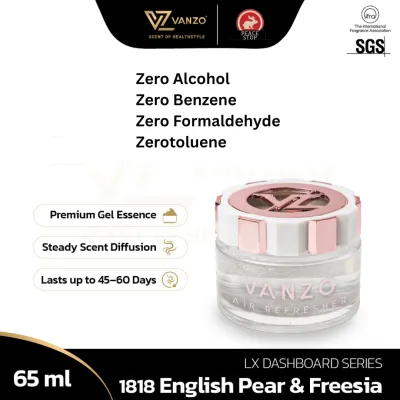
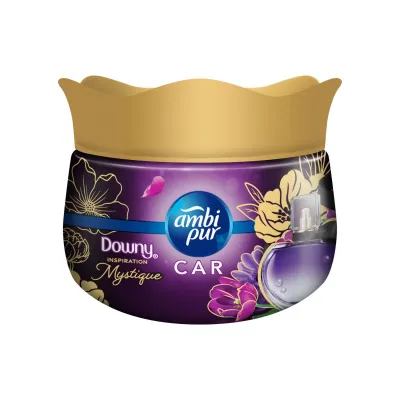
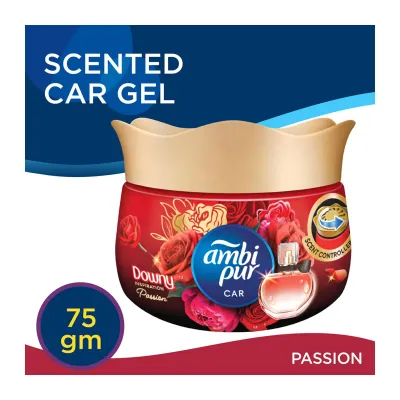
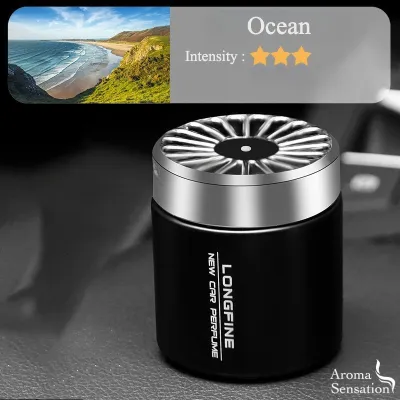
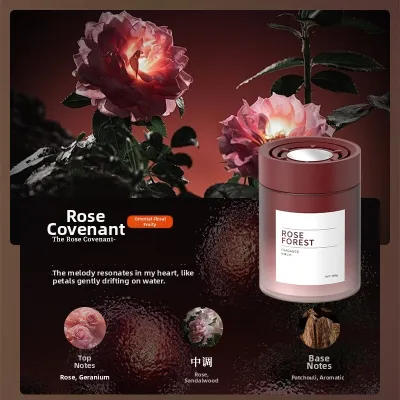
![[SG] 200g Scented Gel Air Fresheners | Natural Essential Oil Solid Fragrance |200g for Car Room & Toilet](https://img.lazcdn.com/g/p/412bbecf1afe6d672b0093c036400bae.jpg_400x400q80.jpg_.webp)
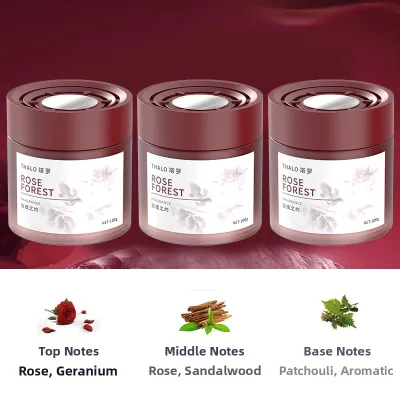
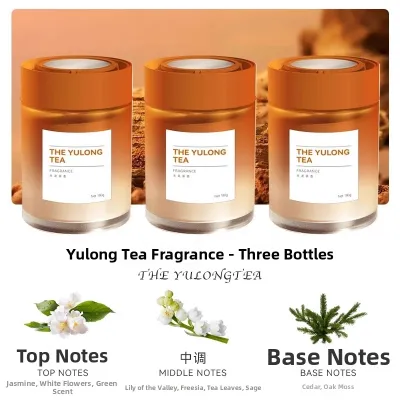
Prices are valid at publication and may change. Please refer to the product page for the latest price.
The most immediate effect of high heat is a drastic acceleration of the evaporation rate. Gel air fresheners work by slowly releasing volatile fragrance oils trapped within a solid or semi-solid matrix. When the temperature rises, the kinetic energy of the molecules increases, causing the fragrance oils and carrier solvents to evaporate at an uncontrolled rate. This results in an overwhelming, overly intense scent throw during the first few days of use, followed by a rapid decline as the active ingredients are prematurely exhausted.
Beyond rapid evaporation, extreme heat poses a significant risk of gel liquefaction. Many budget-friendly fragrance gels rely on low-density polymer networks or simple water-based gelling agents that have low thermal melting points. When cabin temperatures exceed 50°C or 60°C, these weak polymer bonds break down, causing the semi-solid gel to collapse into a runny liquid. This liquefied gel can easily seep through the vents of its container, leading to spills on dashboards, console plastics, or upholstery.
Furthermore, prolonged exposure to high temperatures and ultraviolet (UV) radiation from the sun degrades the chemical structure of the fragrance oils themselves. Heat acts as a catalyst for oxidation, which can alter the molecular composition of the scent compounds. This chemical degradation often transforms a pleasant floral or citrus aroma into a sour, chemical, or rancid smell, rendering the air freshener unusable long before the physical gel has fully evaporated.
Formulation and Packaging Features That Resist Heat
To combat the destructive effects of tropical heat, manufacturers of high-quality car air fresheners employ specific chemical formulations and structural designs. Identifying these features on product labels and specifications is key to selecting a gel that will remain stable in your vehicle.

The primary defense against heat-induced melting is a high-density, cross-linked polymer matrix. Unlike simple linear polymers that easily slide past one another when heated, cross-linked polymers form a robust, three-dimensional molecular network. This structure securely traps the fragrance oils and water or solvent molecules within a tight grid. Even when subjected to extreme cabin heat, the cross-linked bonds maintain their structural integrity, preventing the gel from collapsing into a liquid state and ensuring a controlled, linear release of the scent.
The choice of solvent base also plays a critical role in heat resistance. Water-based gels are highly susceptible to rapid evaporation and thermal breakdown in hot climates. In contrast, heat-resistant formulas often utilize glycol-based or silicone-based carriers. These synthetic solvents have significantly higher boiling points and lower volatility than water, allowing them to resist rapid evaporation and maintain a steady release rate even when the vehicle is parked in direct sunlight.
Packaging design is another essential factor in protecting the gel from thermal and UV degradation. Heat-resistant car fragrance gels are typically housed in heavy-duty, opaque, or UV-blocking glass or high-grade plastic containers. These materials shield the internal gel from direct solar radiation, reducing the internal temperature of the product and preventing UV rays from breaking down the fragrance oils. Additionally, high-quality containers feature adjustable, secure venting lids that allow you to control the exposure of the gel to the cabin air, further regulating the evaporation rate.
When evaluating products, look for manufacturer-stated operating temperature ranges on the packaging or product documentation. High-performance gels are often rated to remain stable at temperatures up to 70°C or even 80°C. While these specifications are not always prominently displayed on the front label, they can often be found in the technical product descriptions or safety data sheets provided by reputable automotive accessory brands.
How to Screen Products for Heat Resistance Before Buying
With numerous options available on online marketplaces and in automotive retail shops, screening products systematically is the best way to avoid purchasing a gel that will fail in the heat. By analyzing product descriptions, ingredient lists, and user feedback, you can identify formulas built for tropical climates.
Start by examining the product description for explicit heat-resistance claims. Manufacturers targeting hot climates will often highlight terms such as “high-temperature stable,” “anti-melting formula,” or “designed for tropical climates.” Avoid products that only describe the scent profile without mentioning physical stability or temperature limits. If the product documentation lists the gelling agent, look for high-performance ingredients like gellan gum, carrageenan, or synthetic polyurethane polymers, which generally offer superior thermal stability compared to simple gelatin or starch-based thickeners.
Customer reviews on ecommerce platforms provide valuable real-world data on how a fragrance gel performs under actual hot-weather conditions. When browsing reviews, use search filters or keywords to look for terms like “melted,” “leaked,” “shrunk,” “evaporated,” or “hot sun.” If multiple users report that the gel turned to liquid or disappeared within a week of parking outdoors, it is a clear indication that the formula is not suited for the local climate. Conversely, positive reviews mentioning long-lasting performance during hot seasons or in tropical regions are strong indicators of a resilient product.
Additionally, check the manufacturing date and shelf-life indicators before purchasing. Heat-resistant formulas still have a finite shelf life, and older stock that has been stored in non-climate-controlled warehouses may have already begun to degrade. Opt for products with clear manufacturing dates and choose newer stock to ensure the polymer matrix and fragrance oils are at their peak stability when installed in your vehicle.
Safe Placement and Cleanup to Protect Your Car Interior
Even the most heat-resistant car fragrance gel requires proper placement and maintenance to maximize its lifespan and protect your vehicle’s interior from accidental damage. Implementing smart placement strategies and knowing how to handle potential leaks will safeguard your cabin.
The most critical rule of placement is to avoid areas exposed to direct sunlight. The top of the dashboard, the steering column, and the area directly beneath the windshield experience the highest levels of solar radiation and heat concentration in the entire cabin. Placing a gel air freshener in these zones will rapidly accelerate degradation, regardless of how heat-resistant the formula is. Instead, opt for shaded, lower areas of the vehicle where temperatures remain slightly lower. Suitable locations include:
- Under-seat brackets or floor trays.
- Door pockets or side storage compartments.
- Cup holders located in the center console.
- Rear seat pockets.
Avoid placing gel containers directly on top of sensitive interior surfaces like leather upholstery, soft-touch plastics, or polished wood trim. Even heat-resistant containers can sweat or develop condensation containing concentrated fragrance oils, which can strip protective coatings or cause permanent staining. Using a non-slip, heat-resistant silicone coaster or mounting bracket can provide an extra layer of protection between the container and your car’s surfaces.
Regularly monitor the physical state of the gel. During your weekly car cleaning, inspect the container for visual signs of degradation. If you notice excessive shrinkage, severe discoloration, or a layer of liquid pooling on top of the gel, it is time to replace the product. These signs indicate that the polymer matrix has reached the end of its stable lifespan and is beginning to break down.
In the event of an accidental leak or melt, prompt and careful cleanup is essential to prevent permanent damage to your car’s interior. Fragrance oils and solvents can act as powerful chemical agents that dissolve plastics and stain fabrics. If a spill occurs, follow these steps immediately:
- Blot the excess liquid or gel gently with a dry, clean microfiber cloth. Do not rub or scrub, as this can push the chemical compounds deeper into the fabric or leather pores.
- Consult your vehicle's owner's manual to identify approved cleaning agents for the specific surface material (e.g., leather, vinyl, or plastic).
- Apply a mild, pH-neutral interior cleaner that is explicitly authorized for use on the affected material. Test the cleaner on an inconspicuous area first to ensure colorfastness.
- Wipe the area clean with a damp microfiber cloth to remove any remaining soap residue, then dry the surface thoroughly with a clean towel.
- Avoid using harsh household solvents, acetone, or abrasive scrubbers, as these can cause irreversible damage to automotive plastics and leather finishes. If the spill is extensive or on premium leather, consider seeking professional automotive detailing services to safely extract the residue.
Frequently Asked Questions (FAQ)
Can I leave car fragrance gel in the vehicle overnight?
Yes, it is generally safe to leave high-quality car fragrance gels in your vehicle overnight. Overnight temperatures are significantly lower than daytime temperatures, which allows the gel matrix to cool down and stabilize. However, the continuous cycle of extreme daytime heating followed by nighttime cooling can gradually weaken the polymer bonds over time. To maximize the lifespan of the product, ensure it is placed in a shaded area of the cabin, away from direct exposure to the windshield, and verify that the container is securely closed or vented to prevent unnecessary evaporation during cooler hours.
Do solid air fresheners last longer than gels in hot weather?
Generally, solid air fresheners—such as those made from compressed ceramic, clay, volcanic stone, or treated wood fiber—tend to have higher physical stability in hot weather than gel-based products. Because solid air fresheners do not contain a liquid or semi-solid gel matrix, they are physically incapable of melting, liquefying, or leaking, making them highly resilient to extreme cabin temperatures. However, the trade-off lies in the scent delivery. Solid formats typically offer a more subtle, localized scent throw compared to gels, which release fragrance more intensely due to the evaporation of their solvent base. If your primary concern is preventing leaks and ensuring absolute physical stability in extreme heat, solid formats are an excellent alternative, whereas heat-resistant gels remain the preferred choice for a stronger, more noticeable fragrance.

Community discussion
Share your experience or ask a question. Comments are reviewed before publication.