
Selecting a suitable Head Speed MP LED light bar, fog light, or daytime running light (DRL) configuration for your vehicle is not as simple as picking a product off a shelf and mounting it to your bumper. Because aftermarket exterior lighting interacts directly with your car’s complex electrical system, physical body panels, and local road safety regulations, compatibility must be verified on a model-by-model basis. To achieve a setup that is both highly functional and legally compliant, you must cross-reference your vehicle’s specific electrical capacity, physical mounting constraints, and regional transport rules with the technical specifications of the LED unit before making any purchase.
Understanding Vehicle Compatibility for Exterior LED Lights
Before selecting any Head Speed MP LED configuration, you must first evaluate your vehicle’s electrical architecture. Modern vehicles rely on sophisticated electronic control units (ECUs) to monitor power distribution and detect component failures. Many European and newer Asian car models utilize a Controller Area Network (CANbus) system to monitor the resistance of factory bulbs. Because LED lights draw significantly less power than traditional halogen bulbs, the vehicle’s computer may interpret this lower power draw as a burnt-out bulb. This mismatch often triggers persistent dashboard error warnings, rapid flickering, or an automatic power cut-off to the light circuit. To prevent these issues, you must determine if your vehicle requires additional load resistors or CANbus decoders to simulate the electrical load of original equipment.
Beyond computer monitoring, you must verify the physical space available on your vehicle’s exterior. Whether you plan to install a sleek light bar behind the grille, mount auxiliary fog lights in the lower bumper valance, or integrate DRLs into the headlight housing, precise measurements are essential. You must ensure that the physical dimensions of the LED housing do not obstruct critical factory components. Modern cars are increasingly equipped with Advanced Driver Assistance Systems (ADAS), which rely on radar sensors, cameras, and ultrasonic sensors mounted in the grille and bumper. Placing an LED light bar in the path of these sensors can disable safety features like autonomous emergency braking or adaptive cruise control. Additionally, blocking the lower grille can restrict airflow to the radiator and transmission cooler, potentially leading to engine overheating during long drives in tropical climates.
Products mentioned in this guide
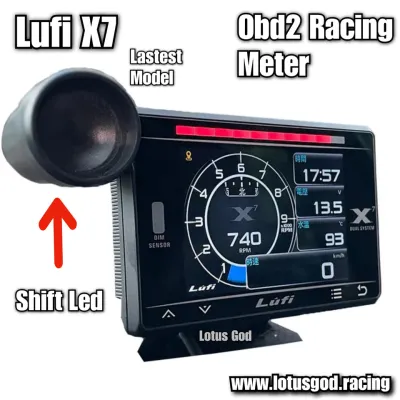
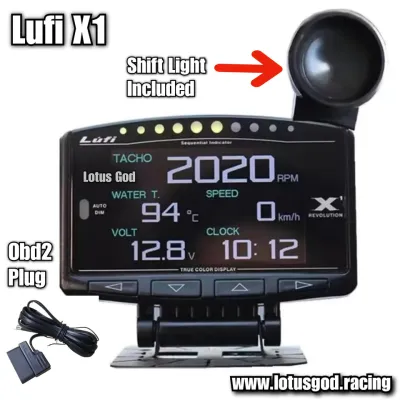
Prices are valid at publication and may change. Please refer to the product page for the latest price.
Finally, you must assess your vehicle’s overall electrical capacity. High-output LED configurations, particularly large light bars, can place a substantial demand on your car’s charging system. You should consult your vehicle’s technical manual to identify the maximum output of the alternator and the gauge of the existing wiring harness. If the total power draw of your aftermarket lights exceeds the spare capacity of the alternator, you risk draining the battery while driving or damaging the alternator itself. If the factory wiring is too thin to handle the current of the new lights, it can overheat, melting the insulation and creating a serious fire hazard.
Evaluating Head Speed MP Light Bar, Fog Light, and DRL Options
Once you understand your vehicle’s physical and electrical limits, you can evaluate the specific features of Head Speed MP LED configurations to match your driving environment. The first consideration is the beam pattern, which dictates how light is distributed on the road or trail. Spot beams project a narrow, concentrated beam of light over a long distance, making them excellent for high-speed highway driving or dark off-road trails where long-range visibility is crucial. Flood beams, on the other hand, spread light wide to illuminate the immediate surroundings, which is ideal for navigating tight corners or rough terrain at lower speeds. Combo beams combine both spot and flood optics within a single housing, offering a versatile balance of distance and wide-angle illumination.
Color temperature is another critical factor that directly affects visibility in different weather conditions. LED lights are available in various color temperatures, typically measured in Kelvin (K). Lower color temperatures around 3000K produce a warm yellow or amber light, which is highly effective at penetrating dense fog, heavy rain, and haze because yellow light scatters less off water droplets. Higher color temperatures between 5000K and 6000K produce a crisp, cool white light that closely mimics natural daylight, reducing eye strain and highlighting road markings clearly in clear conditions. However, cool white light can cause intense glare when reflected off heavy rain, which is a common driving challenge in tropical regions like Singapore.
You must also evaluate the build quality and environmental protection of the LED units. Look for products with high Ingress Protection (IP) ratings, such as IP67 or IP68, which indicate that the housing is sealed against dust and can withstand temporary immersion in water. This is particularly important for lower-mounted fog lights or DRLs that are constantly exposed to road spray, puddles, and heavy downpours. Additionally, robust thermal management is vital for LED longevity. High-power LEDs generate significant heat at the circuit board level; without efficient aluminum heat sinks or thermal dissipation designs, the LEDs will degrade rapidly, leading to dimming or premature failure.
Lastly, examine the mounting hardware and wiring requirements of the Head Speed MP configuration. Some vehicles feature pre-existing mounting points or aftermarket brackets designed specifically for certain bumper styles, while others require universal brackets that may necessitate drilling into the bumper or frame. Measure the distance from the planned mounting location to your vehicle’s battery and cabin switch panel to ensure the included wiring harness is long enough. If the harness is too short, you will need to source high-quality, weather-resistant extension cables of the correct wire gauge to prevent voltage drop.
Pre-Purchase Verification and Legal Compliance Checklist
Before finalizing your purchase and beginning the installation process, you must run through a comprehensive safety and legal compliance checklist. First, consult your vehicle’s owner’s manual and the LED product packaging to identify any conflicting specifications. Pay close attention to maximum wattage limits and wiring instructions. Splicing directly into factory wiring harnesses can void your vehicle’s manufacturer warranty and compromise the integrity of the electrical system. If you are unsure about the wiring process or if your vehicle features a complex multiplexed electrical system, it is highly recommended to seek qualified professional installation to ensure all connections are secure and properly insulated.
Second, you must verify the local transport authority regulations regarding aftermarket vehicle lighting. In Singapore, the Land Transport Authority (LTA) maintains strict guidelines to ensure road safety and prevent glare from blinding oncoming drivers. Auxiliary light bars are generally not permitted for active use on public roads due to their high intensity and potential to cause hazardous glare. If you install an auxiliary light bar for off-road use or cross-border driving, it must be wired to an independent switch and covered when driving on public roads in Singapore. Daytime running lights (DRLs) must emit white or amber light, must be positioned within specific height and width parameters, and must automatically dim or turn off when the main headlights are activated. Fog lights must also comply with strict mounting regulations and should only be operated during periods of poor visibility, such as heavy rainstorms.
Third, ensure your installation plan includes the necessary safety components to isolate the aftermarket lights from your vehicle’s sensitive factory electronics. Never connect high-power LED lights directly to existing factory light switches or low-current circuits. Instead, utilize a dedicated wiring harness that includes a heavy-duty relay and an inline fuse. The relay acts as an electromagnetic switch, allowing a low-current signal from your cabin switch to control the high-current power drawn directly from the battery. The inline fuse protects the entire circuit by breaking the connection if an electrical short or overload occurs, preventing damage to your vehicle’s expensive electronic control modules.
Frequently Asked Questions (FAQ)
Do I need a CANbus decoder for Head Speed MP LED lights?
Whether you need a CANbus decoder depends entirely on your vehicle’s electrical monitoring system. Many modern cars, particularly European brands and newer Japanese models, utilize CANbus systems to detect bulb failures by measuring electrical resistance. Because Head Speed MP LED lights operate at a much lower wattage than factory halogen bulbs, the system may assume the bulb has failed. This triggers symptoms such as rapid flashing (hyper-flashing), intermittent flickering, dashboard warning lights, or the vehicle’s computer cutting power to the light altogether. If your vehicle has a sensitive bulb-out warning system, you will need to install a compatible CANbus decoder or load resistor inline with the LED light to stabilize the current and prevent these errors.
Are aftermarket LED light bars legal for road use in Singapore?
In Singapore, the Land Transport Authority (LTA) enforces strict regulations on aftermarket vehicle lighting to maintain road safety. High-intensity LED light bars are generally not legal for active use on public roads because their intense, unfocused beam patterns can easily blind oncoming motorists and pedestrians. If you install an auxiliary light bar for off-road excursions or driving in neighboring countries, it must be wired to a separate switch that cannot be easily turned on by accident while driving on public roads. Furthermore, any aftermarket daytime running lights (DRLs) or fog lights must meet strict LTA criteria, including specific mounting heights, approved colors (white or amber), and automatic dimming functions when the primary headlights are switched on. Always verify current LTA guidelines before installing any auxiliary lighting to avoid fines or vehicle inspection failures.
Community discussion
Share your experience or ask a question. Comments are reviewed before publication.