
Finding the right car rubber mat for popular Singapore vehicles like the Toyota Vios, Honda City, or Mazda 3 requires looking beyond generic brand promises. Because floor pan layouts can vary significantly between vehicle generations, facelifts, and engine types (such as petrol versus hybrid variants), no single brand universally guarantees a flawless fit without verifying the exact mold generation for your specific car.
Achieving a secure, gap-free fit depends on three primary decision factors: 3D scanning accuracy, anti-slip security, and unobstructed pedal clearance. Investing in a high-quality full-surround mat helps protect your vehicle’s original carpet from Singapore’s frequent tropical downpours and muddy footwear, but only if the mat remains firmly anchored and perfectly aligned. To make an informed choice, car owners must evaluate how different manufacturing methods, material compositions, and retention systems perform in their specific vehicle cabins.
Key Dimensions for Evaluating Custom Fit and Coverage
When shopping for a car rubber mat, understanding the difference between true custom-molded options and generic semi-custom mats is essential for achieving complete coverage. True custom-molded mats are designed using precise 3D or 5D laser scanning technology. This process maps every contour, curve, and footrest angle of a specific vehicle’s footwell, resulting in a mat that hugs the floor pan like a second skin.
Products mentioned in this guide
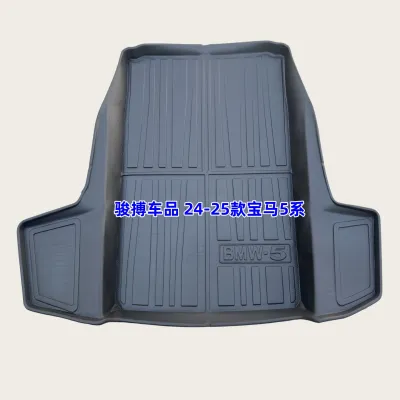
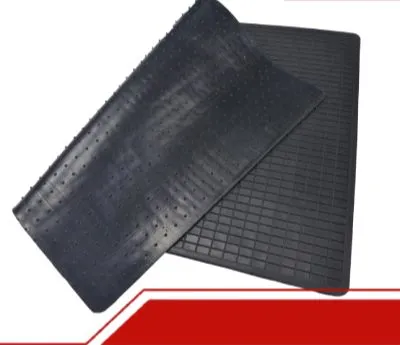
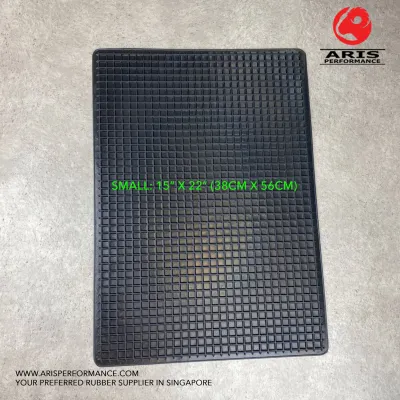
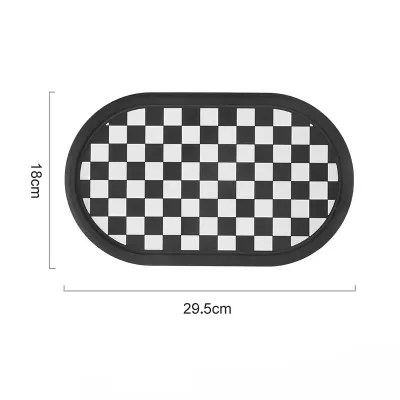
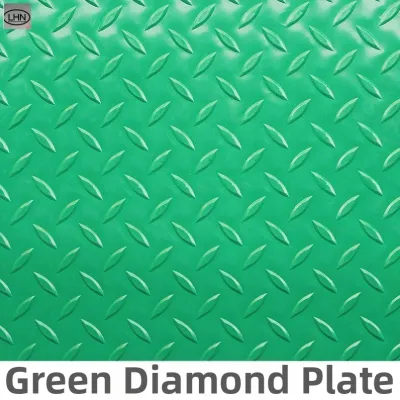


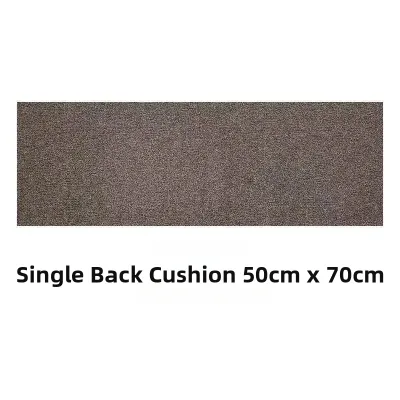
Prices are valid at publication and may change. Please refer to the product page for the latest price.
In contrast, generic or semi-custom mats are designed to fit a wide range of vehicles, which often leaves exposed carpet areas where dirt, sand, and spilled liquids can accumulate. These gaps not only compromise the protection of your car’s interior but can also allow the mat to shift during driving, creating potential safety hazards.
Another critical dimension to evaluate is the lip height and edge flexibility of the full-surround design. High-walled mats are excellent for containing liquid spills, wet umbrella runoff, or mud. However, if the edges are too rigid or poorly measured, they can block door sills, rub against the center console, or interfere with the smooth sliding of the front seats. A well-designed custom mat features flexible yet resilient edges that press firmly against the interior panels without warping or creating unsightly gaps.
Furthermore, you must check for precise cutouts around key cabin features. The footwells of popular models like the Honda City or Mazda 3 contain intricate details, including seat rails, fuel lid release levers, dead pedals, and center console bases. A premium custom-molded rubber mat will feature dedicated recesses or cutouts that accommodate these components perfectly. If a mat covers these areas loosely or requires manual trimming, it can compromise both the aesthetic appeal of your interior and the functionality of your vehicle’s controls.
Comparing Mat Construction and Anti-Slippage Features
The physical performance of a car rubber mat is heavily influenced by its material composition and backing design. Rubber compounds vary widely in stiffness and density. Firmer rubber or thermoplastic elastomer (TPE) compounds are highly effective at holding their molded shape over time, preventing the high walls of a full-surround mat from collapsing inward. However, extremely stiff materials can sometimes feel rigid underfoot and may not conform as easily to minor floor pan variations.

Softer rubber compounds offer a more cushioned feel and conform readily to the floor’s contours, but they may be more prone to sagging or wearing down in high-friction areas, such as directly beneath the driver’s heels. When selecting a mat, consider your daily driving habits and whether you prioritize long-term structural rigidity or a softer, more pliable texture underfoot.
Equally important is how the mat interacts with the vehicle’s original carpeting to prevent sliding. Unsecured mats can shift forward during driving, which poses a severe safety hazard if they bunch up under the pedals. To prevent this, manufacturers use various anti-slip backing patterns. Some mats feature aggressive plastic nibs or spikes that bite into the carpet fibers, while others utilize specialized friction textures or hook-and-loop fasteners.
The effectiveness of these backings depends on your car’s carpet type; loop-style carpets pair well with hook-and-loop textures, whereas dense, cut-pile carpets typically require deep nibs to stay secure. Regardless of the backing texture, you must verify compatibility with your vehicle’s factory floor mat anchor points. Most modern cars, including the Toyota Vios, come equipped with floor pegs, clips, or twist-locks designed to hold mats in place.
A safe and reliable custom rubber mat must feature matching retention grommets that snap securely onto these factory anchors. Never bypass these safety features, and avoid stacking a new rubber mat on top of an existing carpet mat, as this prevents the retention clips from engaging and significantly increases the risk of slippage.
How to Verify Fitment for Your Specific Vehicle
Before purchasing any full-surround car rubber mat, a systematic verification process is necessary to ensure compatibility. You must cross-reference the exact vehicle year, make, model, and trim level. It is a common mistake to assume that a mat designed for a specific model will fit all versions of that car. For instance, a hybrid variant of a popular sedan may have a different floor pan layout than its petrol counterpart due to the placement of the auxiliary battery or hybrid drivetrain components.
Similarly, mid-generation facelifts can introduce subtle changes to seat rail designs or center console shapes that affect mat fitment. To verify compatibility, review the manufacturer’s detailed fitment specifications and search for user feedback from owners of your exact vehicle model and year. Look for specific mentions of how the mat fits around the dead pedal, passenger footwell, and rear transmission tunnel.
If you drive a car with a unique floor layout, prioritize brands that offer exact trim-level molds rather than broad model-range compatibility. When purchasing, apply a conditional decision framework. If the manufacturer’s fitment data is ambiguous or if your vehicle is a newly released model year, verify the seller’s return and exchange policies before finalizing the transaction.
Ensure that the policy allows you to test-fit the mats in your clean vehicle cabin and return them if there are any gaps, warping, or alignment issues. If a seller does not offer a clear return policy for fitment issues, it is safer to look for alternative brands that provide guaranteed compatibility for your specific trim.
Installation and Safety Checks for Full-Surround Mats
Installing full-surround rubber mats requires careful attention to detail to ensure they do not compromise vehicle safety. Begin by removing all existing floor mats from the vehicle; stacking mats is a major safety hazard that can lead to pedal entrapment. Place the new driver’s side mat into the footwell, aligning it carefully with the factory floor anchors. Press down firmly to engage the retention clips or twist-locks, ensuring you hear or feel a secure snap.
The mat should sit completely flush against the floor pan, particularly under the dead pedal and around the seat rails. Once the mat is installed, perform a mandatory safety check before starting the engine. Manually depress the accelerator, brake, and clutch pedals (if applicable) through their full range of travel. Verify that there is ample clearance between the pedals and the edges of the rubber mat.
The pedals must move smoothly without catching, rubbing, or bunching up any mat material. Repeat this check while adjusting the driver’s seat to your typical driving position. Establish a strict stop condition: if the mat shifts during this test, touches any part of the pedal assembly, or prevents a pedal from returning fully to its resting position, do not drive the vehicle. Remove the mat immediately and consult the manufacturer or a qualified professional to address the fitment issue.
Frequently Asked Questions (FAQ)
Do full-surround rubber mats interfere with power seat adjustments?
Yes, because full-surround rubber mats feature high vertical walls, they can sometimes interfere with power seat adjustments if the edges are too thick or poorly aligned. Before finalizing your installation, slide the front seats fully forward and backward, and adjust them to their lowest height setting. Observe whether the seat rails or plastic trim panels rub against the mat’s edges.
If you detect minor obstruction, check if the mat can be adjusted slightly to sit flatter against the floor. For flexible rubber or TPE mats, you may be able to gently warm and reshape the edge, or trim non-structural margins if authorized by the manufacturer’s instructions.
How do I clean deep-groove rubber mats without removing them?
For quick maintenance, you can clean deep-groove rubber mats while they remain in the vehicle by first vacuuming out loose dirt, sand, and dry debris using a narrow crevice tool. Next, wipe down the deep channels using a damp microfiber cloth and a mild, manufacturer-approved cleaner or plain water.
Avoid using harsh household detergents, silicone-based protectants, or dressing sprays, as these can leave a slippery residue that compromises driving safety. Most importantly, do not use excessive water or spray a hose inside the cabin. Any liquid that seeps over the high edges can pool underneath the mat, leading to mold, mildew, and damage to your car’s original carpet.

Community discussion
Share your experience or ask a question. Comments are reviewed before publication.