
When choosing a Carstom air freshener for a vehicle in Singapore, selecting the right scent profile is the key to maintaining a pleasant cabin environment. The combination of intense tropical heat and high relative humidity dramatically alters how fragrances behave inside a closed vehicle. Lighter, fresher scent profiles—such as citrus, aquatic, light herbal, or clean cotton—perform exceptionally well under these conditions because they remain crisp and uplifting without becoming overwhelming. Conversely, heavy, sweet, or dense base notes like strong vanilla or heavy musk tend to volatilize too quickly in the heat, resulting in a cloying, suffocating aroma that can easily cause olfactory fatigue or mild nausea.
Understanding how Singapore’s climate interacts with different fragrance formulations allows car owners to make informed decisions. A car parked in an open-air carpark or an unsheltered industrial estate can experience cabin temperatures exceeding 60 degrees Celsius within a few hours. This extreme heat accelerates the evaporation of liquid and gel air fresheners, while high humidity traps scent molecules in the air, intensifying the overall sensory experience. By selecting heat-stable scent profiles, choosing appropriate product formats, and utilizing strategic placement techniques, you can ensure your vehicle remains a welcoming space throughout the year.
How Tropical Heat Affects Car Fragrance Performance
Singapore’s tropical climate presents a unique challenge for any interior car accessory, particularly those designed to disperse fragrance. When a vehicle is parked under direct sunlight, the greenhouse effect heats the cabin rapidly. This extreme thermal energy directly impacts the physical state of air fresheners. Liquid and gel formulations rely on a controlled evaporation process to release scent molecules into the air. However, high ambient temperatures provide excess kinetic energy to these molecules, causing them to volatilize at an accelerated rate. A product designed to last up to six weeks in a temperate climate may deplete in a fraction of that time when subjected to daily tropical heat.
Products mentioned in this guide
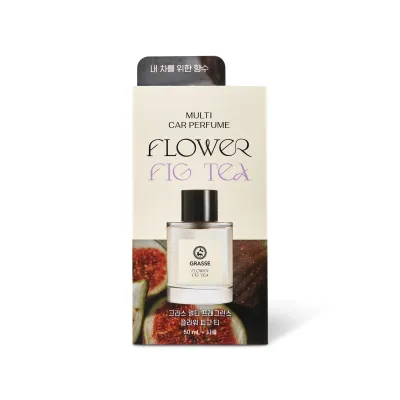
Prices are valid at publication and may change. Please refer to the product page for the latest price.
Furthermore, high relative humidity levels compound the way we perceive these evaporated fragrance molecules. Humid air is dense with water vapor, which can trap volatile organic compounds close to the interior surfaces and within the breathing zone of the cabin. This high concentration of scent molecules in a moist environment often leads to rapid olfactory fatigue. Drivers and passengers may find that the scent feels incredibly intense and heavy upon first entering the vehicle, only for their senses to become desensitized shortly after. This sensory overload can make the driving experience uncomfortable rather than pleasant.
Beyond scent perception, extreme heat poses physical risks to the air freshener units themselves. Many liquid air fresheners are housed in glass or plastic containers with plastic caps or diffusion membranes. High temperatures cause the air and liquid inside these containers to expand, creating internal pressure. If the container lacks adequate venting or if the seals degrade under heat, this pressure can force the liquid out, leading to leaks. Similarly, gel-based fresheners can lose their structural integrity, melting into a runny liquid that is highly prone to spilling if the vehicle navigates sharp turns or sudden stops.
Selecting Carstom Scent Profiles for High-Temperature Stability
To achieve a balanced and long-lasting fragrance experience, it is essential to understand how different scent notes react to high temperatures. Fragrances are typically composed of top, middle, and base notes, each with varying rates of volatility. Dense, sweet, or heavy base notes—such as rich vanilla, heavy musk, amber, or warm spices—consist of larger, heavier molecules that naturally evaporate slowly. In cooler climates, these notes provide a subtle, comforting warmth. However, when exposed to Singapore’s intense cabin heat, these heavy molecules volatilize much faster than intended. The resulting concentration of sweet, heavy scents in a hot, humid space quickly becomes cloying, overpowering, and potentially nauseating for the occupants.

In contrast, lighter and fresher scent profiles are inherently better suited for high-temperature stability. Citrus notes like lemon, bergamot, lime, and grapefruit offer a sharp, clean aroma that cuts through the heavy, humid air without lingering excessively. Aquatic or marine notes mimic the freshness of a sea breeze, providing a cooling psychological effect that complements the vehicle’s air conditioning. Light herbal tones, such as green tea, mint, or eucalyptus, offer a refreshing and crisp background that helps mask musty odors caused by damp carpets or air-conditioning condensation. Clean cotton or linen scents provide a neutral, soapy freshness that keeps the cabin smelling clean without introducing complex, heavy chemical layers.
When browsing Carstom options on online marketplaces or at local automotive accessory shops, look closely at the product descriptions for heat-stable indicators. Opt for solid-state alternatives, such as scented ceramic discs, infused wood blocks, or compressed fiber pads, rather than free-flowing liquids or soft gels. Solid-state media hold the fragrance oils within a stable matrix, preventing rapid evaporation and eliminating the risk of melting or leaking. Additionally, prioritize products that feature adjustable diffusion rates, such as housings with sliding vents or dial-up caps, which allow you to physically restrict the scent release during the hottest months.
Placement and Adjustment Strategies to Control Scent Intensity
Where and how you install your Carstom air freshener plays a critical role in managing its longevity and intensity. To prevent rapid evaporation, avoid mounting the freshener in areas exposed to direct, unfiltered sunlight. Placing a liquid or gel diffuser directly on top of the dashboard or hanging a paper card from the rearview mirror subjects the product to the highest temperatures in the vehicle. Instead, seek out shaded areas within the cabin. Mounting the freshener in lower console compartments, door side pockets, or using an under-seat bracket keeps the product cool and shielded from direct solar radiation, significantly extending its lifespan.
If you prefer using vent-mounted clips, you must manage how they interact with your vehicle’s climate control system. While vent clips are highly effective at dispersing fragrance, placing them directly in the path of strong airflow can cause the scent to deplete rapidly. Use the adjustable shutter or dial on the Carstom vent clip to restrict the opening to its minimum setting. This ensures that only a subtle hint of fragrance is introduced into the airflow. Once the cabin air conditioning has cooled the interior down to a comfortable temperature, you can slightly adjust the vent clip to increase diffusion if desired.
Another practical strategy for managing scent intensity in tropical climates is to actively mitigate peak heat exposure. If you know your vehicle will be parked in an unsheltered outdoor lot for several hours during the middle of the day, consider temporarily removing the air freshener from its mount and placing it inside a shaded storage space, such as the glove compartment or the center console box. This simple habit shields the fragrance medium from the worst of the day’s heat, preventing premature degradation and ensuring that you are not greeted by an overwhelming wall of scent when you open the car door.
Interior Safety and Maintenance Checks
Maintaining a safe and clean vehicle interior requires regular checks of any aftermarket accessories, including air fresheners. Before installing any Carstom product, verify that the mounting mechanism is secure and does not interfere with your vehicle’s operation. Always verify that the mounting position complies with local road safety regulations and does not obstruct your view. Most importantly, never place an air freshener on or near airbag deployment zones, such as the center of the steering wheel, the passenger-side dashboard panel, or the side pillars. Consult your vehicle’s owner manual to locate these safety boundaries precisely, as a loose accessory in these areas can become a dangerous projectile during an accident.
In the event of an accidental liquid spill or melted gel residue, immediate and careful cleanup is essential to protect your vehicle’s interior materials. Fragrance oils often contain concentrated solvents that can chemically react with plastics, vinyl, leather, and wood veneers, causing bubbling, peeling, or permanent discoloration. If a leak occurs, immediately blot the excess liquid with a clean, dry microfiber cloth; avoid rubbing, which can spread the chemical deeper into the material. To clean the remaining residue, use a dedicated interior cleaner that is explicitly authorized by its manufacturer for use on that specific surface—such as a pH-balanced leather cleaner for leather seats or a mild, non-abrasive plastic detailer for dashboard panels. Never use harsh household detergents, glass cleaners, or rubbing alcohol, as these can exacerbate the damage.
Finally, establish a routine visual inspection of your air freshener every few weeks. Look for early warning signs of heat-induced degradation, such as hairline cracks in plastic housings, discoloration of liquid formulas, or a shrinking, distorted gel structure. If a solid-state fiber pad or ceramic disc appears dry, brittle, or faded, it has reached the end of its functional life. Replacing the product promptly ensures that you maintain a consistent, pleasant scent profile while eliminating the risk of structural failure that could lead to leaks or cosmetic damage to your car’s interior.
Frequently Asked Questions (FAQ)
Is it safe to leave Carstom liquid fresheners in a parked car under the sun?
Leaving liquid air fresheners in a vehicle parked under direct sunlight carries inherent risks due to the extreme temperatures that accumulate inside a closed cabin. As the interior temperature rises, the liquid and the air trapped inside the freshener’s container expand, creating significant internal pressure. This pressure can force the fragrance oil through seals, seams, or diffusion membranes, leading to leaks onto your dashboard or center console. To minimize this risk, it is highly recommended to use solid-state, ceramic, or fiber-based variants if your vehicle is frequently parked outdoors, or to temporarily store liquid variants in a shaded glove box during peak heat hours.
How can I tell if my Carstom freshener has degraded due to heat?
You can easily identify heat degradation through both visual and olfactory changes in the product. Visually, look for distinct discoloration, such as a clear liquid turning yellow or cloudy, separation of the fragrance ingredients into distinct oily layers, or a gel structure that has completely liquefied, collapsed, or shrunk excessively. Olfactorily, a degraded freshener will often lose its original balanced scent profile, smelling sour, overly chemical, or significantly weaker even when the vents are fully open. If you observe any of these signs, it is best to replace the freshener to ensure a pleasant and safe cabin environment.

Community discussion
Share your experience or ask a question. Comments are reviewed before publication.