
Driving home after an intense workout or gym session means dealing with sweat, moisture, and body oils that can quickly seep into your car’s original upholstery. To protect your vehicle’s interior, the best car seat cover post exercise is one that combines a comfortable, moisture-wicking top layer with a completely water-resistant backing barrier. This dual-layer design ensures that sweat is kept away from your skin while being blocked from penetrating the seat fabric or leather underneath. Choosing a quick-release, easily washable model allows you to maintain a clean, odor-free cabin without the hassle of permanent installation.
Sweat contains salts, acids, and oils that can degrade leather finishes, cause fabric staining, and foster bacterial growth inside seat cushioning. Standard seat covers designed for general aesthetics often lack the specialized barriers needed to stop liquid penetration. By focusing on targeted post-workout protection, you can preserve your vehicle’s resale value and prevent the persistent, sour odors that often plague the vehicles of active individuals.
Key Features to Look for in Post-Workout Seat Covers
When evaluating seat covers for post-exercise use, the primary structural feature to look for is a dual-layer defense system. The top layer should be designed to absorb or wick away surface moisture so you do not have to sit in a pool of sweat during your drive. Common materials for this layer include soft microfiber, polyester blends, or towel-like terry cloth. Directly beneath this comfortable surface, there must be an impermeable, water-resistant backing barrier—often made of thermoplastic polyurethane (TPU) or specialized rubberized coatings—to stop the moisture from reaching the seat.
Products mentioned in this guide
![[SG] Waterproof Sweat Towel Car Seat Cover for Post Gym Yoga Workout Running Swimming Beach and Hiking Universal Fit Anti-Slip Bucket Seat Protector for Cars SUVs and Trucks Machine Washable](https://img.lazcdn.com/g/p/b9a0f9040a71bf60df8d28763550aef9.jpg_400x400q80.jpg_.webp)
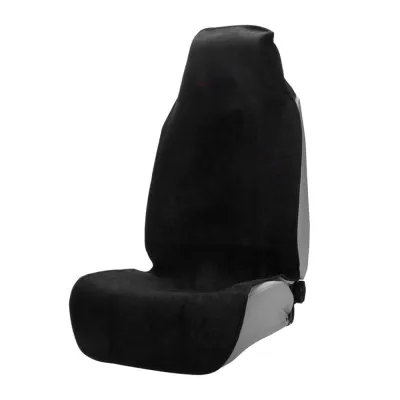
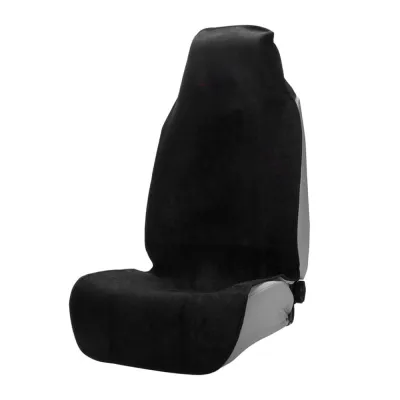
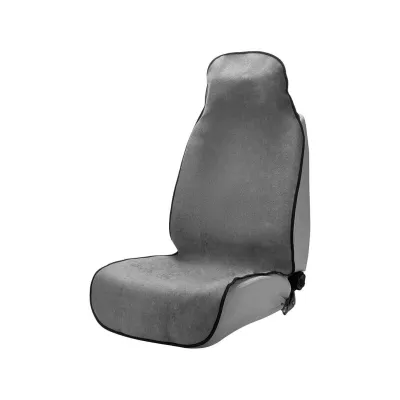
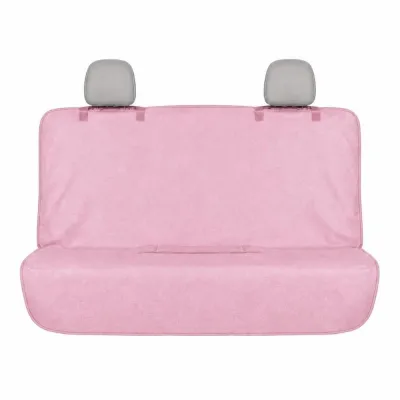
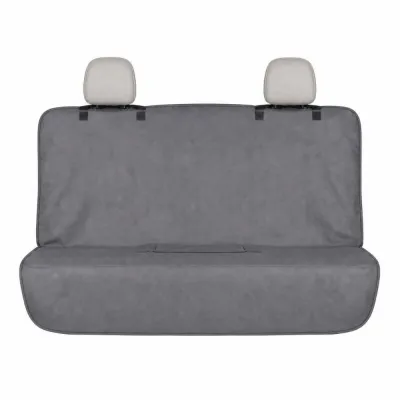
Prices are valid at publication and may change. Please refer to the product page for the latest price.
Breathability is another critical factor, especially in hot and humid climates where heat buildup inside a parked car can be extreme. A completely sealed, non-breathable cover can trap heat against your body, causing you to sweat even more on the drive home. Look for covers that utilize breathable weave patterns or specialized membrane technologies that allow heat to dissipate from the surface while still maintaining a solid liquid barrier underneath.
Because post-workout covers require frequent laundering, a quick-release mechanism is essential for daily convenience. Permanent or highly complex custom-fit covers that require removing seat components or threading intricate straps are impractical for this use case. Instead, look for slip-on designs, hood-style attachments that drape over the headrest, or simple elastic buckle systems. These allow you to install the cover in seconds before leaving the gym and remove it just as quickly for washing once you arrive home.
Evaluating Material Specifications and Labels
To ensure a seat cover can withstand the demands of daily gym commutes, you must look past generic marketing terms like “sweatproof” or “waterproof” and examine the actual product specifications. Reliable manufacturers provide detailed material compositions on their product labels or official documentation. Look for listings that specify a laminated TPU backing or a high-density polyurethane coating, as these materials provide a reliable physical barrier against liquids without cracking over time.

Care labels are equally important when verifying a cover’s durability. Because sweat transfers bacteria and body oils, your post-workout cover will need to be washed frequently. Check the care instructions to ensure the material is fully machine washable and can handle regular cleaning cycles. Avoid covers that require dry cleaning or hand washing, as well as those with delicate water-resistant coatings that wash off after only a few cycles in a standard washing machine.
Additionally, you must verify that the backing material is safe for your specific type of vehicle upholstery. Some low-quality rubberized or silicone non-slip backings can react chemically with genuine leather seats, especially when exposed to high cabin temperatures in sunny parking lots. This reaction can cause the backing to stick, melt, or transfer dye onto your leather. Look for product specifications that explicitly state the backing is non-reactive, colorfast, and safe for use on both leather and fabric seats.
Installation and Fit Considerations for Daily Gym Commutes
Vehicle safety must never be compromised for the sake of interior protection. The most critical safety consideration when installing any seat cover is side-impact airbag compatibility. Many modern vehicles feature airbags integrated directly into the outer bolsters of the front seats. If your seat cover wraps tightly around the sides of the seat back, it must feature certified breakaway seams or open-sided designs that allow the airbag to deploy without obstruction. Always check the manufacturer’s documentation for official safety certifications and verify that the cover is rated for your specific vehicle model and seat configuration.
To prevent distraction and maintain comfort while driving, the seat cover must remain securely anchored in place. Sliding in and out of the vehicle after a strenuous workout can easily cause a loose cover to bunch up, slide, or shift. Look for anchoring systems that feature tuck-in chucks—small plastic tubes or discs that wedge into the crease between the seat cushion and seat back—along with adjustable under-seat straps. A secure fit ensures the cover does not slide under your body when cornering or braking.
Finally, ensure the cover’s design does not obstruct any essential vehicle controls or safety features. The cover should leave power seat adjustment buttons, lumbar support switches, and seatbelt buckles completely clear and accessible. Obstructing a seatbelt buckle or preventing the proper adjustment of your driving position is a serious safety hazard that can easily be avoided by choosing a cover with a compatible cut or a low-profile, slip-on design.
Cleaning and Maintenance Routine
Maintaining your post-workout seat cover is essential to prevent the buildup of bacteria, mold, and unpleasant odors. Always follow the manufacturer’s care label regarding washing temperatures and detergent types. As a general rule, use mild liquid detergents and avoid fabric softeners or bleach. Fabric softeners can leave a residue that clogs the breathable pores of wicking fabrics and can prematurely degrade the water-resistant backing materials.
Proper drying is crucial, particularly in humid environments where moisture lingers. Never leave a damp, sweat-soaked cover crumpled up inside a closed, warm vehicle, as this creates an ideal breeding ground for mold and mildew. After washing, hang the cover to air-dry completely in a well-ventilated area out of direct sunlight, which can degrade synthetic fibers over time. If the manufacturer’s label permits machine drying, use a low-heat setting to protect the laminated backing from warping or peeling.
Periodically inspect your seat cover for signs of wear and tear. Over months of use and repeated washing, the water-resistant backing may begin to thin, crack, or flake off. You can test the integrity of the barrier by placing the cover on a flat, dry surface outside the car and pouring a small amount of water onto the top layer. If any moisture seeps through to the underside, the barrier has failed, and the cover should be replaced to ensure your vehicle’s original upholstery remains fully protected.
Frequently Asked Questions (FAQ)
Can I use a standard gym towel instead of a dedicated seat cover?
While using a standard gym towel is a common quick fix, it does not provide adequate protection for your car’s interior. Towels are highly porous and designed to absorb moisture, meaning sweat will quickly saturate the fabric and seep directly through to the upholstery underneath. Furthermore, towels lack anchoring systems and slip-resistant backings, causing them to slide, bunch up, or shift during your drive. This shifting can distract you while driving or even interfere with seatbelt buckles and seat controls, presenting a safety risk.
How do I know if a cover is safe for my car's heated or ventilated seats?
To determine if a seat cover is safe for heated or ventilated seats, you must consult the product’s official specifications and your vehicle’s owner’s manual. Thick, heavily insulated covers or those with solid, non-breathable plastic backings can trap excessive heat from heated seats, potentially damaging the heating elements or creating a safety hazard. For ventilated seats, a solid moisture barrier will completely block the airflow, rendering the ventilation system ineffective. Look for specialized covers that are explicitly labeled as compatible with heated and ventilated seats, which often feature perforated materials or breathable, heat-resistant backings.

Community discussion
Share your experience or ask a question. Comments are reviewed before publication.