
In Singapore’s tropical climate, where parked cars regularly endure intense solar heating, choosing the right car air freshener format is the difference between a scent that lasts for weeks and one that vanishes or spoils in days. Solid-state diffusers, such as ceramic pads or high-melting-point polymer blocks, generally survive the heat far better than traditional water-based gels or liquid hanging bottles. Understanding how heat and humidity interact with different fragrance carriers allows drivers to make informed choices, avoiding messy leaks and distorted scents.
How Tropical Heat and Humidity Accelerate Scent Degradation
When a car is parked under the direct sun, solar radiation passes through the windows, heating up the dark surfaces of the dashboard and seats. This greenhouse effect causes cabin temperatures to soar far above the ambient outdoor temperature, sometimes exceeding 60 degrees Celsius. In such extreme thermal environments, the volatile organic compounds that make up fragrance oils evaporate at an exponentially accelerated rate. Carrier solvents, designed to release the scent slowly under normal conditions, flash off rapidly, leaving the air freshener depleted long before its expected lifespan.
Singapore’s high relative humidity, often hovering around 80%, adds another layer of complexity. For water-based or gel-based air fresheners, this moisture-laden air can disrupt the intended evaporation rate. High humidity prevents the carrier from drying out evenly, while the combination of warmth and moisture can create an ideal breeding ground for mold on organic carriers, such as wooden caps or cardboard hangers. This can lead to musty, unpleasant odors that clash with the intended fragrance.
Products mentioned in this guide
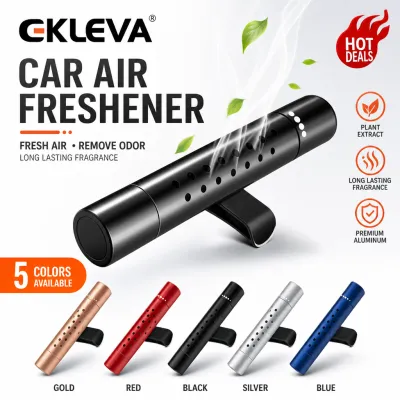
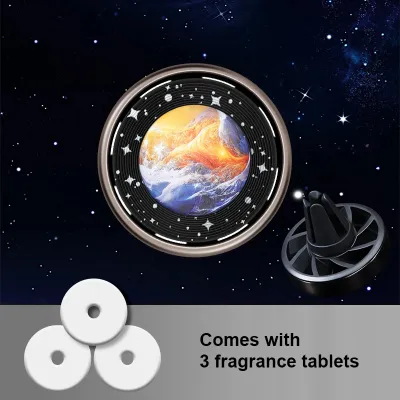
![[Bundle of 6] Ambi Pur Car Mini Clip Lavender Comfort Car Air Freshener 2.2ml x 2](https://img.lazcdn.com/g/p/f600e9bfe96f645b73bee5e6db367b6a.jpg_400x400q80.jpg_.webp)
![[SG SELLER]Car Air Freshener Hanging Diffuser Scent Car Aromatherapy Personality Pendant - 10ml](https://img.lazcdn.com/g/p/df97f917943c5a768c01ab5a21da34a0.jpg_400x400q80.jpg_.webp)

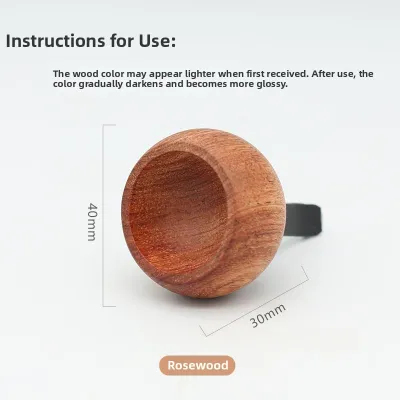
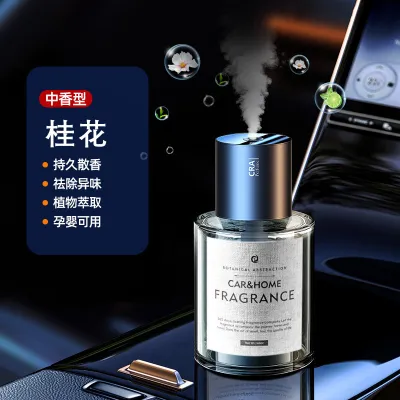
Prices are valid at publication and may change. Please refer to the product page for the latest price.
Furthermore, heat causes scent distortion. Fragrances are composed of top, middle, and base notes, each with different boiling points. Top notes, which are light and citrusy, are highly volatile and flash off almost instantly in a hot cabin. Base notes, such as wood or musk, are heavier and linger longer. When exposed to extreme heat, this natural progression is disrupted. The top notes disappear in a matter of hours, leaving behind a distorted, heavy, or overly concentrated scent profile that may not resemble the original fragrance at all.
Comparing Air Freshener Formats for Tropical Conditions
When selecting a car fragrance for tropical conditions, drivers must balance scent throw—how effectively the fragrance fills the cabin—with longevity. A format that offers a powerful burst of scent often does so by exposing a large surface area of liquid or gel to the air, which inevitably leads to rapid depletion in hot weather. Conversely, formats designed for longevity may release scent more subtly, requiring active airflow to distribute the fragrance effectively throughout the vehicle.

The physical surface area and exposure to cabin air dictate the evaporation curve of any air freshener. A completely open gel can or a fully exposed cardboard hanging tree presents a massive surface area for evaporation, resulting in a steep decline in scent intensity after just a few hot days. On the other hand, enclosed cartridges, adjustable vent clips, or membrane-based diffusers restrict air contact, flattening the evaporation curve and providing a more consistent, albeit milder, scent release over several weeks.
To help visualize these trade-offs, the following table maps common format types to their primary heat-related vulnerabilities and performance characteristics under tropical conditions:
| Format Type | Primary Heat Vulnerability | Scent Longevity | Risk of Cabin Damage |
|---|---|---|---|
| Liquid Vent Clips | Rapid depletion under AC; high risk of leakage and plastic damage | Low to Medium | High (solvent can melt dashboard plastics) |
| Gel Cans | Shrinking, hardening, or melting into a sticky liquid pool | Low | Low (if kept upright in a secure holder) |
| Hanging Wood/Liquid | Rapid evaporation; wood cap expansion leading to leaks | Medium | Medium (can stain trim if swinging freely) |
| Ceramic/Solid Pads | Gradual scent fade; minimal physical degradation | High | Very Low (no liquid or melting components) |
| Membrane Diffusers | Membrane degradation; slower but steady evaporation | Medium to High | Low (membrane prevents direct liquid contact) |
Airflow-Driven Formats (Vent Clips and Diffusers)
Vent clips and active diffusers rely on the car’s air conditioning system to disperse fragrance. While this ensures an immediate and noticeable scent throw whenever the fan is running, it also accelerates the depletion of the fragrance refill. In Singapore, where drivers almost always run the air conditioning on high to combat the heat, the constant stream of forced air over the vent clip rapidly strips away the volatile oils. This means a refill rated for 30 days in temperate climates might last only a fraction of that time during daily tropical commutes.
A severe risk with liquid vent clips is leakage. When parked in the sun, the liquid inside a sealed clip expands due to heat. This thermal expansion can force the fragrance oil out of its housing, dripping onto dashboard plastics, vents, or the center console. Because many car fragrances use strong chemical solvents, these liquids can chemically react with, bubble, or melt soft-touch plastics and leather surfaces. Repairing this damage often requires replacing entire trim pieces, making liquid clips a high-risk choice.
To mitigate these risks, drivers should look for formats with adjustable dials that allow manual restriction of the airflow exposure. Alternatively, solid ceramic diffuser pads or polymer-based vent clips offer a much safer solution. These solid-state options do not contain free-flowing liquid that can expand or leak under thermal stress. Instead, the fragrance oil is bound within a porous ceramic or plastic matrix, releasing scent gradually and safely even when exposed to high temperatures and direct airflow.
Passive Evaporation Formats (Gel Cans and Hanging Bottles)
Passive evaporation formats do not require active airflow; instead, they rely on ambient cabin temperature and natural air currents to distribute scent. Gel cans, which typically use a water- or oil-based polymer gel, are highly popular but perform poorly in extreme heat. Under repeated thermal cycles—where the cabin heats up during the day and cools down when the AC is running—the gel quickly loses its moisture content. This causes the gel block to shrink, harden, and pull away from the sides of the can, drastically reducing its surface area and scent output. In some low-quality formulations, the gel may even melt back into a sticky liquid pool, creating a spill hazard.
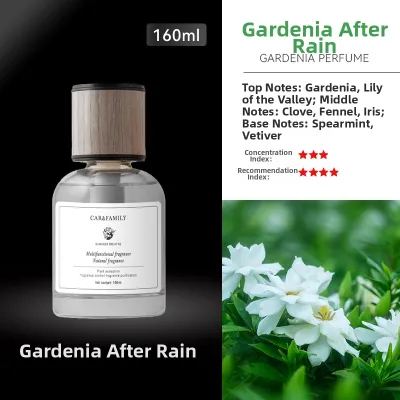
Hanging liquid bottles, which feature a wooden cap that absorbs and diffuses the fragrance, present similar risks. As the liquid heats up, it expands, forcing more oil into the wooden cap than it can safely hold. This can lead to dripping during sudden braking or sharp turns. If concentrated fragrance oil drips onto the gear shifter, dashboard, or steering column, it can cause permanent cosmetic damage. Furthermore, the swinging motion of a hanging bottle can distract the driver or strike the windshield, potentially cracking the glass.
For those who prefer passive formats, heat-stable solid alternatives are highly recommended. Ceramic stones, scented clay tablets, or specialized high-melting-point wax blends resist physical degradation under typical cabin temperatures. These materials do not melt, sweat, or shrink dramatically. They hold the fragrance oils securely within their structure, allowing for a slower, more predictable release of scent without the risk of messy spills or chemical damage to the car’s interior.
Strategic Placement to Minimize Rapid Evaporation
Where you place your air freshener plays a critical role in how long it survives Singapore’s climate. The dashboard and the rear parcel shelf are arguably the worst locations to place any fragrance product. These areas receive direct, unfiltered ultraviolet (UV) radiation and solar heat through the windshield and rear glass. The extreme thermal mass of the dashboard can easily exceed 70 degrees Celsius on a sunny afternoon, causing any nearby air freshener to evaporate almost instantly or degrade chemically, ruining the scent profile.
To extend the lifespan of passive air fresheners, they should be placed in shaded, lower-cabin areas where temperatures remain relatively stable. Placing a gel can or solid diffuser under the front seats, inside a door pocket, or within a covered cup holder shields the product from direct sunlight. While this may slightly reduce the initial scent throw, the cooler ambient temperature in these shaded zones ensures a much flatter evaporation curve, allowing the fragrance to last significantly longer.
Safety and legal compliance must also guide placement. Hanging objects from the rearview mirror that obstruct the driver’s view can be a safety hazard and may violate local traffic regulations. Additionally, loose air freshener cans or heavy diffusers on the dashboard can become dangerous projectiles during sudden braking. Always ensure passive fresheners are securely anchored, placed in designated compartments, or tucked safely under seats where they cannot interfere with pedal operation or driver visibility.
Label Checks and Ingredients for Heat Resistance
When shopping for a car air freshener, reading the ingredient label helps identify formulations engineered to withstand thermal stress. A key factor is the carrier solvent. Many cheap air fresheners rely on alcohol or highly volatile organic solvents to carry the fragrance. While alcohol disperses scent quickly, it has a low boiling point and flashes off rapidly in a hot car. Look for alcohol-free formulations or those using low-volatility carrier oils, such as dipropylene glycol (DPG) or isopropyl myristate (IPM), which evaporate at a slower, controlled rate.
The concentration of actual fragrance oil also dictates longevity. Products labeled as “perfume” or “intense” generally contain a higher percentage of pure fragrance oils compared to “cologne” or “air freshener spray” formulations. While these highly concentrated products may cost more upfront, their slower evaporation rate and stronger base notes mean they remain effective for a longer period, offering better value over time in a hot climate.
Finally, pay attention to packaging and product design. Heat-resistant air fresheners often utilize dark glass bottles, sealed aluminum canisters, or UV-resistant plastics. These materials protect delicate fragrance compounds from photolytic degradation—the process by which UV light breaks down chemical bonds, altering the scent. Choosing products housed in protective packaging ensures the fragrance remains stable and true to its original profile, even when subjected to the harsh tropical sun.
Frequently Asked Questions (FAQ)
Can I revive a dried-out gel can or vent clip?
Attempting to revive a dried-out gel can by adding water is generally ineffective. Once the polymer matrix of a gel air freshener has shrunk and hardened under extreme heat, its physical structure is permanently altered. Adding water will not reconstitute the gel; instead, it usually creates a watery layer on top that dilutes any remaining fragrance oils without helping them diffuse. Similarly, adding carrier or essential oils to a depleted solid vent clip pad rarely works well, as the pad’s pores may already be clogged with degraded residues, leading to uneven scent release and potential leakage. Once a freshener has dried out and lost its scent, it is best to replace it.
Are solid car perfumes always better than liquids for hot weather?
Not all solid car perfumes are superior to liquids in hot weather. While high-quality solid formats like porous ceramics, scented clay, or specialized high-melting-point polymers are highly heat-resistant, cheaper solid options like low-grade wax blocks or soft gel sticks can sweat, melt, or crumble when exposed to cabin temperatures exceeding 50 degrees Celsius. A well-engineered liquid air freshener that uses a controlled-diffusion membrane or a high-quality, low-volatility carrier oil can easily outperform a cheap solid block that melts into a sticky mess. Always check the material specifications and choose heat-stable solids or premium, leak-resistant liquid designs.

Community discussion
Share your experience or ask a question. Comments are reviewed before publication.