
Finding the right outdoor car cover for your Toyota Yaris Cross requires balancing robust waterproofing with high ultraviolet (UV) protection, especially when parking in Singapore’s demanding tropical climate. The intense daily sun exposure can rapidly degrade exterior plastics and paintwork, while sudden, heavy downpours demand a reliable water barrier. To protect your compact crossover effectively, you must select a cover that matches the exact physical dimensions of your vehicle, features multi-layered weather-resistant materials, and incorporates secure fastening mechanisms to withstand sudden gusts of wind.
Sizing and Fitment for Toyota Yaris Cross
Selecting the correct size is the most critical step in choosing an outdoor car cover. The Toyota Yaris Cross is a compact crossover SUV with distinct physical dimensions that typically measure around 4,180 mm in length, 1,765 mm in width, and 1,590 mm in height. However, these dimensions can vary slightly depending on the specific model year, trim level, and any installed accessories such as roof racks, wind deflectors, or aftermarket spoilers. Before purchasing any cover, always measure your specific vehicle or consult the official owner’s manual to verify its exact dimensions rather than relying solely on generic category terms like “compact SUV.”
When shopping for a cover, you will generally choose between custom-fit and universal-fit options. Custom-fit covers are tailored specifically to the contours of the Toyota Yaris Cross, offering dedicated pockets for the side mirrors and the roof-mounted shark-fin antenna. This precise fit minimizes loose fabric, which significantly reduces the risk of the cover flapping in the wind and rubbing against the clear coat. Universal-fit covers, while often more budget-friendly and widely available on online marketplaces, tend to leave excess material that can catch the wind like a sail, potentially pulling the cover off or dragging abrasive dust across the paint surface.
Products mentioned in this guide
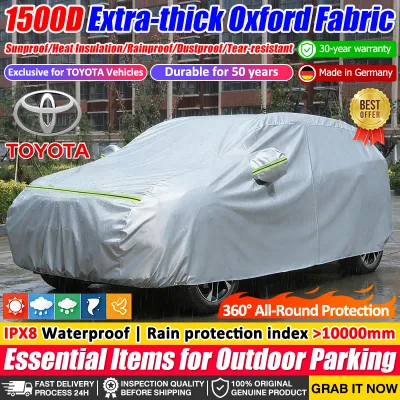

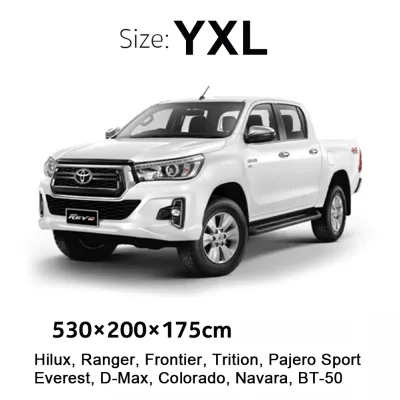
![[24 hours delivery] Upgraded and thickened universal car cover size:M/L/XL/XXL/3XL car cover outdoor protection sunscreen car cover waterproof car shade car cover sun protection car cover outdoor sunscreen](https://img.lazcdn.com/g/p/808f8e56d0f1744f116eabe475a3a1ff.jpg_400x400q80.jpg_.webp)

Prices are valid at publication and may change. Please refer to the product page for the latest price.
A proper fit ensures that the cover wraps snugly under the front and rear bumpers of your Yaris Cross. If your vehicle features a rear spoiler or prominent body kits, a universal cover might stretch too tightly over these points, putting excessive tension on the seams and leading to premature tearing. Checking the manufacturer’s compatibility list for your specific model year is essential to ensure these design elements are accommodated without compromising the cover’s structural integrity. A secure, well-fitted cover acts as a reliable shield, whereas a poorly fitting one can cause more harm than good.
Verifying Waterproof and UV Protection Specifications
To ensure your Toyota Yaris Cross is fully protected from the elements, you must look past vague marketing terms like “100% weatherproof” and verify the technical specifications of the cover’s materials. High-quality outdoor covers typically feature a multi-layered construction. The outer layer should be made of a durable, high-density fabric such as polyester or polyurethane-coated material, which provides the primary defense against heavy rain. Look for technical details on product labels, such as hydrostatic head ratings or explicit mentions of welded or taped seams, which prevent water from seeping through the needle holes of stitched seams during intense downpours.

UV protection is equally vital for vehicles parked outdoors in tropical environments. Continuous exposure to solar radiation can cause the vibrant paint of your Yaris Cross to fade, dry out rubber window seals, and heat up the cabin to extreme temperatures. Look for covers that incorporate UV-inhibitors or reflective outer coatings, such as aluminum or specialized silver polyurethane layers, which bounce solar radiation away from the vehicle. Check if the manufacturer provides a warranty specifically covering UV degradation, as cheaper, untreated materials can quickly become brittle and tear after only a few months of continuous sun exposure.
While keeping water out is crucial, a high-quality cover must also be highly breathable. In humid climates, moisture from the ground or air can evaporate and become trapped under a completely sealed cover. If this moisture cannot escape, it creates a hot, damp greenhouse effect over your car’s paintwork, leading to condensation, musty odors, and eventually mold or paint blistering. Look for covers equipped with built-in ventilation flaps or micro-porous membranes that allow trapped moisture vapor to escape from underneath while preventing liquid water from entering from the outside.
Security and Wind Resistance Features
Outdoor parking spaces, especially open-air public car parks or elevated driveways, are highly exposed to wind. A secure fastening system is critical to ensure your cover remains in place during sudden storms. Look for covers equipped with heavy-duty elastic hems at the front and rear to grip the bumpers of your Yaris Cross tightly. Additionally, integrated tie-down straps that pass underneath the vehicle chassis are essential to prevent the cover from lifting or ballooning when the wind picks up.
Reinforced grommets on both sides of the cover allow you to thread a security cable or wind strap through for added stability. Ensure these grommets are made of non-corrosive materials like plastic or brass, and that they are positioned away from the paintwork to avoid scratching. Quick-release windproof buckles that clip securely under the belly of the car provide an extra layer of security, ensuring the cover remains anchored even during monsoon seasons. These features prevent the cover from shifting, which is a primary cause of surface abrasion.
The inner lining of the cover must be exceptionally soft to protect your vehicle’s exterior. Materials like high-density cotton fleece or non-abrasive microfiber are ideal, acting as a cushion between the tough outer protective layers and your car’s delicate clear coat. Furthermore, outdoor covers should feature high-visibility elements. Reflective strips positioned on the mirror pockets, front corners, and rear bumpers are highly recommended for public parking areas, ensuring other drivers can easily spot your covered Yaris Cross at night, reducing the risk of accidental scrapes.
Safe Usage and Maintenance Guidelines
To maximize the lifespan of both your car cover and your Toyota Yaris Cross’s paintwork, you must follow strict usage and maintenance guidelines. Never put a car cover over a dirty or dusty vehicle. Even a thin layer of road dust acts like sandpaper when trapped beneath a cover that moves slightly in the wind. Always wash and thoroughly dry your vehicle before installing the cover. If you have just driven the car, allow the engine bay and exhaust system to cool down completely to prevent heat damage to the cover’s fabric or inner lining.
When removing the cover, fold it carefully from the sides toward the center to keep the dirty outer surface from contacting the clean inner lining. Store the cover in a dedicated storage bag when not in use, keeping it off the ground where it could pick up dirt, twigs, or small stones. Regularly inspect the cover for any signs of wear, such as thinning fabric, fraying seams, or failing elastic. If the cover begins to trap moisture persistently or shows significant material degradation, stop using it immediately and consult the manufacturer or a professional detailer to avoid damaging your vehicle’s paint.
To maintain the waterproof and UV-resistant coatings, clean the cover according to the manufacturer’s instructions. Usually, this involves spreading the cover out on a clean surface or leaving it on the car, spraying it with a hose, and using a mild, pH-neutral soap with a soft sponge. Avoid harsh household detergents, bleach, or machine washing, as these can strip away the protective chemical treatments. Allowing the cover to air dry completely before folding and storing it prevents the growth of mold and mildew, ensuring it remains ready for its next use.
Frequently Asked Questions (FAQ)
Can I use a universal-fit cover instead of a custom-fit option?
While a universal-fit cover is generally more affordable and widely available, it carries higher risks for outdoor parking. The excess fabric of a universal cover is prone to flapping in the wind, which can cause micro-scratches on your paintwork over time. It also lacks precise pockets for the Yaris Cross’s side mirrors and shark-fin antenna, potentially leading to uneven tension and tearing. If you choose a universal option, carefully check the seller’s return policy and ensure the dimensions closely match your vehicle’s measurements to minimize loose material.
How often should I wash an outdoor car cover?
You should clean your outdoor car cover whenever you notice a visible accumulation of dust, bird droppings, tree sap, or industrial fallout. Allowing these contaminants to sit on the fabric can degrade the waterproof and UV-resistant coatings over time. Always check the manufacturer’s care label for specific instructions. Generally, a light rinse with clean water every few weeks is sufficient, with a deeper wash using mild, diluted soap performed every few months. Never use harsh chemical cleaners or put the cover in a household washing machine unless explicitly authorized by the manufacturer.
Will a car cover scratch the paint of my Toyota Yaris Cross?
A car cover itself will not scratch your paint if it has a soft inner lining, but trapped dirt and debris certainly will. If you install a cover over a dusty car, or if wind-blown dust gets underneath a loose-fitting cover, the fabric’s movement will rub those abrasive particles against the clear coat, causing swirl marks and micro-scratches. To prevent this, only apply the cover to a freshly washed and dried vehicle, ensure the cover is securely fastened to prevent flapping, and avoid installing or removing the cover in high winds where airborne debris can easily get trapped.

Community discussion
Share your experience or ask a question. Comments are reviewed before publication.