
Direct Answer: Verifying LTA Compliance for Vsys Dash Cams
To find an LTA-compliant Vsys motorcycle dash cam in Singapore, you must verify the specific model’s official regulatory approval and certification marks rather than assuming all models from the brand are automatically compliant. The Land Transport Authority (LTA) regulates vehicle modifications and aftermarket accessories to ensure they do not compromise road safety. Therefore, the immediate action before purchasing any dash cam is to inspect the product packaging, official documentation, or the authorized local distributor’s specifications for the relevant compliance labels and safety marks.
No specific model can be universally guaranteed as compliant without checking the specific batch’s official certification status. Beyond the camera’s internal electronics, compliance depends heavily on how the device is installed on your motorcycle. The baseline regulatory principles require that any mounted camera, lens, or screen must not obstruct your line of sight, block your view of the instrument cluster, or interfere with the physical operation of the vehicle’s controls. A camera that is technically certified can still become non-compliant if it is mounted in a position that compromises rider safety or violates local road traffic regulations.
Comparing Vsys Dash Cam Configurations for Motorcycles
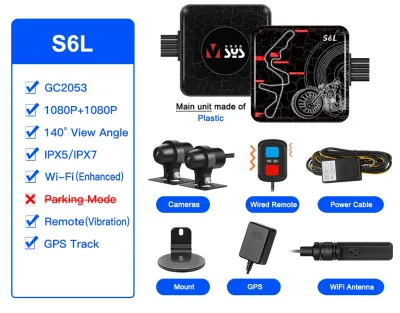
When evaluating different Vsys configurations, your choice should balance coverage, physical mounting constraints, and durability against the elements. The most common decision is choosing between a single-lens and a dual-lens (front and rear) setup. A dual-lens system offers comprehensive traffic awareness by capturing incidents both in front of you and from behind, which is highly beneficial for documenting rear-end collisions or tailgating behavior. Single-lens systems are simpler to install and require less wiring, but they leave a significant blind spot behind the rider, which can limit your evidence in the event of an accident.
Products mentioned in this guide
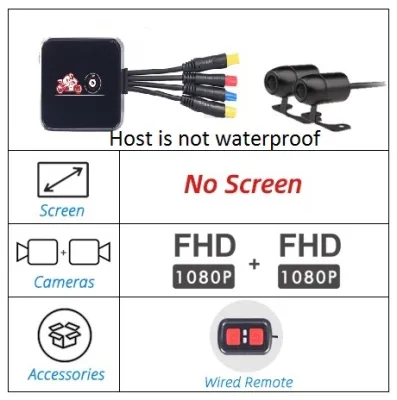
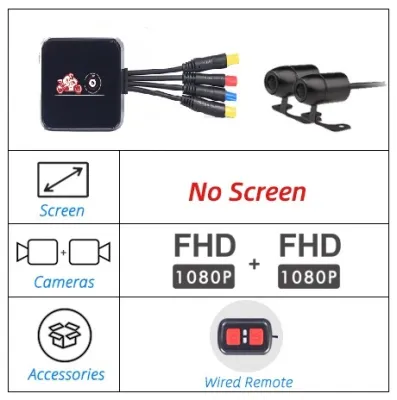
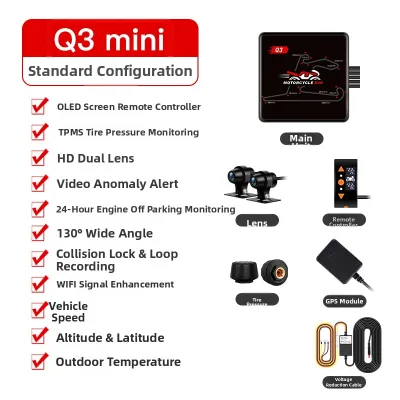
Prices are valid at publication and may change. Please refer to the product page for the latest price.

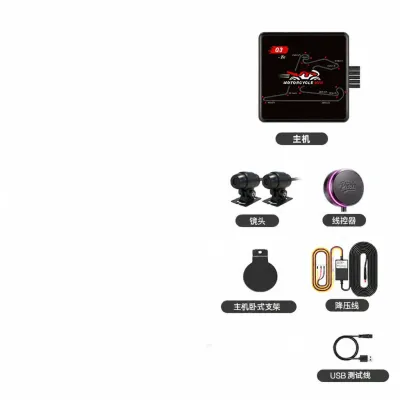
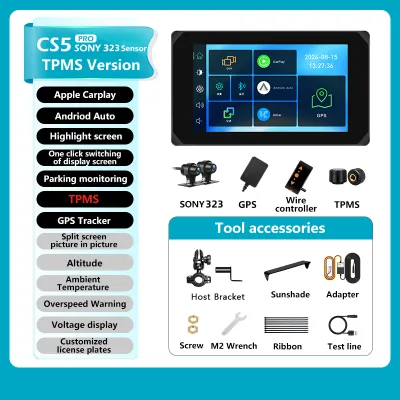
Another critical configuration choice is the placement of the main recording unit. Some models feature handlebar-mounted all-in-one units that include a display screen, allowing you to view live feeds or adjust settings easily. However, these units are constantly exposed to direct sunlight, rain, and potential theft. Alternatively, systems with a hidden main unit designed to be tucked away under the seat offer superior security and protection from the elements. These systems use small, external lenses connected by cables to the main hub, keeping the valuable recording hardware safe and out of sight.
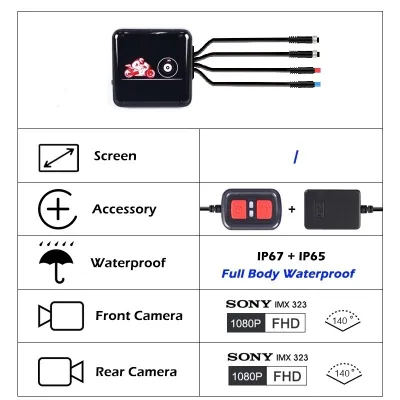
Because motorcycle electronics are highly vulnerable to Singapore’s sudden downpours and high humidity, weatherproofing is a non-negotiable specification. You must check the Ingress Protection (IP) ratings of the external lenses and cabling. Look for components rated at least IP67, which protects against temporary immersion in water, or IP68, which offers continuous protection under pressure. Ensuring that the lenses, cables, and connectors are fully sealed prevents moisture from fogging the camera glass or causing electrical short circuits during heavy rainstorms.
Additionally, consider how the physical layout of your specific motorcycle affects cable routing. Sportbikes with tight fairings, cruisers with exposed frames, and scooters with under-seat storage all present unique installation challenges. Cables must be routed carefully to avoid pinch points, sharp metal edges, and areas of high heat, such as the engine block or exhaust pipes. Choosing a configuration with modular, detachable cables can make the installation process much simpler and prevent damage to the main components if a single cable needs to be replaced.
Key Specifications to Check Before Purchasing
To ensure your dash cam performs reliably when needed, you must cross-reference several technical specifications with your daily riding conditions. First, evaluate the video resolution and frame rate. Capturing clear details, such as license plates and road signs at typical riding speeds, generally requires a minimum resolution of 1080p (Full HD) at 30 frames per second. While higher resolutions like 2K or 4K offer sharper images, they also generate more heat and consume storage space much faster, which can be a concern during long rides in hot weather.
Additionally, you must verify your specific vehicle model, year, interface, dimensions, mounting position, and potential safety impact using the official product and vehicle documentation. Never infer compatibility simply from a generic category term or brand name. Ensuring that the physical dimensions of the camera and its mounts are compatible with your motorcycle’s fairings or handlebars is essential before making a purchase.
Low-light and night vision performance are equally vital, especially when navigating unlit expressways or poorly lit multi-storey car parks. Check the camera’s sensor specifications and look for features like Wide Dynamic Range (WDR) or High Dynamic Range (HDR). These technologies help balance extreme light contrasts, preventing the camera from being blinded by oncoming headlights or losing detail in deep shadows. A high-quality sensor ensures that the footage remains usable even in challenging lighting conditions.
The power supply method is another critical factor that can affect your motorcycle’s electrical system and warranty. Hardwiring the dash cam directly to the motorcycle battery allows for features like parking mode, but improper installation can drain the battery or void your vehicle’s manufacturer warranty. Alternatively, using a USB connection to an existing port is simpler and safer for your warranty, but it may not support continuous recording when the ignition is turned off. Always consult your motorcycle’s manual and warranty terms before deciding on a power source.
Finally, consider storage capacity, loop recording reliability, and the operating temperature limits of your memory card. Motorcycle dash cams subject memory cards to constant write cycles and high-heat environments, particularly when parked under the sun. You should use high-endurance microSD cards specifically rated for dash cam use, and verify that the camera supports loop recording to automatically overwrite old footage when the card is full. Check the manufacturer’s documentation to ensure the memory card and the camera unit can withstand high operating temperatures without failing.
Installation Rules and Electrical Safety Limits
Installing a motorcycle dash cam requires strict adherence to electrical safety standards to protect both yourself and your vehicle. Under no circumstances should you modify or splice into the motorcycle’s original wiring harness, Engine Control Unit (ECU), or critical structural components. Unauthorized modifications to these systems can lead to electrical malfunctions, engine failure, or the immediate voiding of your vehicle’s warranty and insurance coverage.
For a safe hardwired installation, always use proper fuse taps, relays, and waterproof connectors. Connecting the dash cam through an auxiliary fuse block or using a relay ensures that the camera only draws power when the ignition is switched on, preventing accidental battery drainage. Waterproof heat-shrink tubing and secure routing of cables away from hot engine parts or moving steering components are essential to prevent short circuits and physical wear over time.
Before beginning any electrical work, always disconnect the negative terminal of the motorcycle battery to eliminate the risk of short circuits or electrical shocks. Use a multimeter to verify the voltage of your power sources rather than relying on guesswork. Ensure that all wiring is neatly bundled and secured with UV-resistant cable ties, leaving enough slack near the steering column to allow for full handlebar movement without straining the cables.
Knowing when to stop a do-it-yourself (DIY) installation is crucial for your safety. If the provided wiring diagram is unclear, if you cannot identify the correct electrical terminals on your motorcycle, or if the installation steps conflict with your motorcycle manufacturer’s official manual, stop immediately. Do not attempt to guess the wiring configuration. Instead, consult a certified motorcycle electrician or an authorized service center to complete the installation safely and professionally.
Frequently Asked Questions (FAQ)
Can I mount the dash cam screen on my motorcycle handlebars?
Yes, you can mount a dash cam screen on your handlebars, provided it does not interfere with your ability to control the motorcycle or view critical instruments. The screen must be positioned so that it does not block your line of sight to the road or obstruct the speedometer and warning lights. Additionally, you should check the latest LTA guidelines regarding aftermarket screens to ensure the size and placement comply with current road safety regulations, as excessive screen glare or distraction can be deemed a safety hazard.
Does a dash cam drain the motorcycle battery when parked?
A dash cam can drain your motorcycle battery if it is hardwired for continuous parking mode recording without proper safeguards. Because motorcycle batteries have a much smaller capacity than car batteries, they are highly susceptible to deep discharge. To prevent this, you must use a hardwire kit equipped with an automatic low-voltage cut-off feature. Verify that the cut-off threshold is set correctly for your specific battery type (such as lead-acid or lithium-ion) to ensure the camera shuts down before the battery drops below the voltage required to start the engine.
Community discussion
Share your experience or ask a question. Comments are reviewed before publication.