
Choosing the right LS2 helmet in Singapore depends on matching your riding habits with the appropriate shell material, safety certifications, and functional features within your target spending limit. While LS2 offers options ranging from basic commuter open-face helmets to track-ready carbon fiber models, every rider must prioritize local road legality and a precise physical fit over aesthetic upgrades. By understanding how LS2 structures its product tiers, you can secure a highly protective helmet that complies with Singapore’s strict traffic laws without overspending.
Defining Your Budget and Non-Negotiable Safety Standards
In Singapore, riding safety is heavily regulated, meaning your budget planning must start with legal compliance rather than cosmetic appeal. The Land Transport Authority (LTA) mandates that all motorcycle helmets used on public roads must bear the TÜV SÜD PSB test label or be certified under approved international standards such as UNECE 22.05 or 22.06. Before looking at any LS2 model, you must verify that the specific helmet batch imported or sold by the retailer carries the valid PSB sticker or recognized safety mark.
When allocating your budget, distinguish clearly between non-negotiable safety features and optional comfort upgrades. Essential protective elements include a certified outer shell (such as LS2’s High Pressure Thermoplastic Technology or fiberglass composites), a multi-density EPS (Expanded Polystyrene) inner liner, and a secure retention system like a micrometric quick-release buckle or a classic Double D-ring. These components are designed to manage impact energy and keep the helmet securely on your head during a collision.
Products mentioned in this guide
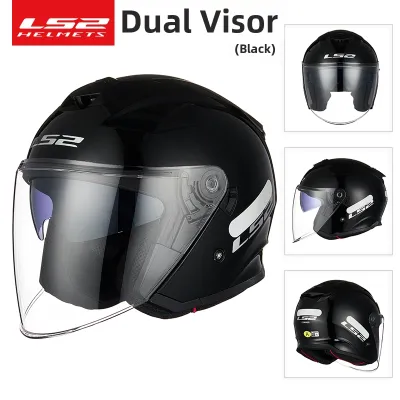
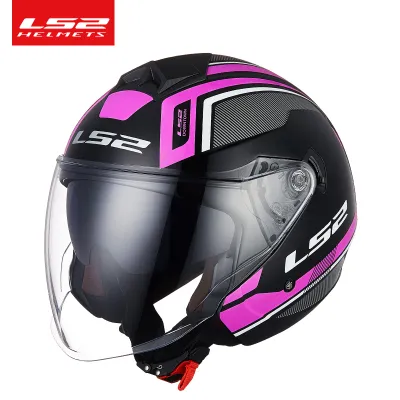
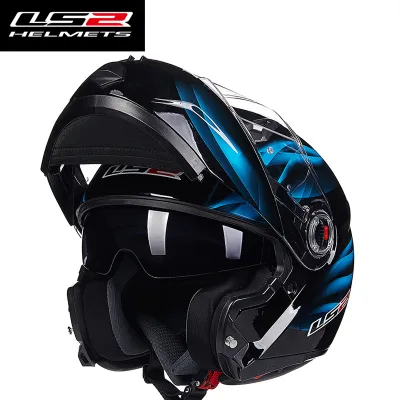
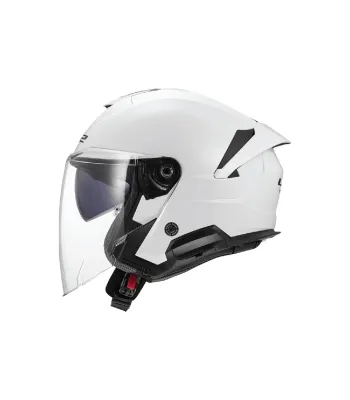
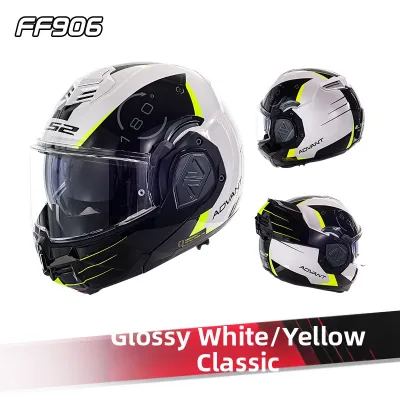
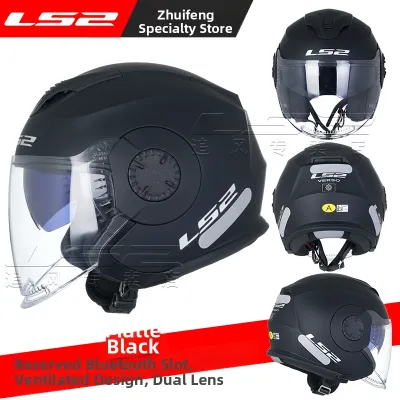
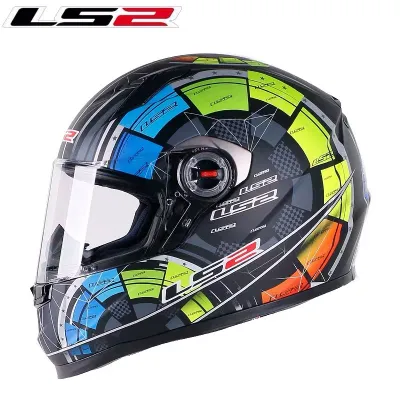
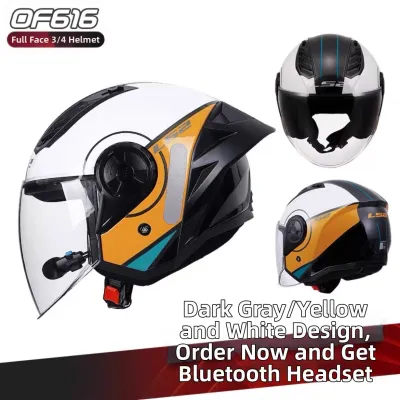
Prices are valid at publication and may change. Please refer to the product page for the latest price.
In contrast, features like integrated sun visors, custom graphic designs, Bluetooth speaker pockets, and advanced ventilation ports are comfort and convenience choices. If you are working with a tight budget, choosing a solid-color helmet instead of a graphic-heavy design can save you a significant amount of money while offering the exact same level of impact protection. Establishing a baseline budget that covers these core safety components ensures you do not compromise on brain protection just to save a few dollars.
Matching LS2 Helmet Categories to Your Price Range
LS2 categorizes its helmet lineup into distinct tiers based on materials, manufacturing complexity, and intended riding styles. The entry-level tier typically consists of open-face and basic full-face helmets constructed from High Pressure Thermoplastic Technology (HPTT), which is a lightweight polycarbonate blend. These models are highly suitable for daily short-distance commuting, offering reliable impact resistance and basic top and chin ventilation systems at a highly accessible price point.

Moving up to the mid-range tier introduces materials like Kinetic Polymer Alloy (KPA) or fiberglass composites, which offer superior energy dispersion and lower overall weight. In this category, you will find modular (flip-up) designs and dual-visor full-face helmets equipped with drop-down inner sun shields, which are highly practical for Singapore’s intense tropical sunlight and sudden downpours. These mid-range models also feature upgraded, moisture-wicking interior liners that are fully removable and washable, helping to maintain hygiene in hot and humid weather.
The premium tier is designed for sport riders, track enthusiasts, and long-distance tourers who are willing to invest more for maximum performance. These helmets utilize advanced carbon fiber or High-Performance Fiberglass Composite (HPFC) shells, which drastically reduce neck fatigue during long rides by minimizing weight. Premium LS2 models also incorporate wind-tunnel-tested aerodynamics, emergency release cheek pads, and optical class-1 visors that prevent visual distortion.
When deciding between these tiers, you must weigh the trade-offs between weight, ventilation, and cost. A lighter helmet reduces physical strain on your neck during long commutes along the PIE or AYE, but it requires more expensive composite materials. Similarly, advanced multi-port ventilation systems keep you cooler in slow-moving traffic but add to the manufacturing cost, making it essential to balance your physical comfort requirements with your financial limits.
Factoring in Hidden Costs and Necessary Accessories
The price tag on the helmet shelf or online listing is rarely the final cost of ownership, and failing to account for additional expenses can quickly break your budget. If you choose to purchase your LS2 helmet from international online retailers, you must factor in shipping fees, local Goods and Services Tax (GST), and potential import duties. These shipping and tax charges can sometimes equal a significant portion of the helmet’s base price, occasionally making local authorized physical shops a more cost-effective and safer option.
You should also budget for essential accessories that improve safety and visibility in Singapore’s unpredictable weather. An anti-fog insert, such as a Pinlock lens, is highly recommended for full-face and modular helmets to prevent the visor from misting up during heavy afternoon downpours. If the LS2 model you select does not include a Pinlock lens in the box, you will need to purchase one separately, along with any replacement visors or tear-offs you might require for different lighting conditions.
Finally, consider the future integration of communication systems if you plan to ride with a group or use GPS navigation. While many LS2 helmets come with pre-cut speaker pockets, some models require specific, brand-compatible Bluetooth intercom mounts or dedicated communication units. Buying a helmet that only accepts a proprietary communication system can lead to high unexpected costs later, so verify the mounting compatibility and accessory prices before making your final purchase.
Verifying Authenticity and Avoiding Budget Traps
The popularity of LS2 helmets has unfortunately made them a target for counterfeiters, meaning budget-conscious buyers must remain highly vigilant. To ensure your safety is not compromised by a fake product, always verify that the seller is an authorized LS2 dealer or an official brand store on your chosen online marketplace. Avoid buying from unverified third-party sellers who cannot provide proof of authenticity or a valid manufacturer’s warranty.
When inspecting a physical helmet, look closely at the safety certification labels, serial numbers, and overall build quality. Genuine LS2 helmets feature clean, precise stitching on the comfort liner, smooth visor mechanism operations, and high-quality paint finishes without bubbles or uneven clear coats. The safety stickers—such as the ECE certification on the chin strap and the local PSB test label—should be securely affixed and printed with sharp, legible text rather than looking like cheap, easily peeled photocopies.
Be highly suspicious of red flags such as prices that seem too good to be true, helmets sold without their original box and protective fabric bag, or sellers who refuse to let you inspect the inner EPS liner. A counterfeit helmet may look identical to a genuine LS2 model on the outside, but it often lacks the energy-absorbing EPS liner or uses substandard plastics that shatter upon impact. Saving money by purchasing an unverified helmet is a dangerous trap that can result in catastrophic failure when you need protection the most.
Pre-Purchase Checklist for the Final Decision
Before handing over your payment, you must perform a thorough physical check to ensure the helmet fits your head shape perfectly. A helmet that is too loose will not protect you properly in a crash, while one that is too tight will cause painful pressure points and headaches within minutes of riding. Put the helmet on, fasten the retention strap securely, and check that the cheek pads press firmly against your face without causing pain, and that there is no unwanted movement when you shake your head.
Additionally, review the retailer’s return, exchange, and warranty policies in detail before finalizing your transaction. This is especially critical when buying online, as head shapes vary widely and you may need to exchange the helmet for a different size or shell shape. Ensure the seller offers a clear return window and that the product is covered by a valid warranty against manufacturing defects.
Lastly, reassess whether the specific LS2 model you have chosen aligns with your primary riding use case. A heavy modular helmet might be convenient for quick delivery stops, but a lightweight, highly ventilated full-face model is far better suited for long daily highway commutes. By matching the helmet’s design features to your actual riding patterns, you ensure that every dollar of your budget is spent on features that genuinely improve your daily riding experience.
Frequently Asked Questions (FAQ)
Are cheaper LS2 helmets safe for daily riding in Singapore?
Yes, entry-level LS2 helmets are safe for daily riding provided they carry valid safety certifications, such as the local PSB test label or the UNECE 22.05/22.06 standard. Safety is determined by rigorous laboratory impact testing rather than the retail price tag. While more expensive models offer lighter materials and advanced comfort features, a certified budget-friendly LS2 helmet provides the essential impact protection required by law and safety standards.
How often should I replace my budget LS2 helmet?
You should generally replace your helmet every three to five years of regular use, or immediately after any significant impact or accident. Over time, exposure to sweat, hair oils, heat, and UV rays degrades the protective EPS liner and outer shell materials, reducing their ability to absorb impacts. Always inspect your helmet regularly for visible signs of wear, such as a loose fit, cracking EPS, or a damaged retention strap, and replace it if any defects are found.
Can I upgrade the visor on an entry-level LS2 helmet?
Visor upgrades depend entirely on the specific LS2 model and its shield mechanism design. Many entry-level models support aftermarket tinted, mirrored, or Pinlock-ready visors, but these must be designed specifically for your exact helmet model to ensure a proper seal against wind and rain. Always check the manufacturer’s compatibility guidelines and factor the cost of any upgraded visors into your initial purchasing budget.
Community discussion
Share your experience or ask a question. Comments are reviewed before publication.