
To clean both leather and fabric car seats safely and effectively, the ideal electric foam spray must offer precise control over foam density and operating pressure. The best device for this task is not simply the most powerful one, but rather a highly adjustable, cordless sprayer equipped with chemical-resistant seals and interchangeable foaming nozzles. This versatility allows you to switch between a dry, thick foam that clings to delicate leather surfaces without soaking the seams, and a slightly wetter foam capable of penetrating fabric fibers without over-saturating the deep foam cushions underneath.
How Foam Density and Pressure Affect Interior Cleaning
Foam density is determined by the ratio of air to liquid solution mixed inside the sprayer’s nozzle. Dry foam contains a high concentration of air bubbles and very little free liquid. This structure is highly advantageous for interior detailing because the foam clings to vertical surfaces, giving the active cleaning agents time to emulsify oils, dirt, and body oils without running off or soaking into the material. Conversely, wet foam contains more liquid and collapses rapidly. While wet foam can be useful for exterior pre-washing where high water volume helps rinse away heavy grit, it is generally unsuitable for car interiors where moisture control is the primary safety concern.
Operating pressure plays an equally critical role in material safety. High-pressure sprayers are designed to blast away dirt from wheels or engine bays, but applying that same force to a car’s interior can cause immediate, irreversible damage. Excessive pressure can force liquid deep into the stitching lines of leather seats, bypassing the protective topcoat and soaking the raw underside of the hide. Once moisture penetrates these seams, it can cause the leather to swell, warp, or rot over time. Furthermore, high pressure can push water through the tiny perforations found in ventilated or heated seats, potentially short-circuiting delicate electronic heating elements or cooling fans housed directly beneath the surface.
Products mentioned in this guide
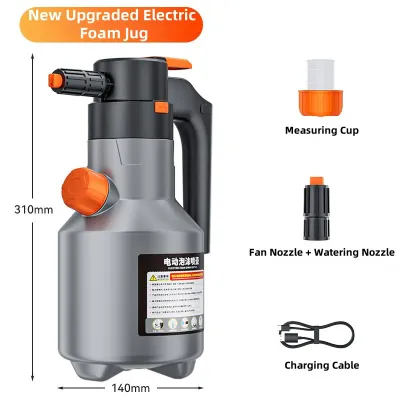
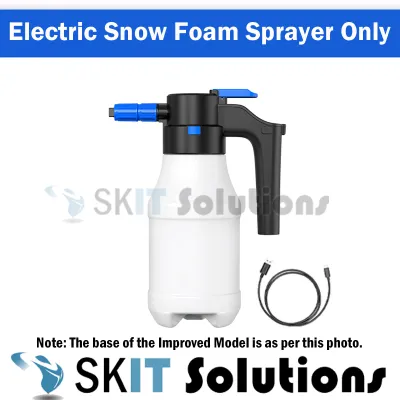
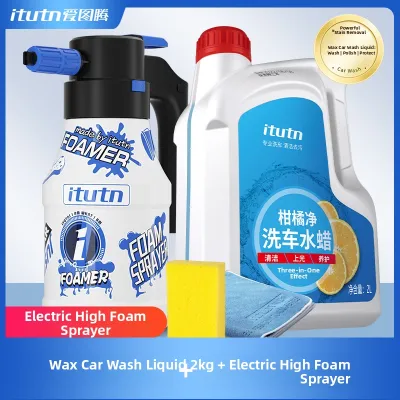
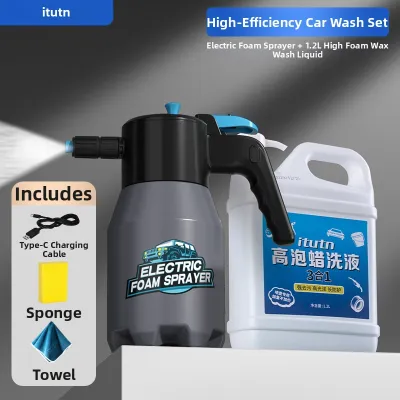
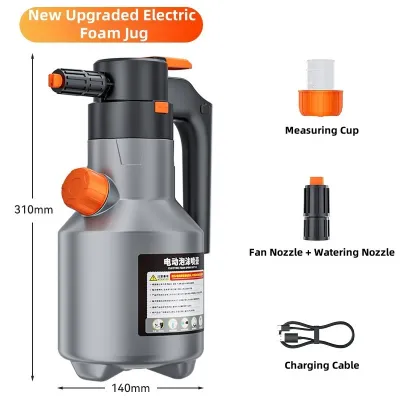
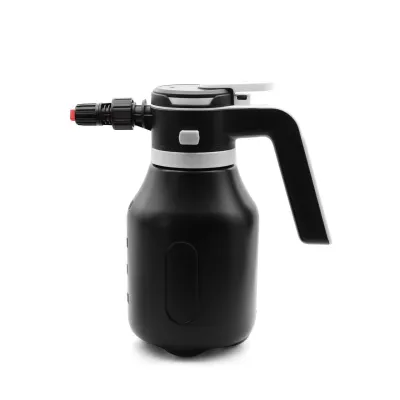
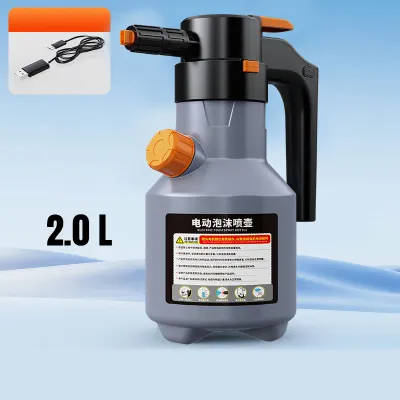
Prices are valid at publication and may change. Please refer to the product page for the latest price.
For fabric seats, high pressure can force cleaning solutions deep into the polyurethane foam padding beneath the cloth cover. Once the underlying cushion becomes saturated, extracting the moisture completely becomes extremely difficult, especially without professional extraction equipment. This trapped moisture creates an ideal breeding ground for mold, mildew, and unpleasant odors. Therefore, selecting an electric foam spray with adjustable pressure settings or a built-in pressure relief valve is essential. This feature allows you to dial down the force to a gentle, consistent mist that deposits foam strictly on the surface layer of the upholstery, ensuring a thorough clean that dries quickly and safely.
Essential Hardware Features to Compare Before Buying
When evaluating different electric foam sprayers, the nozzle assembly is the first component to inspect. Look for devices that include multiple, interchangeable foaming felt pads or adjustable nozzle tips. These components allow you to customize the wetness or dryness of the foam. A wide fan spray pattern is highly efficient for covering large areas like seat backs and bench cushions quickly and evenly. However, you also need the ability to switch to a narrower, more targeted stream when cleaning tight crevices, seat bolsters, or the transitions between different interior panels. A sprayer that only offers a single, non-adjustable spray pattern will limit your ability to adapt to these varying surfaces.

The power source is another critical differentiator among electric sprayers. Cordless, battery-powered models offer unmatched mobility inside the cramped confines of a vehicle cabin. When detailing, you must maneuver around steering wheels, center consoles, and tight footwells; dragging a power cord through these spaces can snag on components or transfer dirt from the ground onto clean seats. Lithium-ion battery-powered sprayers are the standard for cordless convenience. When comparing models, check the battery capacity and the estimated runtime. A device that provides at least 30 to 45 minutes of continuous spraying on a single charge is usually sufficient to detail a standard five-seater vehicle. Additionally, look for modern charging interfaces like USB-C, which allow you to recharge the device easily using a standard phone charger or a portable power bank, a highly convenient feature for car owners who detail their vehicles in multi-storey car parks or condominium wash bays where wall outlets are unavailable.
The chemical compatibility of the sprayer’s internal components determines its longevity and safety. Automotive interior cleaners range from mild, pH-neutral soaps to highly alkaline all-purpose cleaners designed to cut through heavy grease. Standard household sprayers often use cheap rubber seals that degrade rapidly when exposed to these chemicals, leading to pressure leaks or complete pump failure. High-quality electric foam sprayers utilize specialized synthetic rubber seals, such as Viton or EPDM. Viton seals offer excellent resistance to acidic and neutral solutions, while EPDM seals are highly resistant to alkaline cleaners. Before purchasing, verify which seal material is installed and cross-reference it with the manufacturer’s chemical compatibility guidelines to ensure it matches your preferred cleaning solutions.
Finally, consider the physical ergonomics and tank capacity of the device. A tank capacity of 1.5 to 2 liters is generally considered the sweet spot for interior detailing. A smaller tank will require frequent refilling, interrupting your workflow, while a larger tank becomes excessively heavy and unwieldy when filled to capacity. The dry weight of the sprayer, combined with the weight of the liquid, should be balanced evenly across the handle to minimize wrist fatigue during extended use. Features such as a locking trigger mechanism, which allows for continuous spraying without holding down the button, and a clear, graduated fill window on the side of the tank greatly improve the overall user experience.
Matching Spray Settings to Leather and Fabric Requirements
Leather is a natural, porous material that requires a highly conservative approach to moisture. Modern automotive leather is typically treated with a protective polyurethane topcoat, but this barrier is not completely impervious, especially around stitching lines, wear spots, and perforations. When configuring your electric foam spray for leather seats, you must prioritize a high-density, dry foam setting. This is achieved by using the maximum number of foaming felt inserts in the nozzle or adjusting the air-injection valve to its highest setting. The resulting foam should resemble shaving cream—thick, stable, and slow to collapse. Apply this dry foam gently to the leather surface, allowing the bubbles to lift dirt and body oils away from the grain. Because the foam contains minimal free water, the risk of liquid seeping into the seams or perforations is virtually eliminated, protecting both the leather structure and any integrated seat heating or ventilation systems.
Fabric seats present a different set of challenges that require a carefully balanced spray configuration. Unlike leather, fabric upholstery is highly absorbent and can easily trap dirt deep within its woven fibers. To break down these embedded stains, you need a slightly wetter foam that can penetrate the surface layer of the fabric. However, you must still maintain strict moisture control to avoid saturating the thick foam padding underneath. To achieve this balance, configure your electric sprayer to produce a medium-density foam. This setting provides enough moisture to lubricate the fabric fibers during agitation with an upholstery brush, helping to release trapped dirt without allowing excess liquid to pool or sink deep into the cushion. In Singapore’s hot and highly humid climate, preventing deep saturation is critical; fabric seats that remain damp for extended periods are highly susceptible to developing mold, mildew, and persistent musty odors that are incredibly difficult to eradicate.
Many modern vehicles feature mixed interiors, combining leather bolsters with fabric or synthetic suede center inserts. Cleaning these multi-material seats requires a device that can transition quickly between different settings. Using a wet foam on a leather bolster can lead to water spots and seam damage, while using an ultra-dry foam on a heavily soiled fabric insert may not provide enough cleaning power. For these mixed environments, an electric foam sprayer with quick-change nozzles or an easily adjustable flow control dial is invaluable. This allows you to apply a thick, dry foam to the leather portions, wipe it clean, and then instantly adjust the device to deliver a slightly wetter, penetrating foam for the fabric sections, ensuring each material receives the precise treatment it requires without risking damage.
Safe Operation Limits and Device Maintenance
Before you begin spraying any foam inside your vehicle, a thorough pre-cleaning inspection is essential to identify potential hazard areas. Carefully examine the seats for any signs of physical damage, such as open or frayed stitching, cracked or peeling leather, or deep scratches that have worn through the protective topcoat. If you detect any of these vulnerabilities, avoid spraying foam directly onto the damaged area, as moisture will easily penetrate the exposed substrate and cause further deterioration. Additionally, look beneath the seats to locate any exposed electrical connectors, wiring harnesses, or electronic control modules for power seat adjustments and airbags. Ensure the spray pattern is directed away from these sensitive electronic components to prevent short circuits or system faults.
Effective moisture management is the key to a successful and safe interior detail. Once the foam is applied to the seat, it should never be left to sit until it collapses back into a liquid state. Instead, work in small, manageable sections—such as one seat cushion or one bolster at a time—and agitate the foam gently using a soft-bristled horsehair brush for leather or a medium-stiff synthetic brush for fabric. Immediately after agitation, use a clean, dry, high-gsm microfiber towel to wipe away the dirty foam. For fabric seats, a wet-dry vacuum or a dedicated spot extractor can be used to pull out any remaining moisture. If you notice that the fabric feels damp to the touch after wiping, press a dry microfiber towel firmly into the surface to blot up the excess moisture, or leave the car doors open in a well-ventilated area to facilitate rapid drying.
Proper maintenance of your electric foam sprayer is vital to ensure its long-term reliability and prevent chemical damage to its internal components. After every detailing session, empty any remaining cleaning solution from the tank. Fill the tank with a small amount of clean, warm water, seal the device, and spray the water through the nozzle for at least one to two minutes. This flushing process removes any residual cleaning chemicals from the internal pump, tubing, and foaming felt pads. If left inside the device, chemical residues can dry out, crystallize, and clog the delicate nozzle orifices or degrade the synthetic rubber seals over time. Once flushed, release any remaining air pressure from the tank using the pressure relief valve, unscrew the pump head slightly to allow the interior to dry completely, and store the device in a cool, dry place away from direct sunlight.
Knowing when to stop is just as important as knowing how to operate the device. If you observe any signs of material distress during the cleaning process—such as color bleeding on fabric, darkening or softening of leather, or the peeling of the leather’s protective topcoat—halt the operation immediately. These symptoms indicate that either the cleaning chemical is too harsh, the foam is too wet, or the material itself is too degraded to withstand mechanical cleaning. In such cases, blot the area dry immediately with a clean microfiber towel and consult a professional automotive detailer to assess the damage and recommend a safe course of action. Similarly, if the electric sprayer exhibits erratic pressure, leaks from the seals, or unusual motor noises, turn off the device and inspect it for clogs or damaged components before proceeding.
Frequently Asked Questions (FAQ)
Can I use any household foaming cleaner in an electric spray device?
No, you should avoid using standard household foaming cleaners in an electric foam sprayer designed for automotive use. Household cleaners often contain harsh solvents, bleach, or highly acidic or alkaline formulations that can rapidly degrade the specialized Viton or EPDM seals inside the sprayer’s pump mechanism, leading to leaks and premature device failure. Furthermore, household detergents are rarely formulated for the delicate topcoats of automotive leather or the specific dyes used in car fabrics, increasing the risk of discoloration, staining, or material degradation. Always select dedicated automotive interior cleaners that explicitly state compatibility with foam sprayers and match the pH requirements recommended by both the sprayer manufacturer and your vehicle’s upholstery guidelines.
How do I prevent water stains on fabric seats when using a foam spray?
To prevent water stains, also known as water rings, on fabric seats, you must control both the moisture level and the application area. Configure your electric sprayer to its driest foam setting to minimize the amount of free water introduced to the fabric. Work in small, distinct sections rather than spraying the entire seat at once, and ensure you clean the entire panel from seam to seam; spot-cleaning a single dirty patch often leaves a visible ring where the wet area dried next to the dry fabric. Immediately after agitating the foam, use a clean, dry microfiber towel to blot and lift the moisture, working from the outside of the wet area toward the center. Finally, ensure the cabin is well-ventilated or use a fan to dry the seats quickly, preventing the moisture from settling and forming stains.
Is an electric foam spray necessary, or will a manual pump sprayer work?
While a manual pump sprayer can certainly get the job done, an electric foam spray device offers significant advantages in consistency, control, and physical comfort. Manual sprayers require constant hand-pumping to maintain the pressure needed to generate a thick foam; as the pressure drops, the foam quickly becomes wet and runny, increasing the risk of over-saturating your seats. An electric sprayer maintains a constant, regulated pressure throughout the entire cleaning process, ensuring a perfectly uniform foam density from start to finish. This precise control is highly beneficial when working on sensitive leather or fabric where moisture management is critical. Additionally, eliminating the need for manual pumping reduces hand fatigue, allowing you to focus entirely on the careful agitation and extraction of dirt from your vehicle’s interior.
Community discussion
Share your experience or ask a question. Comments are reviewed before publication.