
Finding the right Android Auto adapter for a motorcycle requires looking beyond standard automotive solutions. Because motorcycles are directly exposed to harsh weather, intense engine vibrations, and complex electrical environments, a typical car dongle will quickly fail if left unprotected. The most effective adapters for two-wheelers are those engineered with robust weatherproofing, or standard wireless adapters safely housed within custom, sealed enclosures and connected to a compatible factory infotainment system. By understanding the unique physical and electrical demands of motorcycle riding, you can select a setup that delivers reliable navigation and media control without risking damage to your bike’s electronics.
Understanding Motorcycle Display Compatibility
Before purchasing any adapter, you must verify whether your motorcycle’s existing display can actually support the connection. Unlike passenger cars, which often use standardized double-DIN head units, motorcycles frequently feature highly proprietary infotainment systems designed by the original equipment manufacturer (OEM). These systems are optimized for outdoor visibility and glove-friendly touch controls, but their underlying software protocols may not behave like a standard car dashboard.
To determine compatibility, start by reviewing your motorcycle’s official user manual or contacting the manufacturer’s local dealership. You need to confirm if the bike’s display has native, wired Android Auto capability built into its firmware. If the motorcycle only supports wired Apple CarPlay or uses a closed, proprietary navigation app, a standard Android Auto wireless adapter will not function without an intermediate translation module. Some premium touring bikes require specific OEM interface modules or software activation keys before any external smartphone integration can be recognized by the system.
Products mentioned in this guide
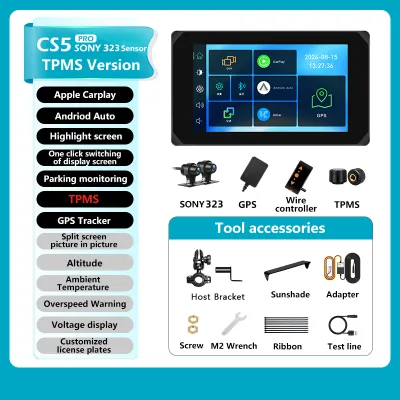
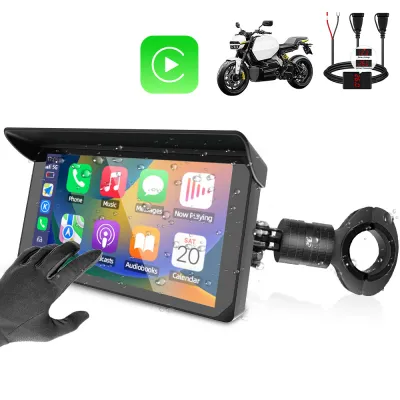
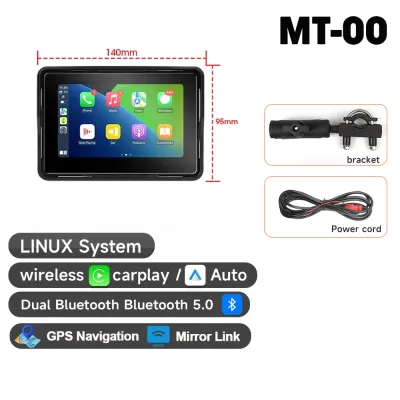
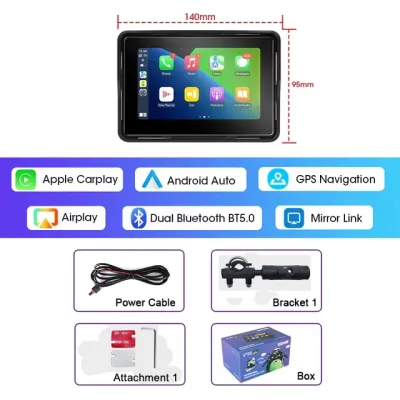
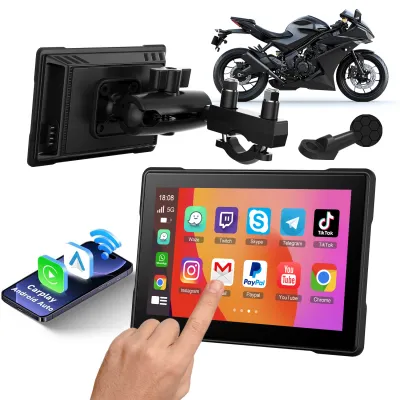
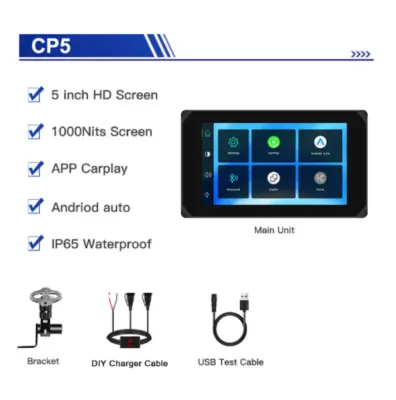
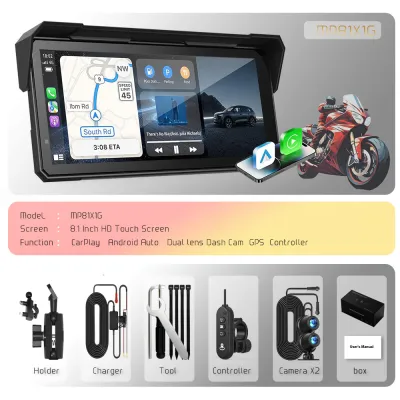
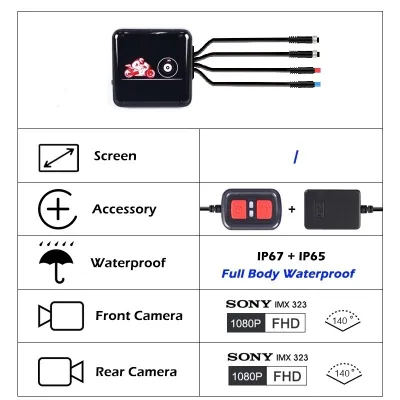
Prices are valid at publication and may change. Please refer to the product page for the latest price.
Additionally, check the physical USB port specifications on your bike. Many motorcycles feature low-amperage USB ports intended solely for slow charging or reading media files from a USB drive. A wireless adapter requires a stable data connection and sufficient power to run its internal Wi-Fi and Bluetooth chips. If your bike’s port does not output the standard power profile required by the adapter, the connection will repeatedly drop, or the display will fail to initiate the Android Auto handshake.
Key Environmental Requirements for Motorcycle Adapters
Riding a motorcycle subjects electronic components to environmental extremes that passenger car accessories never encounter. In tropical regions like Singapore, sudden, torrential downpours can saturate an exposed handlebar area within seconds. Therefore, checking the Ingress Protection (IP) rating of any adapter or its protective housing is the first line of defense. An IP67 rating is generally considered the minimum standard for motorcycle use, indicating that the device is completely protected against dust ingress and can withstand temporary immersion in water.

Vibration is another silent killer of delicate car electronics. Motorcycles experience high-frequency engine vibrations and sharp road shocks that are transmitted directly through the frame and handlebars. Standard car adapters are assembled with internal components that can easily shake loose over time. When evaluating adapters, look for units that feature solid-state construction, potted electronics (where the internal circuit board is encased in a protective resin), and secure, locking cable connectors.
Operating temperature limits are equally critical. An adapter mounted near the instrument cluster or inside a fairing pocket is subjected to direct, intense sunlight and rising engine heat. In hot, humid climates, ambient temperatures can quickly cause unventilated electronics to overheat and thermal-throttle, leading to laggy navigation maps or complete system freezes. Ensure the manufacturer specifies an operating temperature range that accommodates these extreme conditions, and avoid placing the adapter in unventilated, heat-trapping compartments.
Evaluating Wireless vs. Wired Connections on Two Wheels
Choosing between a wired and a wireless connection on a motorcycle involves balancing convenience against operational stability. A wireless adapter uses a combination of Bluetooth for the initial handshake and a 5 GHz Wi-Fi channel to transmit the high-bandwidth Android Auto data. While this eliminates the hassle of plugging in your phone every time you mount the bike, it introduces potential latency. In dense urban areas with high electromagnetic interference, you may experience brief audio dropouts or slight delays in real-time GPS navigation prompts.
Battery management is another crucial factor. Running wireless Android Auto requires your smartphone to constantly transmit data over Wi-Fi while simultaneously processing GPS location services. This dual workload drains a phone’s battery rapidly. If you are embarking on a long touring ride, you will likely need to connect your phone to a charging source anyway. If your phone is plugged into a charger while wirelessly communicating with an adapter, both devices will generate significant heat, which can trigger thermal safety shutdowns in hot weather.
Conversely, a fully wired connection is highly stable and keeps your phone charged, but it requires careful cable routing. Loose cables present a serious safety hazard on a motorcycle. A cable that is too long can snag on passing objects, interfere with your steering lock-to-lock movement, or get caught in moving suspension components. If you choose a wired setup, you must route the cables along the bike’s frame rails, securing them with UV-resistant zip ties while leaving enough slack around the steering head to allow full, unrestricted movement of the handlebars.
Installation, Mounting, and Power Supply Considerations
Properly integrating an adapter into your motorcycle’s electrical system requires careful planning to protect both the accessory and the bike’s battery. Many riders make the mistake of wiring their adapters directly to a constant power source, such as the battery terminals. Because wireless adapters continue to broadcast their Bluetooth and Wi-Fi signals even when the engine is off, a constant power connection will result in a parasitic draw that can completely drain your motorcycle’s battery over a weekend.
To prevent this, always connect the adapter to a switched power source. A switched circuit only receives electricity when the ignition key is turned to the “on” or “accessory” position. Common tap-in points include the license plate light circuit, the auxiliary power socket, or a dedicated accessory fuse block. Before performing any electrical modifications, splicing wires, or adding fuses, consult your motorcycle’s official wiring diagram. If you are unfamiliar with using a multimeter or making waterproof electrical splices, have a qualified motorcycle technician handle the installation to avoid damaging the main wiring harness or triggering engine fault codes.
When mounting the physical adapter, select a location that is shielded from the elements but still allows adequate ventilation. Placing the unit deep inside a sealed fairing can protect it from rain, but it may block the Wi-Fi signal to your phone. Conversely, mounting it directly on the handlebars exposes it to high-pressure wind and water during highway riding. Use marine-grade heat-shrink tubing on all wire connections, and secure the adapter using heavy-duty, vibration-dampening hook-and-loop tape or specialized mounting brackets away from hot exhaust pipes and moving parts.
Building Your Shortlist and Exploring Alternatives
When compiling a list of potential adapters, you must adopt a rigorous verification process. Because very few adapters are marketed exclusively for motorcycles, you will often need to adapt automotive units. Contact the manufacturer or seller directly to ask specific questions: Is the unit’s warranty valid if used on a motorcycle? Does the casing feature any water-resistance rating? What is the maximum vibration tolerance of the internal components? If a seller cannot provide clear answers, it is safer to assume the product is designed solely for passenger cars.
It is also worth comparing the cost and complexity of an adapter setup against a dedicated, heavy-duty smartphone mount. A complete adapter system—including the adapter itself, a weatherproof enclosure, and custom wiring—can easily cost between S$100 and S$250, not including the cost of a compatible motorcycle display. Furthermore, leaving an expensive adapter mounted on an open handlebar increases the risk of theft when the bike is parked in public spaces.
For many riders, bypassing the motorcycle’s infotainment system entirely and using a rugged, weatherproof phone mount with vibration dampening is the more practical and cost-effective route. High-quality mounts designed specifically for motorcycles feature active dampening modules that protect your smartphone’s delicate optical image stabilization (OIS) camera sensors from engine vibrations. If your bike lacks a native display, or if the integration process proves too complex and costly, a direct phone mount combined with a Bluetooth helmet headset offers a highly reliable, weather-resistant alternative that keeps your navigation and music controls directly within your line of sight.
Frequently Asked Questions (FAQ)
Can I use a standard car Android Auto adapter on a motorcycle?
You can physically connect a standard car adapter to a motorcycle’s USB port, but doing so is highly discouraged unless the unit is completely protected from the elements. Standard automotive dongles lack any form of weatherproofing, meaning a single rain shower can short-circuit the device and potentially damage your bike’s USB port. Furthermore, car adapters are not built to withstand the continuous, high-frequency vibrations of a motorcycle engine, which can cause internal solder joints to crack and lead to intermittent connection failures.
Will a wireless Android Auto adapter drain my motorcycle battery?
A wireless adapter will only drain your motorcycle’s battery if it is wired to a constant power source that remains active when the ignition is turned off. If the adapter is plugged into a factory USB port that shuts off with the key, or if it is wired into a switched accessory circuit, it will draw zero power when the bike is parked. Always verify that your bike’s USB ports power down completely after the ignition is turned off, as some models keep these ports active for several minutes or indefinitely.
Is it safe to mount the adapter dongle directly behind the motorcycle display?
Mounting the adapter directly behind the instrument cluster or display screen is a common practice, but it requires caution. While this area provides some physical shelter from wind and rain, it can also trap significant heat, especially when riding in direct sunlight or idling in heavy traffic. Ensure there is sufficient clearance around the adapter to allow natural airflow, and avoid mounting it in tight recesses where water is prone to pooling during heavy downpours or when washing the motorcycle.
Community discussion
Share your experience or ask a question. Comments are reviewed before publication.