
Selecting a high-quality car cover for a BMW X3 in Singapore requires balancing robust protection against intense tropical elements with gentle care for the vehicle’s exterior. The local climate presents a challenging combination of extreme solar radiation and sudden, heavy downpours. A poorly chosen cover can trap moisture, scratch the clear coat, or degrade rapidly under constant UV exposure. To safeguard your vehicle’s paintwork and structural trim, you must understand how to evaluate material specifications, verify precise fitment for your specific X3 generation, and follow safe handling practices.
Understanding Weather Protection Needs in Singapore
Protecting an outdoor-parked BMW X3 in Singapore means defending it against some of the most intense environmental wear possible. The equatorial sun delivers high levels of ultraviolet (UV) radiation year-round. Over time, this exposure breaks down the chemical bonds in automotive clear coats, leading to oxidation, fading, and a loss of gloss. Beyond the paint, UV rays dry out rubber window seals, degrade plastic trim, and raise cabin temperatures to levels that can damage interior leather and dashboard components.
Rainfall in Singapore is equally demanding. Tropical monsoons and sudden afternoon storms bring heavy, driving rain that can easily penetrate low-grade fabrics. If a car cover lacks a high hydrostatic head rating—which measures a fabric’s resistance to water penetration under pressure—water will seep through to the vehicle’s surface. Acidic rain mixed with atmospheric pollution can then sit directly on the paint, causing water spots and etching that require professional paint correction to resolve.
Products mentioned in this guide
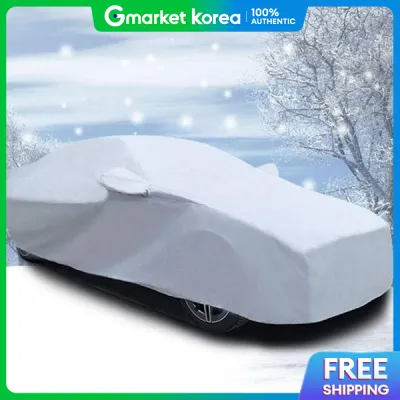


Prices are valid at publication and may change. Please refer to the product page for the latest price.
However, absolute waterproofing can introduce its own set of problems if the cover lacks breathability. When a car cover is completely impermeable to air, moisture from high ambient humidity or ground evaporation rises and becomes trapped underneath. This creates a humid greenhouse effect over the warm metal of your BMW X3. Trapped moisture can lead to paint blistering, micro-osmosis bubbles in the clear coat, and rapid mold or mildew growth on exterior seals and interior cabin surfaces. A successful weather-protection strategy requires a cover that keeps liquid water out while allowing water vapor to escape freely.
Decoding Material Specifications and Product Labels
To find a cover capable of surviving local conditions, you must look past generic marketing claims and analyze the physical construction of the fabric. High-performance outdoor covers typically feature a multi-layer composite design. A reliable configuration consists of three to five distinct layers, each serving a specific protective function. The outer layer must be a durable, UV-treated polymer designed to reflect sunlight and shed water, while the middle layers act as a breathable, semi-permeable membrane.

The innermost layer is critical for preventing physical damage to your BMW X3’s paintwork. As wind moves the cover, any friction against the clear coat can cause fine scratches and swirl marks. To prevent this, verify that the cover features a soft, non-abrasive inner lining made of high-quality fleece, microfiber, or cotton flannel. Avoid single-layer plastic or rough synthetic covers that lack this protective backing, as they will inevitably mar the paint over time.
When evaluating UV protection, do not assume that all silver or grey covers offer equal performance. Look for product labels that explicitly state certified UV-inhibitor treatments or specific ultraviolet protection factors. Reflective outer coatings are highly effective at bouncing solar energy away from the vehicle, but they must be chemically treated to resist cracking and peeling under prolonged exposure to heat.
Seam construction is another common failure point where water ingress occurs. Standard stitched seams leave thousands of tiny needle holes that allow water to drip onto your vehicle. When choosing a cover, verify that the seams are either heat-welded or double-stitched and reinforced with waterproof seam-sealing tape on the underside. This ensures that the structural joints of the cover remain as waterproof as the fabric panels themselves.
Verifying Fitment and BMW X3 Compatibility
Achieving a precise fit is essential for both protection and safety. The BMW X3 has been produced across multiple generations—including the E83, F25, G01, and the newer G45 platforms—each featuring distinct body dimensions, bumper profiles, and styling lines. A generic “one-size-fits-all” SUV cover is rarely satisfactory. If the cover is too loose, it will flap in the wind, causing abrasive damage to the paint and potentially blowing off. If it is too tight, it will put excessive stress on seams and vehicle protrusions.
Before purchasing, consult the manufacturer’s fitment guide to match the cover to your exact model year and trim level. Be aware of exterior modifications or packages that alter the vehicle’s physical footprint. For example, an X3 M-Sport or a full X3 M model may feature larger front aprons, side skirts, or rear spoilers that require a slightly different shape than a standard xDrive model. Furthermore, if your vehicle is equipped with permanent roof racks, a roof cargo box, or a rear-mounted bike carrier, you must select a specialized cover designed to accommodate these accessories or remove them before fitting a standard cover.
Pay close attention to how the cover accommodates specific exterior features. A high-quality cover should feature dedicated, reinforced pockets for the side mirrors to keep the fabric aligned and secure. It must also provide adequate clearance for the roof-mounted shark fin antenna without putting downward pressure on the component. Ensure that the cover’s edges do not rub aggressively against sensitive exterior parking sensors or camera lenses located in the grille and tailgate.
Finally, evaluate the tie-down and securing systems. Singapore’s coastal winds and sudden squalls can easily dislodge a poorly secured cover. Look for heavy-duty elasticized hems at the front and rear bumpers to provide a snug fit around the base of the vehicle. The cover should also feature built-in tie-down grommets and adjustable undercarriage straps with windproof buckles. These straps secure the cover beneath the chassis, preventing it from lifting or ballooning during storms.
Safe Application, Removal, and Maintenance Rules
Even the most advanced car cover can cause damage if applied or maintained incorrectly. The most important rule of using a car cover is to never place it over a dirty or wet vehicle. If a layer of road dust, grit, or environmental fallout is present on the paint, applying a cover will trap those abrasive particles. As the wind shifts the cover, it acts like sandpaper, grinding the dirt into the clear coat. Always wash and completely dry your BMW X3 before covering it.
Additionally, observe key safety boundaries regarding vehicle temperature. Never apply a car cover immediately after driving. The heat radiating from the engine bay, radiator, and exhaust system can easily melt synthetic cover materials or trap extreme heat, damaging both the cover and the vehicle’s plastic components. Allow the engine and exhaust system to cool down completely to ambient temperature before fitting the cover.
When applying or removing the cover, use a systematic folding technique to minimize friction against the paintwork. Avoid dragging the fabric across the hood, roof, or tailgate. To apply the cover safely, place the folded bundle on the center of the roof. Unroll it along the centerline of the vehicle from front to back, then carefully unfold the sides down over the mirrors and bumpers. To remove it, reverse the process: fold the side panels up onto the roof, and then roll or fold the cover from the front and rear ends toward the center. This technique keeps the outer, dirty side of the cover from contacting the clean inner lining.
Maintaining the cover itself is vital for preserving its protective qualities. Over time, environmental fallout, bird droppings, and tree sap will accumulate on the exterior surface, potentially degrading the waterproof and UV-resistant coatings. Clean the cover regularly according to the manufacturer’s care instructions. Typically, this involves installing the cover on a clean vehicle and gently washing the exterior with a soft sponge, cool water, and a mild, pH-neutral automotive shampoo. Avoid harsh household detergents, bleach, or high-pressure washers, which can strip the protective coatings and damage seam tapes. Allow the cover to air dry completely while still on the vehicle before folding and storing it in its designated storage bag.
Frequently Asked Questions (FAQ)
Can I use an indoor car cover for outdoor parking in Singapore?
No, you should not use an indoor car cover for outdoor parking. Indoor covers are typically constructed from single-layer woven cotton or polyester designed solely to prevent dust accumulation in enclosed garages. They lack the necessary waterproof membranes, heat-welded seams, and UV-inhibitor coatings required to withstand outdoor elements. If exposed to rain, an indoor cover will quickly saturate, holding water directly against your BMW X3’s paintwork, which can lead to severe clear coat damage, corrosion, and mold growth.
Will a car cover damage my BMW X3's paint if left on for weeks?
Yes, leaving a car cover on a vehicle outdoors for extended periods without attention can lead to paint damage. Even with a breathable cover, prolonged exposure to high humidity can cause moisture to accumulate underneath. Additionally, wind-induced movement can cause continuous micro-abrasion along the edges and corners of the vehicle. To prevent damage, remove the cover every few days to inspect the vehicle, allow any trapped moisture to evaporate, and ensure that no dust or debris has found its way underneath the fabric.
How do I clean a waterproof car cover without ruining its coating?
To clean a waterproof car cover safely, leave it fully installed on your clean vehicle. Gently hose it down with cool, clean water to remove loose dirt. Use a soft sponge and a mild, non-detergent soap or a specialized car cover cleaner authorized by the manufacturer. Avoid scrubbing aggressively, and never use bleach, fabric softeners, or harsh chemical solvents. Rinse the cover thoroughly to ensure no soap residue remains, as dried soap can compromise the fabric’s water repellency. Allow the cover to air dry completely on the vehicle before folding or storing it; never place a heavy-duty outdoor cover in a household washing machine or tumble dryer unless the manufacturer’s label explicitly permits it.
Community discussion
Share your experience or ask a question. Comments are reviewed before publication.