
Finding the right car cover sedan for outdoor parking in Singapore requires balancing extreme weather protection with material safety. When parking your vehicle in open-air HDB or condominium carparks, it is exposed to a harsh tropical climate characterized by relentless ultraviolet (UV) radiation, sudden torrential monsoons, and high relative humidity. To safeguard your vehicle’s exterior, a specialized cover must offer a multi-layered defense system that repels external water, reflects intense solar heat, and allows trapped moisture to escape. Relying on a generic or poorly designed cover can trap moisture against your clear coat, leading to paint blistering, mold growth, and accelerated wear.
Why Singapore's Outdoor Carparks Demand Specialized Car Covers
Parking a sedan outdoors in Singapore presents a unique set of environmental challenges that standard indoor or light-duty covers cannot handle. The local climate is notoriously unforgiving on automotive exteriors, with the UV index frequently reaching extreme levels. This constant solar bombardment breaks down the chemical bonds in your car’s clear coat, leading to premature fading, paint oxidation, and the drying out of essential rubber window seals.
In addition to intense sunlight, Singapore experiences sudden, heavy downpours that can dump large volumes of water onto your vehicle within minutes. When a car is parked in an open-air HDB or condo carpark, this rainwater pools on flat surfaces like the hood, roof, and trunk. If the rainwater is acidic or carries airborne pollutants, it can etch into the paintwork as it dries under the subsequent hot sun.
Products mentioned in this guide
![[24 hours delivery] Upgraded and thickened universal car cover size:M/L/XL/XXL/3XL car cover outdoor protection sunscreen car cover waterproof car shade car cover sun protection car cover outdoor sunscreen](https://img.lazcdn.com/g/p/e19e16e6f7b78d2fe9d8cb786b0ccf47.jpg_400x400q80.jpg_.webp)
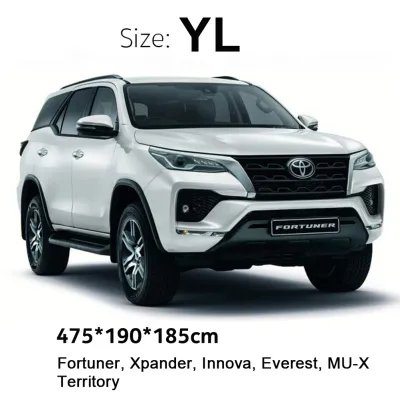
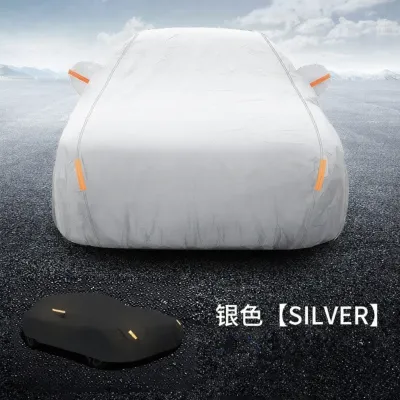
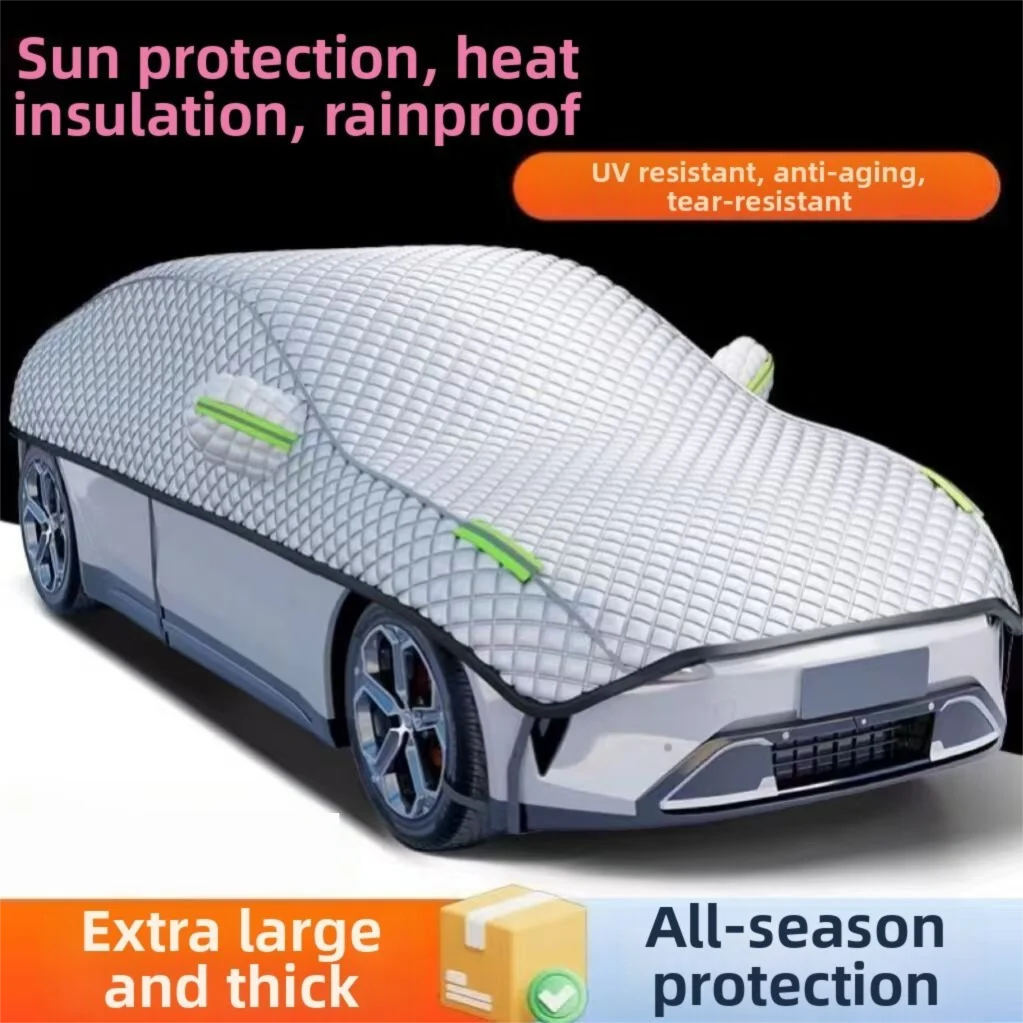
Prices are valid at publication and may change. Please refer to the product page for the latest price.
Residential outdoor carparks also expose your sedan to localized organic hazards. Angsana, Rain, and Yellow Flame trees commonly planted around parking lots frequently drop sticky sap, acidic leaves, and staining flowers. Birds nesting in these trees leave behind highly corrosive droppings that can eat through a car’s clear coat in a matter of days if left uncovered. Furthermore, airborne dust, industrial soot, and construction debris common in developing residential areas settle on the vehicle’s surface, creating an abrasive layer that can scratch the paint during cleaning.
Without a dedicated car cover sedan designed for outdoor use, these combined factors rapidly accelerate the aging process of your vehicle. The interior cabin temperatures can soar to over 60 degrees Celsius under direct sunlight, causing leather seats to crack, dashboard plastics to warp, and electronic components to degrade. Implementing a high-quality outdoor cover acts as a physical barrier against these elements, preserving both the aesthetic appeal and resale value of your sedan.
Core Material Features for Sun and Rain Protection
To successfully combat the tropical elements, an outdoor car cover sedan must be constructed from advanced, engineered fabrics. A single-layer plastic sheet or a basic canvas cover is insufficient; instead, look for multi-layered composite materials specifically rated for outdoor use. Understanding the science behind these materials allows you to make an informed decision that protects your vehicle’s paint and structural integrity.

UV Resistance and Heat Reflection
The outermost layer of your car cover serves as the primary shield against solar radiation. Look for covers featuring highly reflective materials, such as aluminum-coated fabrics or silver-treated polyurethane (PU). These reflective surfaces act as a mirror, deflecting a significant portion of incoming solar energy away from the vehicle rather than absorbing it.
When evaluating potential products, always check the manufacturer’s specifications for explicit UV protection ratings, such as a high UPF (Ultraviolet Protection Factor) or certified UV-inhibitor treatments. Do not rely solely on generic material names like polyester or nylon, as untreated fabrics will rapidly degrade, become brittle, and tear under Singapore’s intense sun. A high-quality reflective outer layer not only protects the paint but also dramatically reduces cabin temperatures, protecting sensitive interior electronics and upholstery.
Waterproofing and Seam Construction
True waterproofing is essential to keep your sedan dry during heavy monsoon downpours. Many budget covers are labeled as water-resistant, which merely means they can shed light drizzle for a short duration. Under a sustained tropical thunderstorm, water-resistant fabrics will eventually saturate, allowing water to seep through and pool on your car’s surface.
To ensure complete waterproofing, look for covers made from high-density synthetic fabrics, such as heavy-duty polyester with a polyurethane (PU) or polyvinyl chloride (PVC) backing. Equally important is the construction of the seams. Standard stitched seams contain thousands of tiny needle punctures that act as direct pathways for water entry. Ensure the cover features heat-sealed, welded, or taped seams, which physically block water from penetrating the joint lines even under high-pressure rainfall.
Breathability for High-Humidity Environments
While keeping rainwater out is critical, allowing internal moisture to escape is equally vital in Singapore’s high-humidity environment. If a car cover is completely airtight and non-breathable, moisture from the damp ground or humid air will evaporate and become trapped underneath. When the sun heats the covered vehicle, this trapped moisture creates a humid greenhouse effect, which can lead to condensation, musty odors, mold growth, and paint blistering.
To prevent this damage, select a cover that incorporates breathable membrane technologies or micro-porous fabrics. These advanced materials feature microscopic pores that are small enough to block liquid water droplets from entering but large enough to allow water vapor molecules to escape. Alternatively, look for covers designed with strategic ventilation panels—usually located near the top or sides—protected by overhanging fabric flaps to prevent rain from entering while promoting continuous airflow.
Design Details That Keep the Cover Secure and Safe for Paint
Beyond material composition, the physical design and fit of a car cover sedan determine how well it performs in real-world outdoor carparks. A cover that does not fit properly or lacks secure fastening mechanisms can cause more harm than good, especially during windy conditions.
- Wind Security: Open-air HDB and condo carparks are often subject to sudden, strong wind gusts, particularly during afternoon squalls. To prevent your cover from turning into a sail and blowing away, it must have robust securing systems. Look for covers with heavy-duty elasticized front and rear hems that wrap snugly under your sedan's bumpers. Additionally, adjustable tie-down straps that buckle securely underneath the vehicle's chassis are essential, along with reinforced grommets that allow you to thread a security cable lock through the center.
- Custom vs. Universal Fit: While universal-fit covers are widely available and budget-friendly, they often leave excess, loose fabric. During windy days, this loose fabric will flap violently against your car's body, acting like fine sandpaper and leaving micro-scratches across your clear coat. A custom-fit or model-specific cover is tailored to the exact dimensions of your sedan, ensuring a tight, aerodynamic fit that minimizes movement and prevents wind from getting underneath.
- Mirror and Antenna Accommodations: A well-designed cover should include dedicated side mirror pockets. These pockets not only make installation easier by acting as anchor points but also reduce wind resistance and keep the fabric taut. If your sedan has a fixed or shark-fin antenna, verify that the cover has built-in antenna patches or zippered openings to accommodate it without placing undue tension on the fabric.
- Inner Lining: The material that directly contacts your sedan's paint must be incredibly soft and non-abrasive. Look for covers lined with a thick layer of soft fleece, brushed cotton, or high-quality microfiber. This inner lining acts as a protective cushion, absorbing minor impacts and preventing the outer, tougher waterproof layers from rubbing against your clear coat when the cover shifts slightly in the breeze.
How to Properly Use and Maintain Your Outdoor Car Cover
To maximize the lifespan of your car cover sedan and protect your vehicle’s finish, you must follow proper usage and maintenance protocols. Improper handling can inadvertently trap dirt or cause physical wear to both the cover and the car.
- Pre-Covering Checklist: Before applying the cover, always verify that your sedan's exterior is completely clean and dry. Covering a dusty or dirty car traps abrasive particles between the paint and the inner lining; as the wind shifts the cover, these particles will grind against the clear coat, causing swirl marks. Additionally, if your vehicle has recently been treated with an aftermarket ceramic coating, paint protection film (PPF), or a fresh paint job, check the installer or manufacturer instructions before using a car cover, as some coatings require specific curing times or have compatibility restrictions. Always let the engine and exhaust system cool down completely before putting the cover on to avoid melting the fabric.
- Cleaning the Cover: Over time, your outdoor cover will accumulate bird droppings, tree sap, and environmental dust. To clean it safely, refer to the manufacturer's care label. Generally, the safest method is to install the cover on your clean car, hose it down with clean water, and gently wipe away dirt using a soft sponge and a mild, pH-neutral automotive shampoo. Avoid using harsh household detergents, bleach, or high-pressure washers, which can strip away the waterproof coatings and UV inhibitors.
- Drying and Storage: Never fold and pack away a wet or damp car cover. Doing so creates a breeding ground for mold, mildew, and bacteria, which can ruin the inner lining and transfer unpleasant odors to your car. Hang the cover in a shaded, well-ventilated area to air-dry completely before folding it. Once dry, store it in its designated storage bag to protect it from dust and pests.
Frequently Asked Questions (FAQ)
Can I use an indoor car cover for outdoor parking in Singapore?
No, indoor car covers are not suitable for outdoor parking in Singapore. Indoor covers are typically made from lightweight, breathable woven fabrics designed solely to block dust in enclosed garages. They lack the essential UV-resistant coatings, fully waterproof layers, and heavy-duty tie-down straps required to withstand tropical sun, torrential downpours, and high winds. Using an indoor cover outdoors will lead to rapid fabric rot, water saturation, and potential paint damage.
Will a waterproof car cover trap moisture and damage my car's paint?
A completely non-breathable waterproof cover can trap moisture, leading to condensation, mold, and paint blistering over time. To prevent this, always choose a high-quality outdoor cover that features built-in ventilation flaps or a microporous membrane that allows moisture vapor to escape while blocking liquid water. Additionally, never place a cover over a wet or dirty vehicle, and periodically remove the cover on dry days to let your sedan air out.
How do I verify if a car cover will properly fit my specific sedan model?
To ensure a proper fit, do not rely on generic small, medium, or large sizing categories. Always check the manufacturer’s specific sizing database or vehicle compatibility list, verifying your sedan’s exact make, model, year, and trim level. For the best protection and to minimize wind-induced paint friction, opt for a custom-fit cover designed specifically for your vehicle’s precise dimensions and mirror placements.
Community discussion
Share your experience or ask a question. Comments are reviewed before publication.