
Choosing the right spray foam bottle for home car washing in Singapore depends primarily on your washing environment—whether you use a shared HDB wash bay, a condominium washing grid, or a private landed driveway. Because water and power access vary across these spaces, your choice must balance portability, pressure source, and capacity. A well-matched foam bottle allows you to pre-wash your vehicle efficiently, lifting abrasive road grime before you touch the paintwork, which is crucial for preventing swirl marks under bright tropical sunlight.
Selecting an inappropriate dispenser can lead to physical fatigue, poor foam quality, or compatibility issues with your vehicle’s delicate surfaces. By evaluating your physical setup, understanding the mechanics of different bottle designs, and matching the tool to your routine, you can establish a safe, efficient, and highly effective home detailing process.
Assessing Your Space and Setup for Home Car Washing
Before purchasing a spray foam bottle, you must evaluate the physical constraints of your regular washing location. In Singapore, residential layouts dictate what equipment is practical. If you live in a Housing & Development Board (HDB) estate, you will likely rely on shared washing bays, which typically feature coin-operated water dispensers but lack electrical outlets. This environment immediately rules out heavy, plug-in pressure washers and the foam cannons that require them, making manual or battery-operated options the most viable choices.
Products mentioned in this guide
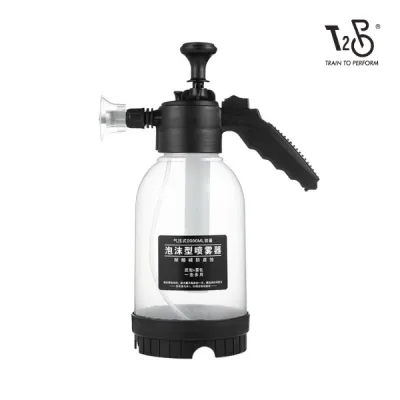
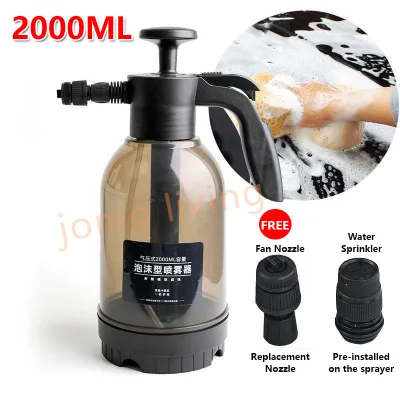
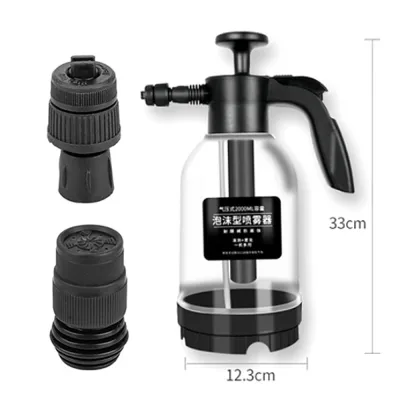
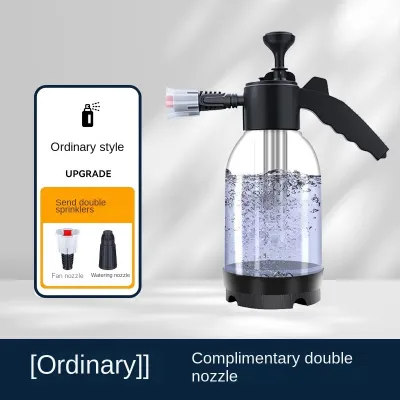
![[30/60/100ml Foam Pump Dispenser] Foam Bottle Empty Foaming Pump Dispenser For Hand Soap Lash Cleanser Shampoo To Travel](https://img.lazcdn.com/g/ff/kf/S0b26ae5727254fc2ba1e6906adbb89d7D.jpg_400x400q80.jpg_.webp)
Prices are valid at publication and may change. Please refer to the product page for the latest price.
For condominium residents, wash bays may have water taps, but management rules often restrict hose lengths, water usage times, and noise levels. Dragging a loud pressure washer to a shared bay might violate estate bylaws, so a quiet, self-contained spray bottle is often necessary. Landed property owners enjoy the greatest flexibility, with direct access to outdoor taps and power outlets, allowing for the use of high-pressure pneumatic systems or dedicated foam cannons.
Vehicle size also dictates your capacity requirements. A standard compact sedan can typically be covered with a 1-litre to 1.5-litre foam solution without needing a refill. However, if you drive a larger sports utility vehicle (SUV) or a multi-purpose vehicle (MPV), a smaller bottle will likely run empty halfway through the pre-wash. Stopping to depressurize, unscrew, refill, mix, and repressurize a bottle mid-wash allows the initial layer of foam to dry on your paintwork under the hot local climate, which can leave unsightly soap spots. Estimating your vehicle’s surface area beforehand ensures you select a bottle with sufficient volume to complete the job in a single, continuous pass.
Evaluating Capacity, Nozzle Design, and Build Quality
When comparing spray foam bottles, physical specifications directly impact both the quality of the foam and your physical comfort during use. The total capacity of the tank must be balanced against the weight of the filled bottle. Water weighs approximately one kilogram per litre; a 2-litre manual pump sprayer, when fully loaded with water and soap concentrate, weighs over two kilograms. Holding this weight at arm’s length while pumping and spraying can quickly cause wrist and shoulder fatigue, especially if the bottle’s handle lacks an ergonomic grip or balanced weight distribution.

Nozzle design is another critical factor that determines how effectively the soap is atomized. Look for bottles that feature adjustable nozzle tips, which allow you to transition between a wide fan spray for broad body panels and a narrow stream for targeting wheel arches and grilles. The internal foaming mechanism—often consisting of small mesh tablets or felt pads—must be capable of mixing air and soap solution thoroughly to create a thick, clinging lather rather than a runny, watery mist.
The durability of the bottle’s materials is paramount for long-term safety and performance. Most consumer-grade sprayers are constructed from high-density polyethylene (HDPE) or polypropylene (PP), which offer decent chemical resistance. However, you should never assume a bottle is safe for all chemicals based on the plastic type alone; always verify the manufacturer’s official specifications regarding chemical compatibility. Strong pre-wash chemicals, such as alkaline traffic film removers or acidic wheel cleaners, can rapidly degrade low-quality plastics, leading to structural failure under pressure.
Finally, inspect the quality of the seals and the pressure relief valve. High-quality sprayers utilize specialized synthetic rubber seals, such as Viton or EPDM, which resist chemical swelling and cracking. A reliable pressure relief valve is a crucial safety feature; it prevents the tank from over-pressurizing during manual pumping or thermal expansion in hot weather, and allows you to safely vent stored pressure before opening the bottle.
Matching Dispenser Types to Your Washing Routine
Understanding the distinct categories of foam dispensers helps you select a tool that aligns with your physical capabilities and setup limitations.
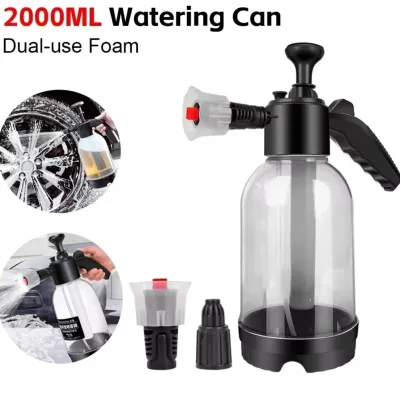
Handheld manual pump sprayers are the most accessible and cost-effective option, with entry-level models often available for under S$50. These bottles require you to manually pump a plunger to compress air inside the chamber, which then forces the liquid through the foaming nozzle. They are highly portable, require no external power or water connections, and fit easily into a car boot organizer. The primary trade-off is physical effort; you must pump the bottle multiple times throughout the wash to maintain the pressure required for a consistent foam pattern. This makes them ideal for spot cleaning, wheel detailing, or occasional washes of smaller vehicles, but less practical for regular maintenance of larger cars.
Pneumatic or compressor-driven foam cannons represent the opposite end of the spectrum. These units do not contain their own pressure source; instead, they must be connected to an external pressure washer or an air compressor. The high-velocity water or air stream draws the soap solution up from the bottle, mixing it instantly to produce a thick, clinging foam that remains on the vehicle for several minutes. While this setup provides a thorough pre-wash, it requires a significant initial investment in equipment, a dedicated outdoor workspace, and access to continuous water and electricity, making it suitable primarily for landed property owners or dedicated detailing enthusiasts.
Electric or battery-operated foam sprayers offer a modern, balanced compromise. These devices feature an integrated, rechargeable lithium-ion battery that powers a small internal air pump. Once turned on, the sprayer automatically maintains a constant operating pressure inside the tank, eliminating the need for manual pumping. This ensures a highly uniform foam pattern from the start of the wash to the end. While they are heavier than manual bottles due to the battery pack and motor, and require regular recharging, they provide a highly convenient, quiet, and portable solution for HDB and condominium residents who want quality foam without the physical strain of manual pumping.
Verifying Soap Compatibility and Vehicle Safety
Using a spray foam bottle safely requires careful attention to the chemicals you put inside it and how you apply them to your vehicle. Different car wash soaps are formulated for specific purposes, ranging from mild, pH-neutral maintenance shampoos to aggressive, high-pH strip washes designed to remove old wax and sealant layers. You must read the soap manufacturer’s label directly to determine the correct dilution ratio for a foam bottle, as these ratios often differ significantly from standard bucket-wash instructions. Guessing the ratio can result in a mixture that is either too weak to clean effectively or too concentrated, which can leave a dull film on your paintwork or damage delicate plastic trims.
Furthermore, you must verify that your chosen soap is chemically compatible with the internal components of your spray bottle. Some specialized wheel cleaners or iron removers contain active ingredients that can corrode brass fittings, harden rubber O-rings, or degrade plastic suction tubes within a few uses. If the bottle manufacturer explicitly warns against using certain chemical classes, such as solvents or highly acidic solutions, those instructions must be strictly followed to prevent premature tool failure or hazardous leaks.
When applying foam, vehicle safety must remain your top priority. Modern vehicles are equipped with an array of sensitive electronic components, including parking sensors, radar units, reversing cameras, and delicate rubber weather seals around windows and doors. High-pressure sprayers or improperly directed foam streams can force water and soap residue past these seals, leading to electrical malfunctions or corrosion. Always maintain a safe distance when spraying near these sensitive areas, and refer to your vehicle’s owner manual for specific washing precautions, especially if you drive an electric vehicle (EV) with specialized charging port seals.
Maintaining and Storing Your Foam Equipment
To ensure your spray foam bottle remains reliable and performs consistently over many years, you must establish a disciplined maintenance and storage routine. The most common cause of foam bottle failure is clogging. Car wash soaps contain surfactants and polymers that, if left to dry inside the bottle, will crystallize and block the tiny passages in the foaming mesh or nozzle tip. To prevent this, always flush the system after every wash. Empty any remaining soap mixture, fill the bottle with a small amount of clean tap water, and spray it for thirty seconds to clear out all internal soap residue.
Depressurizing the tank is another essential step that is frequently overlooked. Leaving a manual or battery-operated bottle pressurized during storage keeps the internal O-rings, seals, and plastic walls under constant mechanical stress. Over time, this can cause the seals to deform, leading to air leaks, or cause the plastic tank to develop micro-cracks. Always pull the pressure relief valve or slowly unscrew the bottle top to vent all remaining air before putting the equipment away.
Finally, pay close attention to where you store your detailing gear. Singapore’s tropical climate features high ambient temperatures and intense ultraviolet (UV) radiation. Storing your foam bottle in direct sunlight on a balcony, or leaving it permanently in a hot car boot, will rapidly accelerate the degradation of the plastic housing and dry out the rubber seals. Store the completely dry, depressurized bottle in a cool, shaded, and well-ventilated indoor cupboard to preserve its structural integrity and extend its operational lifespan.
Frequently Asked Questions (FAQ)
Why is my foam bottle producing watery spray instead of thick foam?
Watery foam is usually caused by an incorrect soap-to-water dilution ratio, insufficient operating pressure, or mineral buildup. First, verify that you have followed the soap manufacturer’s recommended dilution ratio for foam dispensers, as adding too much water will prevent thick lather formation. If you are using a manual pump bottle, ensure you have pumped it enough to reach full operating pressure. Additionally, check the internal foaming mesh or nozzle tip for blockages; dried soap residue or mineral deposits from tap water can disrupt the aeration process, requiring you to clean or replace the foaming filter.
Can I use regular household dish soap in a car wash foam bottle?
You should avoid using household dish soap in an automotive foam bottle or on your vehicle’s paintwork. Dish soaps are specifically formulated to strip away grease and food oils, which means they will also strip away protective automotive waxes, paint sealants, and ceramic coatings. Regular use of dish soap can dry out rubber window seals, accelerate the fading of plastic trims, and leave the paint unprotected against UV damage and environmental contaminants. Always use pH-neutral automotive shampoos designed specifically for vehicle surfaces and foam dispensers.
How do I safely dispose of leftover soapy water from the bottle?
To dispose of leftover soapy water safely, you should heavily dilute the mixture with clean water and pour it down a designated household drain or a wash bay drain connected to the municipal sewerage system. Avoid pouring soapy water directly into outdoor storm drains or rainwater grates, as these channels often lead directly to local waterways, canals, or reservoirs without undergoing water treatment. If you have a significant amount of mixture left, consider storing it in a sealed container for your next wash, provided the soap manufacturer does not advise against pre-mixing.
Community discussion
Share your experience or ask a question. Comments are reviewed before publication.