
Choosing the right spray foam bottle for car interior cleaning is critical for protecting delicate surfaces like leather, alcantara, and woven fabrics. Applying liquid cleaners directly can cause oversaturation, water staining, and prolonged drying times. A dedicated foaming bottle transforms liquid chemicals into a rich, stable foam that clings to vertical surfaces, allowing active ingredients to lift dirt without soaking deep into seat cushions or sensitive electronics. To find the ideal bottle, you must evaluate specific mechanical features, material compatibilities, and ergonomic designs suited for a confined vehicle cabin.
Decoding Nozzle Design and Foam Output Specs
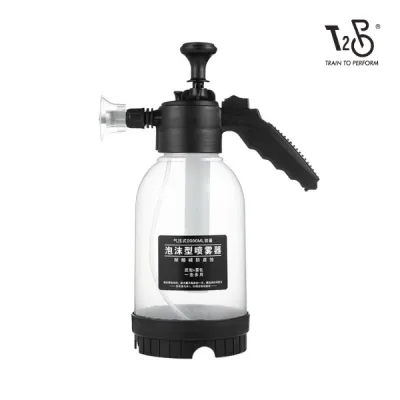
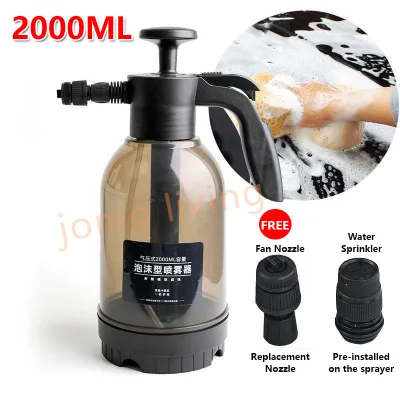
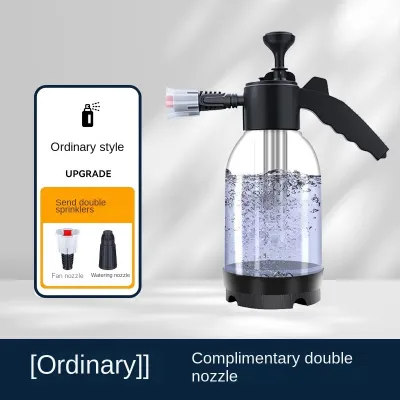
The heart of any foaming bottle is its nozzle assembly, which determines the density and consistency of the output. Unlike standard sprayers that atomize liquid into a wet mist, a foaming nozzle relies on an internal mesh screen. As you pull the trigger, the liquid cleaner is forced through this fine screen along with ambient air, creating a thick, clinging foam. Look for bottles with high-quality stainless steel or durable plastic mesh screens, as these resist chemical corrosion and maintain consistent aeration over time.
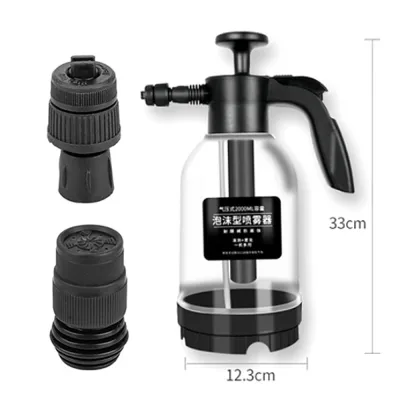
Adjustable nozzle settings are equally important for navigating diverse cabin surfaces. A versatile bottle should allow you to transition between a wide fan pattern and a concentrated stream. A wide fan is highly efficient for covering large areas like fabric seats or carpets, ensuring even coverage without wasting product. Conversely, a narrow stream helps target specific spots, deep seams, or leather stitching without overspraying onto adjacent plastics, glass, or delicate infotainment screens.
Products mentioned in this guide
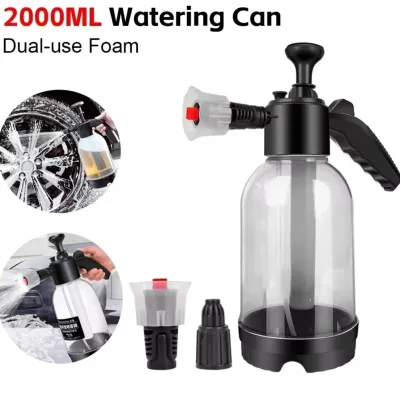
![[30/60/100ml Foam Pump Dispenser] Foam Bottle Empty Foaming Pump Dispenser For Hand Soap Lash Cleanser Shampoo To Travel](https://img.lazcdn.com/g/ff/kf/S0b26ae5727254fc2ba1e6906adbb89d7D.jpg_400x400q80.jpg_.webp)
Prices are valid at publication and may change. Please refer to the product page for the latest price.
Foam consistency also relies heavily on the chemical formulation and dilution ratio of your interior cleaner. Before purchasing, consult the instructions on your leather or fabric cleaner to verify if it is formulated to foam and what dilution ratio is recommended. Some heavy-duty cleaners require precise water-to-chemical ratios to generate stable foam; using an incorrect mixture can result in either a watery run-off or a thick clog that stalls the nozzle.
Verifying Material Compatibility and Chemical Resistance
Car interior cleaners range from pH-neutral leather soaps to highly alkaline fabric degreasers. Because these chemicals remain in contact with the bottle, selecting a chemically resistant material is crucial to prevent cracking or leaching. Inspect the resin identification code molded into the bottom of the bottle. High-Density Polyethylene (HDPE, code 2) and Polyethylene Terephthalate (PET, code 1) are the industry standards for detailing bottles due to their excellent resistance to surfactants, mild acids, and alkaline solutions.

The internal components, such as the dip tube, pump piston, and O-rings, are constantly exposed to concentrated chemicals. When evaluating a spray foam bottle, check the manufacturer’s specifications for the types of seals used. Fluoropolymer elastomers (Viton) or Ethylene Propylene Diene Monomer (EPDM) gaskets are highly recommended. Viton seals offer superior resistance to acidic cleaners and organic solvents, while EPDM seals are highly durable when exposed to alkaline cleaners. Standard rubber seals will quickly swell or crack, leading to pressure loss and leaks.
Always cross-reference the material specifications of the bottle with the warning labels on your interior cleaners. Some specialized solvent-based spot removers may explicitly warn against storage in certain plastics. If you plan to store diluted chemicals in the bottle between detailing sessions, ensure the bottle material is rated for long-term chemical storage to avoid structural weakening.
Assessing Capacity and Ergonomic Specifications
Maneuvering inside a car cabin requires working in tight, awkward spaces, making the physical dimensions and weight of your foaming bottle a primary usability factor. While a large-capacity bottle reduces the need for frequent refills, the weight of the liquid can cause hand and wrist fatigue during an extended detailing session. For most interior detailing tasks, a bottle capacity between 500 milliliters and 1 liter offers the ideal balance, providing enough cleaning solution to complete a standard sedan interior while remaining light enough to handle comfortably.
Ergonomic design features are essential for maintaining control when spraying at unusual angles, such as reaching under seats or into footwells. Look for bottles with textured grip zones, contoured finger grooves, and a balanced center of gravity. The trigger mechanism should be wide enough to accommodate two or three fingers to distribute the squeezing force. Additionally, some advanced foaming bottles feature a 360-degree spray capability, utilizing a weighted flexible dip tube that allows the bottle to spray consistently even when held completely upside down.
Finally, consider the physical footprint of the bottle for storage. A bottle with a wide, stable base is less likely to tip over in your detailing caddy or trunk organizer, preventing accidental spills on your car’s carpet. Compact, slender bottle profiles are also easier to slide into door pockets if you prefer to keep a quick-detailing kit on hand.
Inspecting Seal Integrity and Leak-Prevention Features
A leaking spray bottle poses a direct risk to your car’s interior, as chemical drips can permanently stain delicate leather or short-circuit sensitive electronic components. To prevent these hazards, closely inspect the seal integrity of any bottle before use. Look for deep, clean threads on both the bottle neck and the sprayer collar. A shallow or poorly molded thread can easily cross-thread, leading to a weak seal that leaks when the bottle is shaken or when pressure builds up inside.
A high-quality gasket or sealing ring inside the sprayer collar is non-negotiable to create an airtight and watertight barrier. Additionally, check for a reliable trigger lock or safety switch. A trigger lock prevents accidental discharge during transport in a moving vehicle, where sudden stops could compress the trigger. For pressurized pump-up foamers, a built-in safety relief valve is also crucial to prevent over-pressurization, which can damage the seals or cause the bottle to rupture.
Before filling a new bottle with expensive detailing chemicals, perform a quick physical inspection. Check for any manufacturing defects, such as thin spots in the plastic, rough edges on the threads, or a weak trigger spring. Testing the bottle first with clean water allows you to verify the seal integrity and adjust the nozzle pattern without wasting your cleaning products.
Frequently Asked Questions (FAQ)
Can I use a standard trigger sprayer instead of a dedicated foaming bottle?
While you can physically spray some interior cleaners through a standard trigger sprayer, it is highly inefficient for leather and fabric. Standard sprayers release a wet, liquid mist that quickly runs down vertical surfaces and can easily oversaturate fabrics, leading to mold or water stains deep inside the seat cushions. A dedicated foaming bottle aerates the cleaner, creating a stable foam that clings to the surface. This increases the chemical’s dwell time, allowing it to break down dirt safely on the surface while using significantly less liquid, resulting in faster drying times.
How do I clean and maintain the foaming nozzle to prevent clogging?
To prevent chemical residues from drying and clogging the delicate internal mesh screen, you should flush the foaming nozzle after every detailing session. Empty any remaining cleaner from the bottle, rinse it thoroughly, and fill it with clean, warm water. Spray the warm water through the nozzle for at least thirty seconds, or until the output is completely clear and free of foam. If the nozzle becomes clogged, disassemble the spray head according to the manufacturer’s instructions, remove the mesh screen, and soak it in warm water to dissolve any dried surfactant buildup before reassembling.
Community discussion
Share your experience or ask a question. Comments are reviewed before publication.