
The features worth paying for in a replacement car side view mirror depend entirely on your vehicle’s original factory specifications and your daily driving environment. In a dense, tropical environment like Singapore, features like power folding (for tight parking spaces) and heated glass (for heavy rain visibility) offer exceptional real-world value. However, the golden rule of mirror replacement is exact parity—if your car came with advanced safety systems like blind spot monitoring or memory settings, you must choose a replacement mirror that supports those exact features to avoid system errors and safety hazards.
OEM vs. Aftermarket: Setting Your Baseline for Replacement
To make a smart purchase, you must first understand where your replacement part comes from. Original Equipment Manufacturer (OEM) mirrors are produced either by your car’s manufacturer or by the licensed supplier that built the original parts for your vehicle assembly line. These parts are designed to be identical in material, fit, finish, and electronic compatibility to the mirror your car had when it rolled off the showroom floor.
Choosing OEM parts guarantees exact feature parity. If your car features integrated blind spot detection, electrochromic auto-dimming, and synchronized power-folding motors, an OEM replacement ensures these systems communicate flawlessly with your vehicle’s central computer. However, this precision comes at a premium price. In Singapore, an OEM mirror assembly can easily range from S$300 for a standard sedan to well over S$1,500 for a luxury continental SUV, excluding workshop installation fees.
Products mentioned in this guide
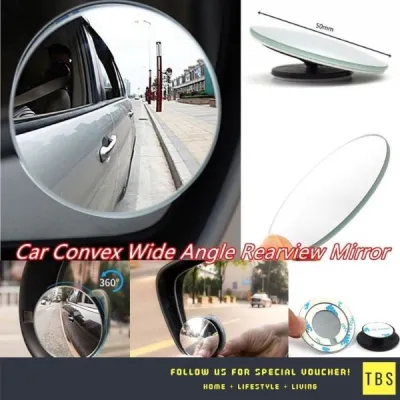


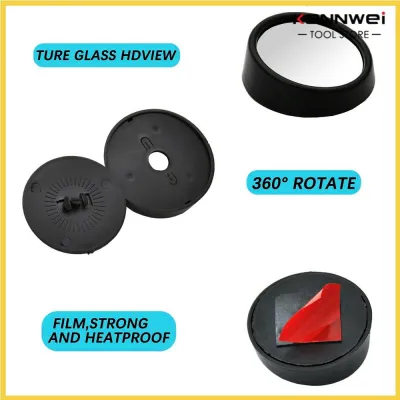
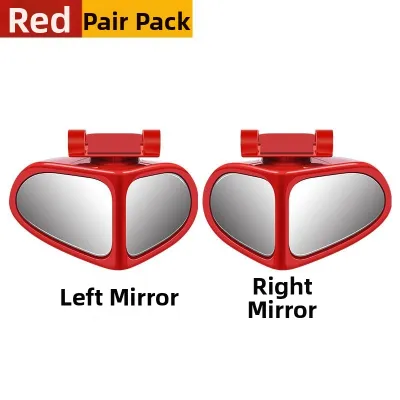

![[SG] [FREE SHIP] 2 Pcs in Box Car Blind Spot Mirror (Type A) Side View Mirror Wide Angle Drive Easy Small Round 360 View](https://img.lazcdn.com/g/p/5b915afb52d35ddb54b56834351d6a62.jpg_400x400q80.jpg_.webp)
Prices are valid at publication and may change. Please refer to the product page for the latest price.
Aftermarket mirrors, on the other hand, are produced by third-party manufacturers. These options are highly cost-effective, often costing a fraction of the OEM price, making them attractive for budget-conscious drivers or owners of older vehicles. However, aftermarket options require careful scrutiny. While basic manual or standard power-adjust aftermarket mirrors are generally reliable, cheaper alternatives can suffer from compromises in build quality, such as thinner plastic housings that vibrate at highway speeds, or lower-quality glass that distorts distance perception.
Furthermore, advanced electronic integrations can be a major pain point with low-end aftermarket mirrors. If the internal wiring or resistance values do not match your vehicle’s factory specifications, your car’s electronic control unit (ECU) may fail to recognize the new unit, rendering features like blind spot indicators or heating elements useless.
To decide between the two, use a simple decision framework. If your vehicle is equipped with advanced driver-assistance systems (ADAS) or complex electronic features, prioritize OEM or certified high-quality aftermarket parts from reputable brands that explicitly guarantee compatibility with your specific vehicle model and year. If you drive an older, out-of-warranty vehicle with basic manual adjustments or simple power glass, a standard aftermarket mirror is a highly practical and economical choice that will serve you well without unnecessary expense.
Manual vs. Power: Evaluating Adjustment and Folding Features
The mechanism by which your side view mirror adjusts and folds is fundamental to your daily driving comfort and safety.

Power adjustment, which allows you to tilt the mirror glass using a switch on your door panel or dashboard, has become the modern baseline for almost all vehicles. While it might be tempting to save money by replacing a broken power-adjust mirror with a cheaper, fully manual alternative, doing so is a significant downgrade. Beyond the obvious loss of convenience, a manual mirror prevents you from making quick, safe adjustments on the move—such as tilting the passenger-side mirror downward to check the curb while parking.
In Singapore’s unique driving landscape, power-folding mirrors are not a luxury; they are a near-necessity. Navigating tight Central Business District (CBD) streets, squeezing through narrow lanes, and parking in dense Housing & Development Board (HDB) multi-storey car parks require maximum spatial awareness. Protruding mirrors are highly vulnerable to being clipped by passing vehicles, cyclists, or adjacent parked cars. A power-folding feature allows you to tuck your mirrors safely against the car body at the touch of a button or automatically when locking the vehicle, drastically reducing the risk of expensive cosmetic or structural damage.
If your vehicle features seat memory settings, your side view mirrors are likely integrated into this system. When you or another driver select a saved driving profile, the mirrors automatically adjust to the pre-set angles. If you replace your mirror with a unit that does not support memory functions—even if it has power adjustment—you will lose this synchronization. Always verify whether your car’s original mirrors have memory feedback sensors before purchasing a replacement.
This brings us to the “no downgrade” rule of automotive mirror replacement: always match or exceed the motorized capabilities of your original factory mirrors. Attempting to install a mirror with fewer electronic capabilities than the original can lead to open circuits, dashboard warning lights, and compromised safety. Conversely, trying to upgrade a manual car to power-adjusting or power-folding mirrors is rarely a plug-and-play process; it typically requires extensive door panel modifications, new wiring harnesses, and potentially costly ECU programming.
Visibility Upgrades: Heated Glass and Auto-Dimming for Local Conditions
When browsing replacement mirrors, you will encounter visibility-enhancing features that are often marketed for cold climates but have surprising utility in tropical environments.
Heated mirrors are a prime example. In North America or Europe, heated glass is primarily used to melt ice and snow. In Singapore, however, the primary value of heated mirrors is their ability to rapidly evaporate heavy rainwater during sudden tropical downpours and clear morning condensation or humidity-induced fog. When your windows and mirrors fog up in high-humidity conditions, activating the rear demister (which typically controls the heated side mirrors as well) restores clear rearward visibility in a matter of minutes, significantly improving safety during wet-weather driving.
Another highly valuable visibility feature is auto-dimming, also known as electrochromic glass. This technology uses built-in sensors to detect glare from the headlights of trailing vehicles at night, automatically darkening the mirror glass to protect your eyes from being dazzled. This feature is typically integrated into the driver-side mirror and the interior rearview mirror. If you frequently drive at night or commute along poorly lit expressways where tailgating or high-beam misuse is common, maintaining an auto-dimming side mirror is incredibly beneficial for reducing eye strain and maintaining situational awareness.
When performing a cost-benefit analysis on these upgrades, consider your driving patterns. The cost premium for choosing a replacement mirror with heated glass is usually very minor, making it a highly recommended selection for anyone driving in Singapore’s high-rainfall climate. Auto-dimming glass, however, carries a more substantial price premium due to the advanced chemical layers and sensors involved. It is an invaluable investment if you are a frequent night driver, but it may be a feature you can deprioritize if your driving is strictly limited to daylight hours and your budget is tight.
Safety Tech: Blind Spot Monitoring and Turn Signal Integration
Modern side view mirrors are no longer just pieces of reflective glass; they are critical housing units for advanced driver-assistance systems (ADAS) and vehicle signaling.
Blind Spot Monitoring (BSM) Integration
Blind Spot Monitoring (BSM) systems rely on radar or camera sensors mounted in the rear bumper or the mirror housing itself, which project warning icons directly onto the mirror glass or the plastic bezel inside the door. When a vehicle enters your blind spot, these icons illuminate to warn you against changing lanes.
If your car is equipped with BSM, installing a standard replacement mirror that lacks the proper electronic integration will disable the entire system. Your vehicle’s computer will detect a missing sensor or indicator module, trigger an immediate dashboard warning light, and shut down the blind spot safety net. This compromises your safety on multi-lane expressways like the PIE or AYE. Before purchasing any replacement mirror, you must verify that the product description explicitly states “BSM compatible” and includes the correct wiring connections and indicator icons to match your vehicle’s factory system.
Turn Signals and Puddle Lamps
Many modern mirrors feature integrated LED turn signals on the outer housing. These indicators are highly effective at alerting adjacent drivers, motorcyclists, and cyclists of your intention to turn or change lanes, especially when they are positioned alongside your vehicle where your rear indicators might be obscured.
Puddle lamps, or courtesy lights, are another common integration. Located on the underside of the mirror housing, these lamps cast a pool of light onto the ground next to the car doors when you unlock the vehicle. This is particularly useful in dark parking garages or during evening rainstorms, helping you avoid stepping into deep puddles or tripping over obstacles.
Both integrated turn signals and puddle lamps require specific wiring harnesses to function. If you purchase a replacement mirror that features these lights but your car was not originally wired for them, they will not work without complex custom wiring. Conversely, if your car has these features and you buy a cheaper replacement without them, you will lose these safety functions and may trigger electrical faults in your vehicle’s lighting control module.
Pre-Purchase Checklist: Pin Counts, Wiring, and Installation Safety
To ensure you purchase the correct replacement car side view mirror and install it without damaging your vehicle, you must follow a strict verification and safety protocol.
Verifying Pin Counts and Wiring Harnesses: One of the most common mistakes buyers make is assuming that matching the vehicle’s year, make, and model is sufficient. Car manufacturers often use different wiring configurations for the same model depending on the trim level. To guarantee compatibility, you must count the pins on your original mirror’s electrical connector. For instance, a basic power-adjust mirror might use a 3-pin or 5-pin connector, while a mirror with heating, power-folding, and turn signals might require a 9-pin or 14-pin connector. Attempting to force a mismatched connector into your vehicle’s harness can result in short circuits, blown fuses, or permanent damage to your car’s electronic control modules.
Finding the Exact Part Number: The most reliable way to ensure 100% compatibility is to obtain your vehicle’s exact original part number. You can find this by carefully removing the door panel trim to access the mirror mounting bracket, where a manufacturer sticker or stamped part number is typically located on the backplate or internal frame. Alternatively, you can contact an authorized dealer or a reputable automotive parts specialist and provide your vehicle’s unique Vehicle Identification Number (VIN). They can use this to pull your car’s precise factory build sheet and identify the exact part number required.
DIY vs. Professional Installation Boundaries: Before attempting to install your replacement mirror, it is crucial to understand the safety and technical boundaries of the job.
Safe for DIY: If your car uses basic manual mirrors or simple power-adjust mirrors with straightforward plug-and-play connectors, you can generally perform the replacement yourself. Ensure you consult your vehicle’s official service manual for step-by-step instructions on removing the interior door panels without breaking the plastic retaining clips. Always disconnect the vehicle’s battery before handling any electrical connectors.
Require Professional Help: If your side view mirrors are equipped with advanced electronics such as BSM, heated glass, auto-dimming, or integrated memory systems, you should seek professional assistance. These advanced systems often require specialized calibration tools to ensure the blind spot radar and camera systems are aligned correctly. A qualified automotive workshop in Singapore has the diagnostic equipment needed to clear any stored fault codes, properly route complex door wiring harnesses, and ensure that your new mirror integrates seamlessly with your vehicle’s safety systems without voiding your manufacturer warranty or insurance coverage.
Frequently Asked Questions (FAQ)
Can I upgrade my manual car side view mirror to a power-folding one?
While physically mounting a power-folding mirror to your car door is possible, upgrading from a manual setup is highly complex and rarely cost-effective. You would need to purchase and install the motorized mirror assemblies, replace your interior door trim to accommodate the new folding switch, run custom wiring harnesses through the door jambs to the main fuse box, and potentially reprogram your vehicle’s electronic control unit (ECU). Because of the extensive labor and parts costs involved, it is usually far more practical to maintain your original manual setup or consider upgrading to a vehicle that has these features pre-installed from the factory.
Will an aftermarket mirror trigger a blind spot detection warning light?
Yes, if you install an aftermarket mirror that is not fully compatible with your vehicle’s Blind Spot Monitoring (BSM) system, it will trigger a dashboard warning light. The vehicle’s computer continuously monitors the electrical resistance and communication lines of its safety sensors. If the replacement mirror lacks the integrated BSM indicator module or uses a wiring harness with mismatched pins, the computer will interpret this as a system fault. This will illuminate a warning light on your instrument cluster and disable the blind spot monitoring system entirely until a fully compatible mirror is installed and the system is electronically reset.
How do I find the exact part number for my replacement mirror?
The most precise way to find your replacement mirror’s part number is to inspect the physical unit itself. By removing the interior plastic cover on the inside of the door frame, you can access the mounting bolts and gently pull the mirror assembly back to reveal the manufacturer’s sticker or stamped part number on the mounting base or inner frame. If you prefer not to disassemble your door, you can call an authorized dealership or a specialized auto parts supplier and provide them with your vehicle’s 17-character Vehicle Identification Number (VIN). They can look up your vehicle’s exact build configuration and provide the precise factory part number.
Community discussion
Share your experience or ask a question. Comments are reviewed before publication.