
Finding the best rear spoiler for your BMW X2 depends on matching your vehicle’s specific generation, selecting a style that complements its crossover profile, and choosing a material that can withstand local environmental conditions. Because the BMW X2 has transitioned through distinct design phases, there is no single universal spoiler that fits all model years. Instead, the ideal option is one that aligns with your aesthetic goals—whether that is a subtle tailgate lip or a more pronounced roof extension—while strictly adhering to the physical dimensions and mounting requirements of your specific chassis.
Evaluating aftermarket exterior accessories requires a balance of design appreciation and technical verification. A rear spoiler can dramatically enhance the sporty, aggressive stance of the X2, but a mismatch in fitment or a poor installation can lead to costly body damage or safety hazards on the road. By understanding the available styles, verifying your vehicle’s chassis code, and assessing the installation complexity, you can confidently select an upgrade that elevates your vehicle’s appearance without compromising its structural integrity.
Understanding BMW X2 Spoiler Styles and Aerodynamics
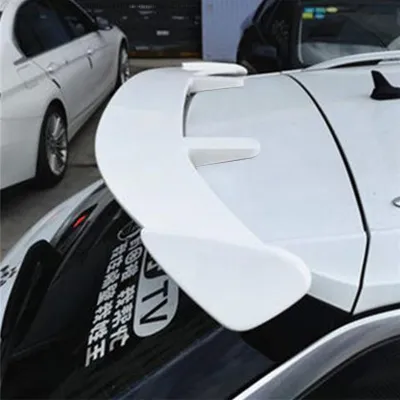
The BMW X2 is classified as a Sports Activity Coupe (SAC), a design that blends the elevated ride height of an SUV with the sloping roofline of a coupe. This unique silhouette means that aftermarket spoilers can be mounted in different positions, each creating a distinct visual impact. The most common styles available for the X2 include roof spoilers, tailgate lip spoilers, and raised wings.
Products mentioned in this guide
Prices are valid at publication and may change. Please refer to the product page for the latest price.
Roof spoilers are designed to mount at the very top edge of the rear hatch, extending the existing roofline outward. This style elongates the vehicle’s profile, making the X2 appear lower and more aggressive from the side and rear. Tailgate lip spoilers, on the other hand, are smaller, more subtle accents that attach to the mid-gate area or the lower edge of the rear glass. These lips add a sharp, clean crease to the rear deck without dramatically altering the car’s overall shape. Raised wings are much more pronounced, elevating the spoiler blade above the bodywork on pedestals, though these are less common on crossovers and are typically reserved for highly customized, track-inspired builds.
At typical urban commuting speeds and standard highway limits, the aerodynamic benefits of an aftermarket rear spoiler are almost entirely cosmetic. While high-performance, wind-tunnel-tested wings can theoretically alter downforce and air separation at extreme speeds, standard aftermarket options for a daily-driven crossover like the X2 are designed primarily for visual enhancement. They smooth out the visual transition at the rear of the vehicle rather than providing measurable performance advantages.
Before choosing a style, it is essential to evaluate how the spoiler will interact with the X2’s existing body lines and functional components. A larger roof spoiler must not interfere with the rear windshield wiper’s sweep path or block the high-mount third brake light, which is a critical safety feature. Additionally, the spoiler must clear the roof-mounted shark-fin antenna when the tailgate is fully opened. Checking these clearances in the product specifications or consulting with the manufacturer before purchasing prevents functional interference after installation.
Verifying Fitment: Chassis Codes and Model Years
The most critical step in purchasing a rear spoiler is ensuring absolute compatibility with your specific BMW X2 model. Relying solely on the generic “BMW X2” name is a common mistake that often results in receiving a part that cannot be mounted. BMW has produced the X2 across two distinct generations, each featuring completely different body dimensions and tailgate designs.

The first-generation BMW X2, designated by the chassis code F39, was produced from 2018 to 2023. It features a more rounded, hatchback-like rear profile. The second-generation X2, designated by the chassis code U10, was introduced for the 2024 model year and features a fastback, coupe-SUV silhouette with a much more steeply raked rear window and a redesigned tailgate. Because the curvature of the glass, the angle of the roofline, and the width of the tailgate differ entirely between the F39 and the U10, a spoiler designed for one generation will not physically fit the other.
Beyond the generational divide, you must also account for specific trim levels and factory aerodynamic packages. Models equipped with the M Sport, M Sport X, or the high-performance M35i trims often come from the factory with a unique rear spoiler or a different tailgate trim contour compared to standard base models. Some aftermarket spoilers are designed to fit directly over the existing factory M Sport spoiler, while others require its complete removal or are only compatible with the flatter, standard non-M Sport tailgate.
To ensure a perfect match, use this systematic checklist before placing an order:
- Identify your vehicle's exact model year and production month.
- Locate your vehicle's chassis code (F39 or U10) via the vehicle identification number (VIN) or registration documents.
- Determine if your car has the M Sport, M Sport X, or standard exterior package.
- Cross-reference these details with the manufacturer's fitment guide, looking for explicit compatibility statements rather than generic model names.
Material Choices and Durability Considerations
Aftermarket rear spoilers are manufactured from several different materials, each offering a unique balance of weight, flexibility, cost, and finishing requirements. Understanding these material properties is essential for selecting a product that matches your budget and long-term durability expectations.
Acrylonitrile Butadiene Styrene (ABS) plastic is one of the most common materials used for aftermarket body components. It is highly impact-resistant, relatively lightweight, and cost-effective. ABS spoilers are typically injection-molded, resulting in highly consistent dimensions and smooth surfaces that are easy to prep, prime, and paint. Polyurethane (PU) is another popular option, prized for its extreme flexibility and durability. Polyurethane spoilers can bend and flex without cracking, making them highly forgiving during installation and resistant to minor impacts. However, they are generally heavier than ABS and require specialized prep work to ensure paint adheres properly over time.
Fiberglass (often referred to as Fiber Reinforced Plastic, or FRP) is a rigid, lightweight material that has been a staple of the aftermarket industry for decades. While FRP spoilers are often highly affordable, they can be brittle and may exhibit slight surface imperfections from the molding process. Consequently, they usually require professional sanding, priming, and painting to achieve a smooth, factory-like finish. Carbon fiber represents the premium end of the spectrum. It offers an distinctive woven aesthetic, exceptional rigidity, and minimal weight. Carbon fiber spoilers are typically pre-finished with a glossy clear coat, allowing the raw weave pattern to remain visible as a high-tech styling cue.
In tropical climates characterized by intense sunlight, high UV radiation, and heavy downpours, material durability is a primary concern. Prolonged exposure to intense sun can cause low-quality plastics to warp or become brittle, while cheap carbon fiber resins can turn yellow, cloudy, or begin to delaminate. If your vehicle is frequently parked outdoors, look for spoilers that specify the use of high-quality, UV-resistant clear coats or plan to have the spoiler painted with automotive-grade paint that includes UV inhibitors. Routine maintenance, such as applying a high-quality wax or ceramic sealant, will also help preserve the finish against environmental degradation.
Installation Methods and Safety Boundaries
How a rear spoiler is mounted to your BMW X2 affects not only the ease of installation but also the long-term safety of your vehicle. Mounting methods generally fall into two categories: non-invasive adhesive installations and permanent mechanical installations.
Non-invasive mounting relies on high-strength, double-sided automotive tape, such as 3M VHB, often supplemented by a liquid adhesive sealant. This method is highly popular for lightweight lip spoilers and small roof extensions because it requires no drilling or permanent modification to the vehicle’s bodywork. The key to a successful adhesive installation is meticulous surface preparation. The mounting area on the tailgate must be completely free of wax, polish, grease, and dirt. Cleaning the surface thoroughly with isopropyl alcohol and applying the tape in warm, dry conditions ensures a secure bond that can withstand highway speeds and automatic car washes.
Permanent mounting involves drilling holes through the tailgate to secure the spoiler with bolts and nuts. This method is typically required for larger, heavier roof spoilers or raised wings that experience higher aerodynamic loads. While a bolted installation provides maximum security, it carries significant risks if performed incorrectly. Drilling into the tailgate can compromise the vehicle’s corrosion protection, potentially leading to rust around the bolt holes. Furthermore, if the holes are not perfectly sealed with rubber grommets or automotive-grade silicone sealant, rainwater can seep into the tailgate structure, damaging electrical wiring for the rear lights, wiper motor, or backup camera.
Improperly secured spoilers pose a severe safety hazard. If a spoiler detaches at high speeds, it can cause immediate damage to your vehicle’s paint and rear glass, and more importantly, it becomes a highly dangerous projectile for trailing traffic on the road.
To ensure safety, establish clear boundaries for DIY attempts. If the installation instructions for your chosen spoiler require drilling into the metal or composite tailgate, modifying the original wiring for the third brake light, or removing complex interior tailgate trim panels, stop and consult a qualified automotive body shop. Professional installation ensures structural integrity, proper weatherproofing, and compliance with local road safety regulations.
Sourcing Options and Pre-Purchase Verification
Finding a reliable source for your BMW X2 rear spoiler requires evaluating different retail channels and verifying product claims to avoid low-quality replicas or incorrect fitments. Sourcing options range from official dealerships to specialized aftermarket retailers and general online marketplaces.
Official BMW dealerships and authorized parts distributors offer original equipment manufacturer (OEM) accessories, such as the BMW M Performance line. While these parts carry a premium price tag, they guarantee perfect fitment, factory-grade material quality, and compatibility with your vehicle’s warranty. Specialized automotive aftermarket shops focus on curated, high-quality third-party brands. These retailers often provide detailed customer support and can verify fitment based on your VIN before shipping. General online marketplaces and ecommerce platforms offer a wide variety of budget-friendly choices, but they require extra vigilance from the buyer.
When browsing online listings, watch out for common red flags. Avoid products that use generic descriptions like “fits all BMW X2 models” without specifying the F39 or U10 chassis codes. Be cautious of listings that use vague material terms such as “carbon style” or “carbon look” when you are seeking genuine carbon fiber, as these are often cheap plastic parts with a printed pattern. A lack of clear return policies or missing manufacturer contact information should also prompt caution.
Before completing your purchase, verify the seller’s reputation by reading independent customer reviews and looking for photos uploaded by actual buyers. Seeing the product installed on an identical X2 trim level provides valuable confirmation of fitment and visual appeal. If you have any doubts about compatibility, contact the seller directly to request the exact dimensions, mounting templates, and a copy of the installation instructions before committing to the purchase.
Frequently Asked Questions (FAQ)
Will adding an aftermarket rear spoiler void my BMW warranty?
In general, installing a non-invasive aftermarket rear spoiler using double-sided automotive tape will not void your overall BMW factory warranty. Under standard consumer protection regulations, a manufacturer cannot void a vehicle’s warranty simply because aftermarket parts are installed, unless they can prove that the aftermarket component directly caused a failure. However, any damage caused directly by the spoiler—such as paint damage from improper adhesive removal or water leaks resulting from a drilled installation—will not be covered under the factory warranty. If you are concerned about warranty implications, it is highly recommended to consult your local authorized dealership or review your official warranty documentation for definitive, case-by-case guidance.
Do I need to repaint an ABS or fiberglass spoiler before installation?
Yes, most ABS plastic and fiberglass (FRP) spoilers are shipped in a raw, unpainted black finish or with a basic primer coat. To protect the material from UV degradation and ensure a cohesive look, these spoilers must be primed, painted, and clear-coated before installation. Installing an unpainted primer-coated spoiler will lead to rapid fading, chalking, and material degradation under sun exposure. For the best results, it is highly recommended to have a professional automotive paint shop match the spoiler to your BMW’s factory paint code. This ensures color consistency, a high-quality finish, and long-term durability. Conversely, genuine carbon fiber spoilers typically arrive pre-finished with a glossy, UV-resistant clear coat and do not require painting.
Community discussion
Share your experience or ask a question. Comments are reviewed before publication.