
Choosing a motorcycle helmet in Singapore requires balancing your personal budget with strict safety standards and a precise physical fit. Whether you are looking at entry-level options, mid-range gear, or premium models, every helmet worn on local roads must meet recognized safety benchmarks to protect you effectively. By understanding what features to prioritize at different price points—and how to verify the authenticity of brands like Helmigs—you can secure a helmet that offers excellent protection, comfort, and value for your daily commute or weekend rides. Navigating the local market involves looking beyond aesthetics to evaluate structural integrity, certification marks, and long-term maintenance costs.
Establishing Your Baseline: Safety Certifications and Proper Fit
Before looking at price tags, graphics, or brand names, you must establish a non-negotiable baseline centered on safety certifications and physical fit. A helmet’s primary job is to absorb impact energy during a collision, a task managed by the outer shell and the inner expanded polystyrene (EPS) liner. To ensure a helmet can perform this life-saving function, you must physically verify the presence of recognized safety certification labels. Look for labels such as ECE 22.05 or ECE 22.06, DOT, or SNELL sewn onto the chin strap or affixed to the rear of the helmet shell. These marks indicate that the helmet model has undergone rigorous impact, penetration, and retention testing.
Proper fit is just as critical as safety certification; even the most expensive premium helmet cannot protect you if it slides off your head or shifts during an impact. To find your correct size, use a flexible measuring tape to measure the circumference of your head at its widest point, which is typically about 2.5 centimeters above your eyebrows and directly above your ears. Compare this measurement to the specific sizing chart provided by the manufacturer, as sizing can vary significantly between different brands.
Products mentioned in this guide
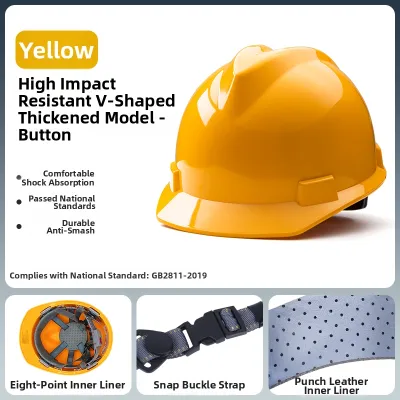
Prices are valid at publication and may change. Please refer to the product page for the latest price.
In addition to circumference, you must identify your head shape, which generally falls into three categories: round oval, intermediate oval, or long oval. A helmet designed for a round oval head will cause painful pressure points on the forehead of someone with a long oval head, while a mismatch in the other direction can cause the helmet to wobble from side to side. When trying on a helmet, it should feel snug all around your head, pressing gently against your cheeks without causing sharp pain or headaches. Remember that a well-fitting budget helmet is vastly safer than a loose or poorly shaped premium helmet, meaning correct sizing must never be compromised to save money or secure a specific aesthetic.
Mapping Your Budget: Feature Priorities and Acceptable Trade-offs
Establishing a clear budget framework helps you allocate your funds toward the features that matter most for your riding style while identifying acceptable trade-offs. At the entry-level tier, your primary focus should be on securing basic safety and reliable construction. Entry-level helmets typically utilize injection-molded polycarbonate shells, which are highly durable and excellent at absorbing impacts, though they tend to be heavier than composite materials. At this price point, look for functional, simple ventilation ports and a clear, scratch-resistant visor. Be highly cautious of unknown, unbranded helmets sold on online marketplaces; if a deal seems too good to be true and lacks verifiable safety labels, it is highly likely to fail during an accident.

Stepping up to a mid-range budget unlocks significant upgrades in comfort, materials, and convenience. In this tier, manufacturers often transition to lighter composite materials, such as fiberglass blends, which reduce overall weight and minimize neck strain during long rides. Mid-range helmets also introduce highly practical features like quick-release visor mechanisms that allow you to swap shields without tools, integrated drop-down sun visors, and fully removable, moisture-wicking interior liners. Having a washable liner is particularly valuable in Singapore’s hot, humid climate, as it allows you to maintain hygiene and prevent odor buildup over years of daily commuting.
For riders with a premium budget, helmets offer advanced engineering, specialized materials, and high-end safety innovations. Premium models often feature lightweight carbon fiber or advanced multi-composite shells designed using wind-tunnel testing to optimize aerodynamics and minimize wind noise at high speeds. These helmets frequently include emergency cheek pad release systems, which allow emergency medical personnel to safely remove the helmet without straining the rider’s neck. They also feature dedicated cutouts and channels designed to seamlessly accommodate Bluetooth communication systems and speakers without compromising the comfort of the EPS liner.
If you need to keep costs down, you can make several smart, acceptable trade-offs that do not compromise your physical safety. For instance, choosing a solid, plain color or a simple graphic design instead of a complex, licensed racer replica graphic can save you a substantial amount of money on the exact same helmet shell. Additionally, opting for a traditional double D-ring strap fastener over a micro-metric quick-release buckle is an excellent way to save money; double D-ring fasteners are highly secure, mechanically simple, and widely preferred by safety experts, making them a cost-effective and safe choice.
Evaluating Specific Options: Assessing Helmigs and Comparable Brands
When you begin evaluating specific options in the market, such as Helmigs or other comparable brands, you need a structured approach to verify quality and ensure long-term usability. First, always verify the authenticity of the product and the reliability of the seller. If you are purchasing through local retailers or online marketplaces, check if the seller is an authorized distributor or a reputable dealer. This ensures you receive a genuine product rather than a counterfeit copy that lacks proper impact protection. Furthermore, buying through authorized channels typically grants you access to a local distributor warranty and reliable after-sales support, which are invaluable if you discover a manufacturing defect or require assistance with fitment.
Next, compare the physical specifications of the helmets within your chosen budget tier to see which model best suits your daily riding habits. Pay close attention to the shell materials and the total weight of the helmet, which is usually printed on a sticker at the back of the shell. If your daily routine involves long commutes in heavy traffic, a lighter helmet will significantly reduce fatigue and improve comfort. Compare how different brands design their ventilation schemes; a helmet with larger, easily adjustable intake and exhaust vents will perform much better in slow-moving traffic under the tropical sun.
Finally, always investigate the local availability and cost of replacement parts before making your final decision. Helmets are long-term investments, but individual components will wear out over time. Visors can become scratched, anti-fog pinlock inserts can lose their effectiveness, and interior cheek pads can compress and lose their snug fit. If replacement visors, liners, and cheek pads for your Helmigs helmet are difficult to find locally or are excessively expensive, the total cost of ownership will rise dramatically. Choosing a brand with a strong local presence and affordable, readily available spare parts ensures you can keep your helmet in peak condition without having to purchase an entirely new unit prematurely.
Calculating the True Cost: Hidden Fees and Return Policies
Calculating the true cost of a motorcycle helmet involves looking beyond the initial retail price to account for hidden fees, shipping costs, and necessary accessories. If you decide to purchase your helmet from cross-border e-commerce platforms, you must factor in international shipping fees, local delivery surcharges, and potential import taxes or Goods and Services Tax (GST) upon arrival. These additional charges can accumulate quickly, sometimes turning an apparent online bargain into a more expensive purchase than buying directly from a local brick-and-mortar shop.
You must also carefully review the seller’s return and exchange policies, particularly regarding sizing. Because a correct fit is essential for safety, you may need to exchange the helmet if it does not fit your head shape perfectly. Many retailers, especially online sellers, have strict return policies for safety gear; they often refuse returns or exchanges once the protective film has been removed from the visor or if the inner hygiene liner shows any signs of use. Ensure you understand these terms and measure your head accurately before committing to an online purchase.
Additionally, verify exactly what accessories are included in the listed purchase price. Some helmets come packaged with essential extras, such as a high-quality protective helmet bag, a breath deflector, a chin curtain, or a pre-installed anti-fog pinlock visor insert. Other brands sell these items separately, meaning you will need to purchase them as add-ons. Buying an anti-fog insert or a replacement clear visor separately can add anywhere from S$30 to S$100 to your total expenditure, so comparing the complete package contents is vital to understanding the true value of your purchase.
Frequently Asked Questions (FAQ)
Can I legally use a motorcycle helmet bought overseas in Singapore?
Yes, you can legally use a helmet purchased overseas, provided it complies with recognized international safety standards accepted by local transport authorities, such as ECE 22.05, ECE 22.06, or other approved test standards. Before riding on public roads, you must physically check that the corresponding certification label is permanently affixed to the helmet’s shell or chin strap. It is your responsibility to ensure the helmet meets these legal requirements to avoid penalties and ensure proper protection.
How often should I replace my helmet regardless of the price I paid?
Most manufacturers recommend replacing your motorcycle helmet every five years from the date of first use, or seven years from the manufacture date, due to the natural degradation of the protective EPS (expanded polystyrene) liner and outer shell materials. However, you must replace your helmet immediately after any accident, drop, or significant impact. Even if there is no visible damage on the exterior shell, the internal protective liner may have compressed to absorb the impact, rendering it useless for future protection.
Are expensive helmets always safer than budget-friendly options?
Not necessarily. All helmets sold through legitimate channels must pass the same baseline safety certification tests to be legally sold and used. A certified budget-friendly helmet provides excellent core impact protection that meets these rigorous standards. Higher-priced helmets generally command a premium due to advanced lightweight materials, superior wind noise reduction, enhanced ventilation systems, premium paint finishes, and integrated technology features rather than a fundamental increase in basic impact safety.
Community discussion
Share your experience or ask a question. Comments are reviewed before publication.