
Selecting an effective car air freshener in Singapore requires more than just picking a pleasant scent off the shelf. The combination of intense tropical heat, high humidity, and prolonged exposure to direct sunlight creates a harsh environment inside a parked vehicle, where cabin temperatures can easily climb well above ambient levels. When choosing a Meguiar’s air freshener, you must consider how these extreme thermal conditions affect the product’s chemical stability, evaporation rate, and overall longevity. By understanding the distinct behaviors of different product formats—ranging from continuous-release vent clips to single-use aerosol odor eliminators—you can select a solution that effectively neutralizes stubborn cabin odors without prematurely fading or risking damage to your vehicle’s interior surfaces.
Comparing Meguiar's Air Freshener Formats for Hot Climates
The physical format of your chosen air freshener directly dictates how it interacts with Singapore’s tropical climate. Liquid, gel, and aerosol formats react differently when subjected to sustained high heat inside an enclosed cabin. Liquid-based air fresheners, which often rely on a saturated wick or a semi-permeable membrane, experience highly accelerated evaporation rates when cabin temperatures rise. This rapid evaporation can lead to an overwhelming concentration of fragrance during the first few days of use, followed by a sudden drop in performance as the liquid reservoir depletes much faster than the manufacturer’s standard estimate.
Gel-based formats offer a slightly more controlled release under moderate conditions, but extreme heat can alter their physical structure. Under sustained thermal stress, some gels may liquefy, shrink rapidly, or develop a hardened outer crust that restricts further scent diffusion. Aerosol formats, designed for immediate dispersion, do not suffer from gradual thermal evaporation in the same manner because they are sealed in pressurized containers. However, their active ingredients are highly volatile, meaning the scent they deposit onto cabin surfaces will dissipate much quicker in a hot, heavily ventilated car than in a cooler climate.
Products mentioned in this guide
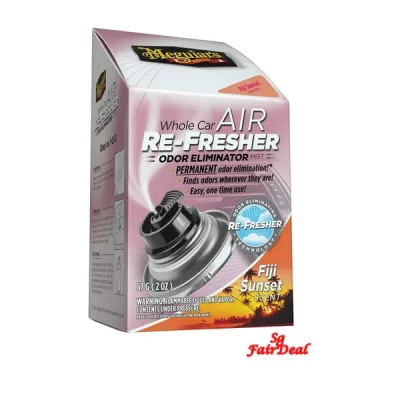
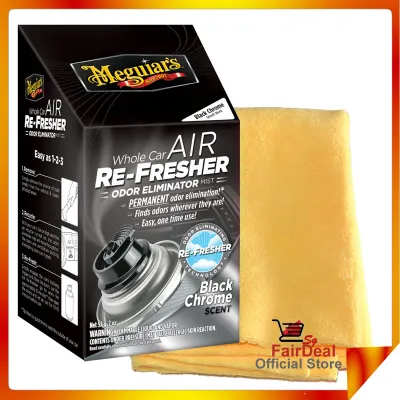
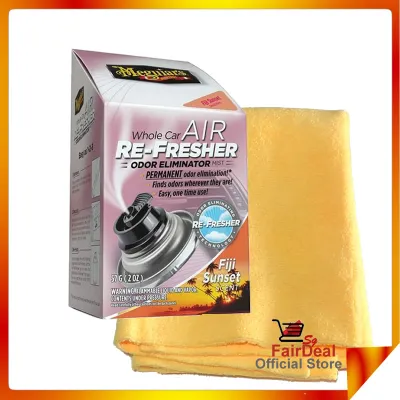
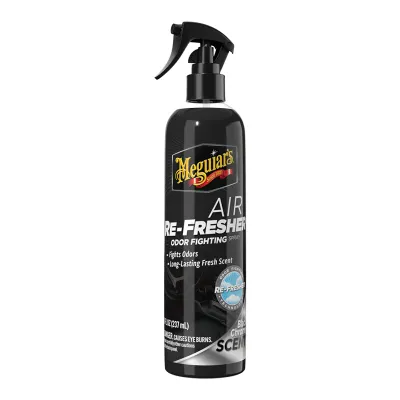
Prices are valid at publication and may change. Please refer to the product page for the latest price.
Airflow dependency is another critical factor separating these formats. Vent clips require active air conditioning flow to distribute the fragrance throughout the cabin, making them highly efficient when the vehicle is in use but completely passive when parked. Conversely, hanging cards, fiber pads, and canister gels rely on passive diffusion, constantly releasing scent molecules into the air regardless of whether the car is running. While passive formats provide a consistent baseline aroma, they continue to deplete at a high rate while your car sits in an outdoor parking lot, leading to wasted product.
Ultimately, you must weigh the trade-offs between immediate odor elimination and long-term ambient scenting. If your primary goal is to eradicate a specific, deeply embedded smell—such as dampness from tropical rain or food odors—a heavy-duty aerosol treatment is highly effective but offers limited long-term fragrance retention. For continuous, subtle scenting over several weeks, a passive or vent-mounted format is more suitable, provided you take steps to mitigate the accelerated evaporation caused by the daily heat cycle.
What to Check Before Buying for Tropical Conditions
Before purchasing any Meguiar’s air freshener product, a careful inspection of the packaging and product specifications is essential to ensure compatibility with Singapore’s climate. Your first step should be to check the product label for maximum storage and operating temperature limits. Pressurized aerosol cans and certain liquid formulations carry explicit warnings regarding exposure to temperatures exceeding 50°C (122°F). Because a car parked in direct sunlight in Singapore can quickly surpass these temperatures, verifying these limits helps you plan safe storage and usage strategies before you open the product.

Ingredient safety and stability under ultraviolet (UV) radiation are equally important. Many fragrance oils and carrier solvents are sensitive to UV light, which can break down chemical bonds and alter the scent profile or cause the liquid to discolor. Look for products that specify UV resistance or are housed in opaque, protective packaging that shields the active ingredients from direct sunlight. If a product label warns against direct sunlight exposure, you must plan to position it in a shaded area of the cabin, such as under a seat or inside a covered console.
You must also assess the chemical compatibility of the air freshener with your vehicle’s interior materials. The solvents and essential oils used to carry fragrances can be highly corrosive to automotive plastics, synthetic leather, and delicate dashboard coatings. Before installing a vent clip or hanging format, read the manufacturer’s instructions regarding surface contact. Many labels explicitly state that the product must not come into direct contact with plastic trim or leather upholstery, as accidental spills or leakage can cause permanent staining, melting, or peeling of the interior finish. Verifying these warnings beforehand allows you to select a mounting location that minimizes the risk of chemical damage.
Matching Meguiar's Product Types to Your Driving Habits
Your daily driving routine and where you park your vehicle play a decisive role in determining which air freshener format will deliver the most consistent performance and value.
Aerosol Sprays and Odor Eliminators
Aerosol sprays and specialized whole-car foggers are designed for targeted, high-intensity applications rather than continuous, passive scenting. These products are highly effective at neutralizing stubborn, organic odors that thrive in Singapore’s humid environment, such as mold, mildew, or stale air conditioning dampness. Instead of merely masking smells, the active ingredients in these sprays chemically bind to and neutralize odor-causing molecules. This makes them an excellent choice for a deep-cleaning session or for pre-cooling and refreshing a cabin that has been sitting idle.
When using these sprays, you must strictly adhere to the label instructions regarding application surfaces. While some aerosol mist products are formulated to settle safely on fabric seats and headliners, others are strictly designed for airborne dispersion or require specific clearance from hard interior surfaces. Spraying a highly concentrated formula directly onto delicate leather, polished wood veneers, or sensitive electronic screens can lead to unsightly spotting or chemical degradation. Always test the spray in an inconspicuous area first if you plan to apply it directly to cabin fabrics.
It is also important to recognize the limitations of aerosol sprays regarding long-term fragrance retention. In a hot, heavily ventilated cabin where the air conditioning is constantly drawing in fresh air or exhausting cabin air, the volatile scent molecules introduced by a spray will dissipate relatively quickly. While the odor-neutralizing effects remain, the pleasant top-note fragrance may only last for a few days. For this reason, aerosol sprays should be viewed as a corrective treatment to restore a neutral baseline, rather than a permanent scenting solution.
Vent Clips and Hanging Formats
Continuous-release formats, such as vent clips and hanging cards or cans, are engineered to provide a steady stream of fragrance over an extended period. To maximize their lifespan in tropical weather, you must actively manage how they interact with your vehicle’s climate control system. Many modern vent clips feature an adjustable dial or shutter that controls the exposure of the scented element to the passing airflow. When running your air conditioning on high to combat the midday heat, keeping this dial on the lowest setting prevents the rapid airflow from stripping away the fragrance too quickly, thereby extending the product’s usable life.
Hanging formats, such as scented cards or gel canisters, require strategic positioning to prevent premature failure. Hanging a scented card directly from your rearview mirror exposes it to intense, unfiltered UV rays and heat radiating through the windshield. This not only accelerates evaporation but can also cause the card to warp, discolor, or transfer oils onto your glass or dashboard. Instead, consider hanging these formats from a rear passenger grab handle or placing them in a door pocket where they remain shaded while still benefiting from cabin air circulation.
Regularly monitoring the physical state of your continuous-release air freshener is crucial for preventing cabin damage. In high-heat environments, the gel or liquid inside these units can dry out unevenly, sometimes leaving a concentrated residue that can spill if the container is jarred. If you use a liquid-filled vent clip or a gel can, inspect it weekly for signs of cracking, leaking, or unusual thinning of the fluid. Ensure that any container is mounted securely in an upright position to prevent it from tipping over during sharp turns, sudden stops, or acceleration, which could lead to corrosive liquids contacting your dashboard plastics.
Safe Storage and Usage in High Heat
Operating a vehicle in a tropical climate like Singapore’s requires strict adherence to safety protocols when handling and storing car air fresheners. Pressurized aerosol cans present the most significant safety concern under high temperatures. You should never store unused aerosol cans on the dashboard, rear parcel shelf, or front seats where they are exposed to direct sunlight and greenhouse-like heat buildup. Instead, keep these containers in shaded, insulated compartments such as the glovebox, center console, or trunk, where temperatures remain slightly lower and more stable.
Accidental spills of liquid or gel air fresheners must be treated as an immediate maintenance priority. The concentrated chemical solvents and fragrance oils in these products can quickly soften plastics, dissolve paint coatings, and stain leather upholstery if left unattended. If a spill occurs, immediately blot the area with a clean microfiber cloth to absorb the excess liquid, then clean the surface with a mild, material-safe automotive interior cleaner. Avoid rubbing the spill aggressively, as this can push the chemicals deeper into textured plastics or leather pores.
You must also learn to recognize the warning signs of product degradation caused by thermal stress. If you notice a dramatic change in the color of a liquid air freshener, a cloudy or separated appearance in a gel, or a sudden, harsh chemical undertone to the scent, the product has likely degraded and should be replaced. For pressurized cans, any visible bulging of the container walls, rusting around the seams, or a sticky residue around the nozzle indicates that the structural integrity of the packaging has been compromised by heat, and the product should be disposed of safely according to local regulations.
Frequently Asked Questions (FAQ)
Do Meguiar's aerosol cans explode in hot cars?
Pressurized aerosol cans, including those from Meguiar’s, carry inherent risks if exposed to temperatures beyond their design limits. You must check the specific temperature warnings and pressure limits printed on the product label, which typically caution against exposure to temperatures above 50°C (122°F). To prevent dangerous pressure buildup, never leave pressurized cans in direct sunlight, on the dashboard, or on the seats of a car parked outdoors in Singapore. Instead, store any unused aerosol products in cooler, shaded areas of the vehicle, such as the glovebox, center console, or trunk, and remove them from the vehicle entirely if it will be parked in the sun for extended periods.
How can I make my car air freshener last longer in the heat?
To extend the lifespan of your car air freshener in hot conditions, you can make several practical adjustments to reduce evaporation. If you are using a vent clip, adjust the built-in dial to the minimum opening setting to slow down the rate at which the air conditioning system disperses the fragrance. Additionally, parking your vehicle in shaded areas, using high-quality reflective sunshades on the windshield, or applying window tinting can significantly lower the cabin’s peak temperatures when parked. Finally, periodically rotating or repositioning hanging formats away from direct sunlight helps ensure even evaporation and prevents the product from drying out prematurely.

Community discussion
Share your experience or ask a question. Comments are reviewed before publication.