
To find a Jo Malone car perfume that successfully withstands Singapore’s intense tropical heat, focus on scent profiles dominated by robust, low-volatility base notes such as wood, amber, and warm spices. While bright citrus and delicate floral top notes evaporate rapidly when your vehicle is parked under the direct sun, heavier scent families retain their structural integrity much longer. Selecting the right fragrance cartridge and diffuser format ensures a consistent, pleasant cabin environment without rapid depletion or messy leaks.
Singapore’s climate presents a unique challenge for premium automotive fragrances. The combination of high ambient temperatures and constant humidity means that standard scent diffusion rates are significantly altered. By understanding how different fragrance families and diffuser designs interact with this tropical environment, you can make an informed choice that maximizes both longevity and safety.
Understanding How Heat and Humidity Affect Car Fragrances
Singapore’s tropical climate presents a challenging environment for any automotive air freshener. When a vehicle is parked outdoors, cabin temperatures can rise significantly above the ambient outdoor temperature, creating a greenhouse effect inside the sealed space. This intense heat accelerates the kinetic energy of fragrance molecules, causing the volatile top notes to evaporate at an unsustainable rate.
Products mentioned in this guide



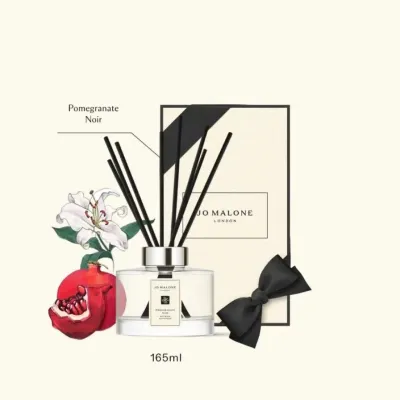
Prices are valid at publication and may change. Please refer to the product page for the latest price.
High relative humidity also plays a critical role in how scent diffuses throughout your vehicle. Moisture-laden air can alter the diffusion rate of fragrance compounds and compromise the physical integrity of certain porous carrier materials, such as paper, cardboard, or unglazed ceramic elements. Over time, high humidity can cause these carriers to warp, lose their structural stability, or release scent unevenly.
The physical state of the fragrance carrier determines how it responds to these environmental stressors. Alcohol-based liquid diffusers are highly susceptible to rapid evaporation and pressure buildup under high temperatures, which can lead to premature depletion. In contrast, solid, gel, or polymer-based alternatives generally offer greater thermal stability, releasing scent more gradually as air flows over them rather than relying on rapid liquid evaporation.
Evaluating Jo Malone Scent Families for Tropical Conditions
To predict how a premium fragrance will perform in your car, it helps to analyze its olfactory pyramid. Light, volatile notes like lime, mandarin, basil, or pear tend to flash off quickly when exposed to high cabin heat. While these scents offer an immediate burst of freshness when you first enter the vehicle, their presence may diminish rapidly during a long afternoon parked at an open-air lot.

Conversely, rich base notes such as sandalwood, oud, amber, patchouli, and deep spices possess larger molecular structures that resist rapid thermal evaporation. When reviewing the official note breakdown of Jo Malone fragrances, look for options where these heavy base notes are prominent. Scents anchored by robust woods or warm spices will naturally linger much longer in a warm cabin, providing a stable sensory experience.
Keep in mind that the perceived longevity of any car perfume is highly subjective and influenced by several physical variables. The overall volume of your car’s cabin, the frequency of your air conditioning usage, and the specific direction of your dashboard vent airflow will all alter how quickly the scent disperses. A larger cabin may require a more robust scent profile, while a compact vehicle might be easily overwhelmed by heavy spices.
Selecting the Right Diffuser Format for High Temperatures
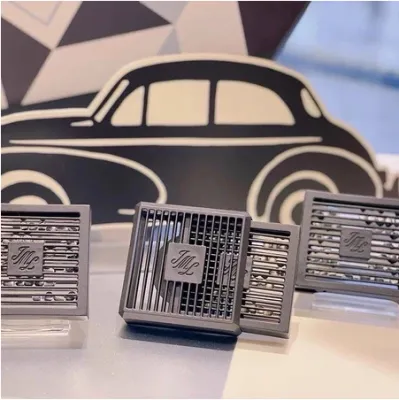
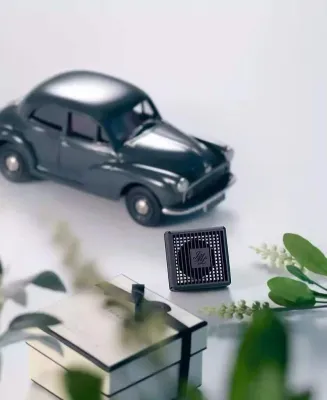
Choosing the correct physical format for your car perfume is essential for both performance and interior protection. Vent-mounted clips that house solid cartridge refills are highly practical for tropical climates. Unlike liquid-filled hanging bottles, solid cartridges do not carry the risk of boiling, expanding, or spilling when the cabin heats up, making them a safer choice for daily commutes.
Before purchasing any car fragrance system, carefully inspect the manufacturer’s product labels and packaging instructions. Look for specified maximum operating temperature limits and warnings regarding direct sunlight exposure. High-end car diffusers often feature specialized housing designed to shield the active scent element from direct solar radiation, helping to preserve the fragrance oil inside.
Safety must remain your primary consideration when positioning any accessory inside the cabin. Ensure that your chosen diffuser format does not obstruct your forward line of sight through the windshield or block side window views. Crucially, never mount a car perfume on or near steering wheel covers, passenger-side dashboard panels, or any other designated airbag deployment zones, as loose items can become dangerous projectiles during an inflation event.
Maximizing Fragrance Longevity and Cabin Safety
Strategic placement can significantly extend the lifespan of your car perfume while safeguarding your vehicle’s interior. Avoid placing any fragrance unit on top of the dashboard where solar heat is most concentrated. Instead, utilize lower console areas or secure the unit firmly to an active air conditioning vent that receives shaded airflow, which helps cool the diffuser housing.
Your vehicle’s climate control system is a powerful tool for managing scent diffusion. Adjusting your air conditioning to a moderate, consistent temperature helps stabilize the evaporation rate of the fragrance. Extremely high fan speeds directed straight at the diffuser will deplete the cartridge faster, so consider using indirect airflow settings or adjusting the vent louvers to maintain a subtle, continuous aroma.
Using a reflective front windshield sunshade when parked outdoors is another highly effective way to protect your car perfume. By lowering the peak cabin temperature, you reduce the thermal stress on the fragrance carrier, preventing rapid oil degradation. This simple habit not only preserves your premium scent but also protects your dashboard materials from UV damage.
Establish a routine of checking your car perfume housing during regular vehicle maintenance. Inspect the unit for any signs of material degradation, warping, or oily residue that could damage surrounding plastic or leather surfaces. If you notice a sudden drop in scent output, verify whether the cartridge is fully depleted or if you are simply experiencing temporary scent fatigue, which can be resolved by switching scents periodically.
Frequently Asked Questions (FAQ)
Can I leave a liquid car perfume in a parked car under the sun?
Leaving liquid-based fragrances in a vehicle parked under direct sunlight carries distinct physical risks. Extreme heat causes liquids to expand, which can lead to structural failure of the container, leakage, or pressurized spraying. If highly concentrated fragrance oils contact your car’s dashboard plastics, leather upholstery, or touchscreen displays, they can cause permanent chemical etching, peeling, or staining. Always consult the product’s safety label for specific temperature thresholds and storage guidelines, and consider removing liquid diffusers if parking in unshaded areas for extended periods.
How often should I replace the fragrance refill in a hot climate?
Sustained exposure to tropical heat and humidity will inevitably accelerate the depletion of volatile fragrance compounds, meaning refills will need replacement more frequently than they would in temperate climates. While manufacturers provide an estimated lifespan based on standard operating conditions, you should use this as a loose baseline. Monitor the actual scent strength in your cabin and plan to replace the refill cartridge once the base notes are no longer perceptible, or when visual inspection shows the carrier medium has dried out completely.

Community discussion
Share your experience or ask a question. Comments are reviewed before publication.