
Finding the right e-scooter foot rest for daily commuting in Singapore requires balancing ergonomic comfort, weather resistance, and strict mechanical compatibility. Navigating the city’s extensive Park Connector Network (PCN) and urban pavements demands a stable stance that minimizes fatigue during long rides. Because Singapore experiences frequent tropical downpours and high humidity, your choice of foot rest must offer reliable grip and corrosion resistance. By focusing on verified manufacturer specifications, precise mounting dimensions, and your specific riding posture, you can select an aftermarket accessory that enhances your daily commute safely and durably.
Adding a foot rest to your e-scooter is not just about aesthetics; it fundamentally alters your riding dynamics. A well-positioned foot rest allows you to distribute your weight more evenly, lowering your center of gravity and improving handling. However, choosing an incompatible or poorly constructed accessory can compromise your safety and potentially damage your vehicle’s frame. This guide outlines the essential factors to consider when selecting, installing, and maintaining a durable e-scooter foot rest tailored for urban commuting.
Key Selection Criteria for Urban Commuting
When evaluating foot rests for a daily commute, material selection is your first line of defense against premature wear. Most aftermarket foot rests are constructed from either aluminum alloys or reinforced plastics. Aluminum alloys, such as 6061-T6, are highly favored for their excellent strength-to-weight ratio and structural rigidity. When choosing aluminum, verify that the product features an anodized or powder-coated finish. This protective layer is crucial in Singapore’s humid climate, as it prevents oxidation and corrosion caused by rain and ambient moisture. Reinforced plastics or composites are lighter and often more affordable, but they may degrade faster under constant UV exposure and heavy foot pressure. Always check the manufacturer’s specified load limits to ensure the material can support your weight during active riding.
Products mentioned in this guide
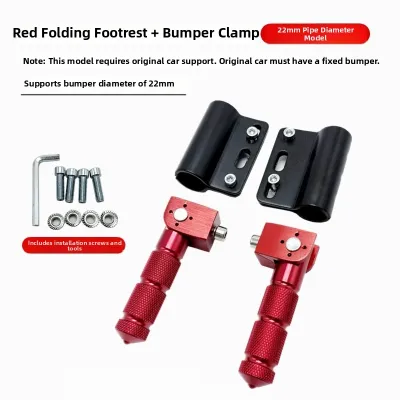
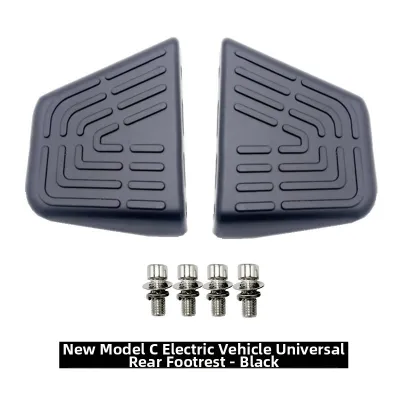
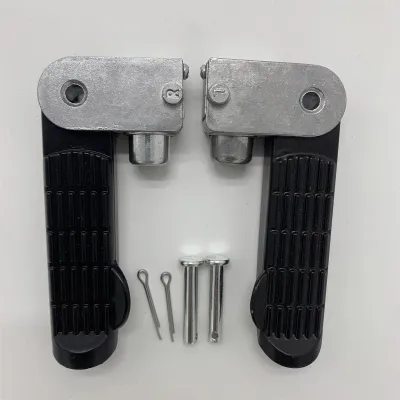

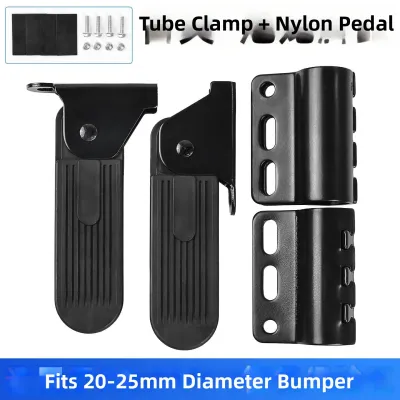
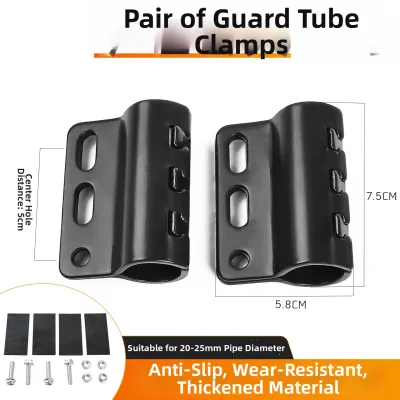
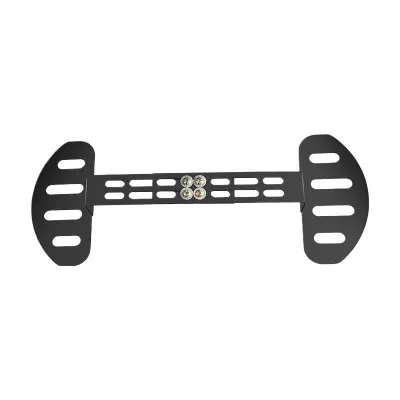
Prices are valid at publication and may change. Please refer to the product page for the latest price.
Ergonomic design and grip texture are equally critical for maintaining control in wet conditions. Sudden tropical showers can quickly turn a smooth foot rest into a slipping hazard. Look for foot rests that incorporate aggressive grip patterns, such as deep knurling, raised metal studs, or high-traction rubber inserts. Machined metal spikes offer the most secure grip but can accelerate wear on the soles of your shoes. Molded rubber inserts provide a balanced alternative, offering sufficient traction while helping to isolate your feet from high-frequency vibrations. If you prefer grip tape, ensure it is rated for outdoor, waterproof applications, and be prepared to replace it periodically as the abrasive grit wears down.
Vibration dampening is an often-overlooked factor that directly impacts rider fatigue. Daily commuting over tactile paving, concrete expansion joints, and uneven asphalt transmits constant shocks through the e-scooter’s frame to your feet and legs. Over long distances, this can lead to numbness and joint strain. Foot rests designed with integrated rubber dampening pads or those constructed from composite materials can help absorb these micro-shocks. While product descriptions often highlight comfort benefits, verify whether the design includes physical rubber isolation barriers between the mounting bracket and the foot platform, as this mechanical separation is the most effective way to mute vibrations.
Compatibility and Installation Safety Checks
Before purchasing any aftermarket foot rest, you must verify its physical compatibility with your specific e-scooter model. Never rely solely on generic compatibility claims like “universal fit” without cross-referencing physical measurements. Start by consulting your e-scooter’s official user manual to locate approved mounting points and identify the thread pitch and length of the existing bolts. Use a caliper to measure your e-scooter’s deck thickness, stem diameter, or rear frame width, depending on where the foot rest is designed to mount. Compare these measurements directly against the technical drawings or specifications provided by the foot rest manufacturer.

Installing a foot rest must never compromise the structural integrity of your e-scooter. Under no circumstances should you drill new holes into the deck, stem, or swingarms to accommodate an aftermarket accessory. Altering the metal frame introduces stress concentrators that can lead to sudden structural failure under load. Furthermore, drilling into the deck carries a severe risk of puncturing the internal lithium-ion battery pack, which can trigger a thermal runaway event. Additionally, any unauthorized modifications to the frame or electrical housing will almost certainly void your manufacturer’s warranty and may render the vehicle non-compliant with local transport regulations.
Safety during installation requires the correct tools and hardware. Always use the high-tensile steel bolts supplied by the manufacturer or source matching grade-8.8 or higher fasteners if replacements are needed. Apply a medium-strength threadlocking compound (typically blue) to the bolt threads to prevent them from backing out due to road vibrations. Tighten all fasteners to the torque specifications recommended in your e-scooter’s service manual using a calibrated torque wrench. If the installation instructions are unclear, if the hardware does not align perfectly without force, or if you detect any play in the mounted assembly, stop immediately and consult a qualified technician at a professional specialty shop.
Evaluating Foot Rest Types for Different Riding Styles
Your commuting route and riding habits should dictate the style of foot rest you choose. For riders navigating dense urban areas with frequent traffic lights, pedestrian crossings, and tight turns, flat platform rests are highly practical. These platforms extend the usable surface area of your deck, allowing you to quickly shift your footing and transition between a riding stance and a stationary, feet-on-the-ground position. The wide surface area also makes it easier to find a comfortable stance without having to look down at your feet, keeping your eyes focused on the road ahead.
If your daily commute consists of longer, uninterrupted stretches along park connectors or quiet secondary roads, angled or peg-style foot rests may be more suitable. Angled rests, often mounted at the rear of the deck, allow you to prop your rear foot up at an angle. This posture helps brace your body against acceleration and braking forces, reducing the strain on your wrists and lower back. Peg-style rests, which extend outward from the sides of the deck or front axle, offer a relaxed, cruiser-style foot position. However, because pegs widen the profile of your e-scooter, you must ensure they do not exceed local width limits or pose a snagging hazard in tight spaces.
For multi-modal commuters who frequently fold their e-scooters to carry them onto public transport or store them in tight office spaces, foldable or retractable foot rests are an excellent solution. These designs feature a spring-loaded or locking hinge that allows the foot rest to fold flush against the frame when not in use. When evaluating foldable options, pay close attention to the hinge mechanism. The hinge must be robust enough to withstand constant stepping forces without developing play or collapsing unexpectedly. Look for designs with positive locking detents that keep the foot rest securely in either the fully extended or fully retracted position.
Maintenance and Wear Inspection Routine
To ensure your foot rest remains safe and functional, establish a regular inspection and maintenance routine. At least once a week, perform a quick visual check of the entire assembly. Inspect the mounting brackets and the foot rest body for any signs of hairline cracks, bending, or stress discoloration, particularly around bolt holes and weld joints. Check that all mounting bolts are tight and have not vibrated loose. If you detect any movement or play when applying downward pressure to the foot rest, do not ride the e-scooter until the hardware has been retightened and secured.
Cleaning your foot rest should be done in accordance with the manufacturer’s material care instructions to prevent premature degradation. Use a soft-bristled brush, mild dish soap, and warm water to remove mud, road grit, and salt residue from the grip surfaces. Avoid using harsh chemical solvents, degreasers, or petroleum-based cleaners, as these can dissolve the adhesives holding grip tape in place or cause rubber inserts to dry out, crack, and lose their elasticity. After cleaning, rinse the assembly thoroughly with clean water and dry it with a microfiber cloth to prevent water pooling around the mounting hardware.
Knowing when to replace worn components is vital for preventing slips and falls. Grip tape should be replaced as soon as the abrasive texture becomes smooth or starts peeling at the edges. Rubber inserts must be replaced if they show deep cracks, chunks missing, or if the tread pattern has worn flat. If the mounting holes on the foot rest or the e-scooter frame show signs of ovaling—where the round hole has stretched into an oval shape due to loose bolts—the affected components must be replaced immediately, as this structural wear can lead to sudden detachment while riding.
Building Your Shortlist: What to Verify Before Buying
When you are ready to purchase a foot rest from an online marketplace or a local retail store, compile a shortlist based on verifiable product data. Start by cross-referencing the product’s listed dimensions and mounting patterns with your e-scooter’s physical measurements. Avoid listings that use vague compatibility terms without providing exact millimeter measurements. If possible, seek out products that are explicitly certified or listed as compatible by your e-scooter’s original manufacturer, as these parts are engineered to match the structural tolerances of your vehicle.
Carefully review the warranty terms and return policies associated with the aftermarket part. Because minor manufacturing variances can affect fitment, choose sellers that offer a clear, hassle-free return policy for unused items. A manufacturer’s warranty on the foot rest itself is a good indicator of build quality; look for brands that offer at least a basic warranty against material defects and structural failure. This protection ensures you are covered if the metal develops stress fractures under normal commuting conditions.
Finally, analyze user feedback and community forums for real-world performance insights. Look specifically for reviews from commuters who ride in similar climates and road conditions. Pay attention to comments regarding how well the grip holds up after several months of use, whether the mounting hardware tends to rust, and if the installation process required any unexpected modifications. User feedback can often reveal practical details, such as whether a specific foot rest interferes with the folding mechanism of your e-scooter, helping you make an informed decision before spending your money.
Frequently Asked Questions (FAQ)
Can I install a universal foot rest on any e-scooter model?
No, you cannot safely install a universal foot rest on any e-scooter model without verifying specific physical dimensions. While some aftermarket parts are marketed as universal, they rely on clamping mechanisms or bracket designs that require specific stem diameters, deck profiles, or bolt patterns. Before purchasing, you must measure your e-scooter’s mounting area and compare it to the product’s minimum and maximum clearance specifications. Attempting to force an incompatible bracket onto your e-scooter can damage the frame, pinch internal wiring, or result in a loose, unstable foot rest that poses a safety hazard while riding.
How do I clean rubber grips without degrading the material?
To clean rubber grips safely, use a mixture of mild liquid soap and warm water applied with a soft-bristled brush or microfiber cloth. Gently scrub the rubber surface to release dirt, mud, and oils, then rinse thoroughly with clean water to remove all soap residue. Avoid using harsh chemical solvents, aerosol penetrants, or alcohol-based cleaners, as these substances strip the plasticizers from the rubber compound. This chemical stripping causes the rubber to become brittle, sticky, or prone to cracking over time. Always check the specific product label or manufacturer instructions for any chemical restrictions before applying any cleaning agents.
Community discussion
Share your experience or ask a question. Comments are reviewed before publication.