
Choosing a high-quality car reverse mirror is essential for maintaining spatial awareness and executing safe driving maneuvers. Whether you are replacing a damaged wing mirror or upgrading your vehicle’s existing setup, the right mirror directly impacts how accurately you perceive surrounding traffic and physical obstacles. To make an informed decision, you must evaluate several critical dimensions: the curvature of the mirror glass, the integration of modern electronic features, the effectiveness of blind spot solutions, and the physical durability of the housing assembly.
Decoding Glass Curvature for Your Car Reverse Mirror
To choose the right glass, you must understand how different shapes affect your field of view and distance perception.
- Flat Glass: These mirrors provide a 1:1 reflection, showing objects exactly as they are in terms of size and distance. While beneficial for accurate distance judgment, flat glass has a narrow field of view, leaving significant blind spots on the side of your vehicle.
- Convex Glass: Convex glass curves outward, compressing the reflected image to offer a wider field of view. This design is highly effective for spotting vehicles approaching from your rear quarters. However, the trade-off is distance distortion; objects in a convex mirror are closer than they appear. Relying solely on a convex mirror when reversing can cause you to misjudge the distance to a wall or curb.
- Aspherical Glass: Aspherical mirrors feature a dual-zone design. The inner two-thirds of the glass is flat or slightly convex for accurate distance representation, while the outer third curves sharply outward to eliminate blind spots. This hybrid approach offers precise spatial awareness directly behind your vehicle alongside a wide-angle view of adjacent lanes.
Before purchasing, check your vehicle’s original specifications and local traffic regulations. In many regions, including Singapore, specific rules govern the allowable curvature for driver-side and passenger-side exterior mirrors to ensure drivers maintain a safe balance between field of view and depth perception.
Products mentioned in this guide
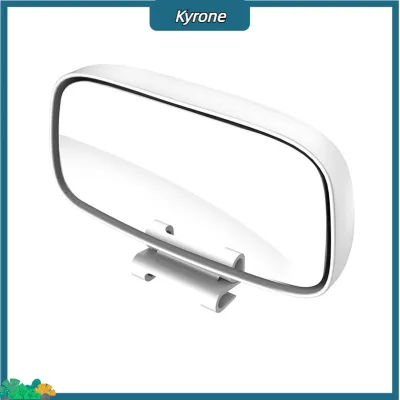
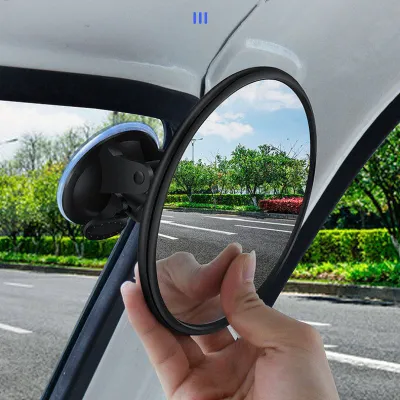
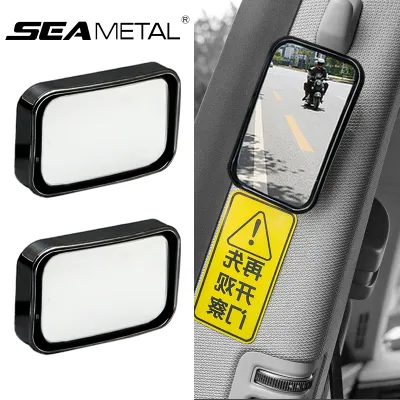
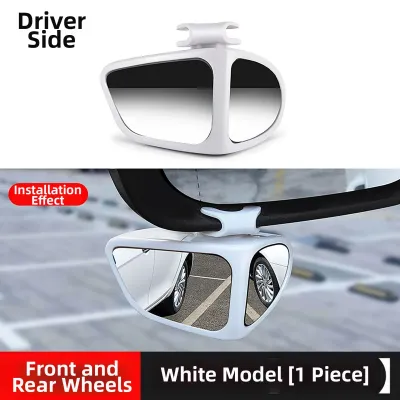
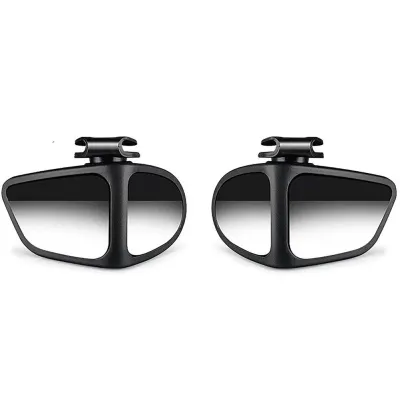
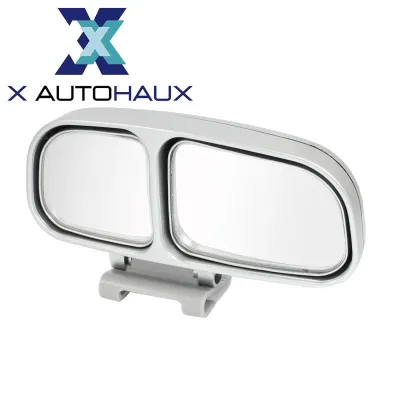
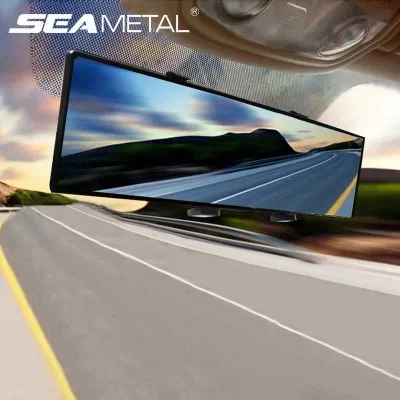
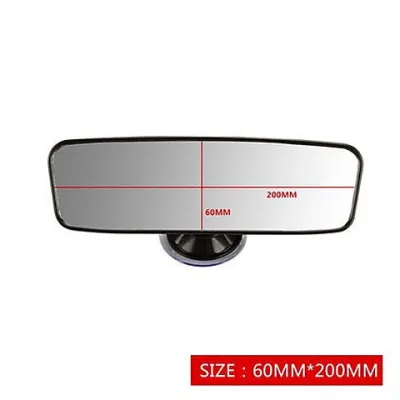
Prices are valid at publication and may change. Please refer to the product page for the latest price.
Evaluating Electronic Features: From Auto-Tilt to Heated Glass
Modern car reverse mirrors are sophisticated electronic components designed to assist you in various driving conditions.

- Auto-Tilt on Reverse: This feature automatically angles the passenger-side mirror downward when you shift into reverse. This downward tilt gives you a clear view of the curb and parking lines, preventing curb rash on your alloy wheels. It is particularly useful when parallel parking in tight multi-storey car parks where margins for error are slim.
- Heated Mirrors: Heated glass utilizes internal elements to rapidly clear away condensation, fog, and water droplets. While drivers in cold climates use this to melt frost, it remains highly valuable in tropical environments. In places like Singapore, heavy morning dew or sudden, intense monsoon downpours can instantly obscure your side mirrors. Heated mirrors quickly evaporate this moisture, maintaining clear visibility.
- Auto-Dimming (Electrochromic) Glass: Auto-dimming mirrors use electrochromic sensors to detect glare from trailing vehicles at night and automatically darken the glass. This reduces eye strain and prevents temporary blindness from bright headlights.
- Power Folding Mechanisms: Power-folding mirrors allow you to retract the mirror housings at the press of a button or automatically when locking the vehicle, protecting them from being clipped by passing vehicles in tight parking bays.
Before purchasing any mirror housing with these electronic features, verify your vehicle’s wiring compatibility and Electronic Control Unit (ECU) support. Base-model vehicles may lack the necessary wiring harnesses or programming. Always consult your vehicle’s original workshop manual and seek a qualified automotive technician before attempting electrical modifications.
Blind Spot Management: Integrated Glass vs. Add-On Mirrors
Managing blind spots is critical for preventing side-impact collisions. When looking for a car reverse mirror, you will generally choose between factory-style integrated glass and aftermarket add-on solutions.
- Integrated Blind Spot Spotters: These mirrors feature a small, pre-angled convex section built directly into the main mirror glass during manufacturing. They offer a seamless aesthetic, do not degrade from exposure to the elements, and do not interfere with heating or dimming functions. However, they are vehicle-specific, meaning you must purchase the exact model designed for your car's make and year.
- Add-On Stick-On Convex Mirrors: These are small, circular or wedge-shaped mirrors that stick onto your existing mirror glass using adhesive. They are highly affordable and universally compatible. However, they physically block a portion of your main mirror glass, reducing overall rearward visibility. Over time, exposure to high humidity and heavy rain can degrade the adhesive, causing them to fall off.
- Blind Spot Monitoring (BSM) Indicators: Some replacement mirror glasses include built-in LED warning icons. Note that these indicators are merely display terminals. They rely on complex radar sensors mounted inside your rear bumper, along with dedicated wiring. If your vehicle did not come equipped with a factory BSM system, simply buying replacement glass with BSM icons will not make the system work.
To ensure proper fitment, always measure the physical dimensions of your existing mirror housing and verify the mounting clip pattern on the back of the glass before purchasing.
Assessing Housing Materials and Aerodynamic Build
The physical housing of your car reverse mirror protects the delicate glass and electronic components from environmental wear and physical impacts.
- Housing Materials: Most standard mirror housings are constructed from Acrylonitrile Butadiene Styrene (ABS) plastic. ABS is highly cost-effective, offers decent impact resistance, and can be painted to match your vehicle's body color. For high-performance or premium vehicles, carbon fiber or reinforced composite housings are popular alternatives. These materials are lighter and offer a distinct, sporty aesthetic, though they come at a significantly higher price point.
- Aerodynamic Shaping: The shape of the mirror housing plays a vital role in your vehicle's overall aerodynamics. Well-designed, aerodynamic housings minimize wind resistance, which can slightly improve fuel efficiency. More importantly, they are engineered to reduce wind noise and buffeting at highway speeds, ensuring a quieter and more comfortable cabin environment.
- Breakaway and Foldable Hinges: High-quality mirror assemblies feature spring-loaded breakaway hinges. In the event of a minor collision—such as a passing vehicle clipping your mirror or a tight squeeze in a parking garage—the hinge allows the housing to fold forward or backward without snapping off. This simple design feature can save you from having to purchase an entirely new assembly.
When replacing a complete mirror assembly, do not focus solely on the exterior shell. Take the time to inspect the condition of the internal metal mounting brackets, rubber weather seals, and wiring harnesses to ensure a secure, weather-tight fit that prevents water from leaking into your car’s door panels.
Frequently Asked Questions (FAQ)
Can I upgrade my manual side mirrors to power-folding?
While it is possible to upgrade manual side mirrors to power-folding, it is a complex undertaking. The process typically requires replacing the entire mirror housing assembly, running new electrical wiring through the door jambs, installing a dedicated control switch, and potentially reprogramming your vehicle’s ECU. Because of the complex electrical work involved, you should always consult a professional automotive electrician to assess compatibility, ensure safe installation, and avoid voiding your vehicle’s warranty.
Do convex mirrors distort distance when reversing?
Yes, convex mirrors inherently distort depth perception. Because the glass curves outward, it compresses the reflected image to provide a wider field of view, making objects appear smaller and further away than they actually are. When reversing or parking, you should use the convex section primarily for peripheral awareness and spotting low-lying obstacles. For accurate distance judgment, rely on your flat rearview mirror, your vehicle’s reverse camera, or the flat portion of an aspherical side mirror.
Are heated mirrors necessary in a tropical climate like Singapore?
Although freezing temperatures are not an issue in Singapore, heated mirrors are highly beneficial in tropical climates. The high humidity, frequent morning condensation, and sudden, heavy monsoon rain can quickly coat your mirror glass in water droplets and fog, severely limiting your visibility. Turning on your heated mirrors quickly warms the glass, evaporating moisture and clearing rainwater within minutes to ensure you maintain a safe, unobstructed view of the road.
Community discussion
Share your experience or ask a question. Comments are reviewed before publication.