
Selecting the right car perfume holder for tropical conditions requires balancing material durability, spill prevention, and heat resistance. Because parked vehicles experience extreme temperature spikes and high ambient moisture, standard home fragrance accessories often fail or cause interior damage. To ensure your vehicle’s cabin remains fresh and undamaged, the most reliable choice is a holder constructed from heat-resistant materials like anodized aluminum, tempered glass, or automotive-grade polycarbonate, paired with a secure mechanical vent clip rather than a heat-sensitive adhesive.
How Heat and Humidity Affect Car Perfume Holders
Parked under the intense tropical sun, a vehicle’s cabin acts as a highly efficient heat trap. Solar radiation passes through the windshield and side windows, warming the dashboard, steering wheel, and air inside. Because this thermal energy cannot easily escape, dashboard temperatures can climb significantly higher than the ambient outdoor temperature, creating a harsh environment for any interior accessory.
High ambient humidity further compounds these thermal challenges. Constant moisture in the air can weaken standard adhesives, cause low-grade metals to corrode, and encourage mold growth on untreated organic materials like raw wood or cardboard. Over time, the combination of moisture and heat accelerates the breakdown of structural bonds within the holder.
Products mentioned in this guide
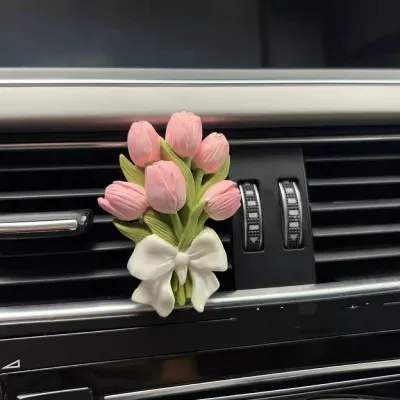
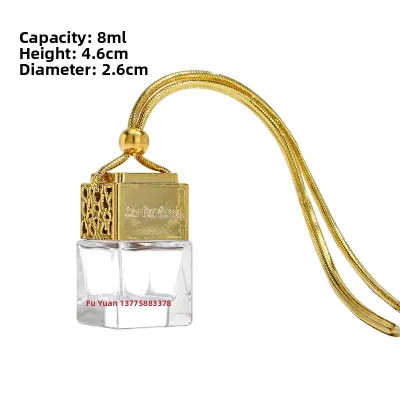




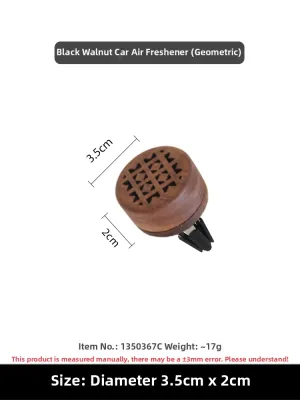
Prices are valid at publication and may change. Please refer to the product page for the latest price.
Heat also increases the kinetic energy of liquid and gel perfume molecules, causing them to evaporate at an accelerated rate. If a holder is not designed to regulate this release, the fragrance may become overwhelmingly strong initially, only to deplete rapidly. This rapid evaporation can also build up pressure inside sealed, non-vented containers, increasing the risk of structural failure.
Many car perfumes contain essential oils or synthetic fragrance compounds that act as mild solvents. If the holder’s material degrades or cracks due to heat, these concentrated liquids can seep out. When they contact the dashboard’s soft-touch plastics, vinyl, or leather, they can cause permanent bubbling, peeling, or discoloration that is costly to repair.
Evaluating Holder Materials for High Temperatures
Anodized aluminum and brass are highly durable, resisting both heat deformation and rust when properly coated. Tempered glass offers excellent chemical resistance, ensuring it will not react with the perfume ingredients, though it must be securely mounted to prevent breakage. Automotive-grade plastics, such as polycarbonate or acrylonitrile butadiene styrene, are engineered to withstand cabin temperature spikes without melting or releasing toxic fumes.

Before purchasing, look for explicit material safety data sheets or product specifications indicating the maximum operating temperature. High-quality automotive accessories are typically rated to withstand temperatures well above standard ambient levels. If a product packaging does not specify its material composition or temperature limits, it is safer to assume it is designed for mild indoor environments rather than a tropical vehicle cabin.
Regularly inspect your car perfume holder for early warning signs of failure. These include physical warping of plastic components, discoloration of the outer shell, or a sticky, tacky texture on the surface of the holder. A sticky surface often indicates that the plastic polymer is breaking down due to UV exposure and heat, meaning the holder must be replaced immediately to prevent it from fusing to your vehicle’s interior.
High humidity can cause condensation to pool in crevices. If the holder uses low-grade steel screws or unplated metal clips, rust can quickly form, staining your air vents or dashboard. Porous materials like untreated wood or fabric can trap this moisture, creating a breeding ground for mold and mildew, which introduces unpleasant odors instead of the intended fragrance.
Choosing the Right Design and Mounting Style
Dashboard-mounted holders sit in the direct path of incoming solar radiation, exposing them to the highest temperatures in the vehicle. Hanging diffusers, often suspended from the rearview mirror, are also highly exposed to sunlight and can swing unpredictably during sudden stops, risking impact with the windshield. Air vent clips are generally the most climate-resilient option because they sit lower in the cabin, are partially shaded, and benefit from the cooling airflow of the air conditioning system.
Look for holders featuring sealed reservoirs, membrane-based diffusion, or secure threaded lids with silicone gaskets. Avoid open-top reservoirs or simple push-fit caps that can easily dislodge when driving over speed bumps or uneven roads. A truly spill-proof design ensures that even if the liquid liquefies further under extreme heat, it remains contained within the reservoir.
Many dashboard holders rely on double-sided adhesive pads. In high heat, the adhesive backing can liquefy or lose its shear strength, causing the holder to slide off the dashboard during a turn. This not only creates a distraction but can also leave a stubborn, sticky residue on the dashboard surface that is difficult to clean without causing damage.
While vent clips are highly effective, they must be designed to allow air to flow freely around them. A clip that completely blocks a vent can cause cold air to pool, leading to localized condensation on the plastic louvers. This moisture can drip into the dashboard electronics or create a damp environment behind the vent where mold can develop. Choose slim, aerodynamic clips that do not obstruct the directional adjustment of the vent.
Checking Product Labels and Safety Specifications
Reliable manufacturers of automotive accessories clearly state the operating temperature range on the packaging or user manual. Look for products explicitly rated for automotive use, which typically covers a broad thermal spectrum. Avoid products that only list room temperature or lack any environmental guidelines.
Check for labels indicating UV-stabilized materials or rust-resistant coatings. UV stabilizers prevent plastics from yellowing and becoming brittle under constant sun exposure. If the packaging does not mention UV resistance or tropical climate compatibility, the holder may degrade within a few months of exposure to intense sunlight.
There is a critical distinction between home fragrance diffusers and automotive-grade holders. Home products are designed for stable, climate-controlled environments and rarely feature the robust seals, UV-resistant plastics, or secure mounting mechanisms required to survive the physical vibrations and thermal extremes of a moving vehicle.
If a car perfume holder’s packaging contains vague marketing terms without providing concrete material specifications, operating temperature limits, or clear installation instructions, it is best to reject it. A lack of technical details often points to low-cost manufacturing that has not been tested against extreme cabin heat.
Maintenance and Placement Tips for Tropical Climates
Position your holder away from the direct path of the windshield’s concentrated sunlight whenever possible. If using a vent clip, choose a central vent that is easily reached by cabin airflow but does not block your primary view. Crucially, never mount any accessory on or near the steering wheel hub, passenger dashboard panel, or any pillar marked with an airbag deployment logo, as a loose holder can become a dangerous projectile if the airbags deploy.
Make it a habit to inspect the holder every time you clean your car’s interior or refill the fragrance. Check that the vent clip remains tight, the seals are intact, and there are no micro-cracks forming in the reservoir. If the holder uses an adhesive mount, gently nudge it to ensure the bond has not softened under the heat.
If a leak does occur, act immediately. Use a clean microfiber cloth to blot up as much liquid as possible; do not wipe, as this can spread the solvent-like perfume across a larger surface area. Clean the affected area using a mild, pH-neutral interior cleaner authorized by your vehicle manufacturer, and avoid harsh household detergents that can strip the protective coatings of your dashboard’s leather or plastic.
Do not wait for a holder to completely break or leak before replacing it. If you notice persistent discoloration, a loose mounting clip, or a hardened silicone seal, it is time to retire the holder. Replacing a worn accessory early is a simple, low-cost way to protect your vehicle’s interior from expensive chemical stains or physical damage.
Frequently Asked Questions (FAQ)
Can I use a standard indoor reed diffuser in my car?
Using a standard indoor reed diffuser in a vehicle is highly discouraged. These diffusers rely on open-top glass bottles and loose wooden reeds, which are prone to tipping over, spilling concentrated fragrance oil onto your dashboard, console, or upholstery during sudden braking or sharp turns. Additionally, indoor formulations often have different evaporation rates and chemical compositions that are not optimized for the rapid temperature shifts inside a car, potentially leading to rapid degradation of the liquid and overwhelming fumes.
How do I remove melted plastic or adhesive residue from my dashboard?
Before attempting to clean any residue, consult your vehicle owner’s manual for approved cleaning agents to avoid damaging sensitive interior surfaces. For light adhesive residue, you can try gently rubbing the area with a microfiber cloth dampened with warm, soapy water or a mild, manufacturer-approved interior detailer. Avoid using harsh solvents, abrasive scrubbing pads, or sharp tools, which can permanently scratch or strip the color from soft-touch plastics and leather. If the residue is stubborn or the plastic has physically melted, stop immediately and consult a professional automotive detailer to safely restore the surface.
Are solid gel perfumes better than liquids for hot weather?
Solid gel and ceramic-based perfumes offer a significant safety advantage in hot climates because they eliminate the risk of liquid spills and leaks. However, they do come with trade-offs; under intense heat, solid gels can shrink and dry out much faster than they would in cooler climates, requiring more frequent replacement. When choosing a gel or wax-based refill, verify the manufacturer’s specified melting point to ensure the product will remain solid and will not liquefy or release excessive moisture when the vehicle is parked in direct sunlight.

Community discussion
Share your experience or ask a question. Comments are reviewed before publication.